
Hidden Gems Around Guangzhou
Most travelers start their China trip in big cities like Shanghai, Beijing, or Guangzhou. We started ours with something completely different. A five day rural tour with Ian’s parents that took us into quiet towns, hot spring retreats, mountain parks, and historic temples that most foreigners never visit.
This blog post covers our full itinerary with addresses, tips, and honest notes from our experience. If you watched our YouTube video and want extra details for planning your own trip, this is for you.
Getting to China
We flew from Calgary to Incheon on an eleven hour flight. With a thirteen hour layover, we slipped out for Korean BBQ before catching our final flight to Guangzhou. Our tour group greeted us the next morning and we headed straight into the countryside.
Day 1: Jinglülun Hot Spring Town


Travel Time:
• 2.5 hours from Guangzhou to Jinglülun Hot Spring Town
Main Highlights:
• Zizaitian Jade Museum
• Wishing Terrace
• Over 60 natural hot spring pools
• Jinsha Orchard Chicken Feast
Address:
Big Forest Hot Spring World, Tanghu Village, Qujiang District, Shaoguan, 512000
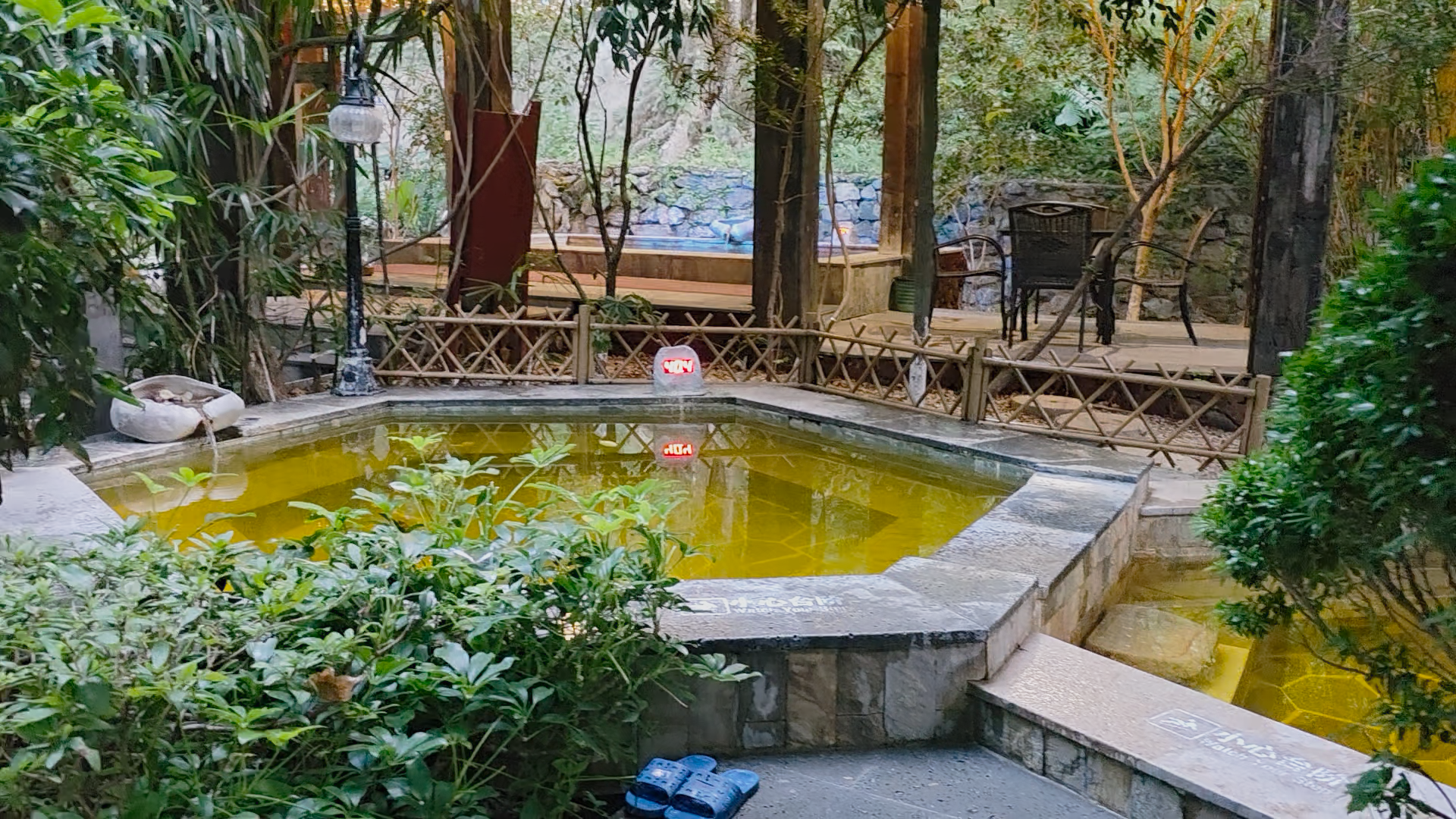
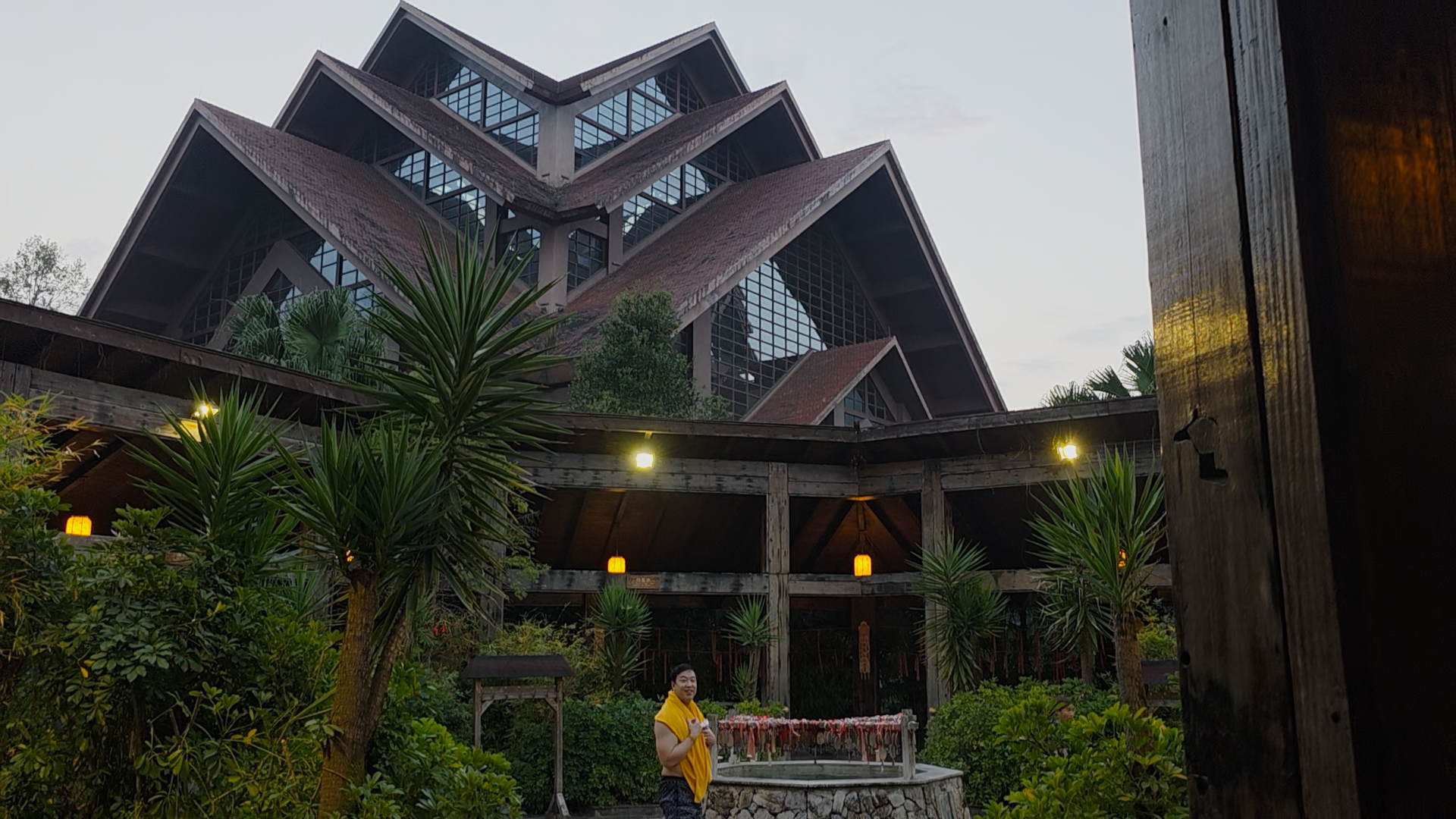
We arrived at Jinglülun International Hot Spring Town in the late afternoon and were immediately impressed by the scale of the resort. Huge ceilings, polished stone floors, and jade statues surrounded the lobby. The resort used to be a government retreat and it shows.
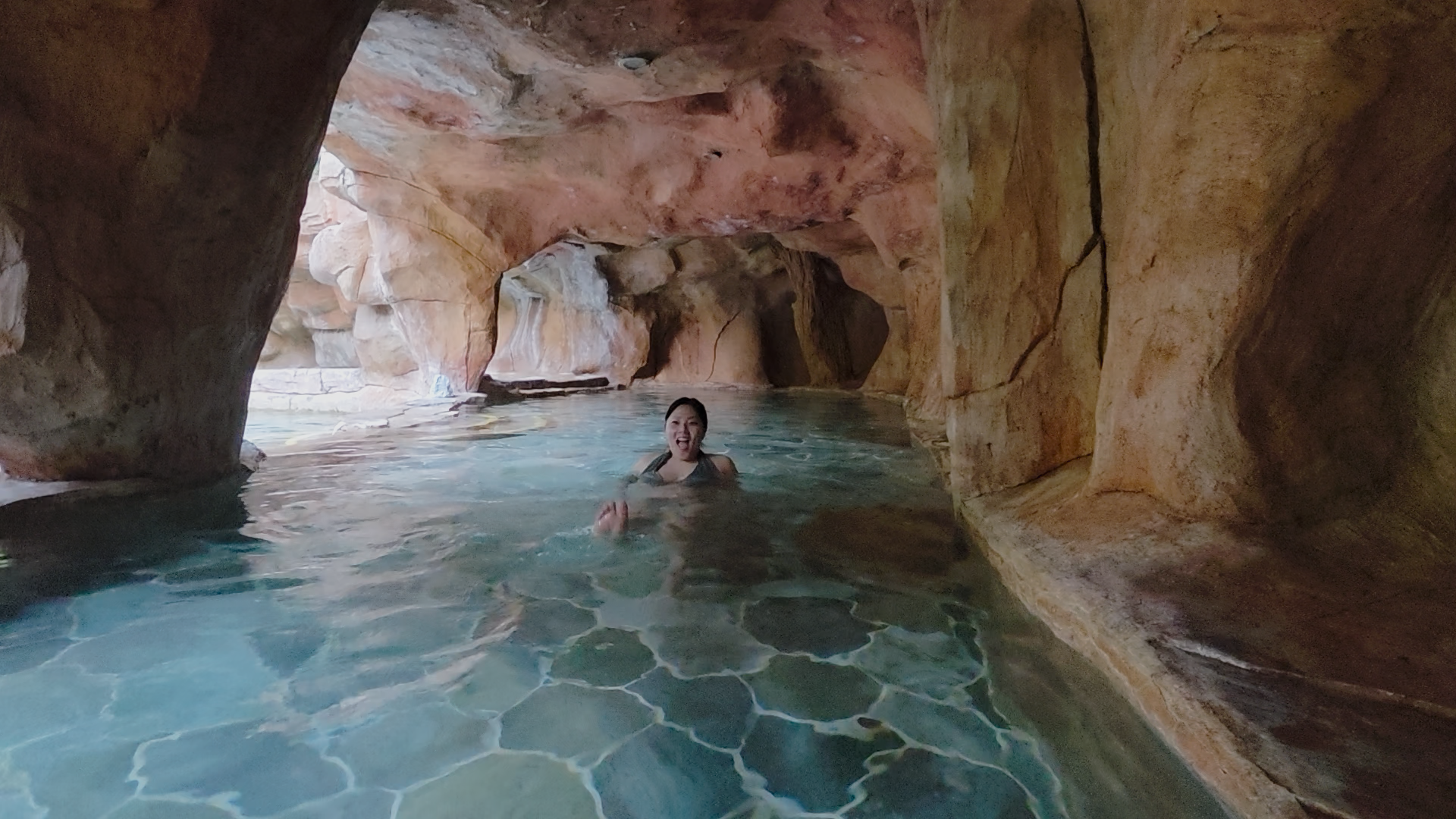
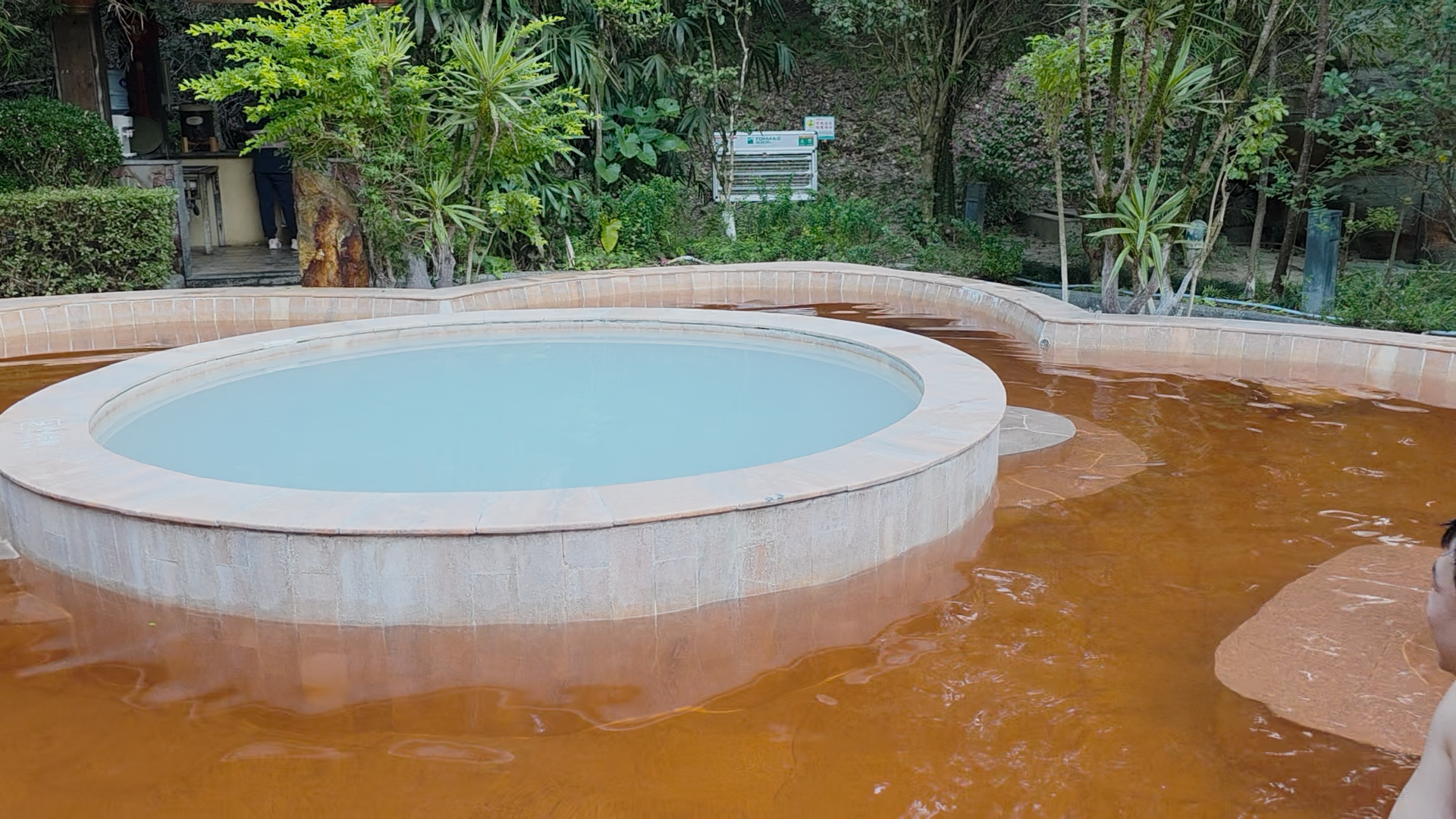
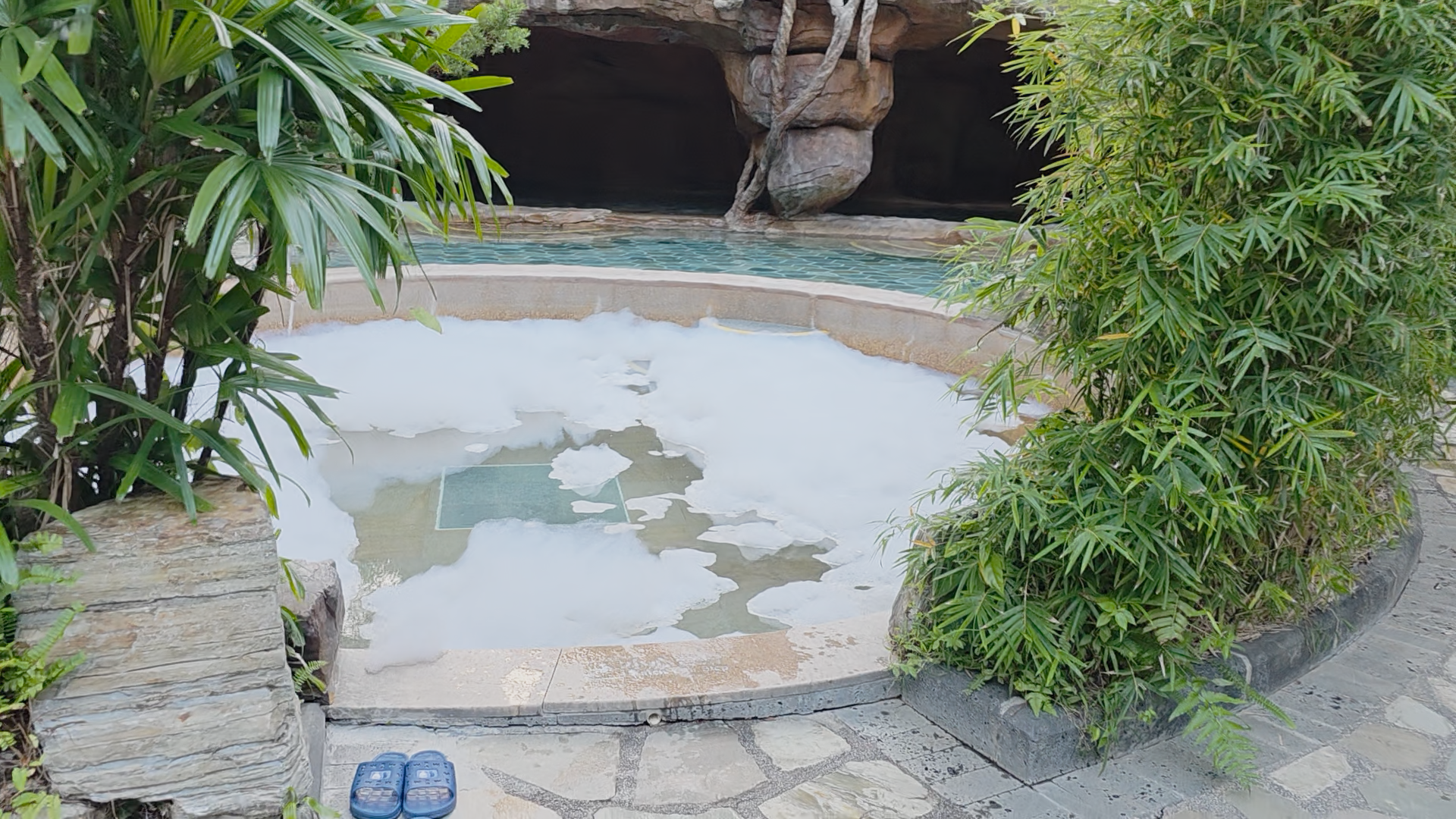
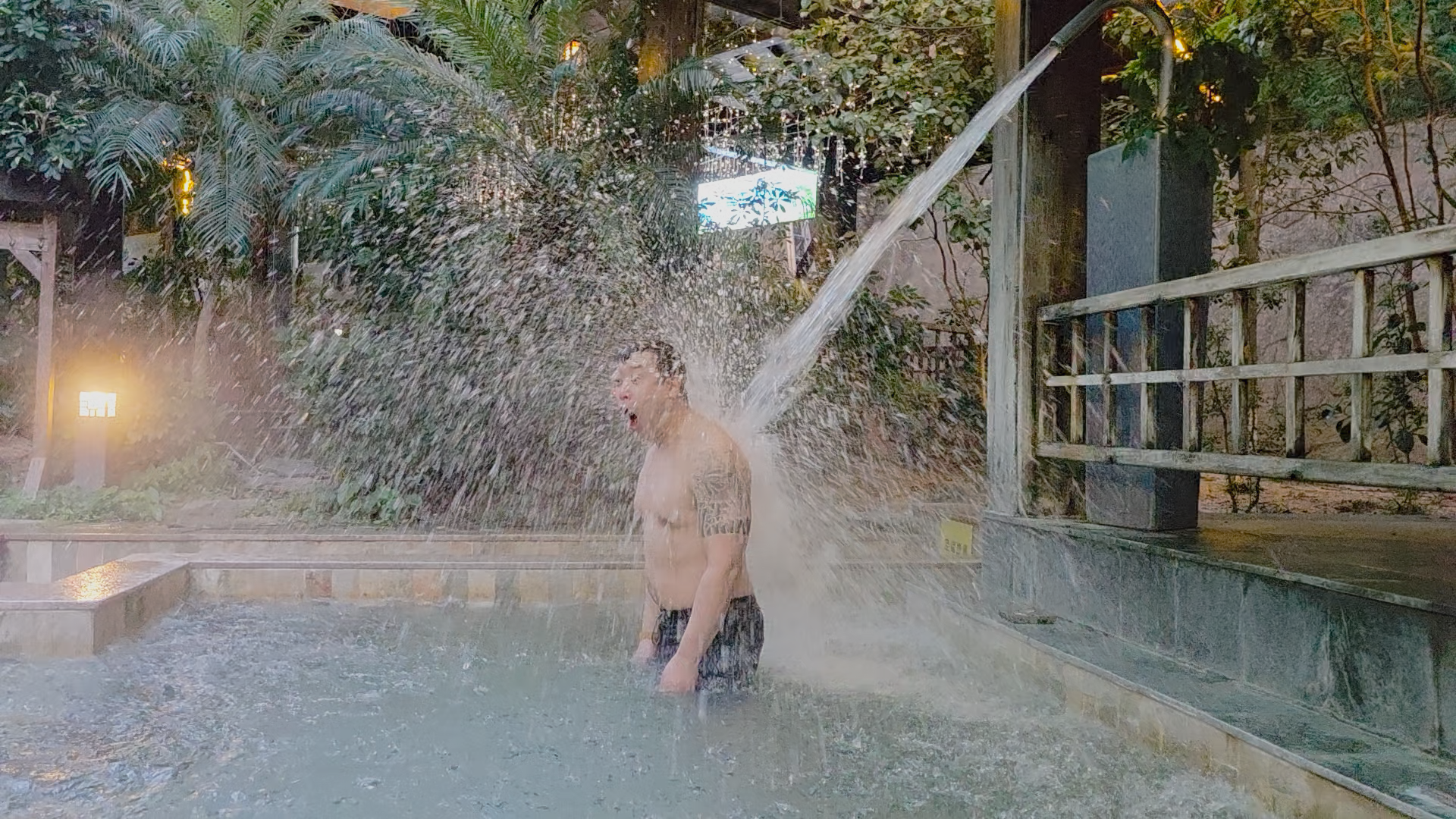
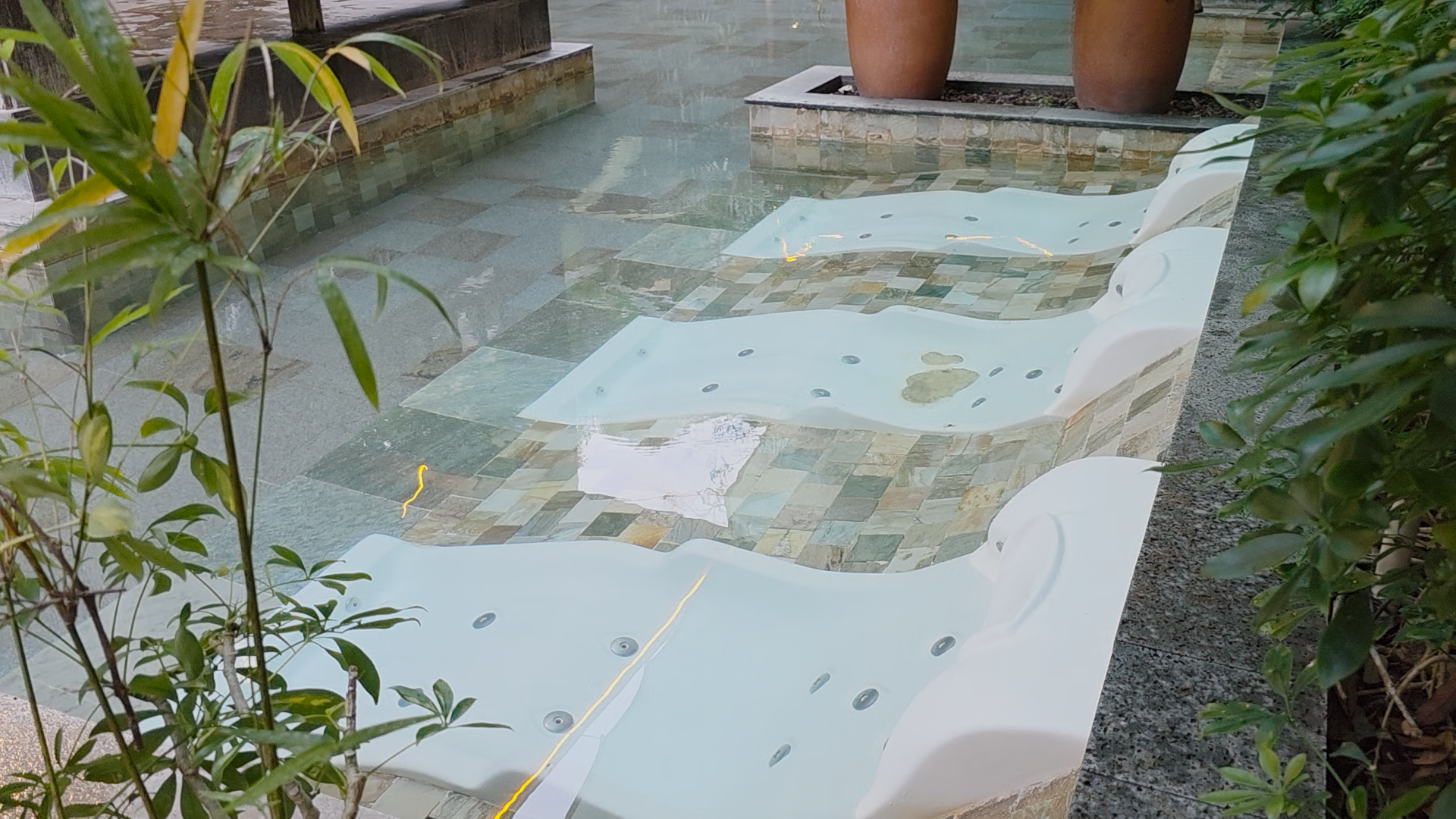
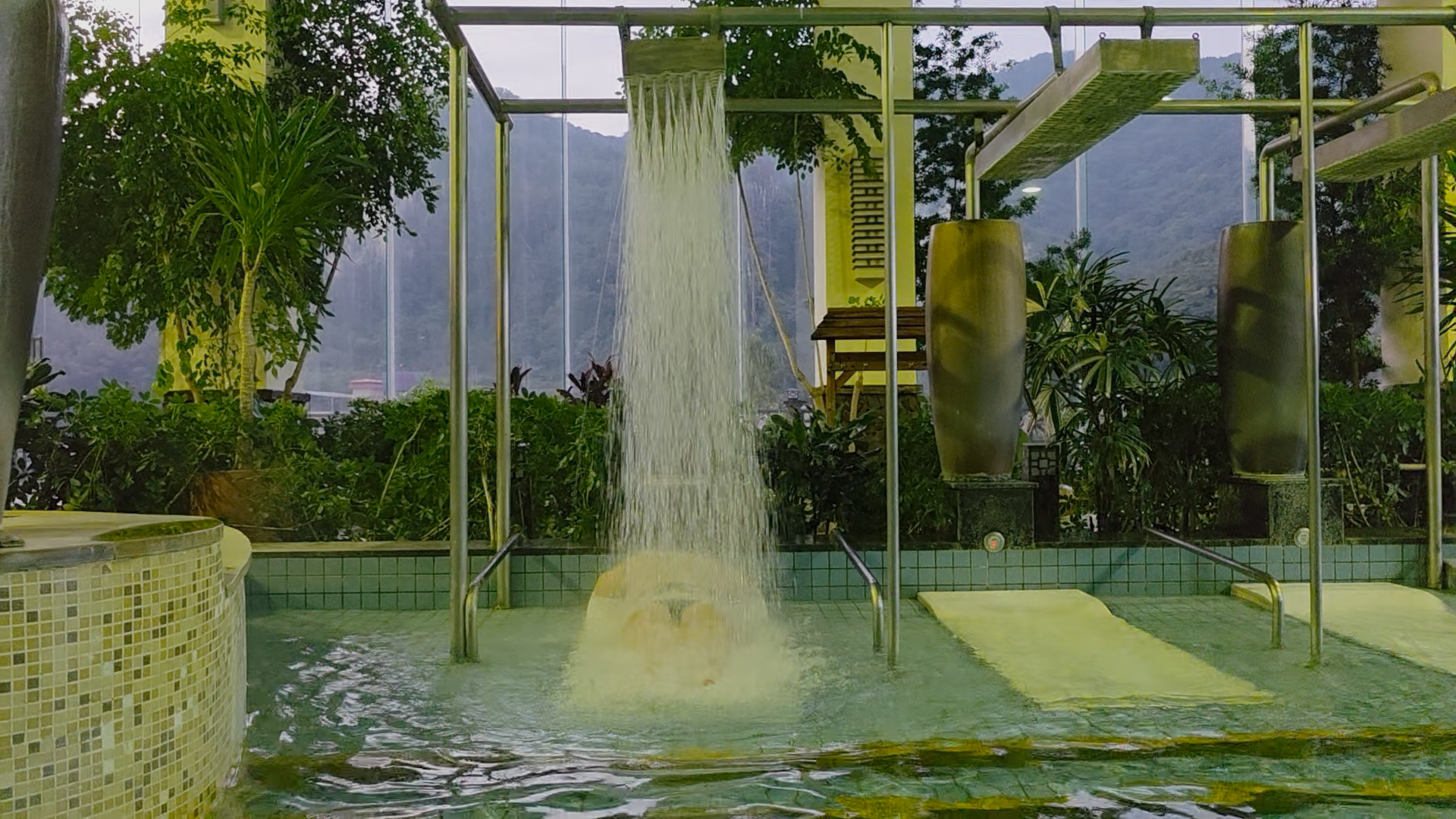
The rooms were spacious with robes, slippers, and everything you need to head straight to the hot springs. The spring area has two sections. Indoors and outdoors. Outdoors is massive and has themed pools such as milk baths, tea baths, cave baths, floral pools, bubble pools, and massage bed pools.
Our favorites were the quiet cave pools and the massage bed pools. The water temperature varies from warm to steaming hot so you can pick what feels best. The property is huge so you might end up having a pool all to yourself.
This was the perfect way to recover from our long flights and shake off any jet lag. We wished we had more time here because it was peaceful, clean, and very relaxing.
Day 2: Danxia Mountain





Travel Time:
• 1 hour from Jinglülun to Danxia Mountain
Address:
Danxia Mountain, Renhua County, Shaoguan
Best for: Hikers, photographers, nature lovers
Time Needed: Half day
Known for: Lush green forest, UNESCO Global Geopark, panoramic ridges
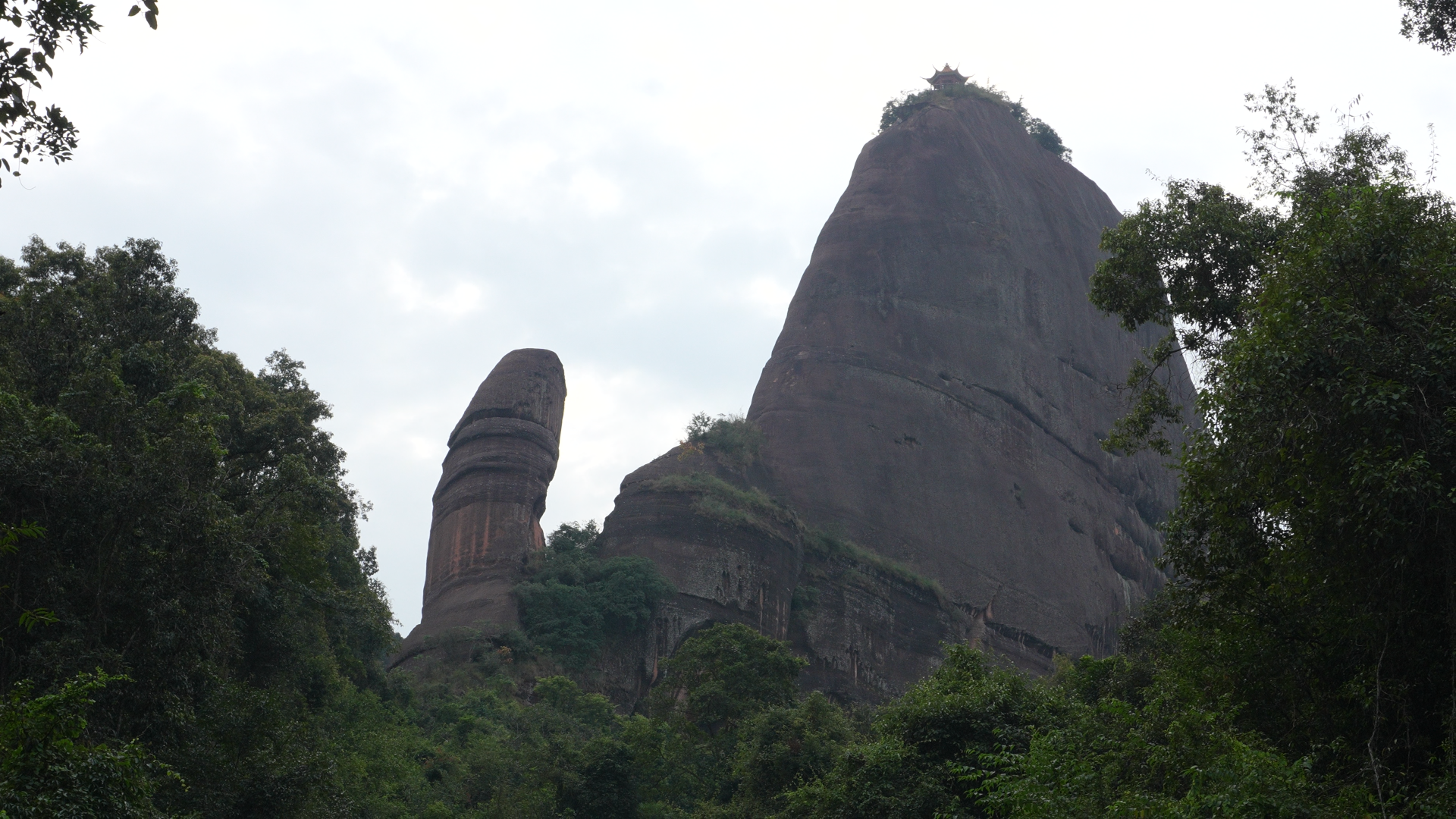
Before the trip, I searched “Danxia Mountain” on Google and saw endless photos of bright red sandstone cliffs and the famous phallic Yangyuan Stone. So I thought we were in for dramatic red rock formations and bold colors.
What we ended up seeing looked completely different.
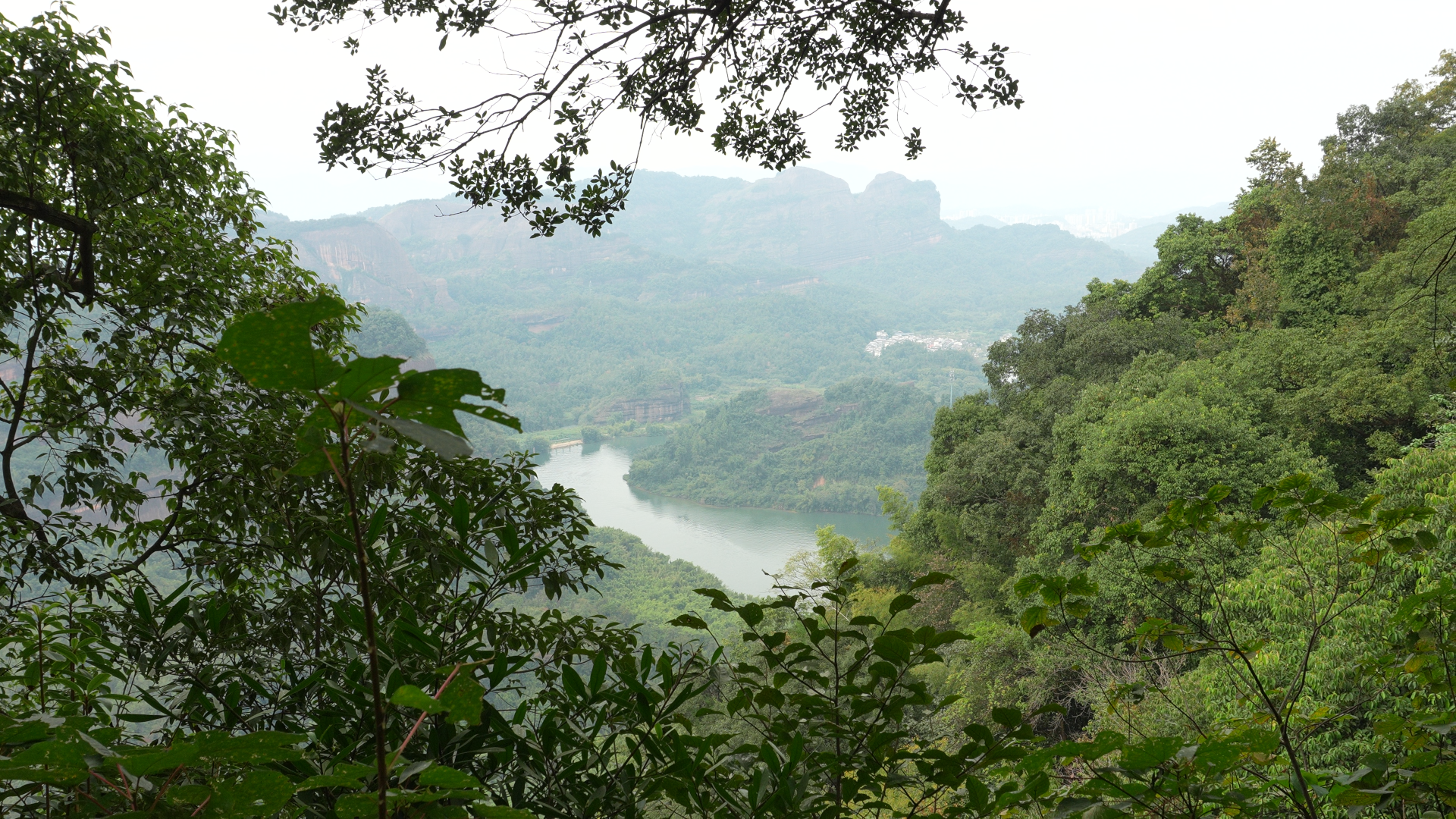
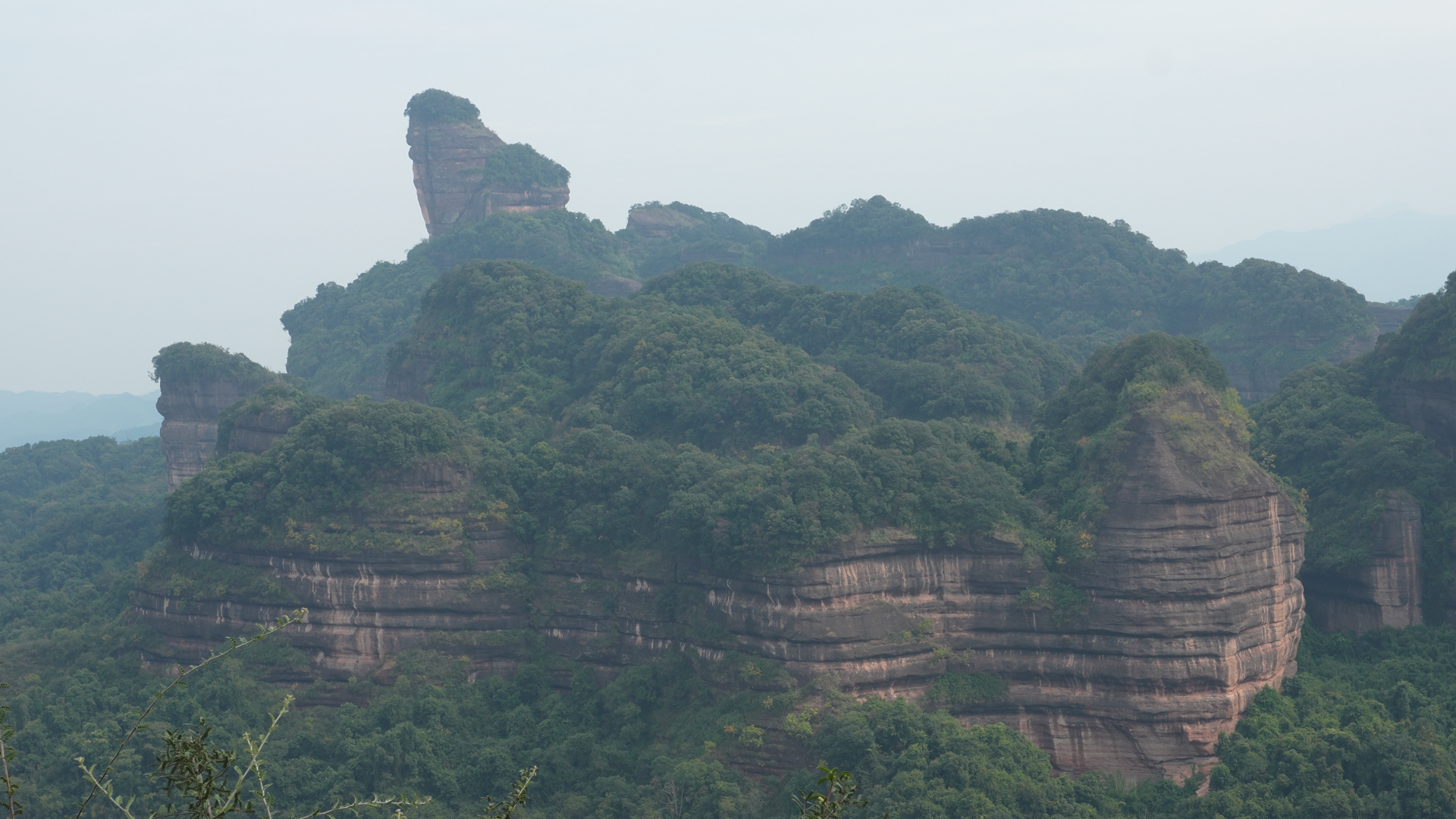
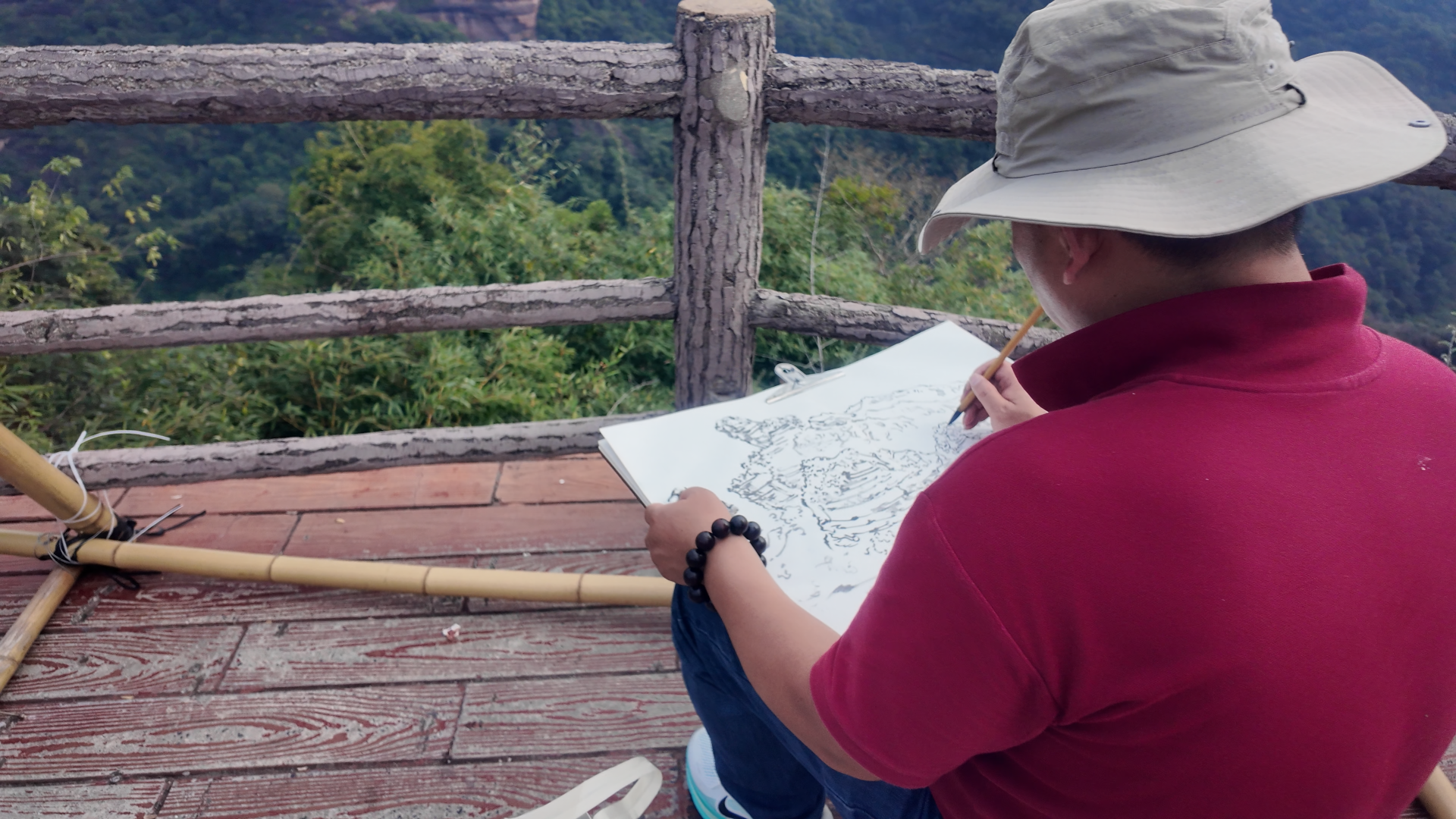
Instead of deep red cliffs, the landscape was covered in lush green forest with layered stone formations peeking out underneath. The scenery was still stunning, From what our guide explained, Danxia Mountain is huge, and different entrances and scenic areas highlight completely different landscapes. The area we visited focused on panoramic overlooks, misty ridge lines, and temple views.
Even so, the views were breathtaking.
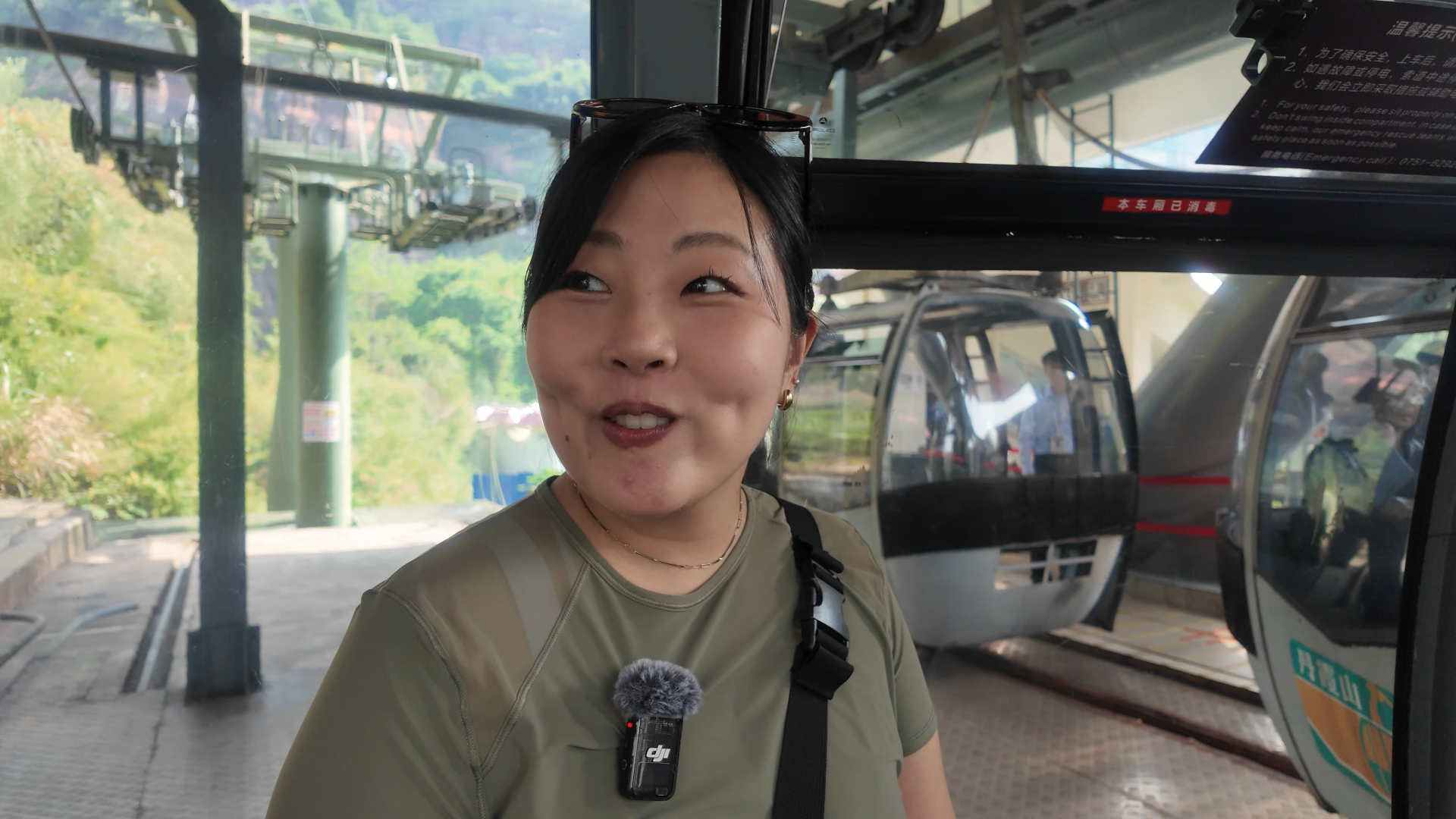
We took a gondola to the top, and as we stepped out, the entire mountain range opened up in front of us. Huge rounded stone formations wrapped in trees. Soft rolling hills layered into the horizon. It looked straight out of a Chinese painting. The deeper we looked, the more details we noticed like temples tucked into the cliffs and tiny red-roofed houses hidden in the valley.
Our guide led us to several scenic viewpoints, all connected by paved walkways and stairs. The paths are well maintained, but be prepared for a lot of climbing. By the time we reached the first platform, I was already sweating, but the view made everything worth it.
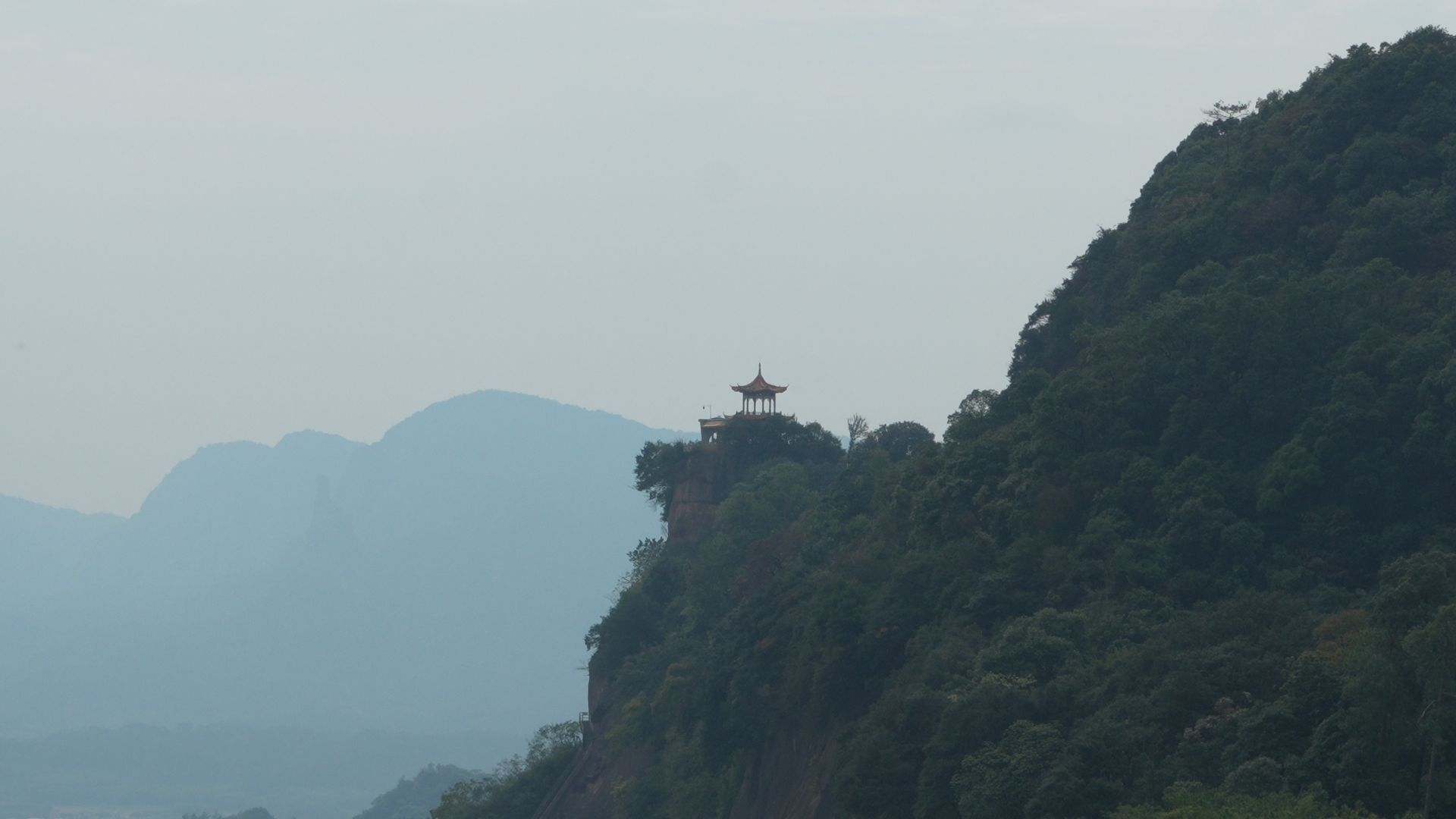
In the distance, a small mountain temple immediately caught our attention. That became our next mission. The hike took about an hour and a half and the final stretch was a steep staircase that completely burned my legs, but the reward at the top was incredible. Each angle of the mountain shows a different type of beauty and the atmosphere felt calm and almost surreal.
On the way back, we were exhausted but so grateful we pushed through the hike. Just note that this isn’t a casual stroll. Bring water, comfortable shoes, and be ready for stairs.
Even though we did not see the classic red cliffs, we loved this version of Danxia. Quiet. Scenic. Peaceful.
Day 3: Maofeng “Golden” Ginkgo Forest
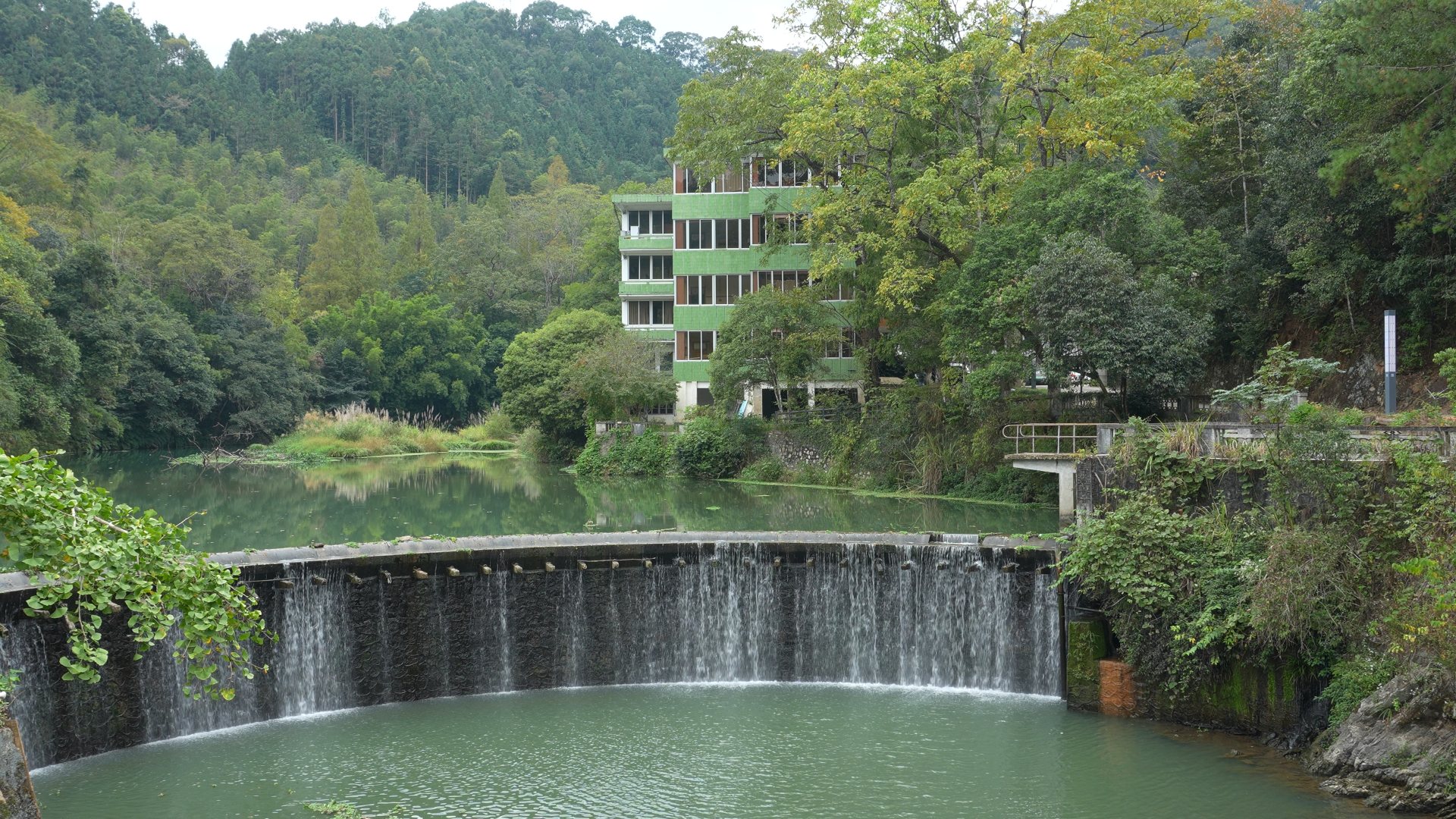

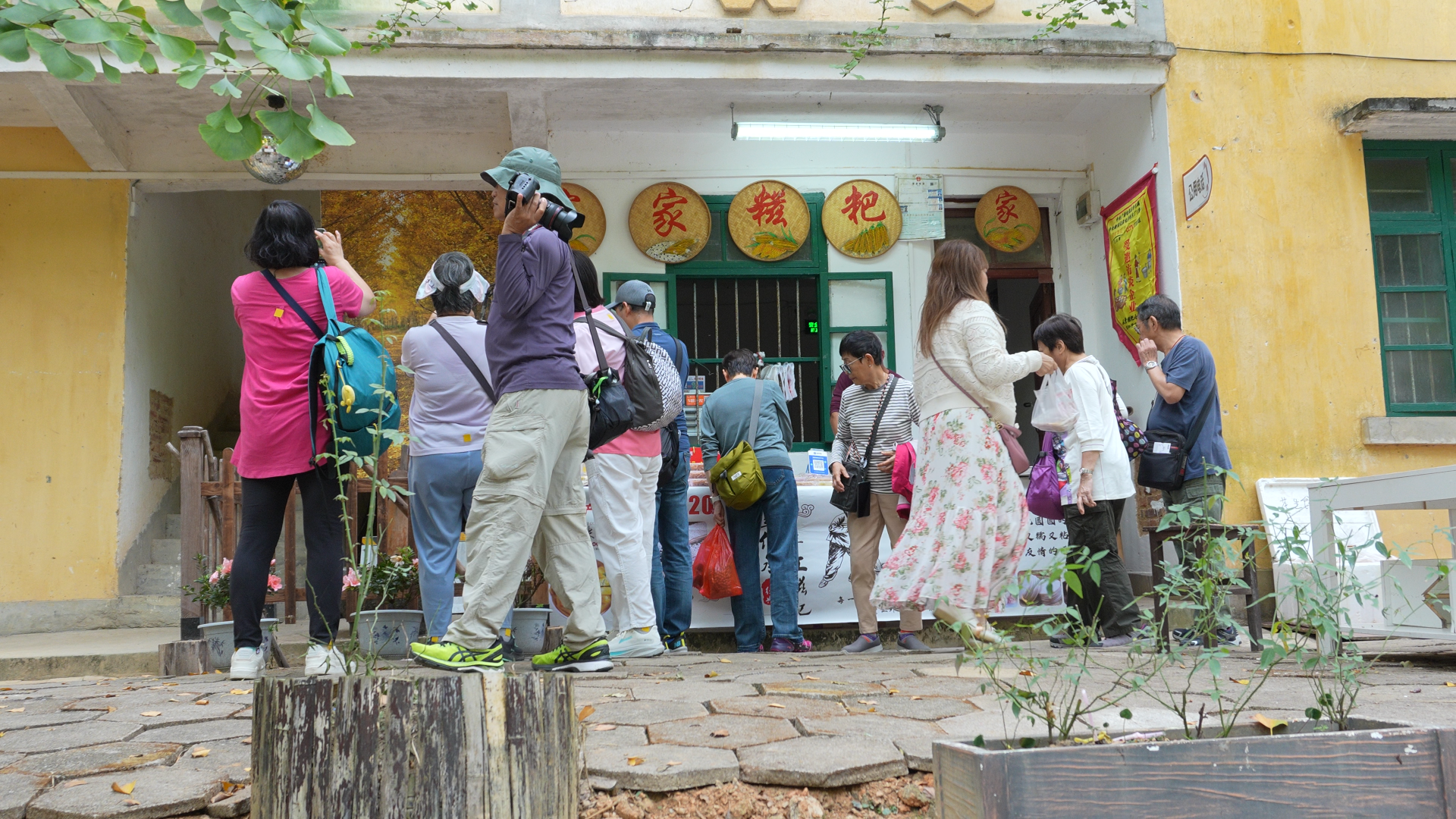
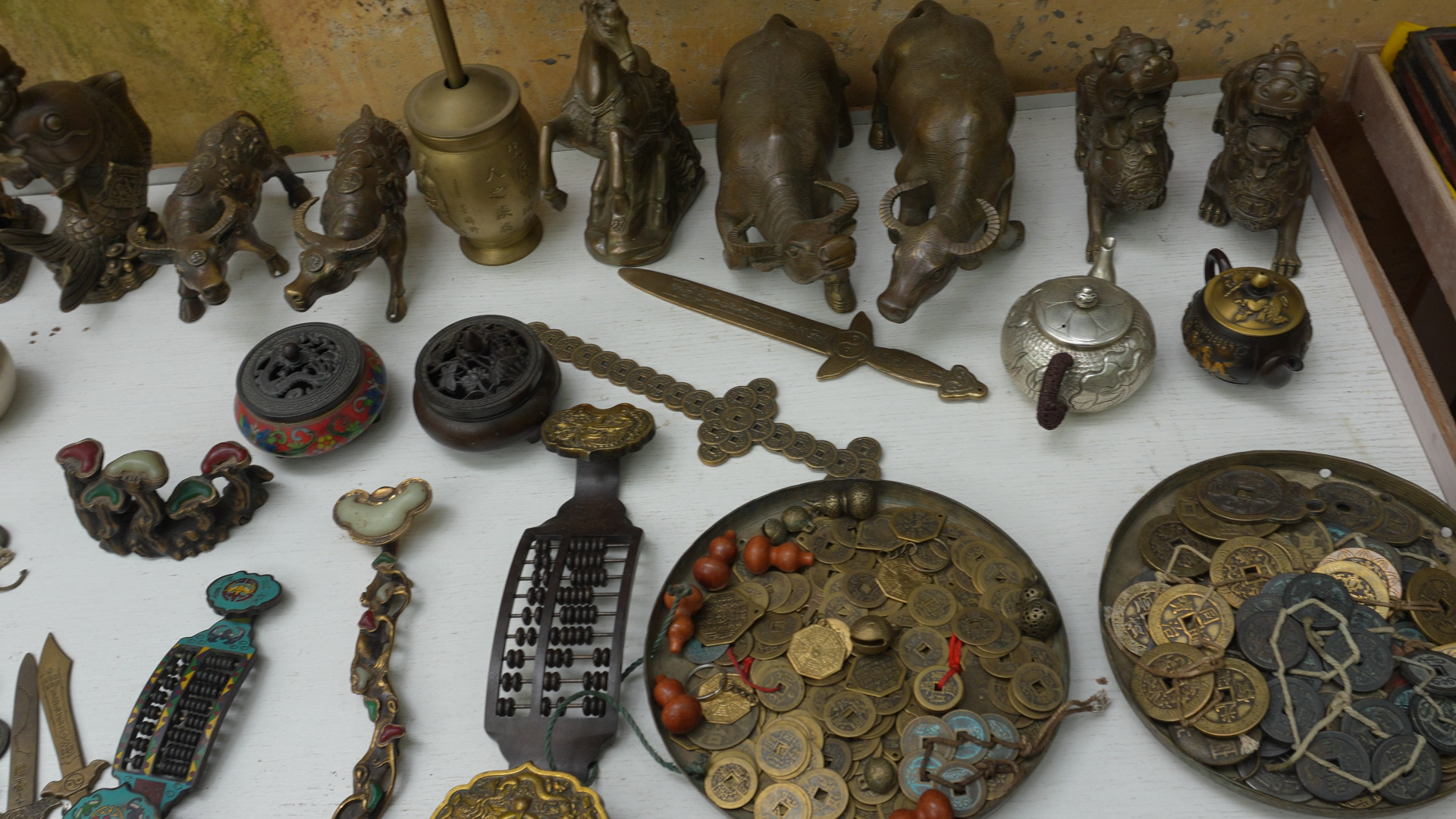
Location: Maofeng, Shaoguan
Best for: Fall foliage, families, easy walks
Time Needed: Two to three hours
Known for: Ginkgo trees, photo spots, seasonal colors
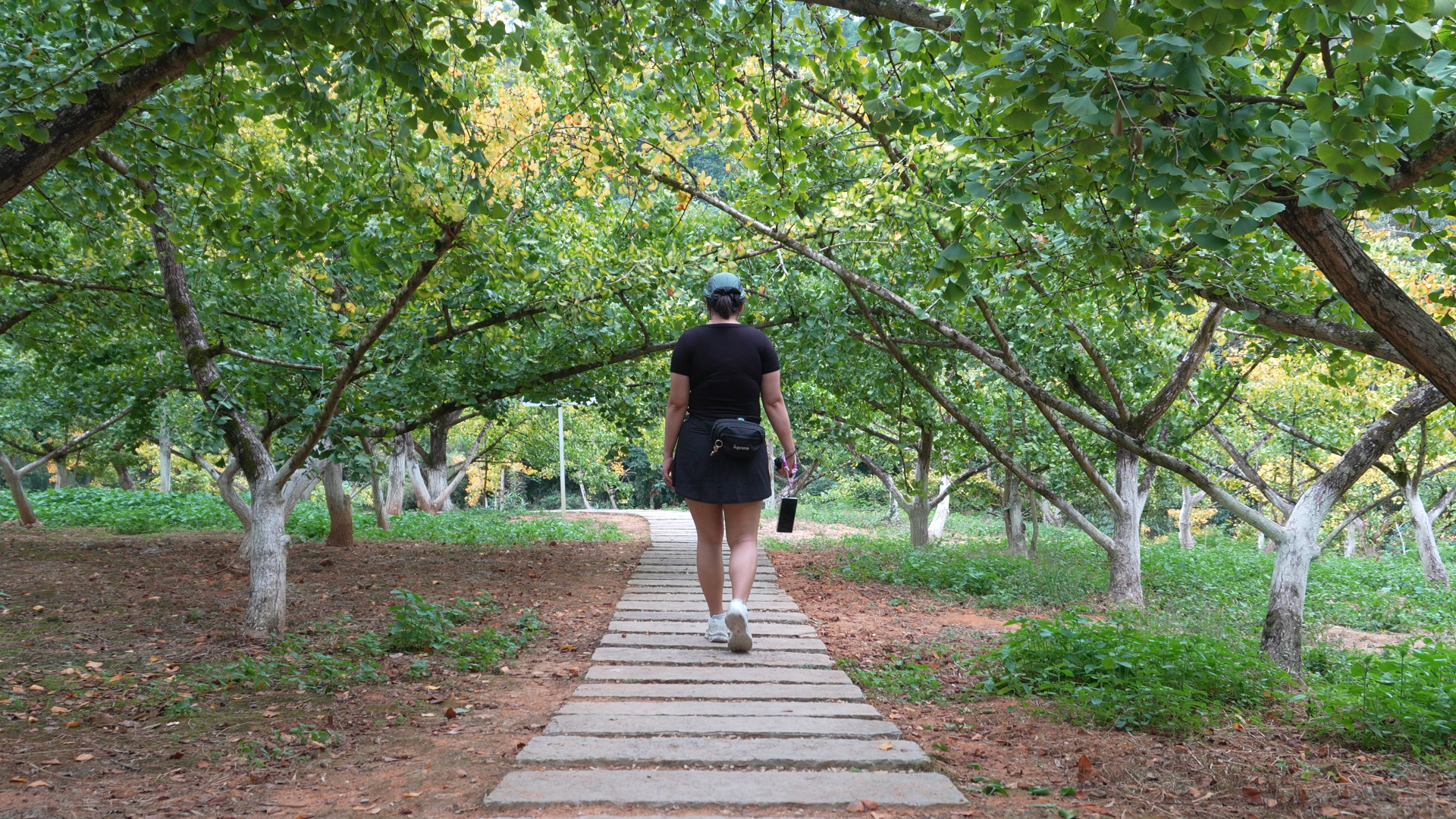
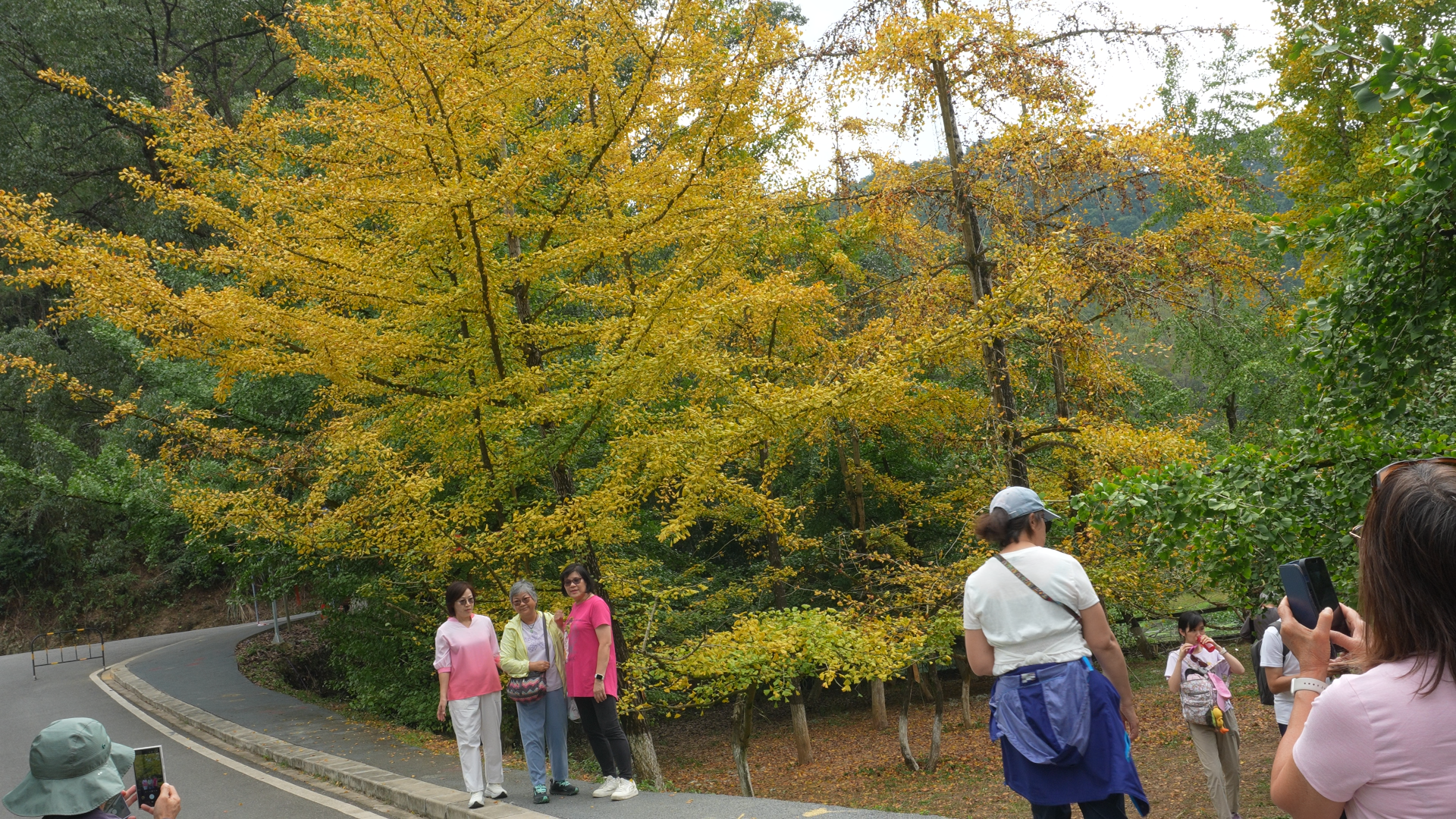
This was the day we were most excited for. The photos online showed glowing golden ginkgo trees lining the mountains. When we arrived, we realized we were a little too early in the season.
The trees were still green and we only found one golden tree in the entire park. It turns out the ginkgos were planted by the town for harvesting and later became a tourist attraction.
Even without the golden leaves, the park had a lively atmosphere. Vendors sold roasted chestnuts and colorful Yunnan peanuts. We loved the rainbow peanuts and bought a few bags to bring home. Inside the park there were murals, small food stalls, and retro souvenir stands.
If you want to see the forest at its peak, the best time is late November to early December. We were about one week early.
Day 4: Nanhua Temple and North River Cruise


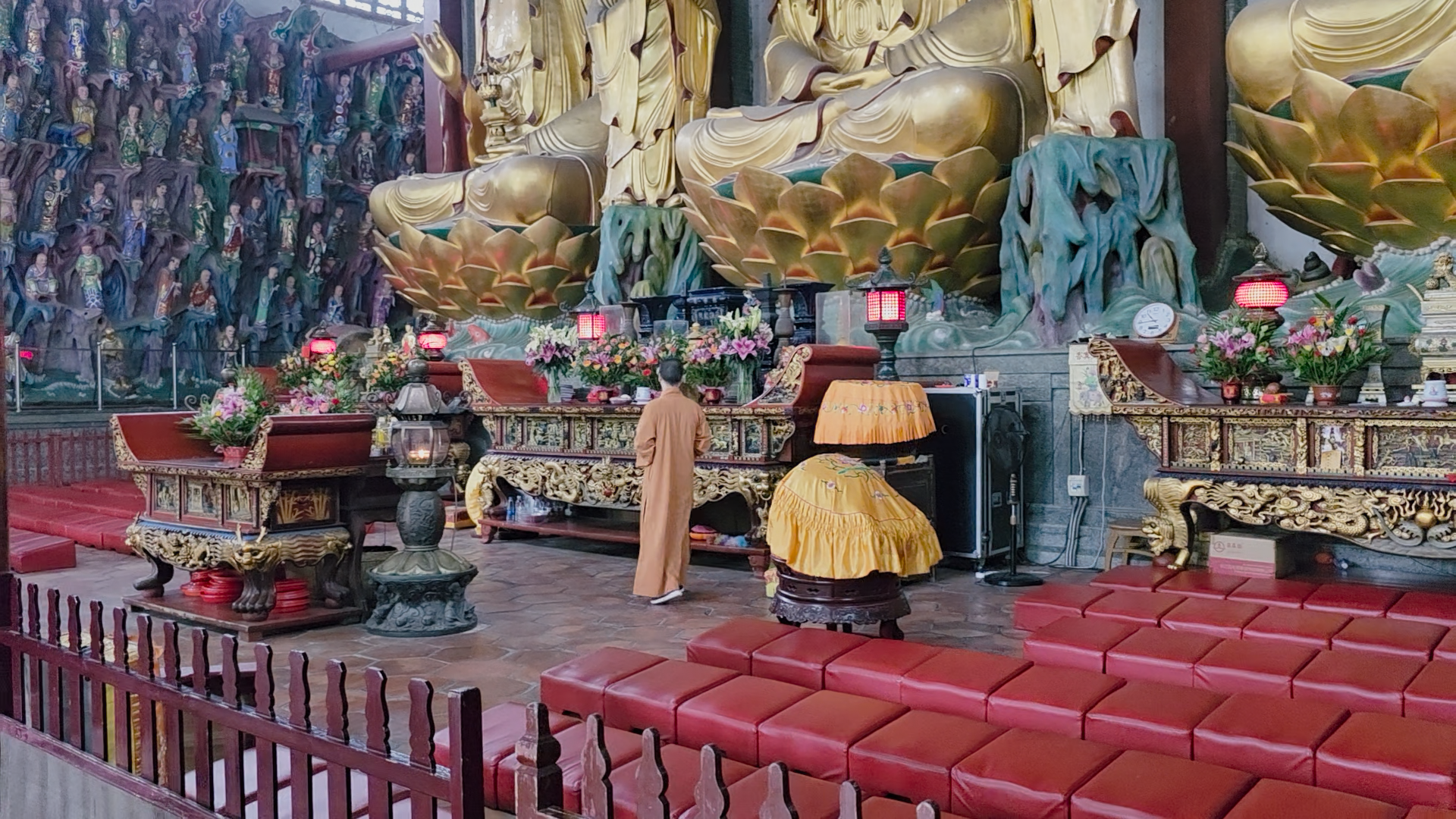




Location: Nanhua Temple, Qujiang District
Best for: Culture lovers and anyone interested in real Buddhist history
Time Needed: Morning at the temple, afternoon for the cruise
Known for: Sixth Patriarch Huineng, 1,500 years of history, Yuan dynasty halls, ancient relics
Nanhua Temple is one of the most important Chan Buddhist sites in China. The temple sits in the town of Maba, about 25 kilometers southeast of Shaoguan. It was founded in 502 AD during the Northern and Southern Dynasties by an Indian monk named Zhiyao Sanzang. The original name was Baolin Temple. It was renamed Nanhua Temple during the Song dynasty in 968.
The temple is large. It covers over 42 hectares and holds several historic buildings. The Hall of Four Heavenly Kings. The Mahavira Hall. The Sixth Ancestor Hall. Zangjing Pavilion. Lingzhao Pagoda. More than 690 Buddhist statues sit across the grounds.
Inside the Mahavira Hall you will find three huge gilded statues. Shakyamuni. Bhaisajyaguru. Amitabha. Each one stands more than eight meters tall. The hall also houses hundreds of clay arhat sculptures. Some sections of the temple contain relics from the Northern Song dynasty. These include wooden carvings and a rare embroidered cassock with over one thousand tiny Buddhist figures.
The Sixth Ancestor Hall is the most meaningful site. This is where the mummified body of Huineng is enshrined. Huineng is the Sixth Patriarch of Chan Buddhism and one of the most influential figures in Chinese Buddhist history.
A detail many visitors miss. Do not step on the raised wooden beam when entering any hall. Step over it. Men use the left foot. Women use the right. It is a sign of respect. Ian stood at the entrance and watched the flow of visitors. Almost everyone followed the rule.
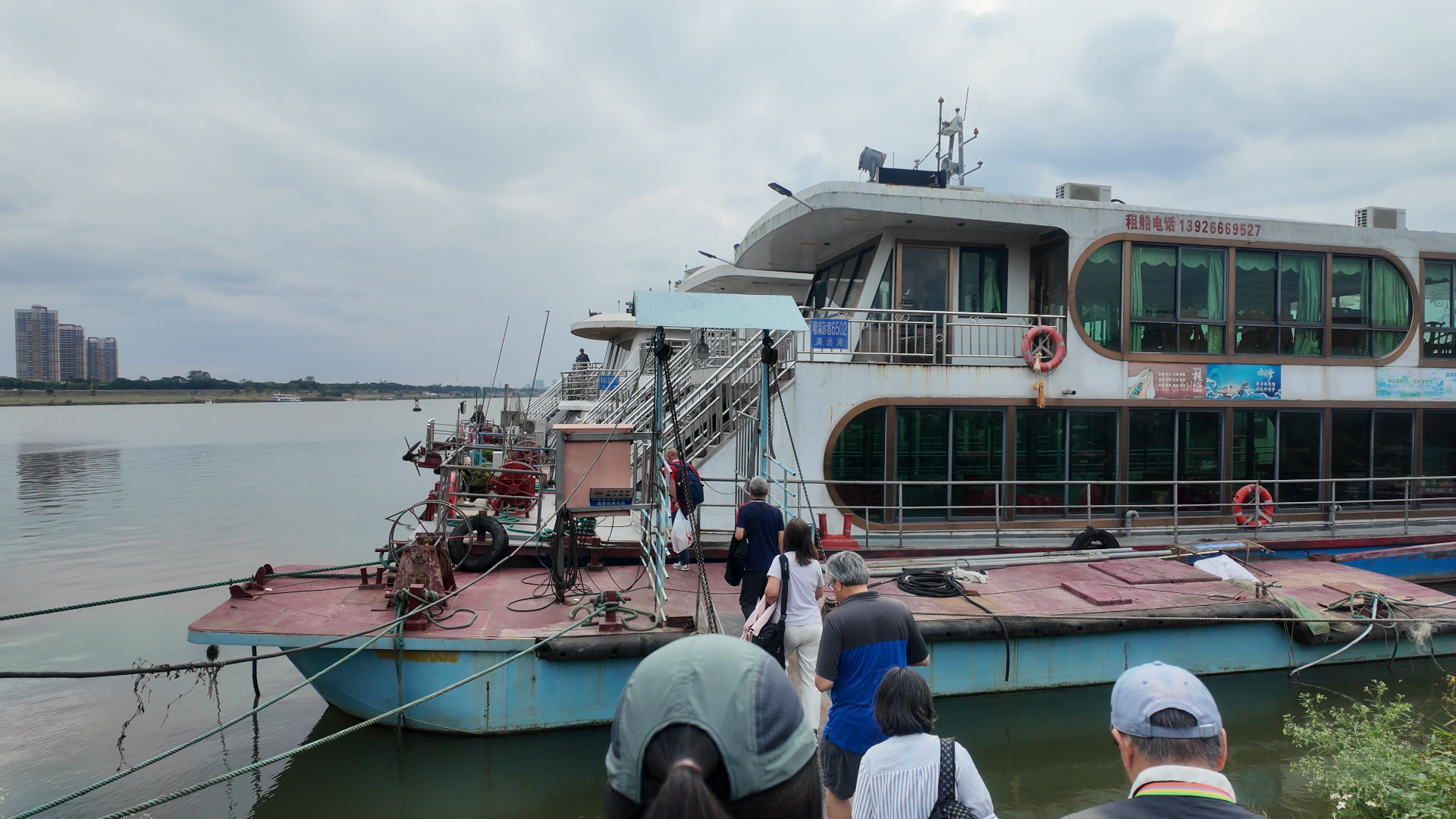
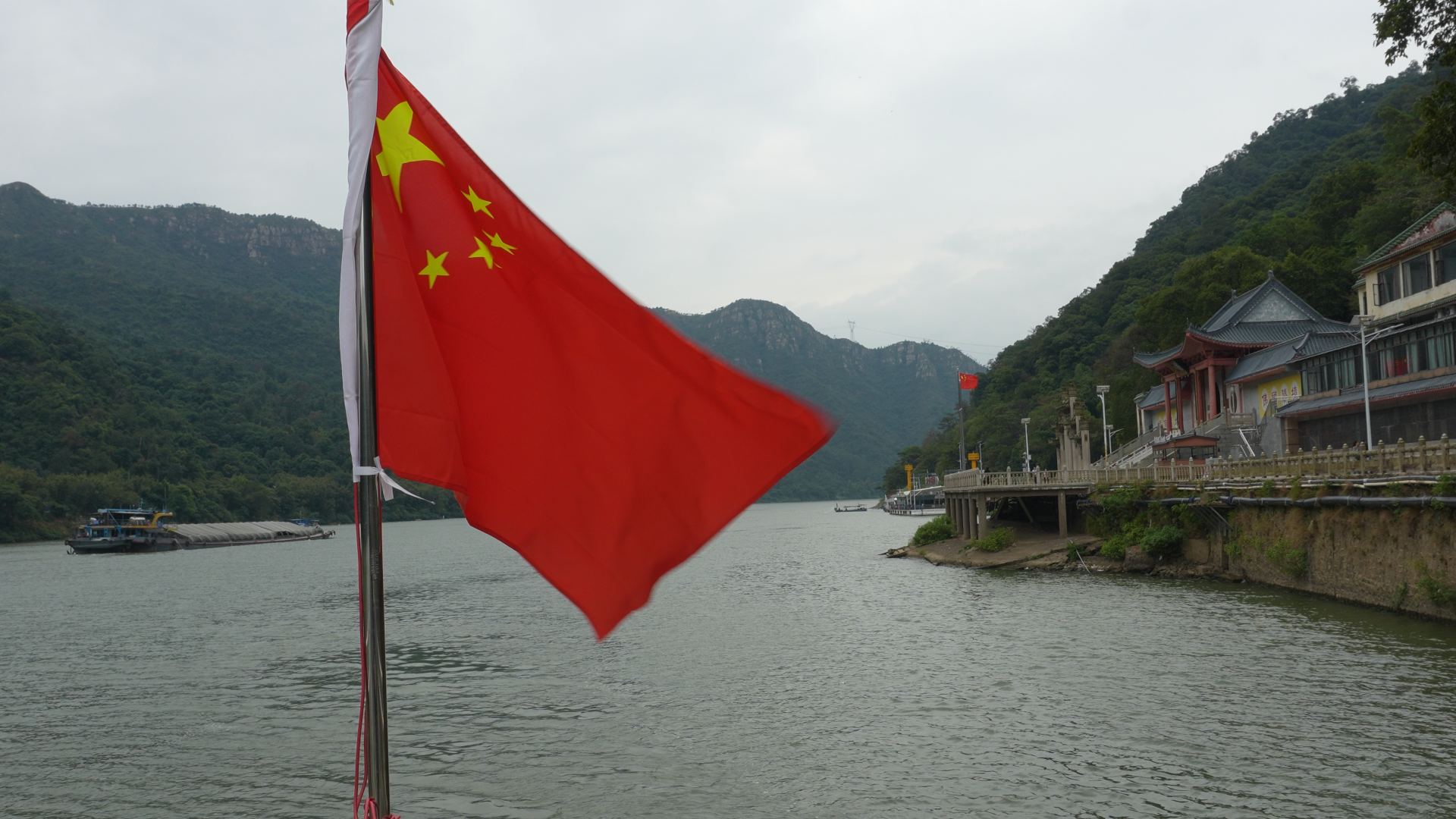
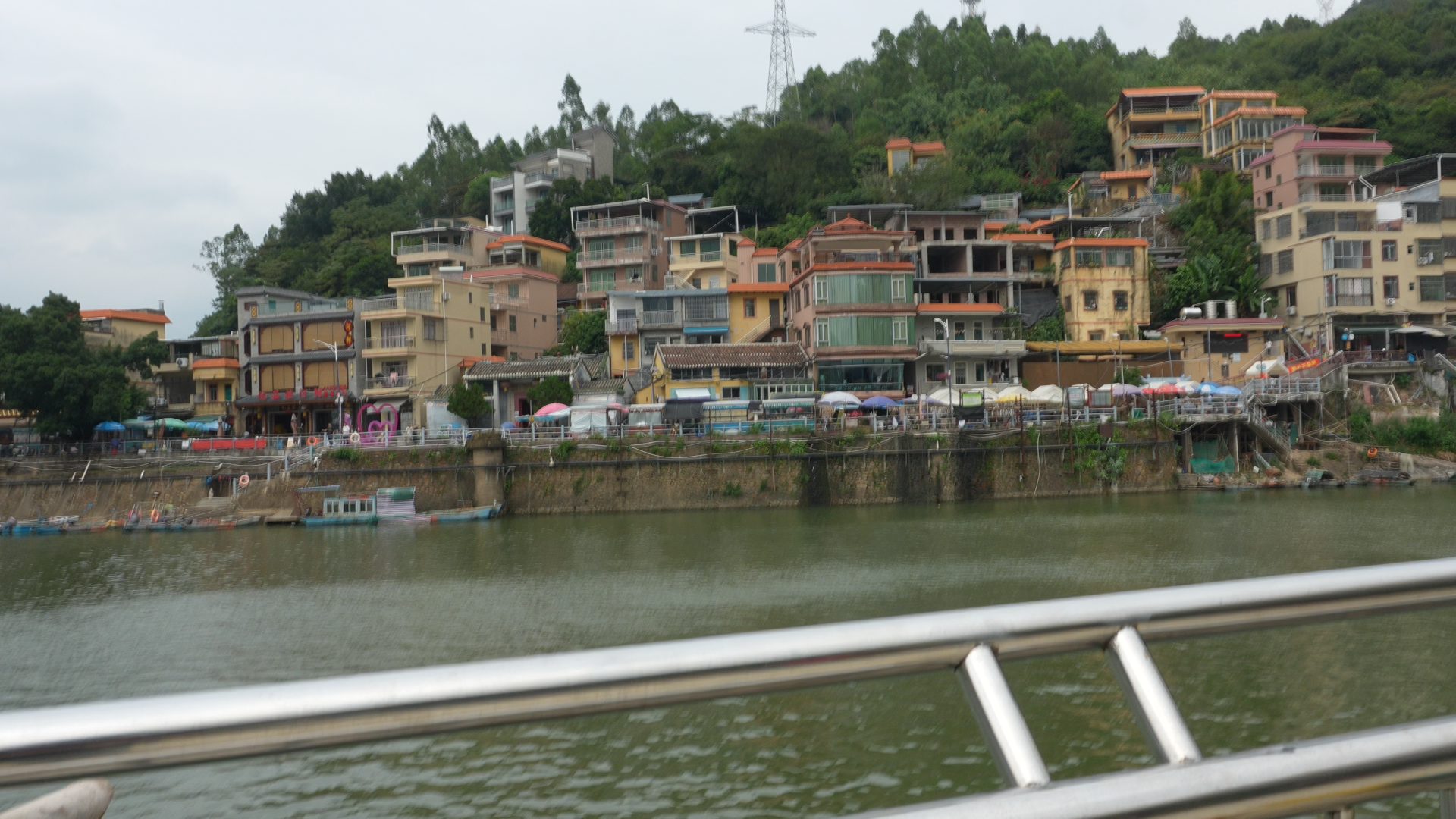
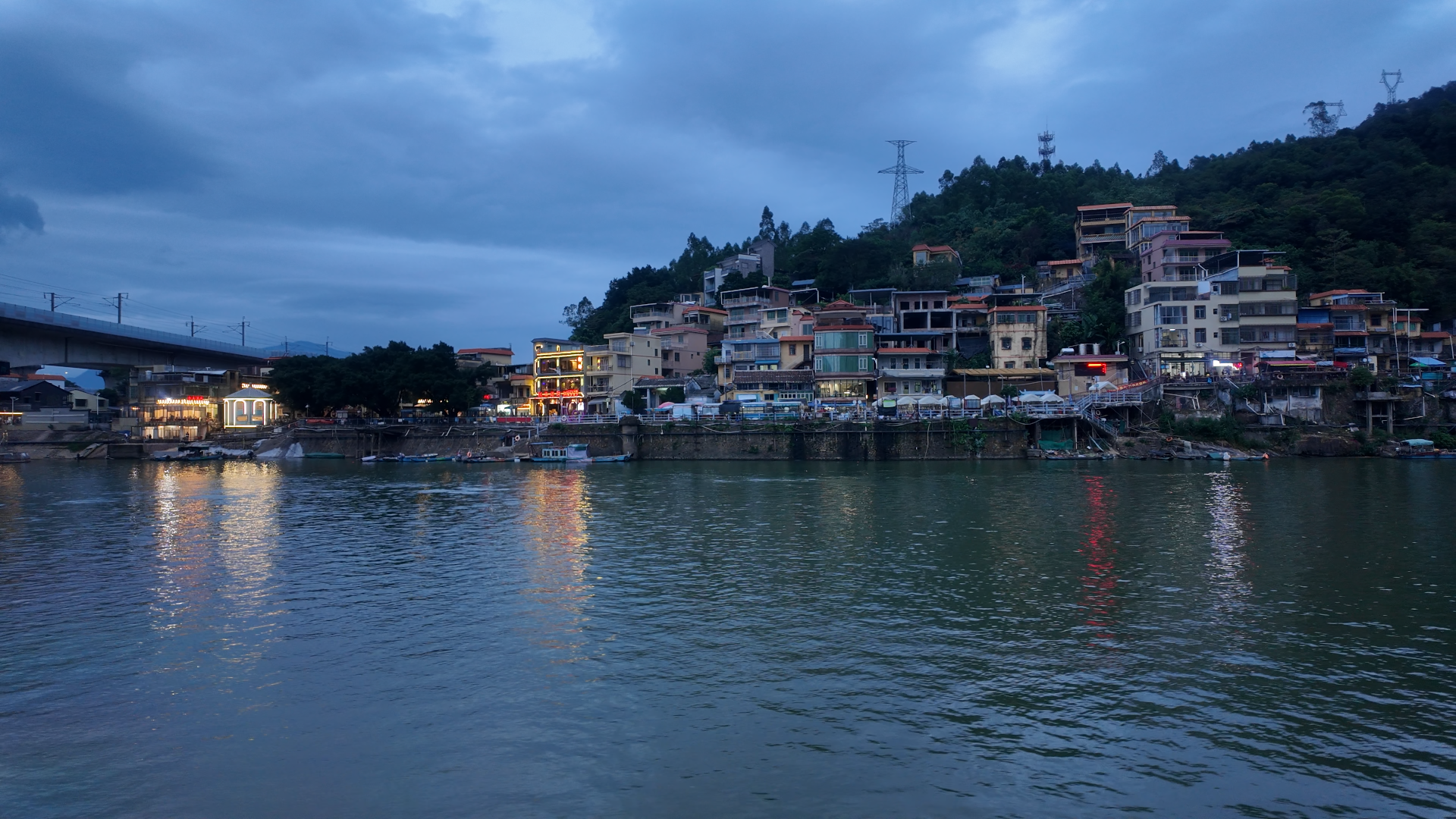
After exploring the temple we had lunch and joined a simple afternoon river cruise along the North River. This cruise is used by locals. People come to relax, play mahjong, sing karaoke, and enjoy the landscape. The views were peaceful. Forested cliffs. Calm water. Small temples tucked into the hillsides.
We made a quick stop at Fulao Temple. It was a short visit. After seeing Nanhua Temple earlier in the day it felt less significant but the river ride itself was worth the trip. Quiet scenery and a slow pace made it a nice break between the bigger attractions.
Day 5: Gulongxia Scenic Area & the Famous Glass Bridge




Location: Gulongxia Scenic Area, Qingyuan City
Best for: Thrill seekers, families, and anyone who loves dramatic scenery
Time Needed: Half day to a full day
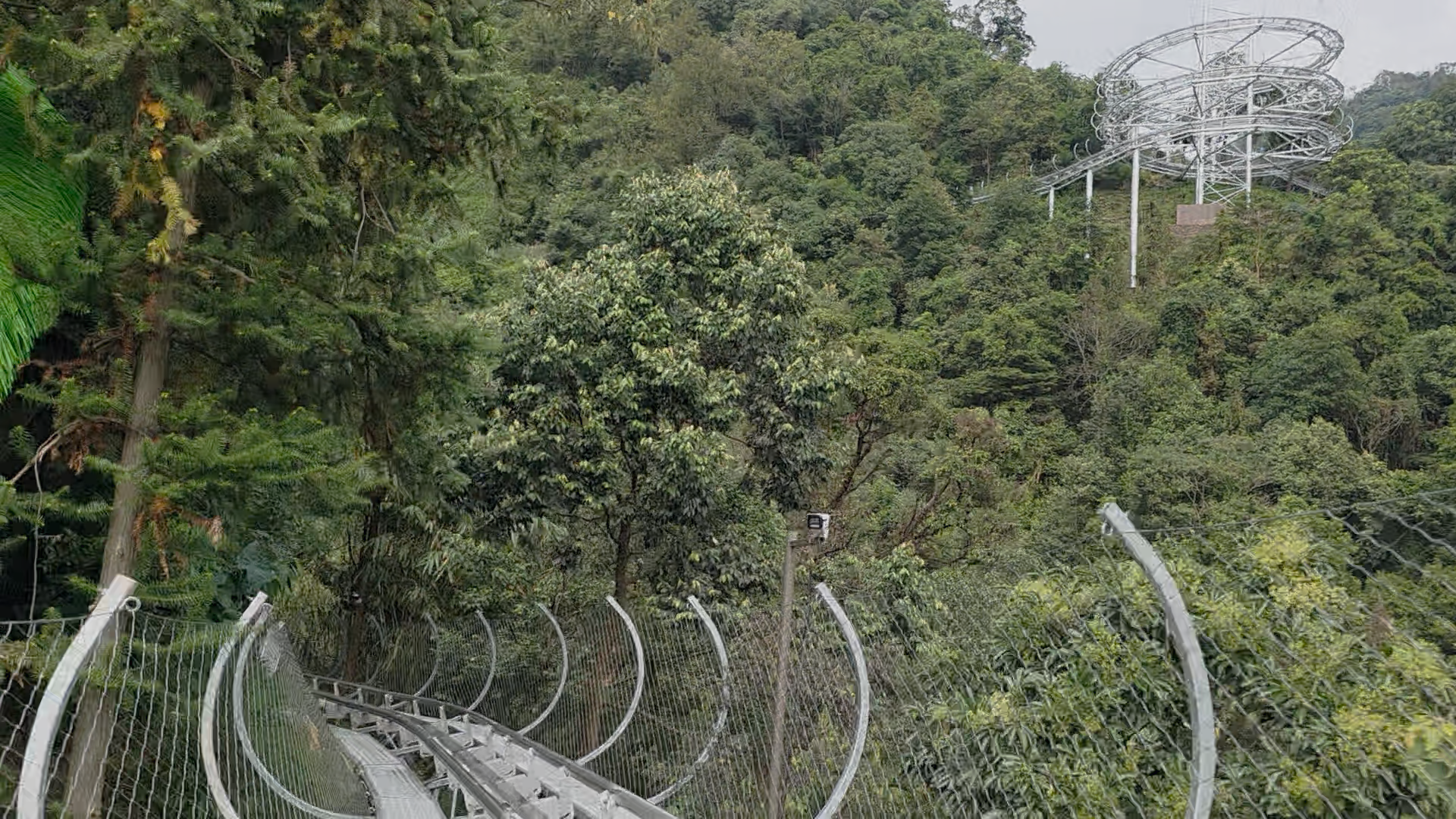
Known for: Glass bridge, rainforest canyon, waterfalls, mountain coaster
Gulongxia is one of the most popular attractions near Guangzhou. It is about one hour from the city center and easy to reach by car or tour bus. The park blends real canyon scenery with fun, theme park style activities that make it perfect for a full day out.
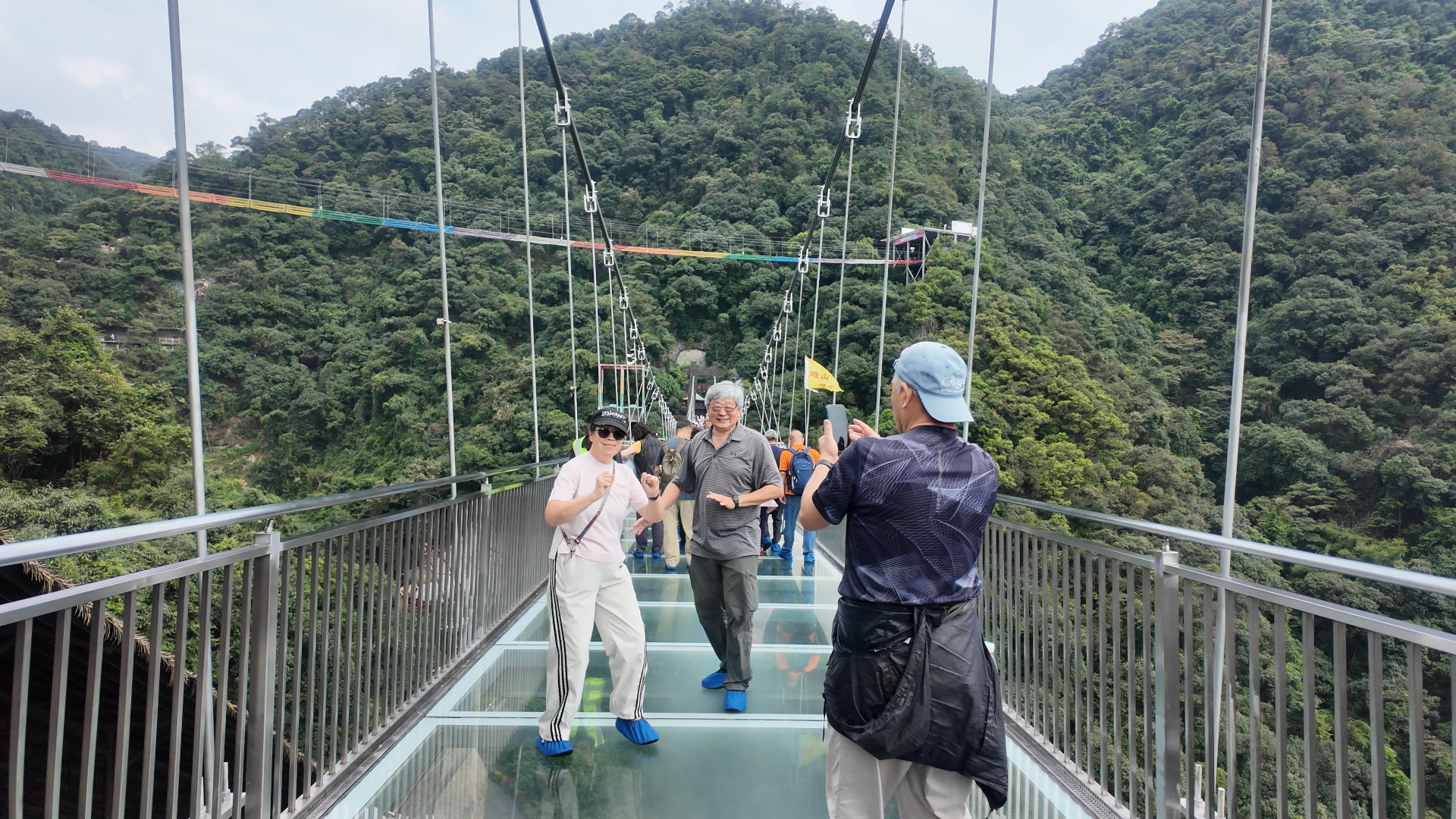
The highlight here is the famous glass platform and glass bridge. The Gulongxia Glass Platform opened in 2018 and is known for its length at seventy two meters. The platform extends out over a deep gorge with a waterfall directly below. The combination of height and rushing water makes the view dramatic. People visit from all over China for photos and the experience.
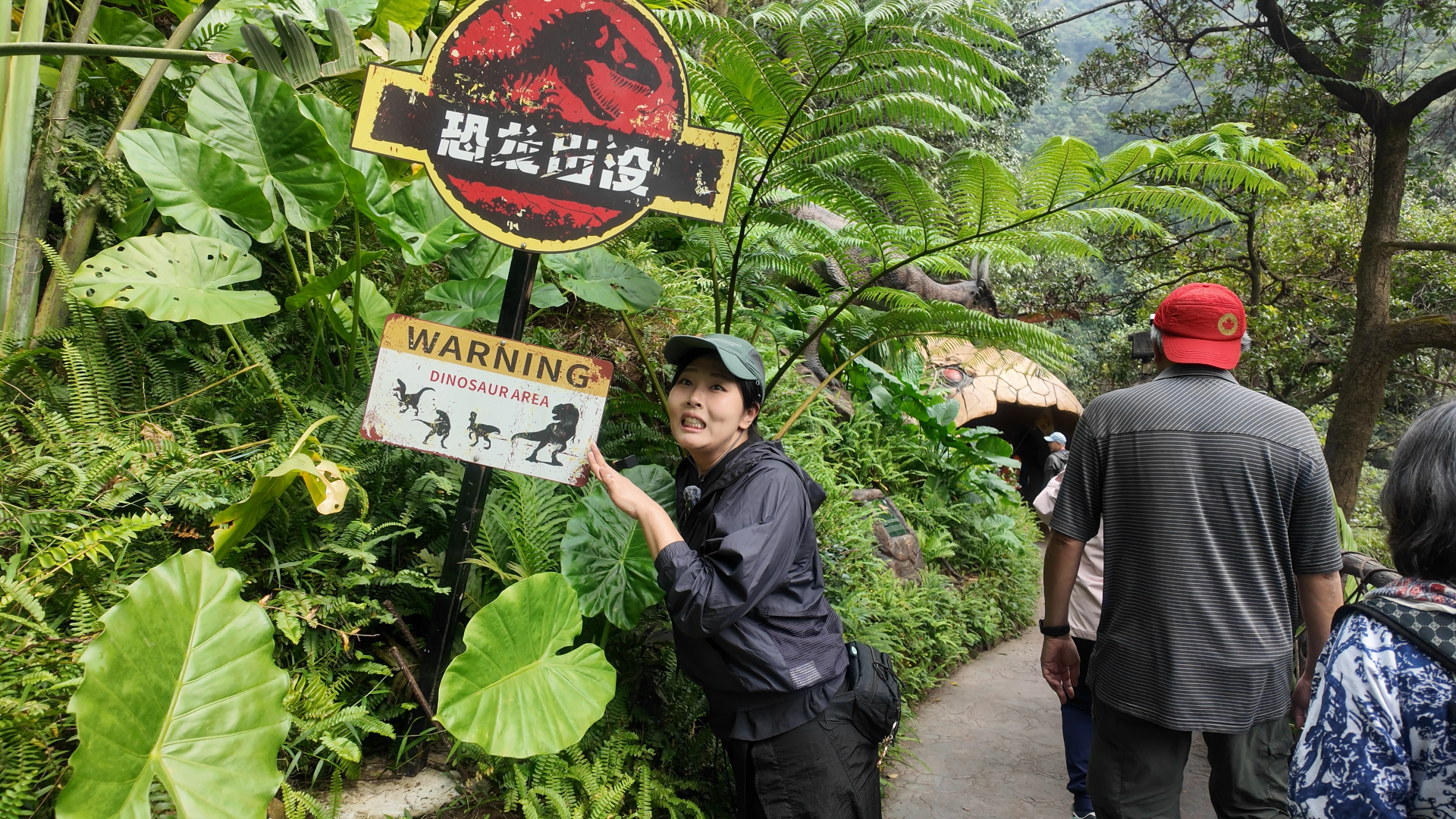
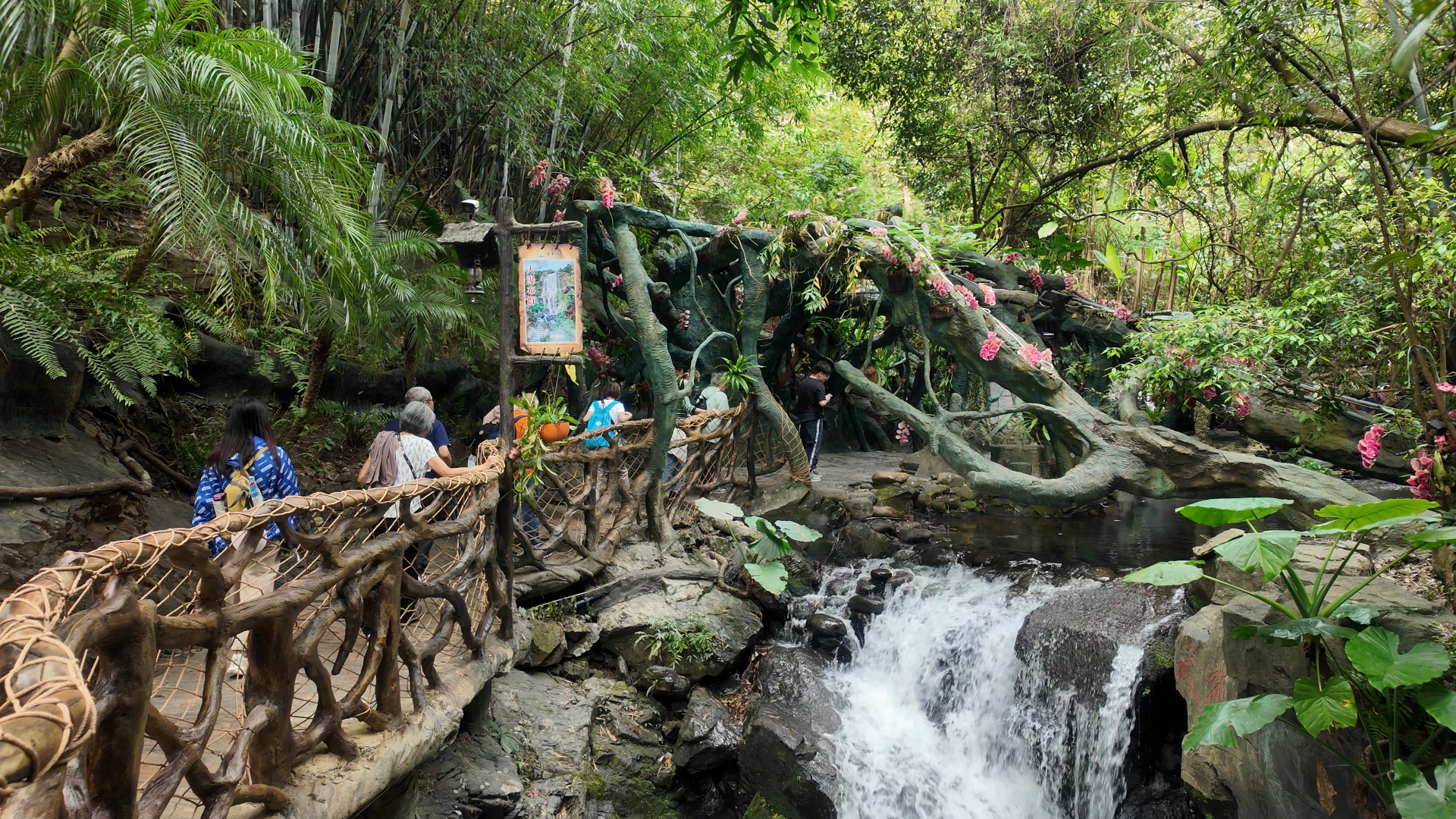
Our visit started with a short shuttle ride up the mountain. From there we followed a walking trail that was designed to be entertaining. Mechanical dinosaurs move and roar. Small suspension bridges sway over the path. There are photo spots tucked into different corners. It feels playful and keeps the walk interesting.
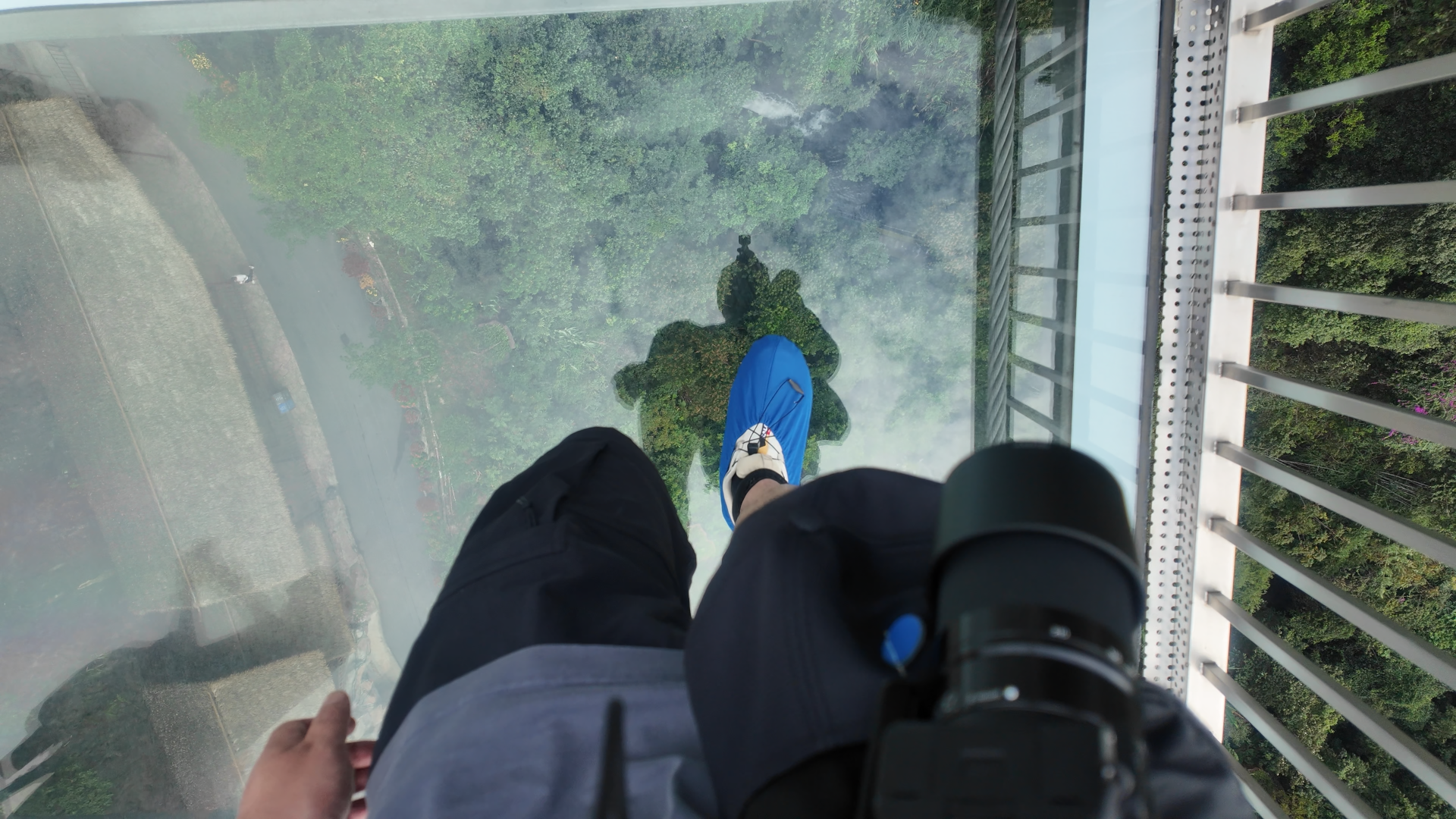
The glass bridge sits at the top of the trail. This was the most intense part for me. I have a fear of heights so stepping onto clear glass took a minute. You put on protective shoe covers and then walk across at your own pace. The views are beautiful. A canyon filled with trees. Cliffs on both sides. Waterfalls below. It feels safe but the height gives you a proper adrenaline rush.
At the end of the bridge is the mountain roller coaster. It cost us 88 RMB to ride. You control the speed yourself which makes it fun for both cautious and adventurous riders. The descent takes you through the forest with open views of the canyon. It was my favorite part of the day and a great way to end the trip.
Gulongxia was the perfect final stop of our five day tour. It had energy. It had scenery. It had enough activities to keep everyone in our group entertained from kids to seniors. If you want one big, memorable experience near Guangzhou, this is a great choice.
Final Thoughts
This five day rural tour changed our view of China. The landscapes felt untouched. The temples held centuries of history. The hot springs were the perfect welcome after long flights. If you want to see a quieter, more nature focused side of Guangdong, this route is worth adding to your itinerary.
This was only the beginning of our 202 day Asia journey. Starting with this tour gave us the perfect foundation for everything that followed.
If you want visuals, watch our full YouTube episode. We included all the highlights, costs, and first impressions to help you plan your own trip.
Keywords for SEO
RuralChina, #ChinaTravel, #ChinaVlog, #HiddenChina, #ChinaCountryside, #DanxiaMountain, #ChinaNature, #TravelChina, #ChineseFood, #AsiaVlog, #ChasingTheChungs, #UnderratedChina, #HotSpringsChina, #ChinaTrip, #ExploreChina, #BudgetTravel, #ChinaAdventure, #GuangdongTravel, #TravelVlog, #CGILandscapes
 chasingthechungs.com
Leave a comment