How we explored the land of Hot pot
Chongqing was one of the cities we were most excited about during our 202-day Asia trip. After a quick high-speed train ride from Chengdu, we stepped into a city that feels like the future. Layers on layers. Bridges stacked above each other. Buildings rising from cliffs. Streets sitting on the 22nd floor. This place doesn’t behave like a normal city.
If you watched our YouTube episode, this is the full guide with all the spots, routes, tips, and honest opinions so you can plan your own Chongqing adventure.
Day 1: Old Streets, Sky Platforms, and Hot Pot Sweat
Jiefangbei Pedestrian Street 解放碑步行街
Pijie Old Hot Pot 沛杰老火锅 (Raffles City Branch)
Day 2: Wulong Karst and Longshui Gorge – Nature Day With a Plot Twist
Wulong Karst Tourist Area 武隆喀斯特旅游区
Day 3: Old Streets, Trains & the Cyberpunk Glow of Hongya Cave
Day 1: Old Streets, Sky Platforms, and Hot Pot Sweat
Kuixing Building 魁星楼
Map: https://maps.app.goo.gl/8iEkrxdqwH2QbDY19
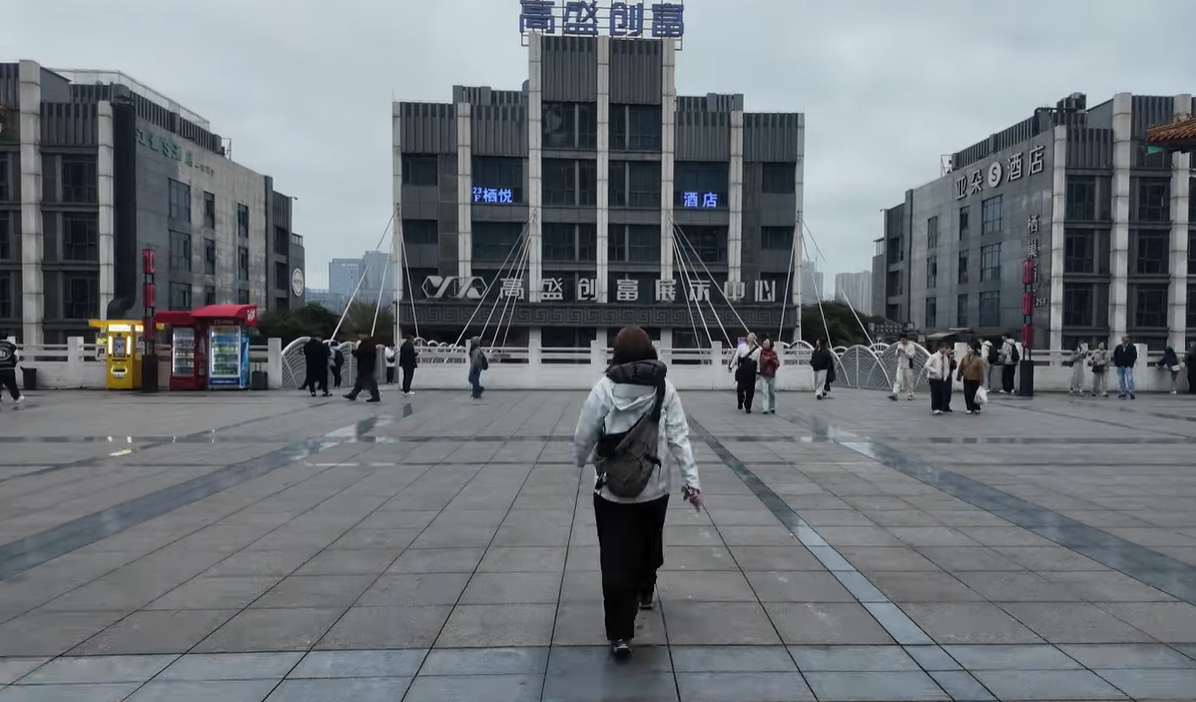
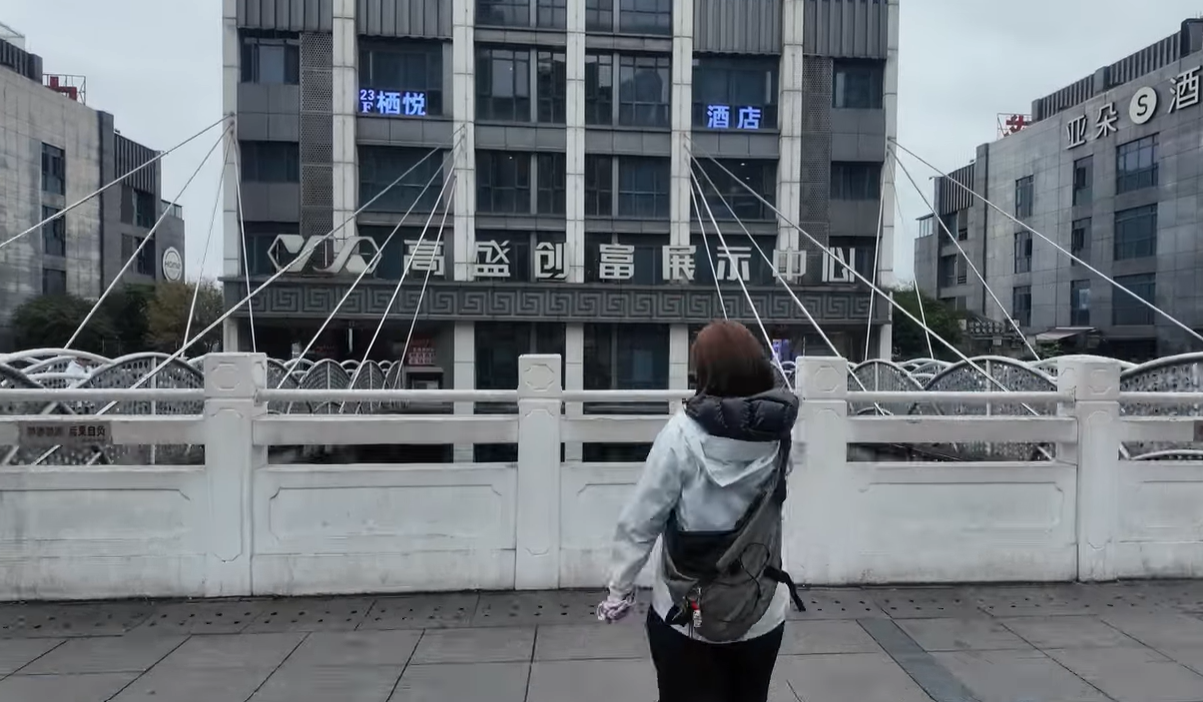
We started our Chongqing itinerary with the Kuixing Building, a 200-year-old landmark once used by scholars to pray for wisdom. Today it’s one of the most unique spots in the city.
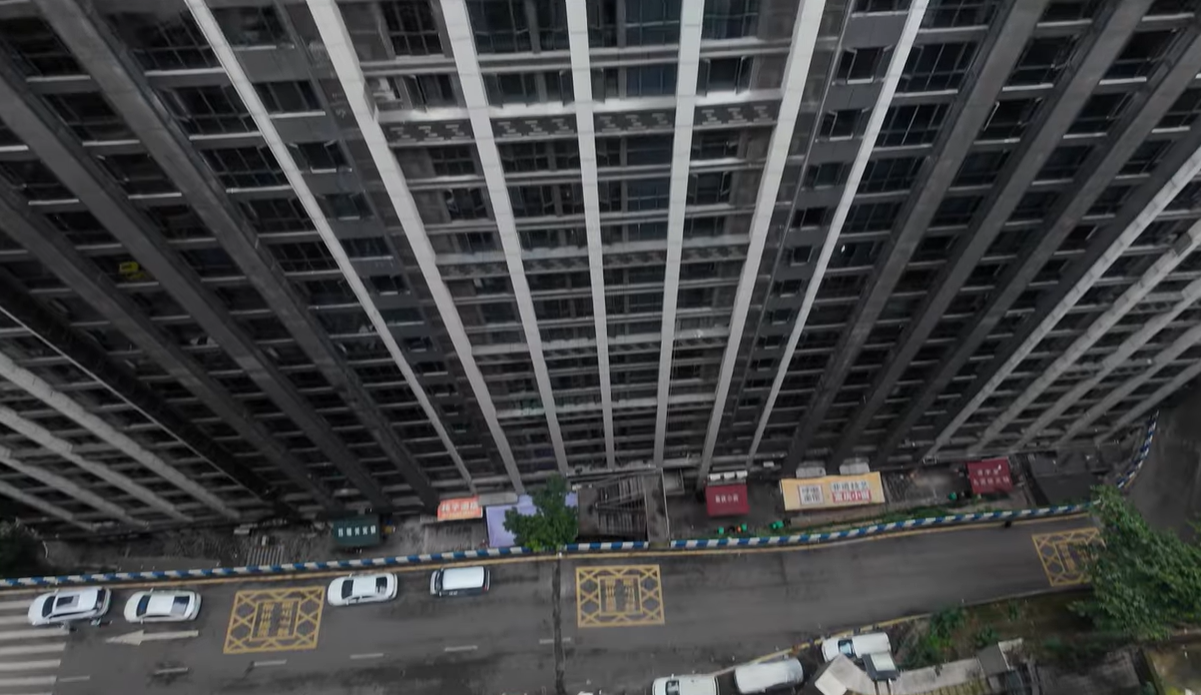
The ground floor is also the 22nd floor. Yes. You read that right.
You stand inside the building thinking you’re on level one. Then you look out the window and realize you’re hovering above bridges and roads. This is the moment Chongqing’s famous vertical layout hits you. The sense of height creeps in only when you look down.
It’s the perfect intro to a city built in layers.
Jiefangbei Pedestrian Street 解放碑步行街
Map: https://maps.app.goo.gl/w5iHfmDU3tefWSKg6
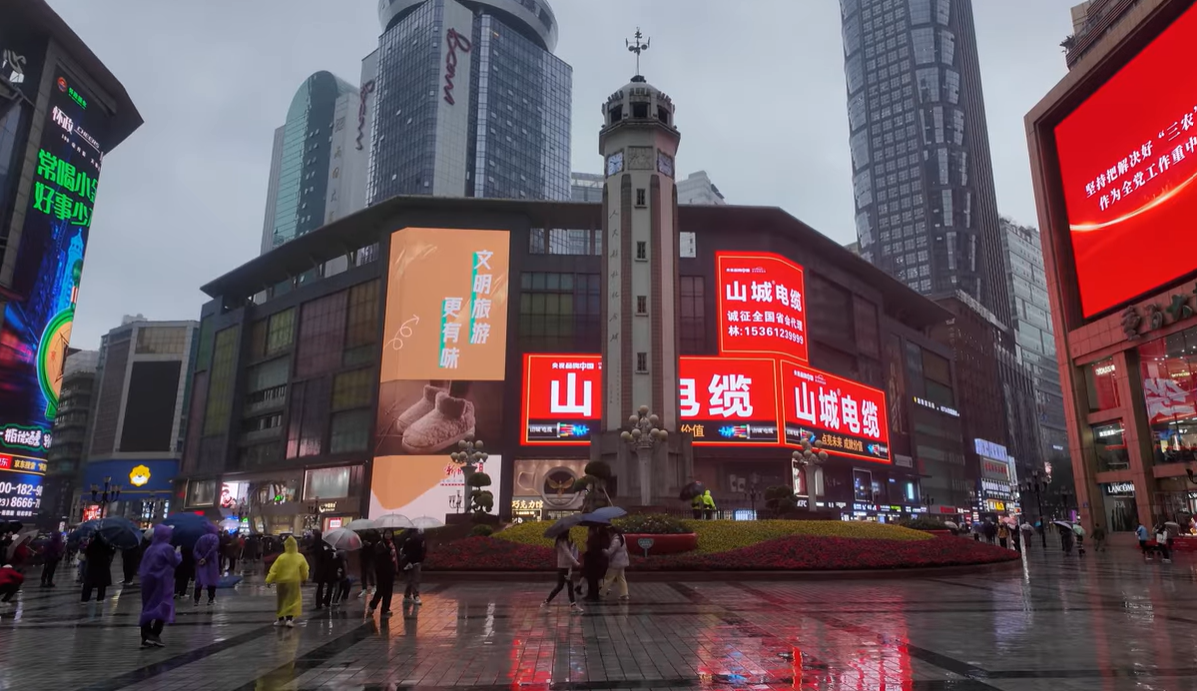
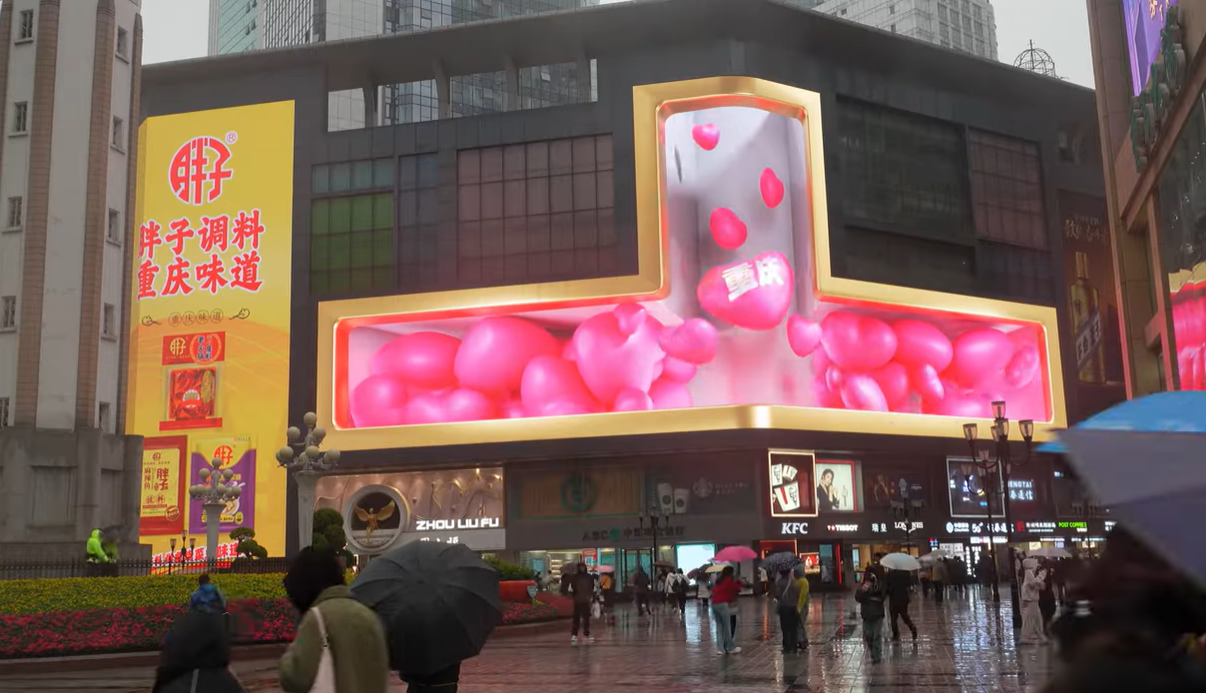
A short walk from Kuixing Tower is Jiefangbei, one of Chongqing’s busiest districts.
Even on a rainy day, people were taking photos in front of the Liberation Monument. The monument was originally built after the Second Sino-Japanese War as a symbol of victory and peace, and today it sits at the intersection of three major streets.
It’s usually packed, but rain chased most people away. We got a quieter version of what is normally a buzzing square.


Pijie Old Hot Pot 沛杰老火锅 (Raffles City Branch)
We planned to visit Hongya Cave on our first night, but the rain turned into a full downpour. So we did what any cold, soaked travelers would do.
We went for hot pot.
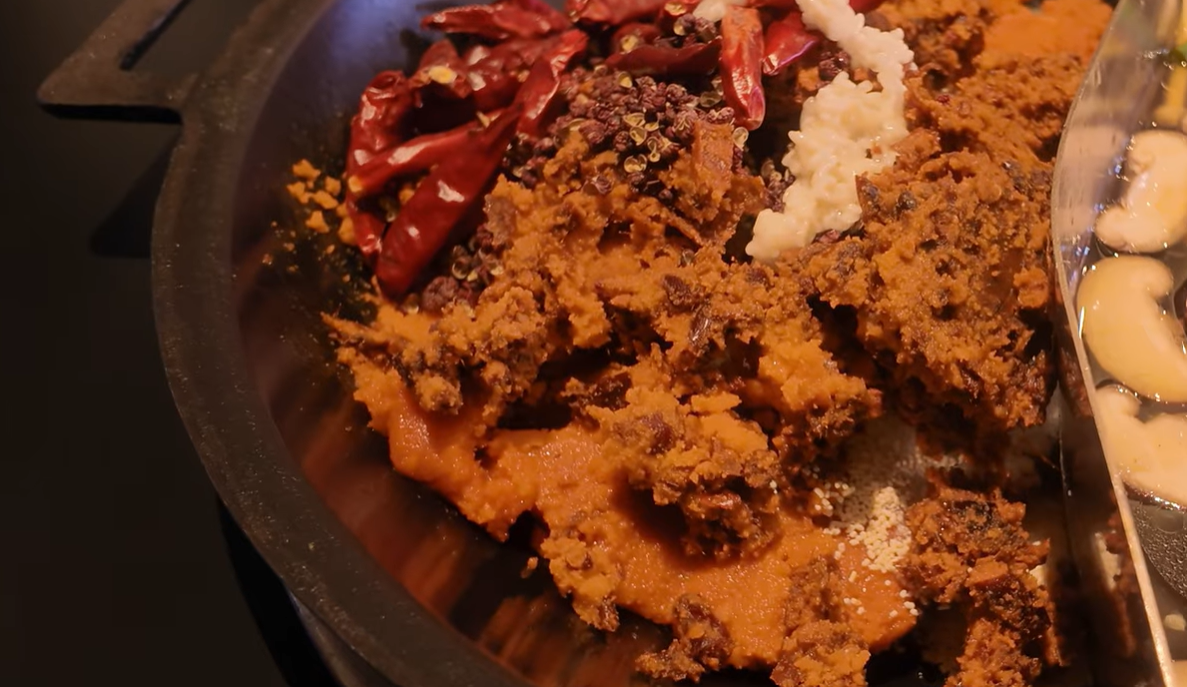
Peijie Old Hot Pot is right inside Raffles City and had great reviews. We later learned Ishowspeed ate at the same restaurant which made us laugh because of course he did.
We ordered two broths.
A mild mushroom soup.
And the least spicy mala option available.
We learned our lesson in Chengdu. Never again will we order “full spice” unless we want to cry and suffer the next day..
The meats were fresh. The veggies were crisp. Ian was drenched in sweat by the end of the meal which is the highest compliment you can give a Chongqing hot pot.
Day 2: Wulong Karst and Longshui Gorge – Nature Day With a Plot Twist
We woke up early to join a Chinese tour heading to Wulong Karst (武隆). There are several ways to visit Wulong from Chongqing:
- Private car
- Train + Didi
- Long-distance bus
- Guided tour
We chose the guided tour for convenience, but the morning didn’t exactly set the mood. We were the last ones picked up which meant the two worst seats on the bus. Old cushions. Tight legroom. A long drive ahead. Not ideal, but we were still excited because Wulong isn’t just another day trip.
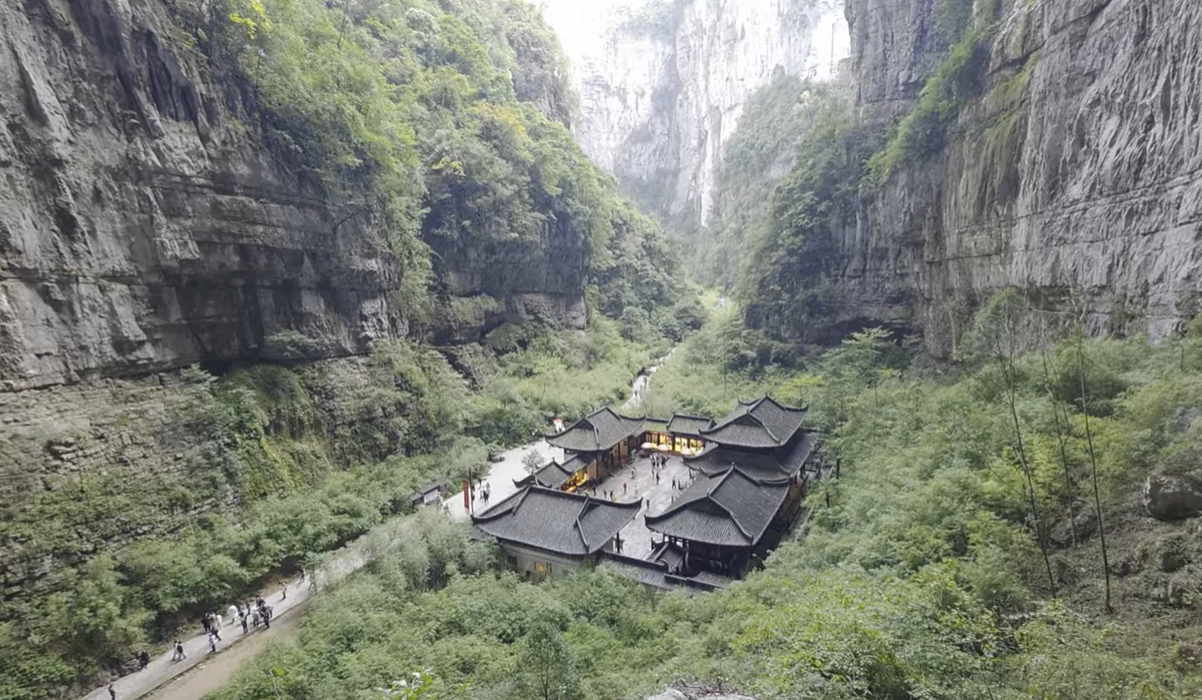
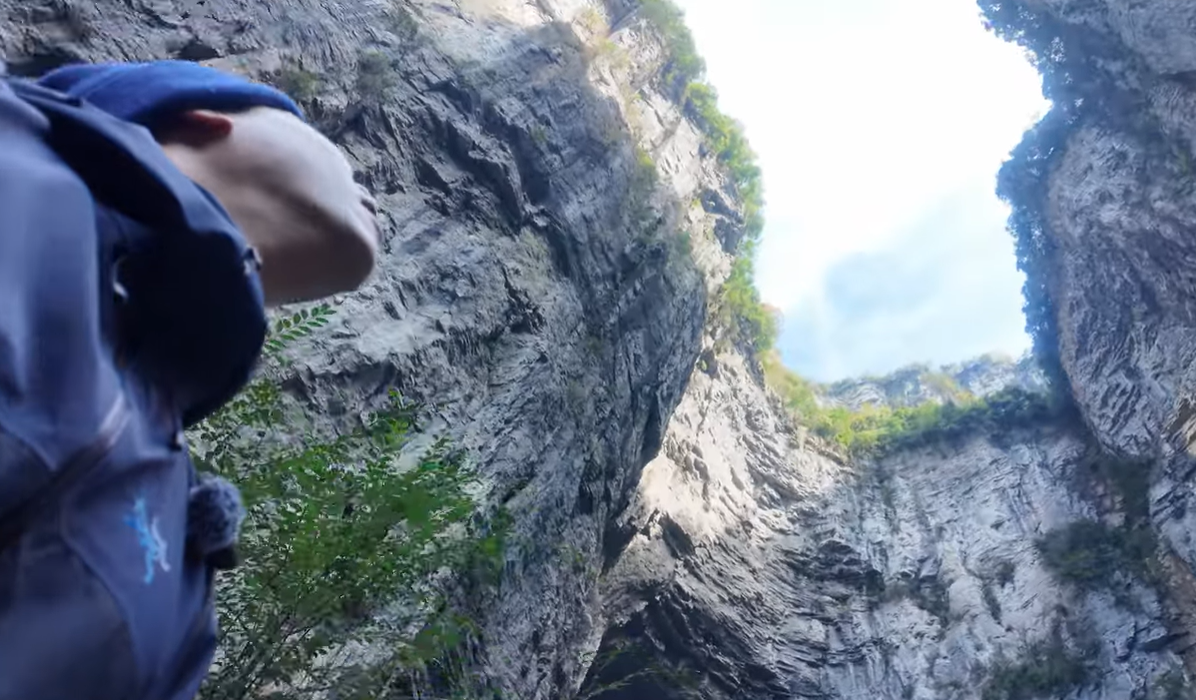
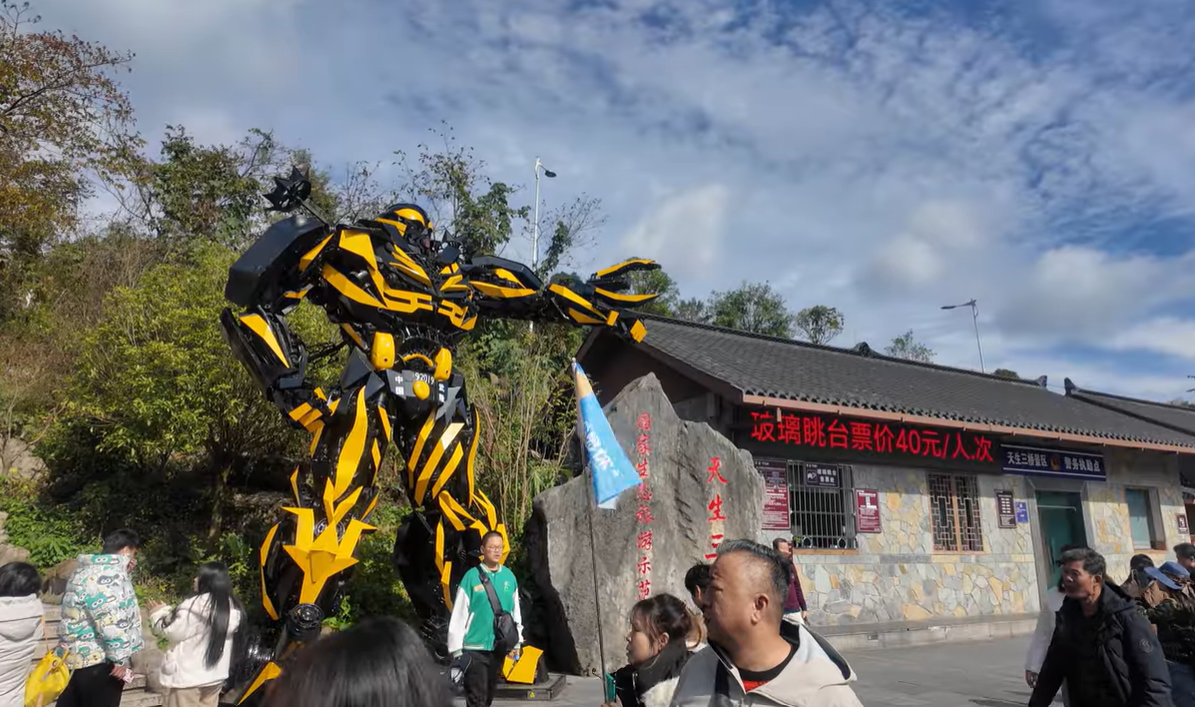
Wulong Karst is a UNESCO World Heritage Site and one of Chongqing’s most famous natural wonders. The landscape was shaped over millions of years through erosion and tectonic shifts, creating massive sinkholes, towering limestone cliffs and the iconic Three Natural Bridges. These bridges are considered some of the largest karst arch formations in the world. Their scale is so dramatic that major movies like Transformers filmed scenes here.
Because of this, Wulong shows up on almost every Chongqing itinerary. Photos never quite prepare you for how huge the arches are or how surreal the valley feels when you descend into it. It is one of those places that looks straight out of a fantasy film.
So naturally, we were intrigued and had to go visit for ourselves.


Wulong Karst Tourist Area 武隆喀斯特旅游区
Map: https://maps.app.goo.gl/Su3Kc8ThKQ6ikqhZ8
Tour we used: https://www.klook.com/en-CA/activity/115283-chongqing-three-natural-bridge-longshui-gorge-fairy-mountain-park/
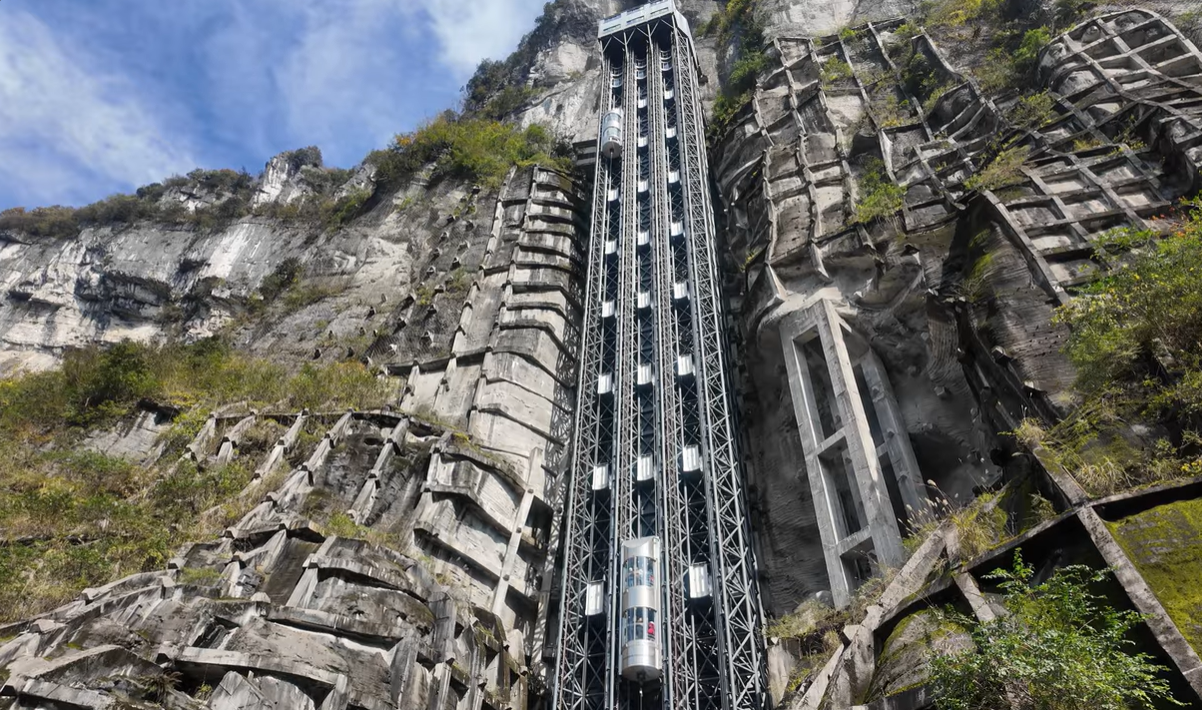
When you arrive at Wulong, you take an elevator down into the valley and walk 10 to 15 minutes to the first bridge.
There are three natural bridges:
• Tianlong Bridge (Sky Dragon)
• Qinglong Bridge (Azure Dragon)
• Heilong Bridge (Black Dragon)
The first bridge is the most impressive. The scale is massive and the shape forms a perfect thumbs-up outline. Everyone was posing with their thumbs raised trying to line up the shape.
Next to the first bridge is a small traditional building. Inside is a shop selling drinks and snacks, which somehow fits perfectly into the ancient backdrop.
As you walk to the second and third bridges, you’ll also see a Transformers dinosaur statue. Parts of the Transformers movie were filmed here which explains the random Hollywood cameo.
To be honest, after the first bridge, the next two felt similar. Beautiful, but not mind-blowing.
We were ready to call it a day… until the bonus stop changed everything.


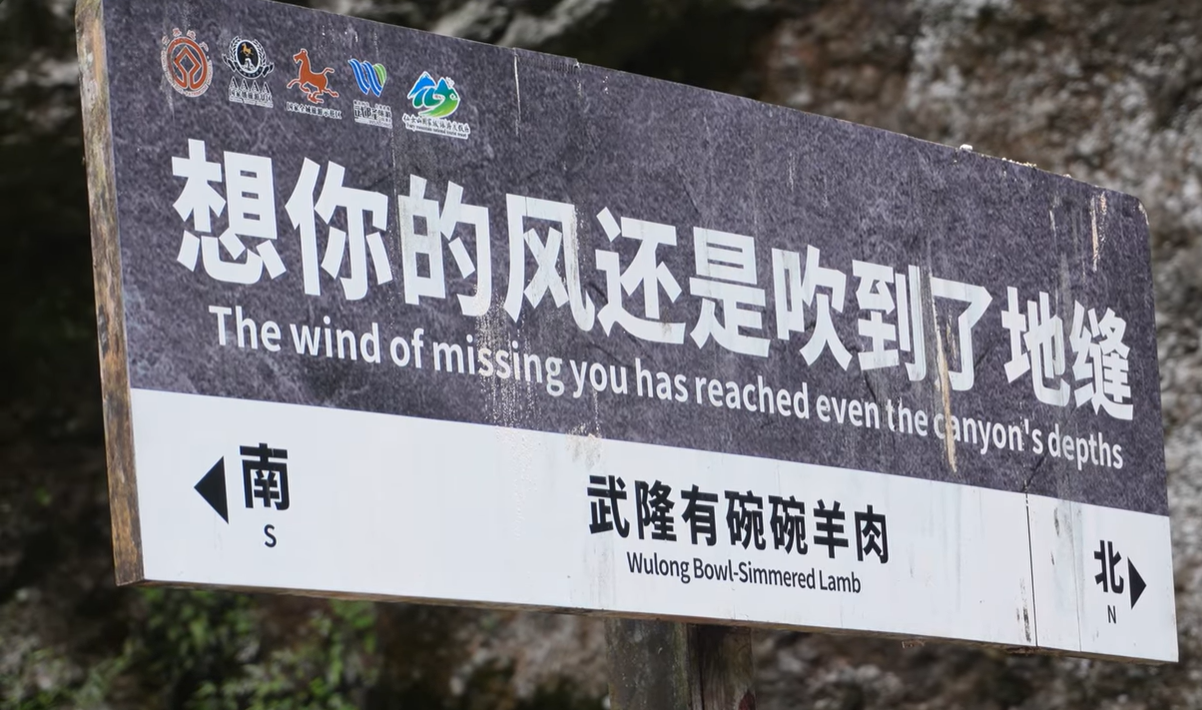

Longshuixia Difeng 龙水峡地缝
Map: https://maps.app.goo.gl/LknsjS21mfrggMqcA
This came as a surprise stop on our tour and we went in with zero expectations.
It became one of the best hikes of our entire China trip.
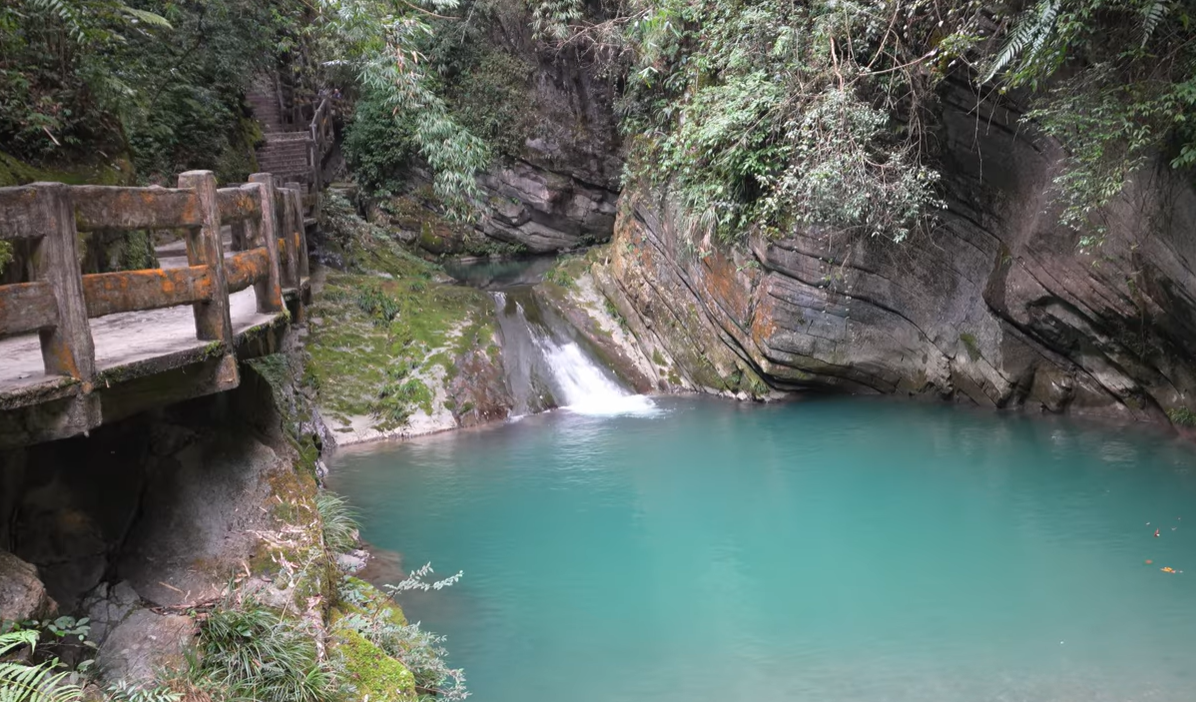
The gorge is stunning.
Waterfalls.
Narrow canyon walls.
Fresh forest air.
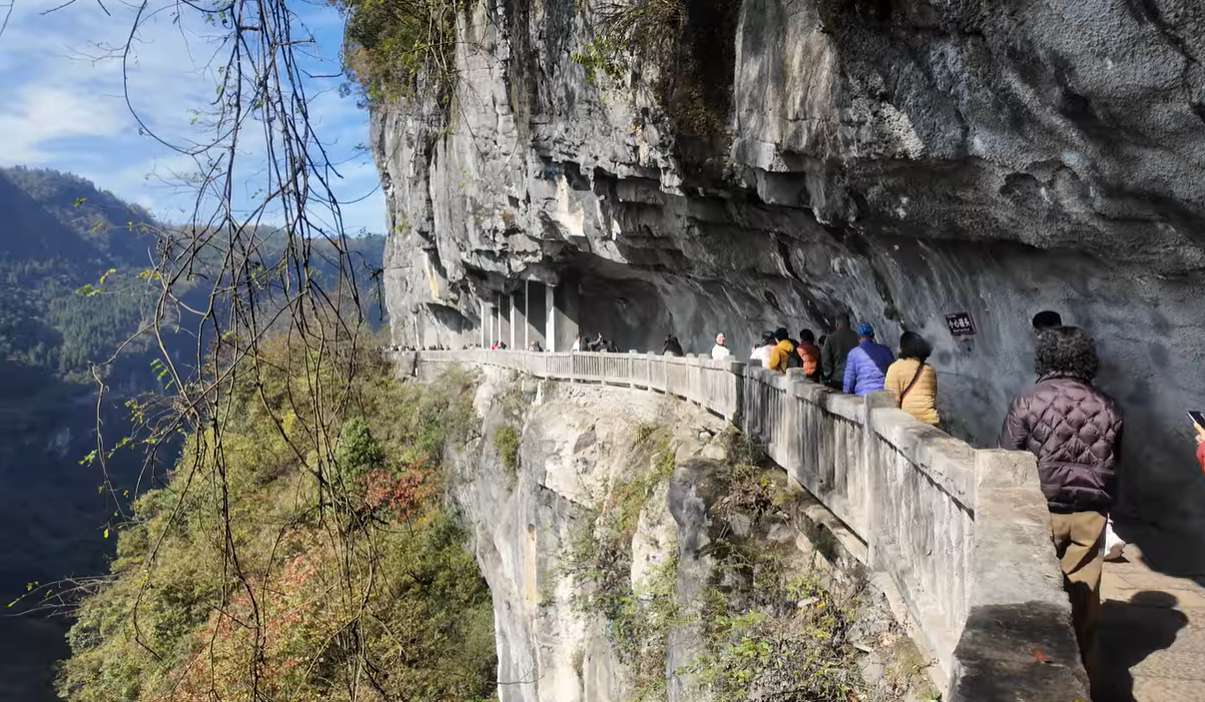
Staircases carved along cliffs.
Greenery everywhere.
The walk took about 1.5 hours and was beginner-friendly. It felt like the scenery kept getting better with every turn.
This single hike redeemed the entire bus experience. If you join a tour and they include Longshui Gorge, you are in for a treat.
Day 3: Old Streets, Trains Through Buildings, and the Cyberpunk Glow of Hongya Cave


Xiahao Old Street 下浩里 (Longmenhao Old Street)
Map: https://maps.app.goo.gl/42WcYBuyT3Q58AZV9
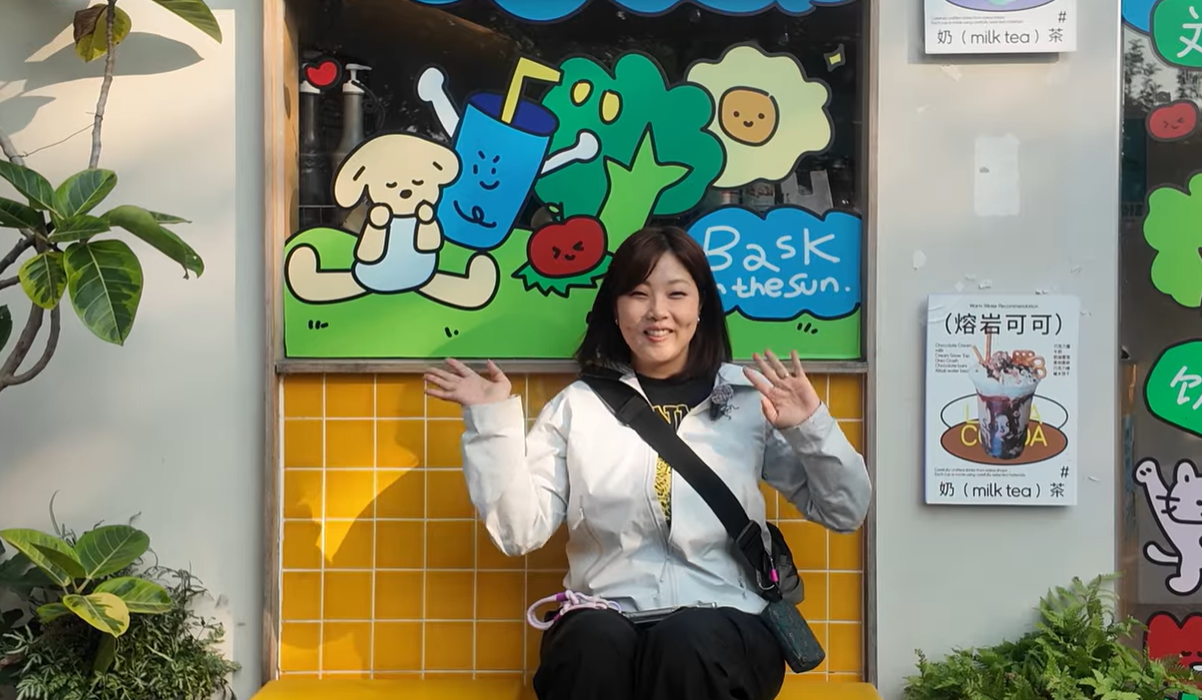
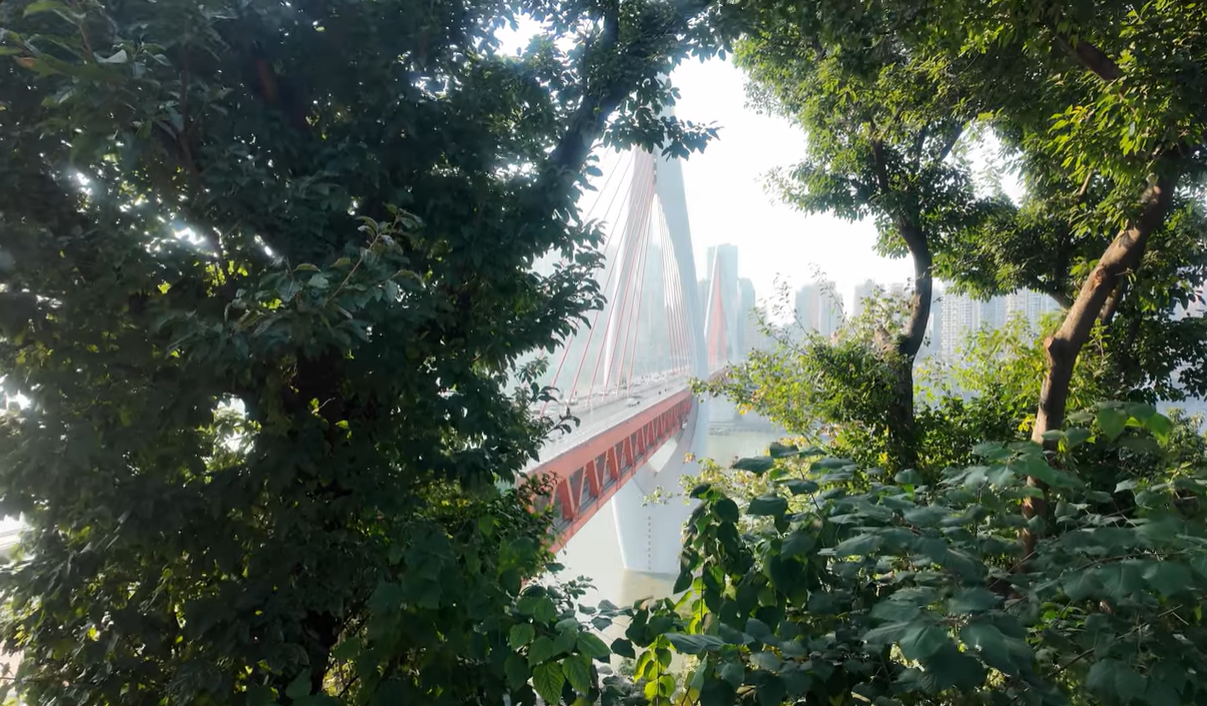
We started our final day at Xiahao Old Street. This area blends old mountain-city architecture with new cafes and art shops. It’s cozy, charming and a great place to wander.
The famous “This is Very Chongqing” wall is here too, and it was packed with people trying to take photos. Even during the day it had great atmosphere but I heard going there at night time has spectacular views.

Liziba Train Station 李子坝轻轨站
Map: https://maps.app.goo.gl/fqFtPWGxA6XkRkaJ9
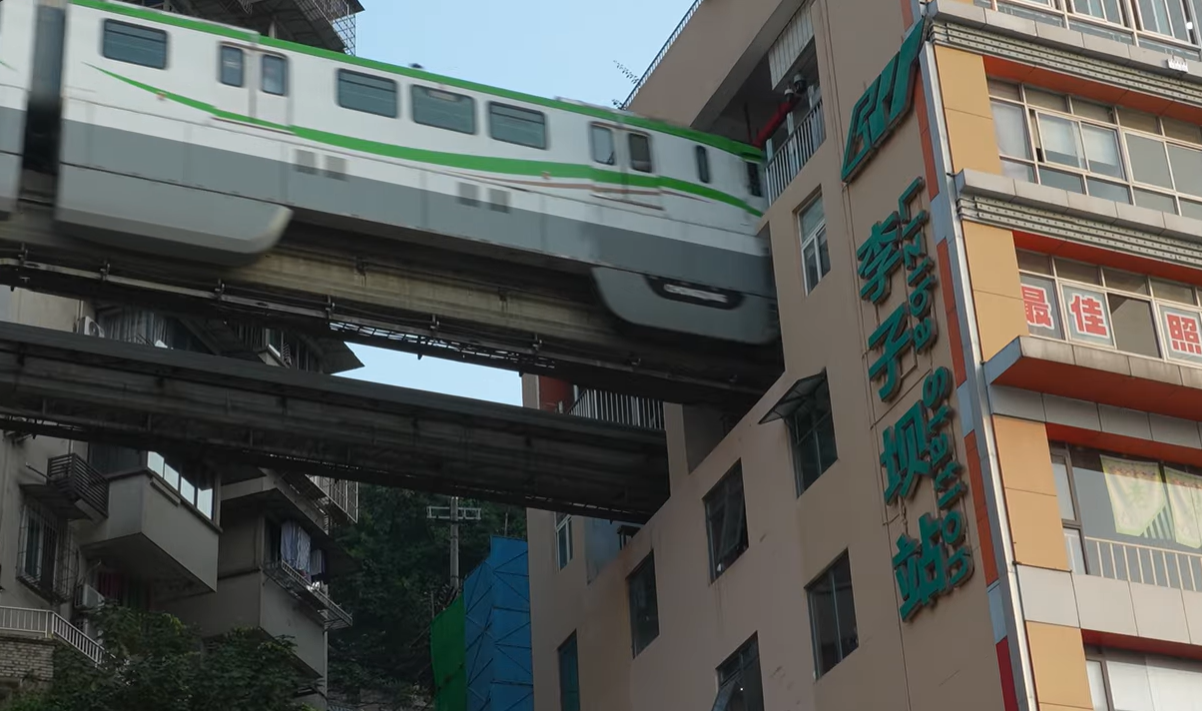
Liziba is one of Chongqing’s most famous visuals: a monorail passing straight through a residential building.
The city did this to save land and money, and added soundproofing so residents don’t go crazy.
We rode Line 2 and stood at the front of the train to go through the building. Surprisingly, the train wasn’t crowded and the experience was smooth and fun.
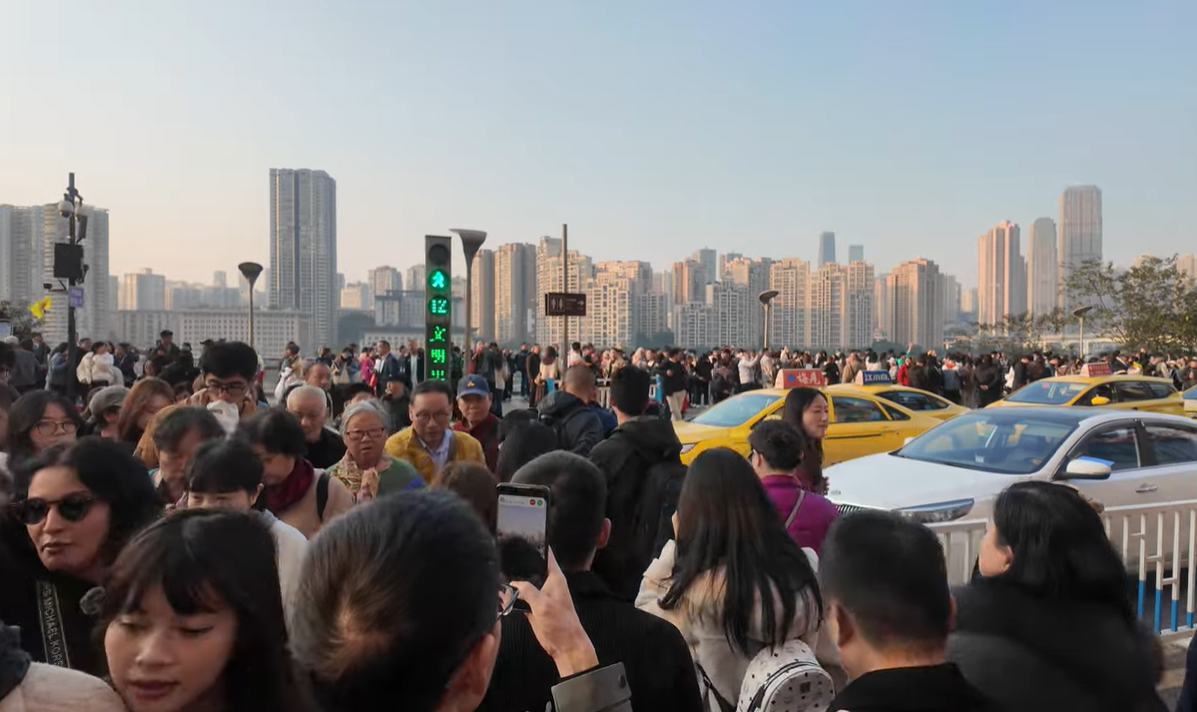
Once you step outside though, it is packed. Thousands of people gather just to watch the train go through the building. It’s unique, but at the end of the day… it’s still a train going through a building.
We didn’t stay long.
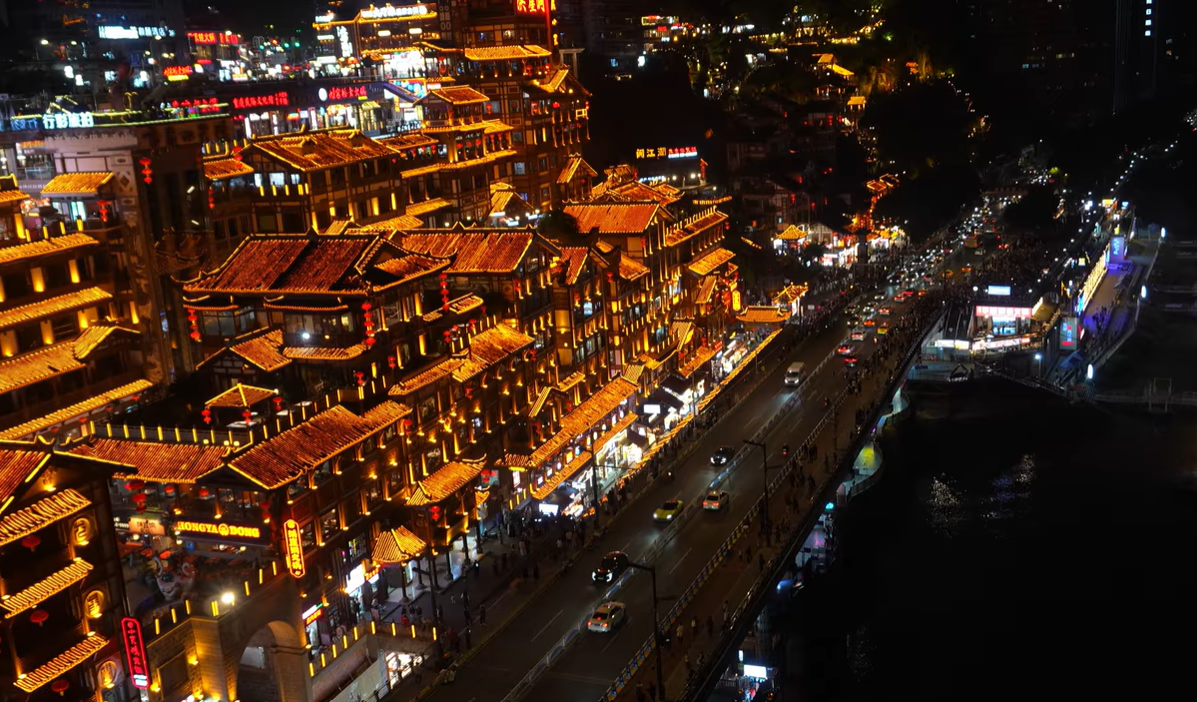
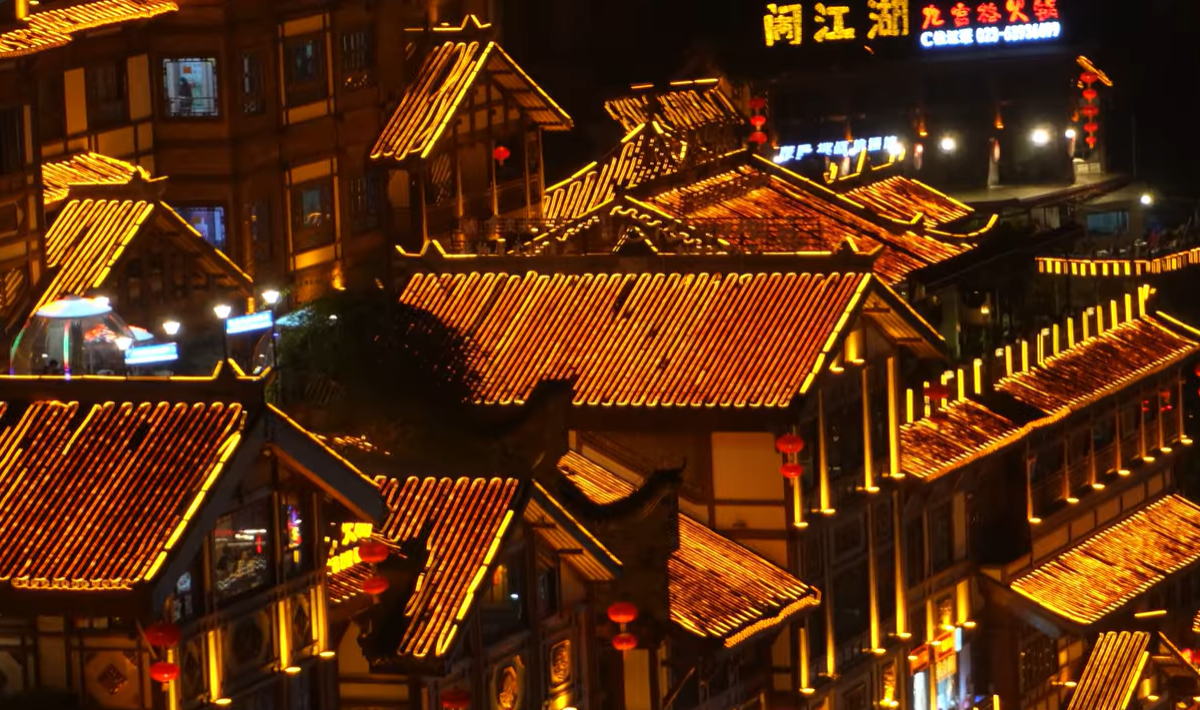
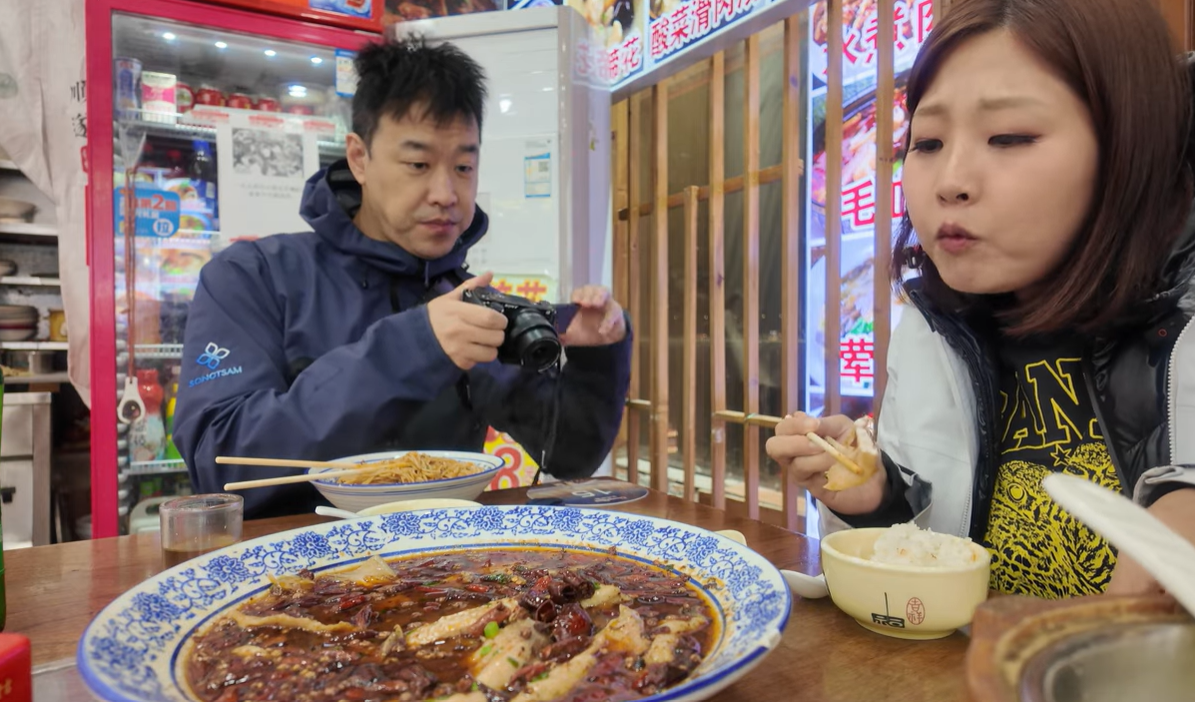
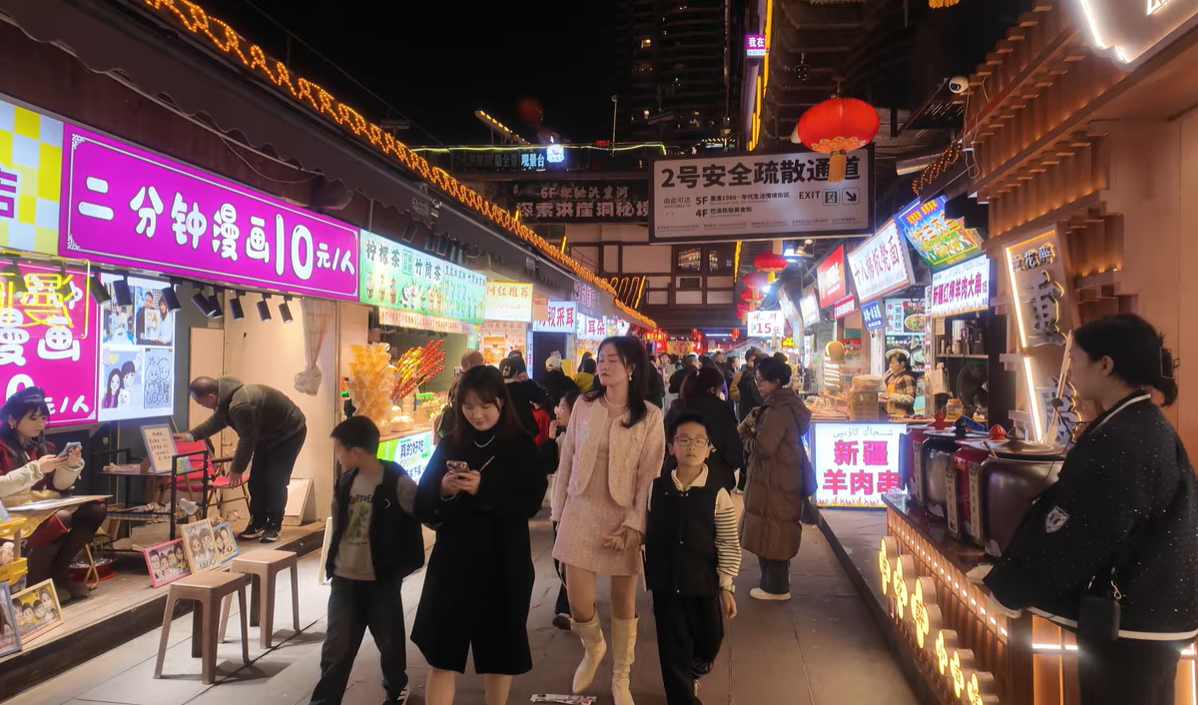
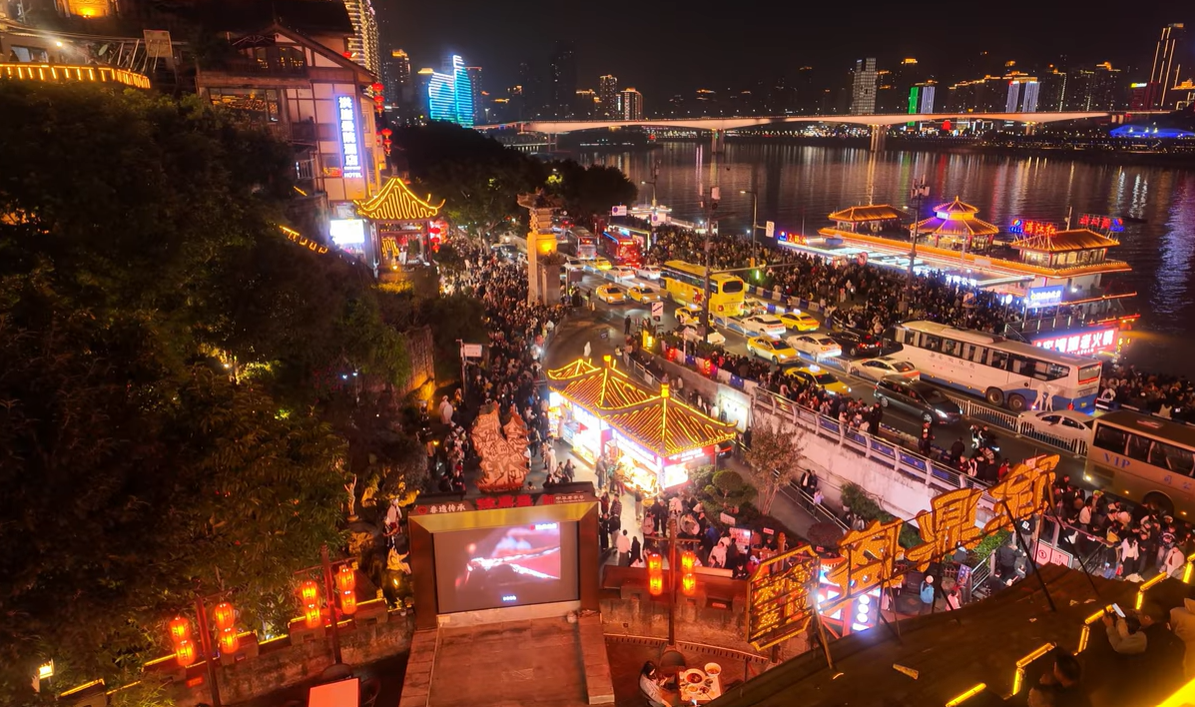
Hongya Cave 洪崖洞民俗风貌区
Map: https://maps.app.goo.gl/wZ2Bp4C3tKVVe3SS7
This was the moment we had been waiting for.
Most people go to the base of Hongya Cave or the Qiansimen Bridge to watch the lights turn on. We chose the bridge.
We arrived at 5:50 PM and waited until 6:30 PM in the cold. The bridge was packed and somehow we still got a spot.
Then the countdown began.
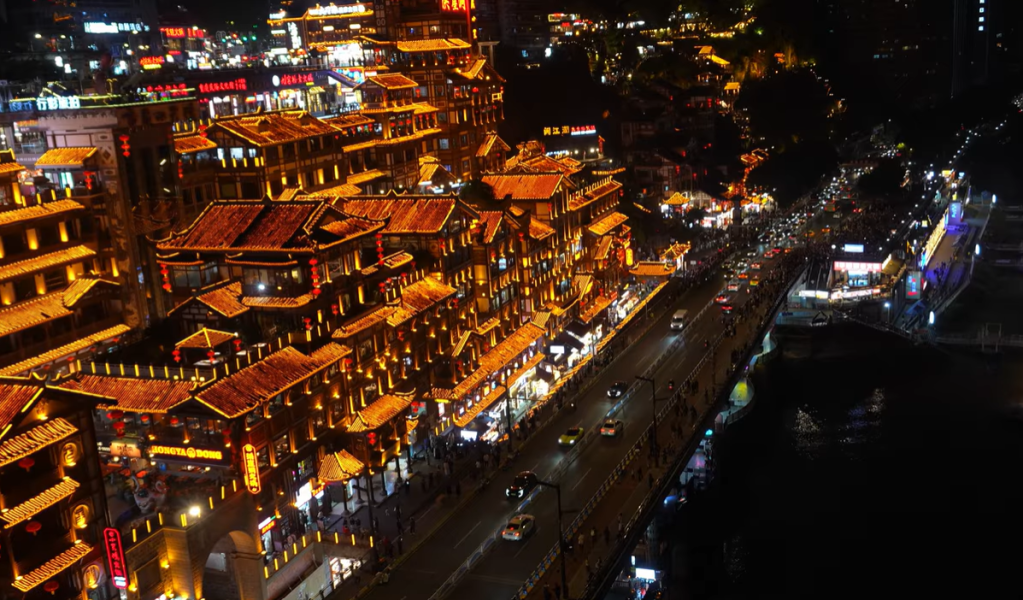
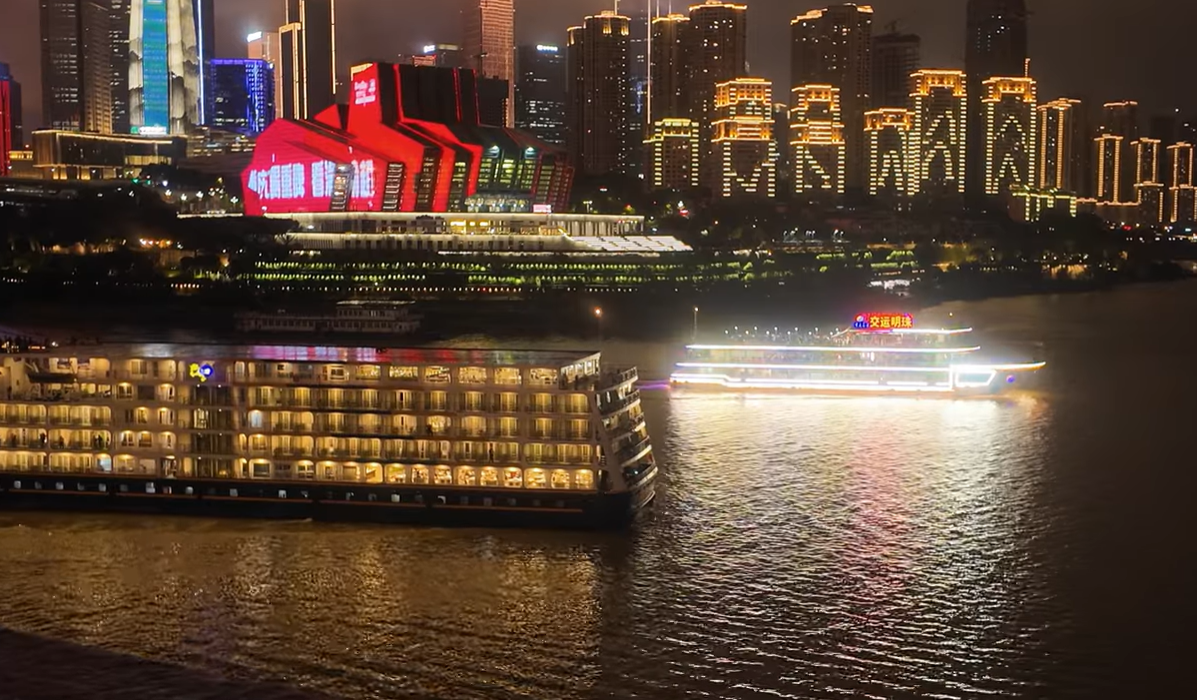
When the lights switched on, the whole crowd cheered. The buildings glowed gold and red. It felt surreal, like watching a movie scene play out in real life.
Inside Hongya Cave, we climbed through the 11-story maze by stairs. One floor was dedicated entirely to food so we stopped for dinner. We ordered Shui Zhu Yu (水煮鱼), a spicy Sichuan boiled fish dish with numbing peppercorns and fragrant chili oil. Delicious, but filled with bones so chew carefully.
We explored every level before heading back out into the night. Ending our Chongqing trip here felt perfect. Now we fully understood why people call this the cyberpunk city of China.
Where We Stayed in Chongqing
Yuehuimei S Hotel (Chongqing Jiefangbei Chaotianmen)
Rating: 4 out of 5
Book: https://www.trip.com/w/cKaDn52mXS2
We really liked this hotel. Clean. Modern. Steps away from Raffles City. The only thing is the location isn’t the most central for big tourist spots, so next time we would stay closer to Jiefangbei.
Nearby metros:
• Chaotianmen Station (190 m)
• Xiaoshizi Station (510 m)
If you don’t mind walking or using the metro, this place is great.
Quick Reference Guide
How Many Days Do You Need in Chongqing?
3 days — works if you want to hit the core city highlights fast and you’re okay with a tight schedule.
4 to 5 days — ideal if you want to include nature outings, avoid rushing, or if weather/music and travel-time may affect your pace.
More than 5 days — great for diving deeper into surrounding regions, or using Chongqing as a hub for further travel (e.g. river cruises, nearby parks, etc.).
Best Time to Visit Chongqing
The best months are March to June and September to November. Weather is mild, skies are clearer and outdoor spots like Wulong Karst and Longshui Gorge look their best.
Spring (Mar–May)
• 10 to 25°C
• Comfortable, good visibility
• Great for both city and nature
Summer (Jun–Aug)
• Often above 30°C
• High humidity
• Known as one of China’s “Three Furnaces” so expect intense heat
Autumn (Sep–Nov)
• 15 to 25°C
• Cooler, less rain
• Our recommended season for most travelers
Winter (Dec–Feb)
• 6 to 10°C
• Damp, gray and colder than it looks on paper
• Still great for night views and food
Our November Visit
We went in mid to late November and it was colder than expected. Constant rain. Damp air. I wore heat tech, long sleeves, two jackets and a toque and still felt the chill.
What to Pack
• Warm jacket
• Thermal layers
• Rain jacket or umbrella
• Waterproof shoes if you plan to hike
Chongqing stays enjoyable in every season as long as you pack smart.
Final Thoughts
Chongqing surprised us.
The scale.
The layers.
The night views.
The food.
The chaos.
The warmth of the people.
Some spots felt iconic. Some felt overrated. Some shocked us in the best way. But the whole experience left us wanting more.
If you’re planning a trip to China, this city deserves a spot on your list.
And if you want to see the full adventure, watch our Chongqing episode on YouTube.
Keywords for SEO
#ChongqingTravel, #Chongqing, #ChongqingChina, #HongyaCave, #WulongKarst, #ChongqingHotpot, #ChongqingFood, #ChongqingAttractions, #ThreeNaturalBridges, #LongshuiGorge, #LizibaStation, #Jiefangbei, #KuixingBuilding, #ChongqingNightViews, #CyberpunkChongqing, #ChongqingItinerary, #ThingsToDoInChongqing, #ChongqingTravelGuide, #ChongqingNature, #ChongqingOldStreets, #XiahaoliOldStreet, #RafflesCityChongqing, #Chaotianmen, #ChasingTheChungs, #ChinaTravelVlog, #ChinaTravelGuide, #AsiaTravel
 chasingthechungs.com
Leave a comment