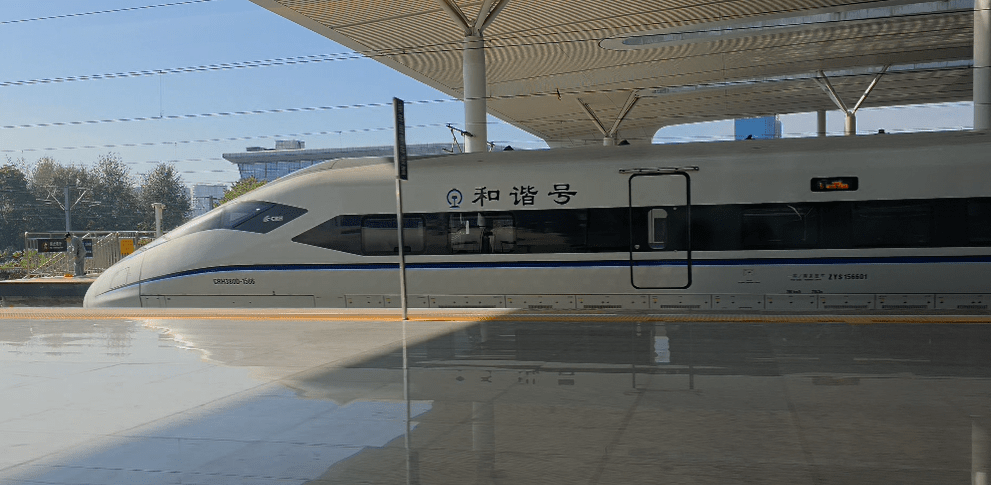
Before traveling to China, I struggled to find clear and honest information about transportation. Bullet trains felt confusing. Metro systems sounded impossible without a Chinese ID. Every blog contradicted the next.
So I wanted to build one all-in-one guide based on real experience. No theory. No recycled Reddit advice.
This was our first China trip ever. We spent the first five days on a guided rural tour. The remaining forty-five days we traveled independently using only Canadian passports.
Here is exactly how getting around China worked for us. What was smooth. What broke. And what you need to set up before landing.
Was This Our First Time Traveling in China Without a Guide?
Yes.
This was our first China trip ever. The first five days were part of a rural China tour with a guide. After that, we were fully on our own.
For part of the trip, my husband’s parents joined us. My mother-in-law speaks Mandarin, which helped in a few situations. But for most of the trip, we navigated transportation independently.
We traveled using Canadian passports only.
High Speed Trains in China
What It Is Like for Foreigners
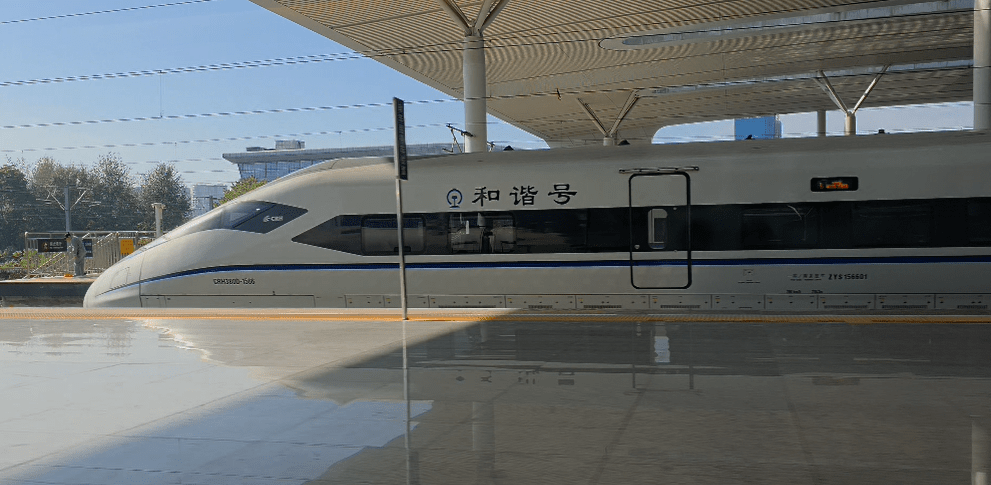
China’s high speed rail network is one of the best parts of traveling here.
We booked all train tickets through Trip.com. It was reliable and foreigner friendly.
Booking Experience
• Passport verification worked without issues
• Names matched correctly
• Tickets always appeared in the app
Seat Selection Reality
When booking, you can request seat preferences.
First class layout:
XX XX
Second class layout:
XXX XX
We always requested to sit together.
It never happened.
This was our only complaint. The system allows preferences, but they are not consistently honored. Expect to sit separately sometimes.
Onboard Experience
We rode first class three times.
Two rides included snack boxes and water.
One ride included nothing.
Both short and longer rides felt inconsistent. We never figured out how snacks are decided.
Station Entry and Exits
Foreign passports must use the manual line up.
At every gate, there are multiple line-ups. Some only accept Chinese ID cards. Look for the lane with an attendant. That is the foreign passport line.
Overall Verdict on Trains
Extremely smooth.
Security was fast. Trains ran on time. Stations were well organized. We preferred trains over flights whenever timing made sense.
For long distances like Guangzhou to Chengdu, flights were sometimes faster for a similar price. We compared both every time.
Metro and Subways in China. What Actually Works
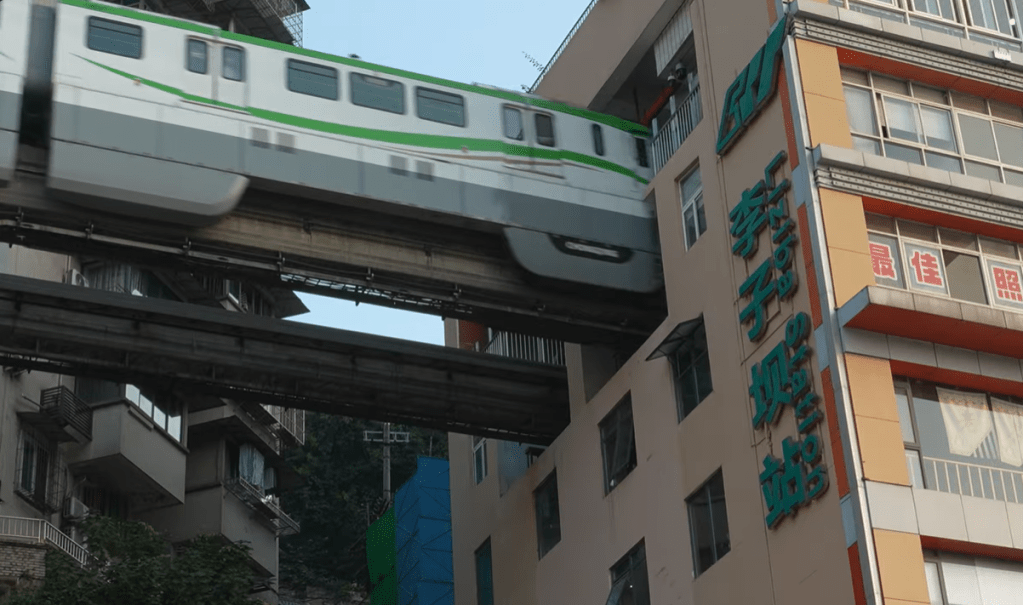
China’s metro systems are modern, cheap, and efficient. We used them in Guangzhou, Chengdu, Chongqing, Shanghai, and Hangzhou.
Once you are set up, metro travel feels easy.
The setup is the hard part.
How Metro QR Codes Actually Work
Most cities use a QR code system called 乘车码 (chéng chē mǎ).

This lives inside WeChat or Alipay. You do not download a separate metro app.
How to activate it:
• Open WeChat or Alipay
• Search for 乘车码
• Select your city
• Agree to the terms
• Generate a QR code
You scan this code to enter and exit metro stations or board buses.
This worked in every city we visited.
The Catch
You need two things:
• A Chinese phone number
• RMB balance inside WeChat or Alipay
Without both, you are blocked.
Registration requires an SMS verification sent to a Chinese number. Multiple people can share one number. That is what we did.
The Payment Problem No One Is Honest About
Online guides claim you can top up WeChat Pay using foreign cards, Wise, TourCard, or even convenience stores.
None of this worked for us.
You can link a foreign card for some direct payments. But metro systems require an actual RMB balance inside the wallet.
To add balance, you need a Chinese bank account.
There is no workaround.
The Only Way It Worked
We had a local contact. We sent Canadian funds. They transferred RMB into our WeChat wallet.
That unlocked metro QR codes, bus payments, and physical metro card top ups.
If this had not worked, metro access would have been a serious challenge.
Physical Metro Cards
We bought a physical metro card in Guangzhou before discovering QR codes.
You cannot reload it with cash.
Reloading still requires WeChat balance.
Staff and Help
Every station has attendants. We never needed help ourselves, but we watched staff assist other foreigners patiently and clearly.
Navigation Tip
Use Amap.
Routes and transfers are excellent. Exit guidance is weak. Expect extra walking.

Didi the Uber of China
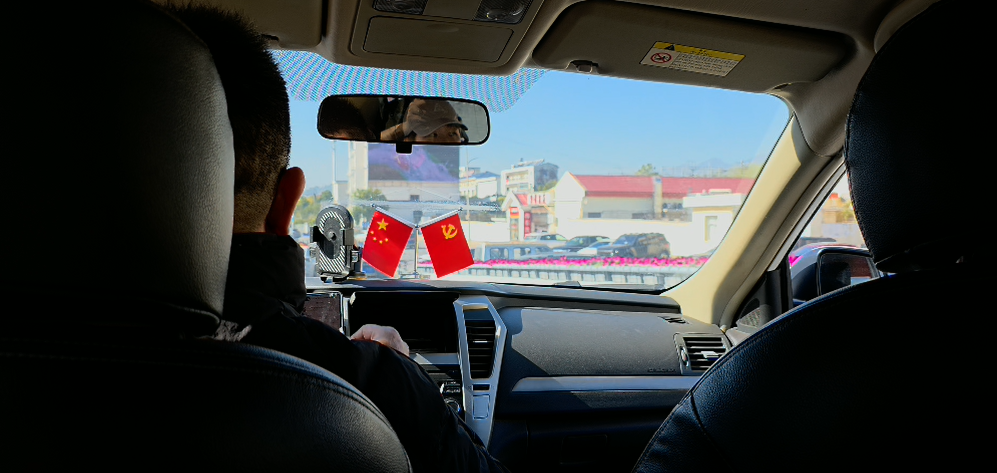
We used Didi often.
• On heavy walking days
• When metro routes were inefficient
• Heavily in Hangzhou
Pickup and Communication
Drivers sometimes call. There is an in-app message option stating you do not speak Chinese. Built-in translation works well.
Payment
We linked our Canadian Visa directly to Didi. No WeChat Pay or Alipay required.
Drop Off Issues
In congested cities like Hangzhou, Didi sometimes forces alternative drop off points to manage traffic. This caused problems.
One reroute dropped us far from our destination and resulted in over an hour of unexpected walking.
Didi is convenient. Always double-check walking distance before confirming.
Payment While Traveling in China
Transportation did not require WeChat Pay or Alipay if using Didi.
Some places accepted only cash.
Some accepted only QR payments.
Carry cash. Always.
Transportation never failed due to payment issues for us.
What Actually Broke Without Local Help
Nothing completely broke.
People were helpful. Staff were patient. Systems worked once set up.
The most stressful moments came from traffic.
Hangzhou traffic was standstill. Long delays. Missed plans. Frustration.
The biggest surprise was how easy metro navigation became once QR codes worked.
One Rule for Foreigners Traveling China
Know how to use your phone.
Ordering food. Navigating apps. Scanning QR codes. Reading maps.
Technology literacy matters more than language ability.
Final Verdict
Is Getting Around China Hard?
No.
But it is not plug and play.
Once you understand how trains, metro QR codes, and Didi actually work, transportation becomes predictable and efficient.
The biggest risk is bad information online and assuming foreign cards work everywhere.
If you prepare properly, getting around China as a foreigner is manageable and often impressive.
If you want to see how all of this played out in real time, our full China travel series is live on YouTube.
This was our first China trip. It will not be our last.
Follow Our China Journey

We documented our entire time in China across multiple cities on YouTube.
If you want to see what daily life, transportation, food, and culture actually look like on the ground, follow along with our China series.
Subscribe to Chasing the Chungs on YouTube to explore China with us, one city at a time.
Keywords for SEO
#ChinaTransportation, #ChinaMetroGuide, #ChinaTrainTravel, #BulletTrainsChina, #ChinaTravelTips, #ChinaForForeigners, #ChinaMetroQR, #DidiChina, #ChinaTravelGuide, #ChinaTripPlanning, #ChinaPublicTransport, #TravelChina2026, #ChinaLogistics, #ChinaTravelReality, #ChinaTravelAdvice

 chasingthechungs.com
Leave a comment