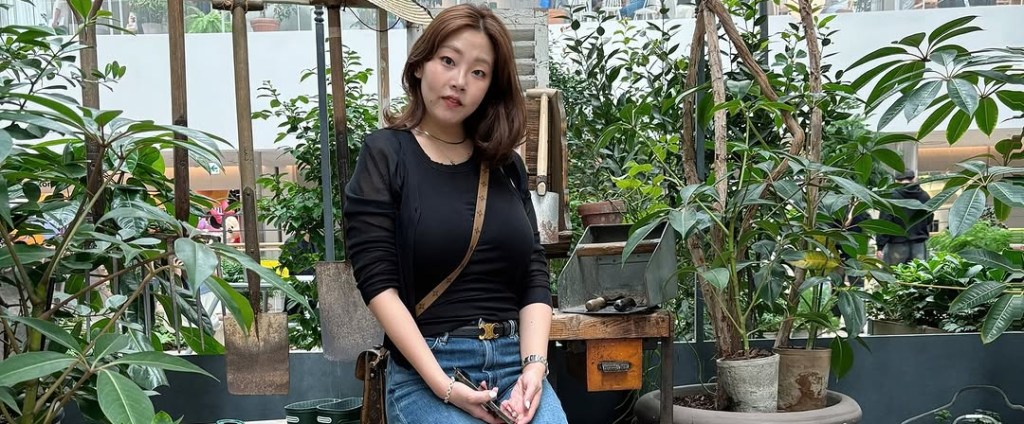
I’m Korean. I go back to Seoul at least once a year, and we just booked another month-long trip in two weeks. So when people ask me for a Seoul guide, I have to be upfront: most of what’s out there is outdated or written by someone who spent five days there and thinks Myeongdong is the peak of Korean culture.
This is the guide I actually use. The neighborhoods worth your time, the food that made Ian say things he doesn’t usually say, and the brands you actually want. We’ve covered a lot of Seoul on our YouTube channel, including our perfect date in Seoul video and our full 72-hour Seoul food tour with my parents. This post is the written version of everything I know.
Jump to a Section
- Neighborhoods at a Glance
- Myeongdong
- Gyeongbokgung, Bukchon, and Insadong
- Cheonggyecheon Stream
- Markets: Gwangjang vs Mangwon
- Seongsu
- Mullae-dong
- Lotte World Mall vs The Hyundai Seoul
- Han River
- Namsan Tower
- Food: What We Actually Ate
Neighborhoods at a Glance
Seoul is massive and every neighborhood has a completely different personality. Here’s the quick version before we go deep:
| Neighborhood | Best For | Skip If |
|---|---|---|
| Myeongdong | Beauty shopping, Olive Young, souvenirs | You want real Korean food |
| Insadong | Culture, great restaurants, first-timers | You’ve been before |
| Seongsu | Trendy shopping, food, cafes | Nothing. Always go. |
| Mullae-dong | Art, bars, off-the-beaten-path vibes | Daytime only visits |
| Euljiro | Late night eating and drinking | You hate good food |
| Hongdae | Young crowd, nightlife, street shopping | You’re past the student energy |
Myeongdong
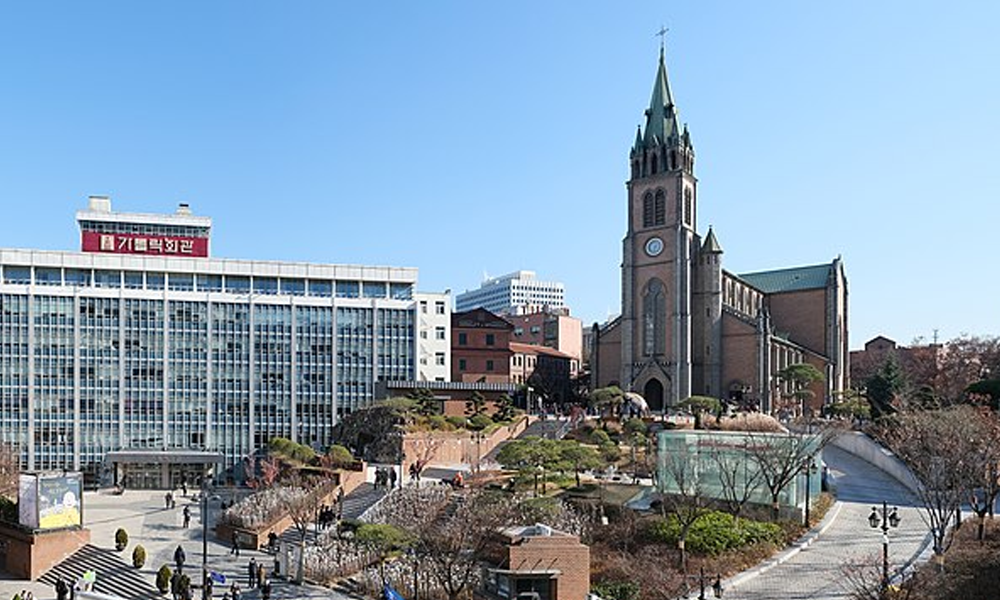
Real talk: the Myeongdong night market stalls are overpriced and they target tourists. Even locals know to avoid them. If you go expecting an authentic Korean food experience, you’ll leave disappointed. But Myeongdong is compact and the shopping here is genuinely good if you know what you’re looking for.
What to Do Here
- Olive Young: Korea’s biggest health and beauty chain. Largest locations are in Myeongdong. If you want Korean skincare, sunscreen, or the viral beauty products you’ve seen on TikTok, this is your stop. Stock up.
- Wiggly Wiggly: One of my favorite Korean lifestyle brands right now. Colorful stationery, accessories, and home goods. You will spend more than planned.
- Nyu Nyu: Good for trendy Korean fashion at accessible prices.
- Daiso (Myeongdong Station Branch): 12-storey Daiso that has everything from makeup to household goods. A must visit.
- Myeongdong Cathedral: Worth a few minutes. Surprisingly peaceful in the middle of all the chaos.
For food in this area, walk over to Euljiro (을지로) instead. It’s a short walk and a completely different world. Quiet alleys, great Korean food, and some of the best bars in the city. That’s where the locals actually eat.
Gyeongbokgung, Bukchon, and Insadong
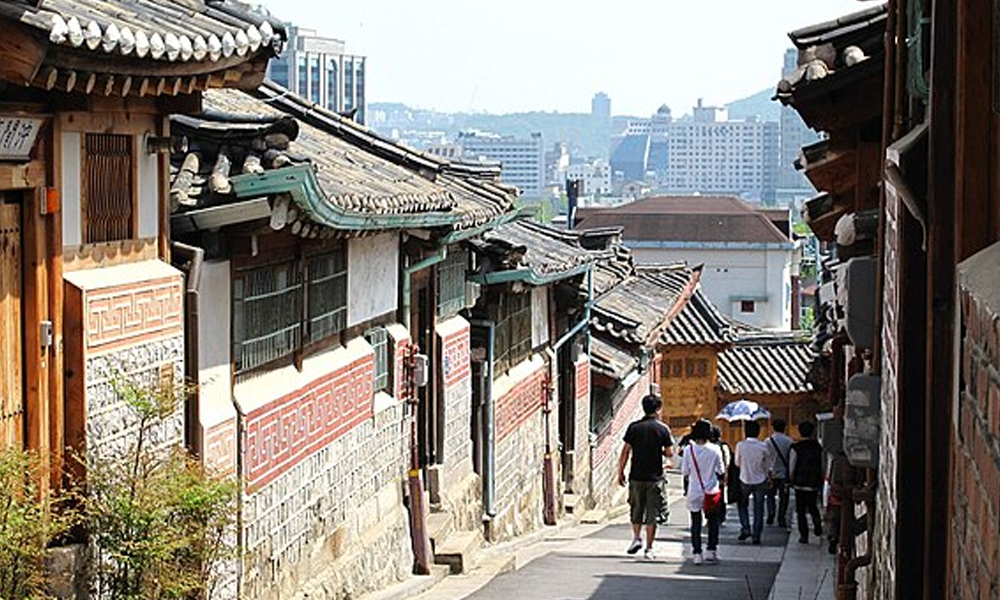
If it’s your first time in Seoul, this cluster is non-negotiable. Together, these three spots give you the most complete picture of what Korea looked like before the skyscrapers took over. We covered this area in our Seoul vlog, including the winter lantern festival at night.
- Gyeongbokgung Palace: The largest of Seoul’s five grand palaces and the main royal palace of the Joseon Dynasty. Rent a hanbok from one of the nearby shops and you get free entry.
- Bukchon Hanok Village: A real residential neighborhood filled with traditional Korean houses. Beautiful but please be respectful. People actually live here.
- Insadong: Independent restaurants, tea houses, and galleries. If you’re choosing between eating here and eating in Myeongdong, always pick Insadong. The food quality is on a completely different level.
Cheonggyecheon Stream
An 11km urban stream running through the heart of Seoul. You drop below street level and the noise of the city disappears completely. What makes Cheonggyecheon special is that it transforms with the seasons — and both versions are worth planning around.
Winter: The Seoul Lantern Festival (December–January)
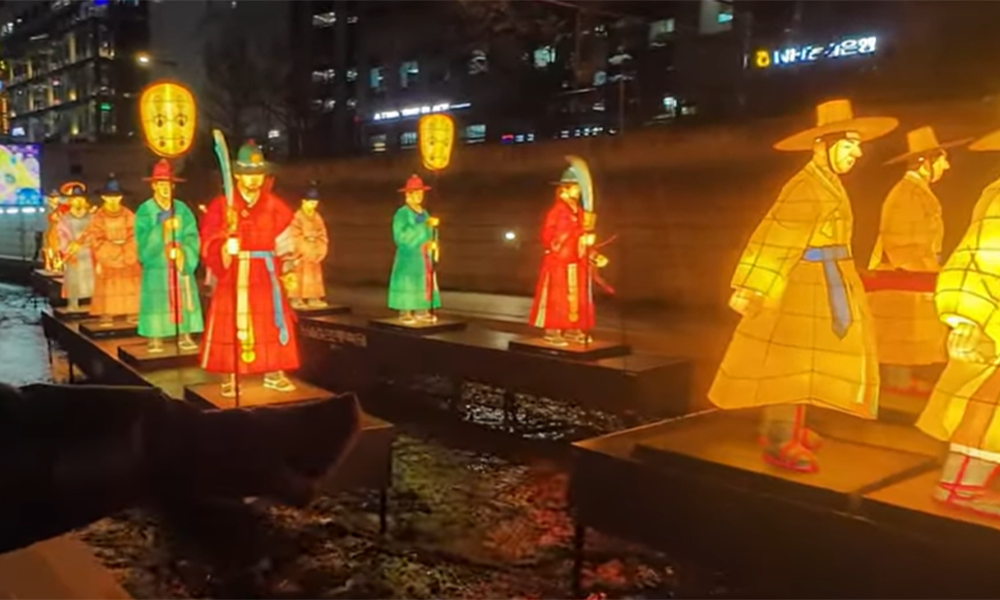
If you’re visiting Seoul in winter, the Lantern Festival along Cheonggyecheon is the thing to do at night. We went for our date night in Seoul and it ended up being one of the highlights of the entire trip. I genuinely wasn’t prepared for how beautiful it actually is.
The Seoul Lantern Festival has been running since 2009 and draws over 2 million visitors every year. Hundreds of traditional hanji paper lanterns and LED installations line the stream from Cheonggye Plaza to Samilgyo Bridge — about 1.3km that you walk along both sides of the water. The signature installation every year is the Royal Procession: massive illuminated Joseon court figures in full colour, lined up along the stream with their reflections below. It looks exactly like a historical K-drama set, except you’re standing inside it. Admission is free. It typically runs December through January and often extends into late January. Pair it with the Gwanghwamun Christmas Market running nearby at the same time and you have a full evening without spending much.
Spring through Fall: Seoul Outdoor Library (April–November)
When the weather warms up, the stream transforms again. The Seoul Outdoor Library sets up along the water every year with bookshelves, chairs, reading lamps, and ambient lighting. About 2,000 books available to read for free on site, no reservation needed. It typically runs April through November on weekends — check the schedule before you go.
Markets: Gwangjang vs Mangwon
Gwangjang Market has gotten a bad reputation lately and honestly, it’s deserved. Some vendors have been caught overcharging and it’s not just tourists being scammed. Locals have started steering clear too. A lot of people have switched to Mangwon Market instead, which feels more authentic and less predatory right now.
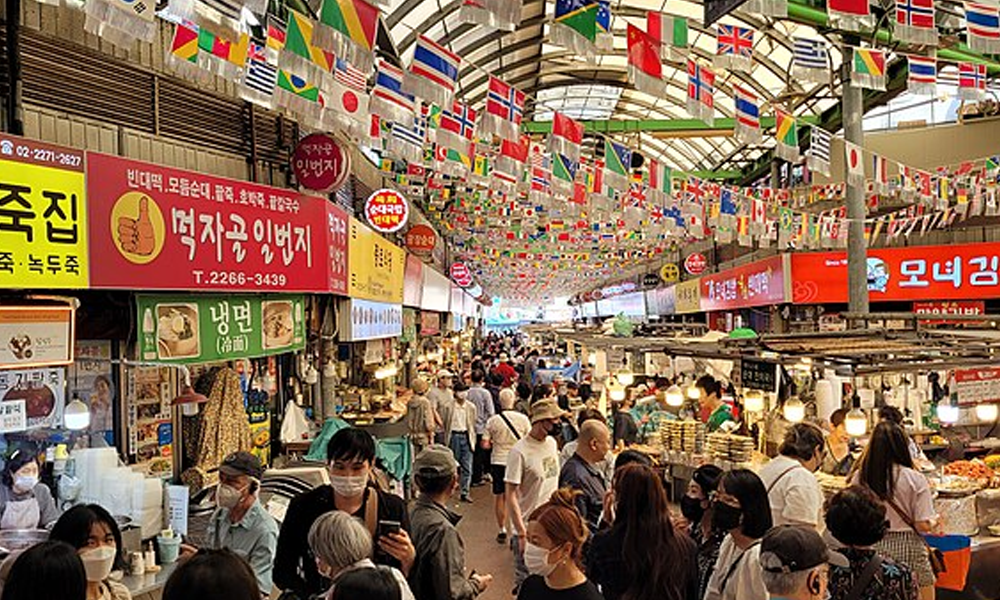
That said, if you want to see the Netflix kalguksoo lady, go. She’s the real deal and it was fun to be there and eat her food. Just don’t make Gwangjang your main food stop and keep an eye on what you’re being charged.
Seongsu: Seoul’s Mecca for Shopping
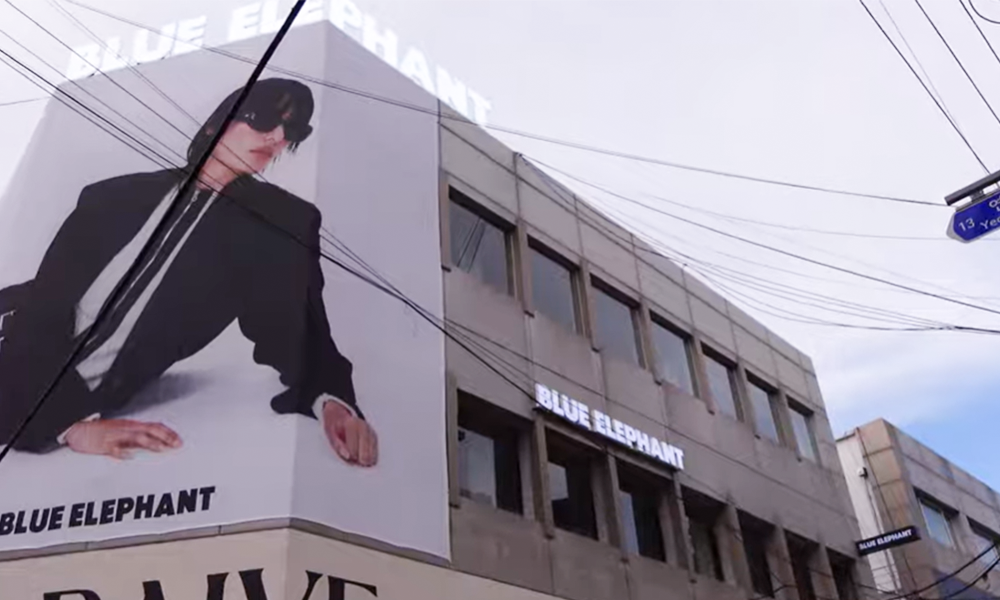
If Hongdae is for university students, Seongsu is for everyone who’s moved past that but still cares about what they wear. This is where Seoul’s taste-makers actually shop. The neighborhood used to be full of factories and shoe workshops, which is how it got nicknamed “The Brooklyn of Seoul.” That comparison is a bit tired now but the energy is genuinely that good.
Brands to Hit in Seongsu
- Musinsa Standard: Clean, well-made Korean basics at good prices
- Tamburins: The most beautifully packaged fragrance and beauty products you’ve ever seen. Worth visiting just to walk in.
- Blue Elephant: Unique pieces you won’t find anywhere else
- Gentle Monster: The flagship has rotating art installations. Worth it even if you’re not buying.
- Matin Kim: If you follow Korean fashion, you already know. If you don’t, you’re about to.
- Olive Young: There’s one here too. You will always need more.
Where to Eat in Seongsu
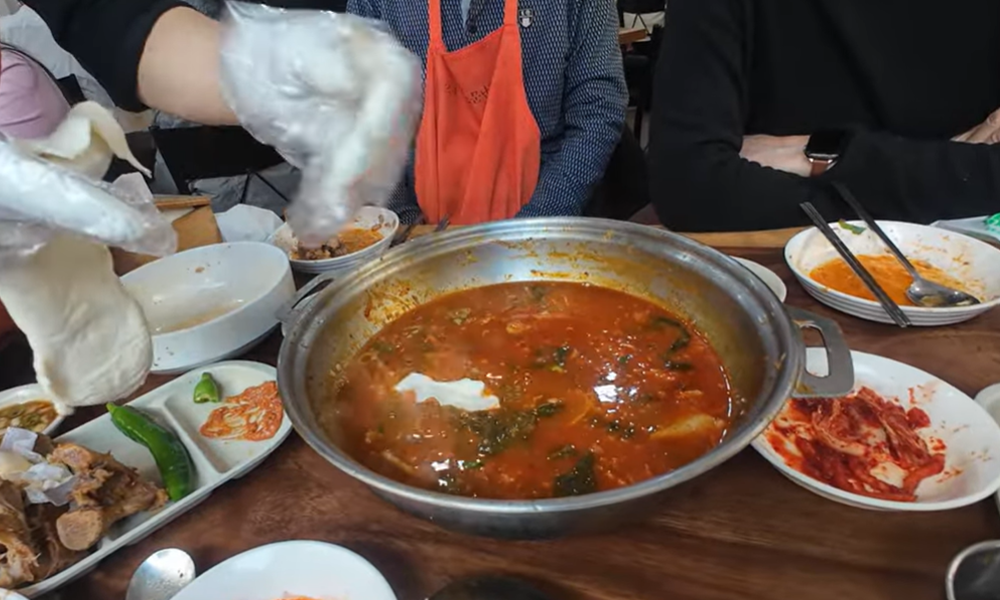
Somunnan Gamjatang (소문난 감자탕) for pork bone soup. Over 10,000 Naver reviews at four-plus stars, over 5,000 on Google, open 24 hours. When we went with my parents there was already a line. The pork bone is great but the real reason to come is the end of the meal: the server pulls fresh sujebi dough directly into your remaining broth, then makes bokkeum bap (fried rice) from what’s left. Ian had two packs of noodles. We were full for the rest of the day.
Cafe Onion for coffee and pastries. One of the most famous cafes in Seoul right now. Converted industrial building with a rooftop patio and courtyard. Award-winning pastries. Get the fig cake and the strawberry latte.
Mullae-dong (문래동): On My List for This Trip
Full transparency: I haven’t been to Mullae-dong yet. But I’ve been hearing about it from enough people I trust that it’s one of the first places on my list this trip. Here’s what I’ve been hearing:
- It was named one of the coolest neighborhoods in the world by Time Out Magazine in 2025 and was featured in the Netflix K-drama “Our Unwritten Seoul.” That kind of attention usually means the window to see it before it gets overrun is closing fast.
- The industrial-to-art pipeline is still intact. Mullae was a steel fabrication and metalworking district for decades, and some of those workshops are still running. Artists moved in when rents were cheap, converted factory spaces into studios and galleries, and now it’s this strange mix of welding sparks and specialty coffee. The murals painted directly onto factory shutters and scrap metal sculptures left on the street are apparently something else.
- The bar scene is the draw at night. Hidden bars tucked into industrial alleys, the kind of spots that don’t have signs and feel like you found something. The vibe is supposed to be very different from Hongdae or Itaewon.
- Late afternoon is the recommended entry point — the area is quiet during the day when workshops are running, and comes alive once the bars open. Mullae Station on Line 2 makes it easy to combine with Seongsu.
I’ll report back with my actual impressions once I’ve walked it myself. If it lives up to what I’ve been hearing, it’ll get its own proper post.
Lotte World Mall vs The Hyundai Seoul
Lotte World Mall
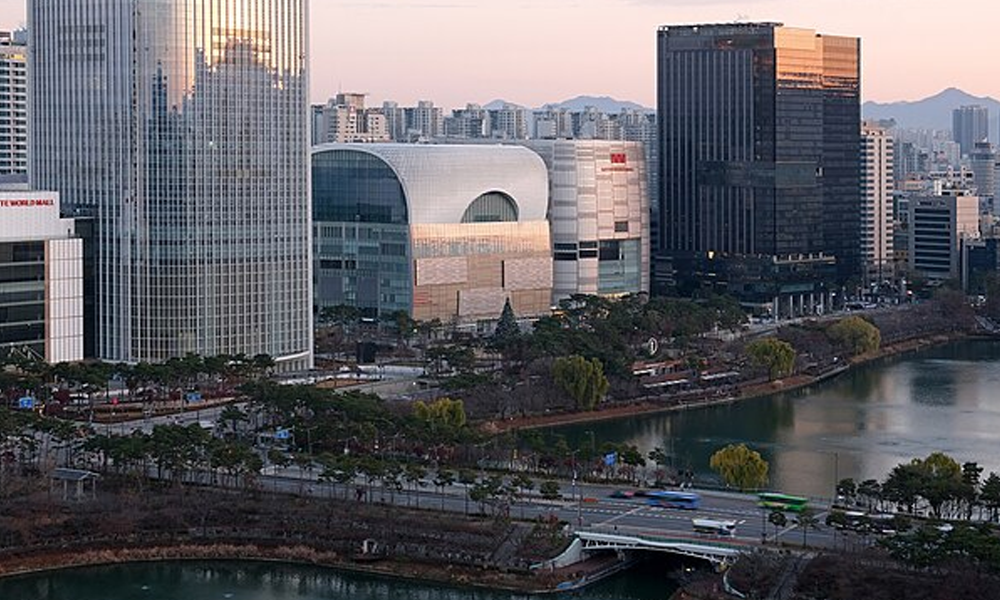
Essentially a city inside a building. High end designers down to Zara, with a wide spectrum in between. My favorite floors are the lower ones where all the Korean brands live: Ader Error, Matin Kim, Mardi Mercredi, all in one place. The complex also has an amusement park, aquarium, and observatory. Honest takes: the amusement park is run down and old, skip it unless you have kids who insist. The aquarium is okay, worthwhile if you have kids. The mall itself though, you could spend an entire day here easily.
The Hyundai Seoul
Completely different energy. More zen, more curated. It’s still massive but it feels intentional. They do incredible art and design installations during special occasions that are genuinely worth seeing. Do not skip the basement. It has some of the best brand selection in the building.
After The Hyundai Seoul, walk over to the Han River. It’s right there.
Han River: How Koreans Actually Spend an Afternoon
The Han River is not a tourist attraction in the traditional sense. It’s just where Koreans go to exist. And as someone who grew up coming here, there’s something genuinely grounding about it.
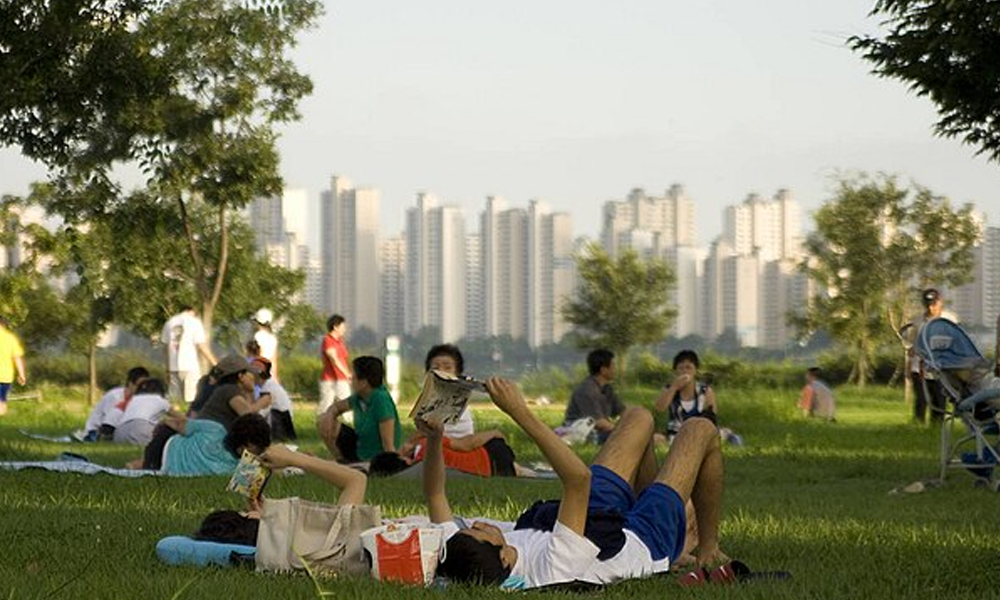
The actual Korean way to do it: order chicken and takeout delivered to the riverbank, rent a 돗자리 (picnic mat) or bring your own, and just sit there for hours. Watch the buskers. Rent a bike or a swan boat if you feel like it. Nobody is rushing you. It costs almost nothing and it will genuinely be one of the most memorable afternoons of your trip.
Namsan Tower
If it’s your first time and you have a spare half day, the hike up is scenic and the views at the top are beautiful, especially at night. If you’re short on time or this isn’t your first trip, skip it and spend those hours eating. It will always be there next visit.
Food: What We Actually Ate
We’ve eaten through Seoul more times than I can count. Here are the meals worth knowing about from our recent trips.
Doenjang Jjigae at Jin Soy (진된장 가산본점)
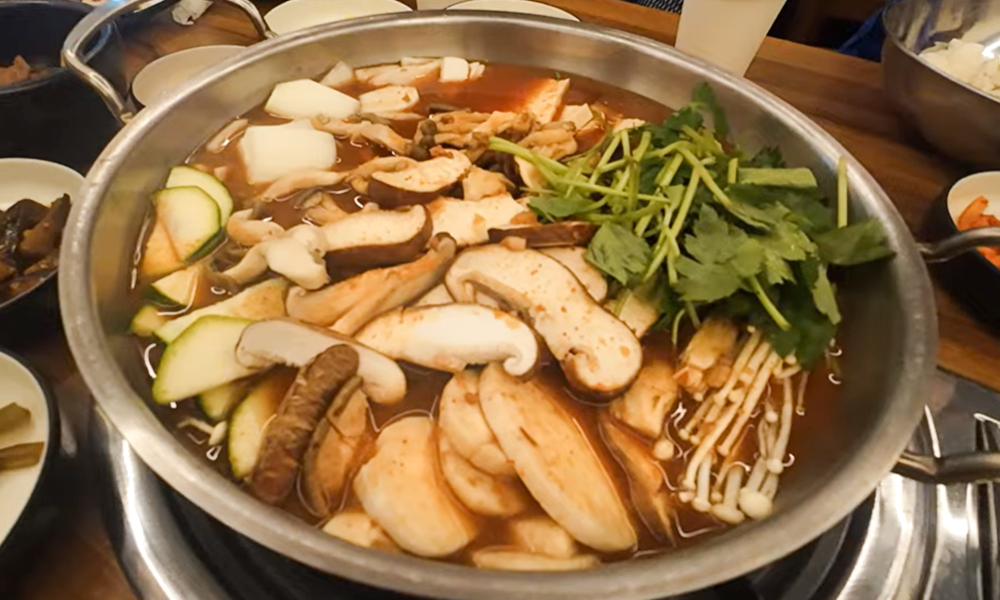
This place ferments their soybeans in massive traditional jars out front and you smell it the moment you walk in. Deep, strong soybean flavor that you either love immediately or need a few spoonfuls to get into. I love it. Ian loves it so much he said he’d make a special trip to Gasandong just for this place. At the end of the meal, grab ramyeon from the front counter and cook it yourself in the remaining stew. Ian added two packs. Some things are predictable.
Seafood Feast: Haewoori (해우리), Jamsil
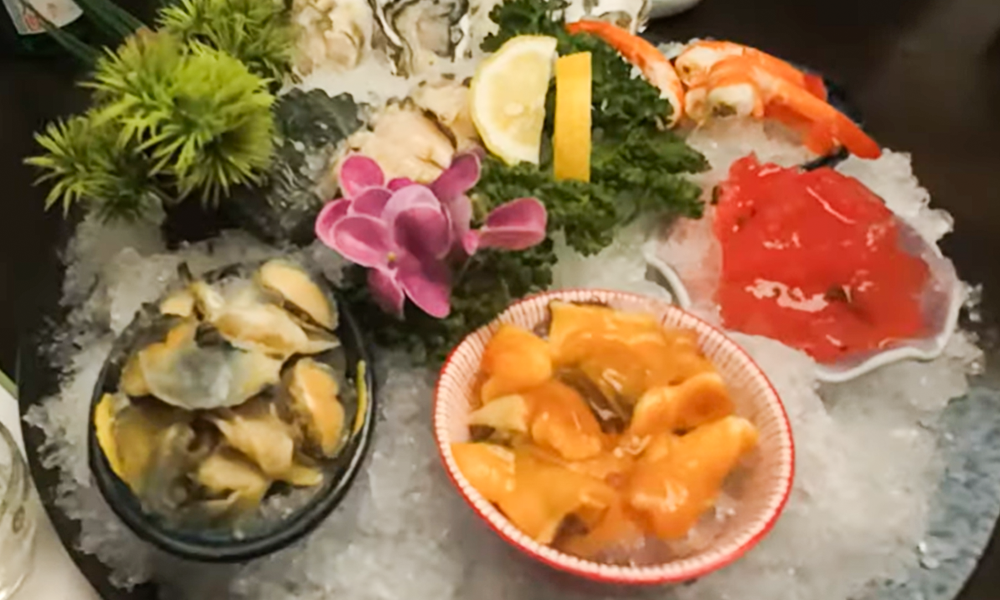
We took my parents here for a proper Korean sashimi dinner. Korean sashimi (hoe) is very different from Japanese. It’s much chewier, sometimes even crunchy, and you wrap it in greens rather than eating it straight. We had Korean oysters, fresh abalone, peeled shrimp, marinated jellyfish, sea pineapple (meongge), and raw crab. The sea pineapple has an intense ocean smell and a strange texture. Not my personal favorite. The oysters with chojang sauce though? Perfect. They have private rooms, which made it ideal for a family dinner.
Nangga (낭가), Shin-dang
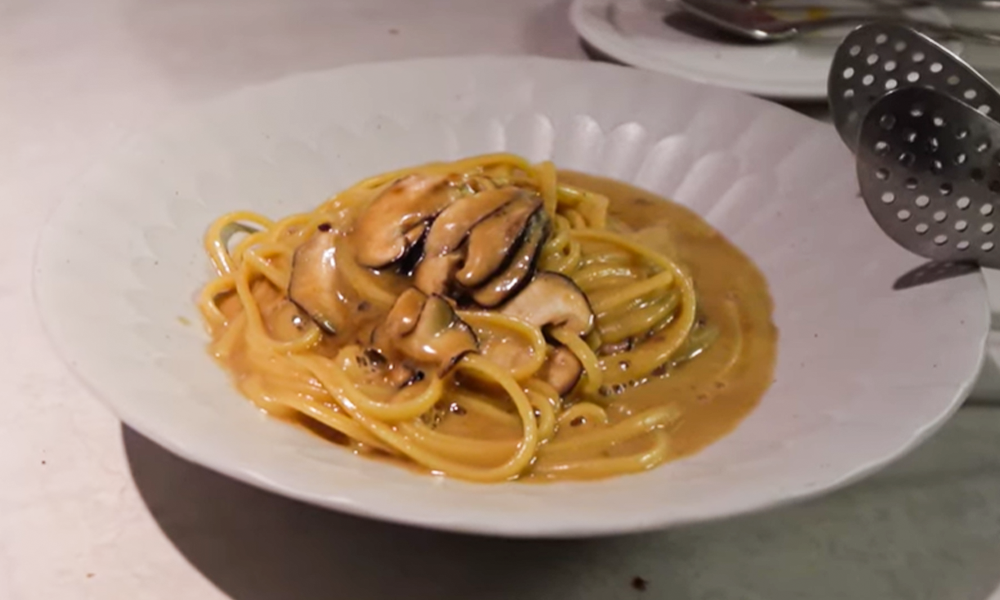
An Italian restaurant in Seoul that I think about constantly. Chef Jin trained across North America and was featured in Culinary Class Wars on Netflix. Nangga means “romantic chef” in Korean, which tells you everything about the vibe. The cuttlefish topped with six-vegetable sofrito sauce is the standout appetizer. I said on camera that my mouth was literally watering from the smell. The focaccia is made with dough fermented for 48 hours and we ordered two because we needed it for the pasta sauces. The porcini cream pasta was actually inspired by a chicken ramen in Japan that we introduced to Chef Jin. We haven’t posted that ramen spot yet but it’s coming. Watch the date night in Seoul video for the full Nangga experience.
Niu Rou Mian Guan (Michelin Bib Gourmand)
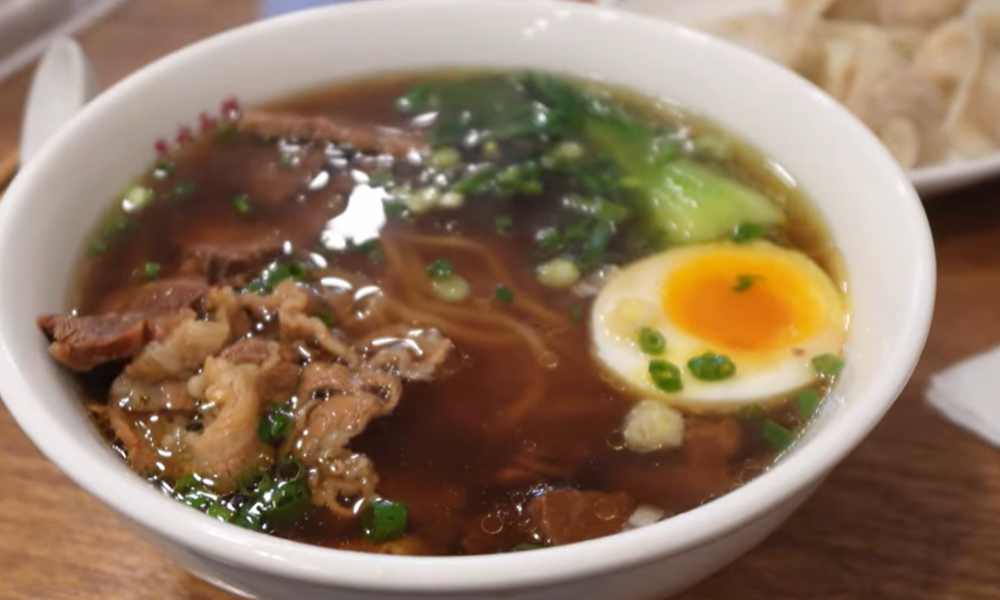
A Chinese beef noodle house ten minutes from our hotel, with a Michelin Bib Gourmand rating. The interior looks like a wartime Chinese drama set and the specialty is Chinese beef noodle soup. Their Niu Rou Mian Special is 15,000 won (about $16 CAD): brisket, shank, and beef short plate all in one bowl. Order the dumplings early because they sell out daily. Pork, shrimp, and young cabbage filling, 8,000 won for seven pieces (about $8.50 CAD). Ian started with the dumplings. I started with the boiled egg. We don’t need to agree on everything.
Watch Our Seoul Videos
Both of our Seoul videos go deep on the food and neighborhoods covered in this guide. The perfect date in Seoul video covers Ikseon-dong, Nangga, and the Gwanghwamun light show. The 72-hour Seoul food tour covers the seolleongtang, Daiso haul, Hanwoo BBQ, sashimi feast, pork bone soup in Seongsu, Cafe Onion, and more, including my parents’ first appearance on camera. Subscribe so you don’t miss the upcoming Seoul content from our month-long trip. And come find me on Instagram at @chasing.jenny.
 chasingthechungs.com
Leave a comment