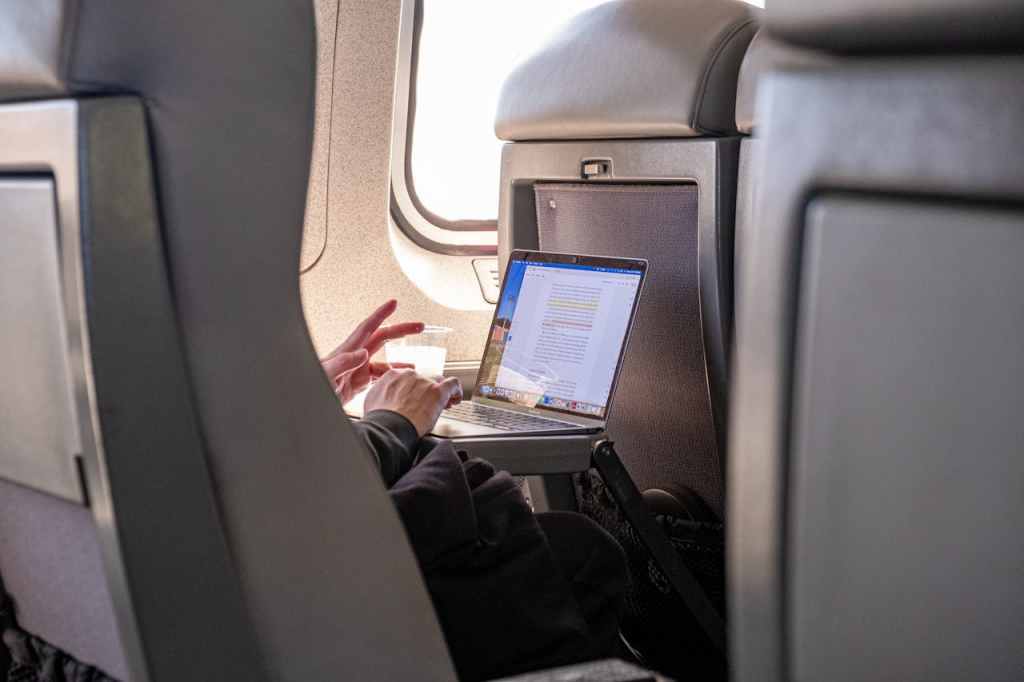
A fellow Canadian left a comment on one of our long-term stay videos a couple of months ago. He was planning his winter escape, spending 1 to 2 months each in Malaysia, Korea, and Japan, and wanted to know how they actually compared for longer stays. We replied in the comments, but it stuck with me. Because the honest answer is longer than a comment allows.
Ian and I spent 202 days working remotely across six Asian countries. Not a vacation. We were uploading YouTube videos, dealing with WiFi issues, living out of hotels and condos, and tracking what things actually cost. This post is the written version of everything we learned: which countries worked, which ones surprised us, and which ones are more complicated than the internet makes them seem.
If you’re Canadian and trying to escape a long winter, keep reading. We’re breaking down the weather, the costs, and the honest livability of each country so you can actually plan.
Jump to a Section
- How We Ranked These Countries
- Vietnam: #1 Best Overall Value
- Malaysia: #2 Best for Long-Term Stays
- China: #3 Best Infrastructure, Hardest for Creators
- South Korea: Amazing But Expensive
- Japan: Our Favorite, Hardest to Afford
- Thailand: Not What It Used to Be
- Cost Comparison and Final Rankings
- FAQ
How We Ranked These Countries
This isn’t based on a two-week trip with vacation brain. We evaluated each country based on what actually matters when you’re working remotely for weeks or months at a time:
| Category | Why It Matters |
|---|---|
| Cost of living | Daily spend including accommodation, food, and transport |
| Accommodation quality | Space, natural light, dedicated work area |
| Internet reliability | Speed, consistency, and access to Western platforms |
| Food variety and health options | Can you eat well without trying too hard |
| Transportation and infrastructure | Metro access, affordability of taxis and apps |
| Winter weather for Canadians | Is this actually a warm escape or just trading one cold for another |
🥇 Vietnam: Best Overall Digital Nomad Value in Asia
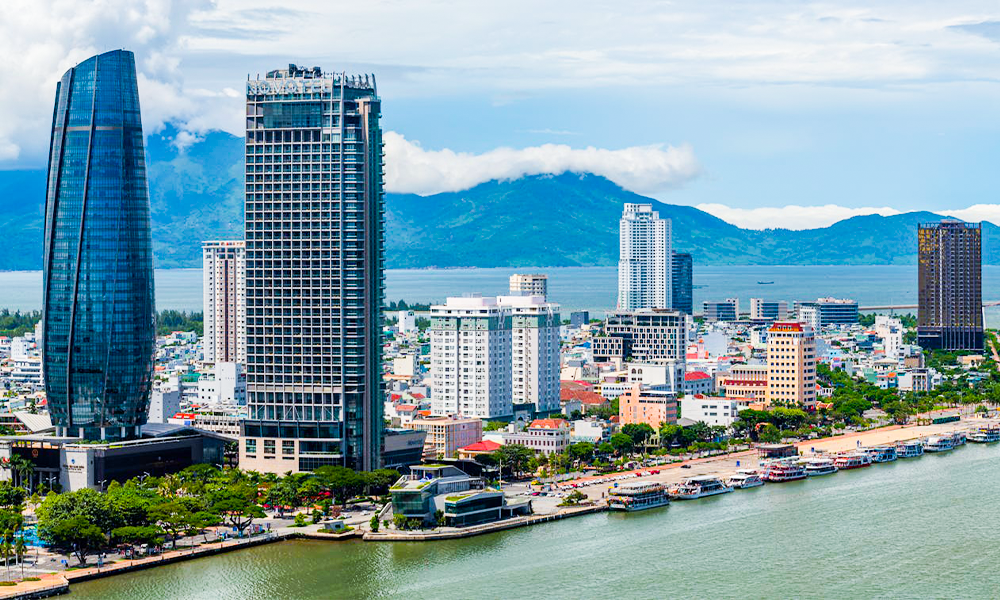
Vietnam surprised us more than any other country on this list. We went in without huge expectations and came out genuinely in love with living there.
Winter Weather: Perfect
For Canadians escaping winter, Vietnam is the answer. During the winter months the weather is cool and comfortable. Not beach-hot, not Canadian-cold. T-shirt weather with a light layer in the evenings. You can actually walk around outside for hours without melting or freezing, which sounds basic but makes a huge difference to your day-to-day quality of life.
Where We Stayed
We moved through Hanoi, Ninh Binh, Ha Long Bay, Da Nang, Hoi An, and Phu Quoc. For a long-term digital nomad stay, Da Nang is our top recommendation. It has everything: the beach is right at your doorstep, the food is incredible, the weather is ideal, and the coffee scene is genuinely one of the best we’ve experienced anywhere in Asia.
That coffee culture deserves its own mention. Vietnam runs on Robusta beans, which are stronger and more bitter than the Arabica you’re used to back home, and we fell completely in love with it. Ian became obsessed with egg coffee. I became obsessed with salt coffee. Every day after lunch we’d find a small coffee shop, pull up the tiny plastic chairs on the sidewalk, sit in the sun, and just… be there. It was one of the highlights of every single day and it’s genuinely what we miss the most about Vietnam.
Massages are also exceptional here and the prices are unbeatable. A proper hour-long massage costs a fraction of what you’d pay for a mediocre one back in Canada.
What We Paid
We paid $652 CAD for 27 nights in Da Nang, which works out to roughly $24 CAD per night for 4-star hotels (a bit run down in places, but perfectly comfortable). One hotel included a full continental breakfast. We originally booked an Airbnb but the mattress was so hard we had to bail last minute and rebook over Christmas and New Year’s when options were limited. If we had locked in a long-term condo from the start the cost could have come down further. Lesson learned: book early in Vietnam, especially over the holidays.
The Downsides
Public transit is underdeveloped. You’ll be on Grab a lot and those costs add up over weeks. Not a dealbreaker, just something to budget for.
Best for: Canadians who want comfortable winter weather, affordable living, great food, and an easy pace of life.
🥈 Malaysia: Best for Long-Term Condo Living
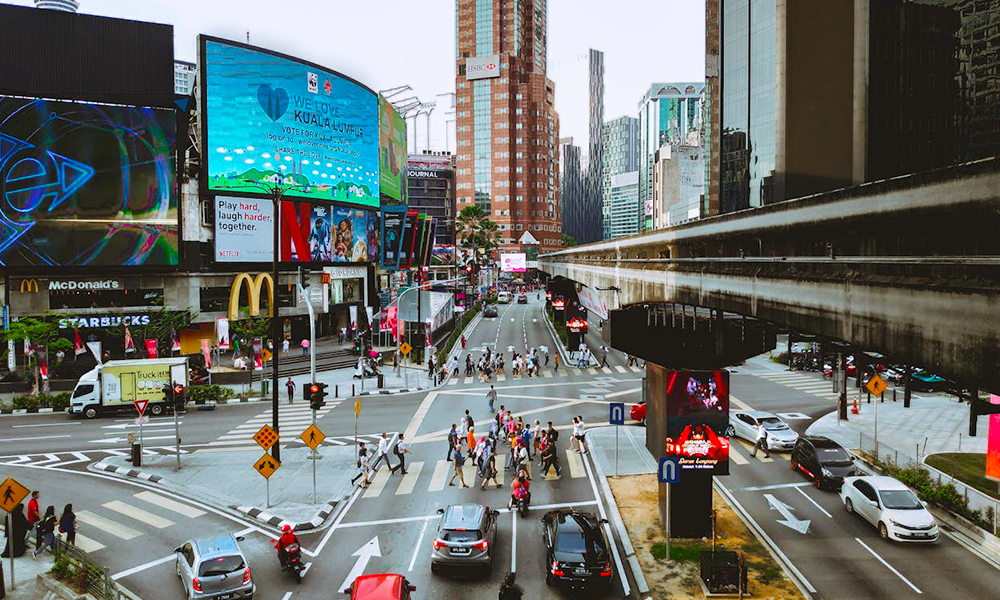
Malaysia is our favorite Southeast Asian country for longer stays and the one we keep coming back to. The condo situation here is on a different level compared to the rest of the region.
Winter Weather: Hot Year-Round
If you’re leaving a Canadian winter and want to feel warm, Malaysia delivers. It’s hot and humid all year with no cold season to worry about. The flip side is that the heat is relentless, including at night, which means you end up spending a lot of time indoors with the air conditioning on. It’s warm outside, but you won’t be lingering on patios the way you might in Vietnam.
Where We Stayed
We always stay long-term in Kuala Lumpur with shorter visits to Penang and Melaka. For a long-term stay in KL, we strongly recommend being in Bukit Bintang, close to the metro. Because the heat makes it hard to stay outside for long, being walking distance from a mall and a metro station matters more here than in most cities. It gives you somewhere cool to be and easy access to the rest of the city without depending entirely on Grab.
We stayed at a luxury condo near Bukit Bintang close to TRX. There was a deal on 2-bedroom units when we booked, which turned out to be lucky since some of our plans fell through and we ended up in Malaysia earlier than expected. I booked a 1-bedroom first and the beds were small, more like a double than a queen, which made sleeping difficult for two people. Moving into the 2-bedroom was a significant upgrade. If you’re coming as a couple, book a 2-bedroom from the start.
What We Paid
We paid $1,466 CAD for 29 nights, roughly $51 CAD per night for a full luxury condo with kitchen, living space, and room to work comfortably. Higher than Vietnam but the quality of accommodation for the price is genuinely hard to match elsewhere in Southeast Asia.
The Downsides
The heat keeps you indoors more than you’d expect. Traffic is bad. Public transit is improving but you’re still Grabbing more than you’d like, and Malaysia is not a walkable country the way Japan or Korea is.
Best for: Canadians who want to feel genuinely warm, have space to live and work comfortably, and want a modern city base for one to three months.
🥉 China: Best Infrastructure, Hardest for Content Creators
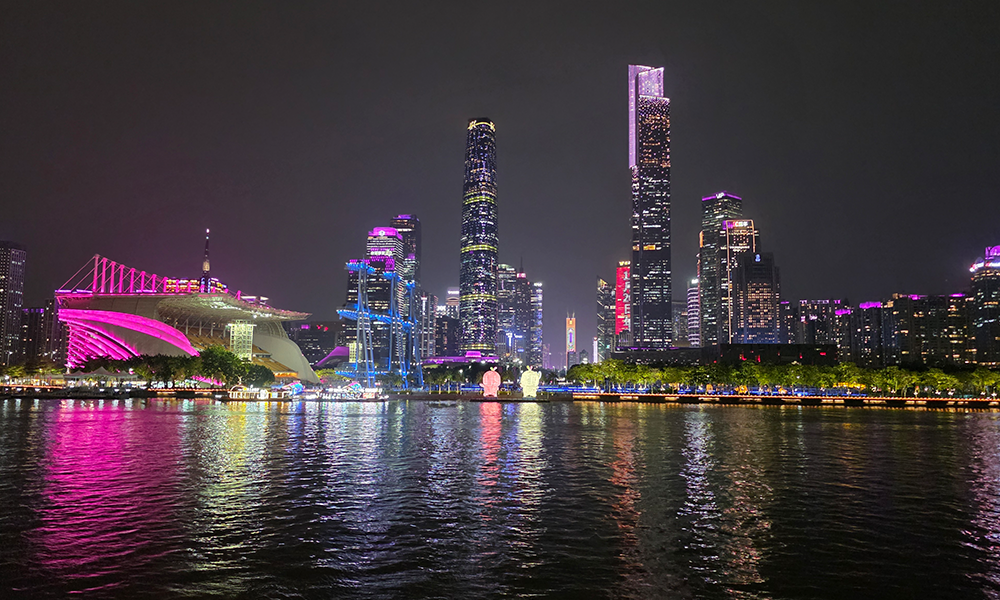
China is a genuinely impressive country to move around in. The infrastructure is world-class and your money goes very far. But there’s a catch that makes it complicated for anyone who works online.
Winter Weather: Depends Entirely on the City
China is enormous and the weather varies wildly by region. This matters a lot for Canadians planning a winter escape. Northern cities like Beijing are bitterly cold in winter. But head south to Guangzhou and it’s a completely different story. We loved Guangzhou for exactly this reason: comfortable and cool, perfect for walking around in just a t-shirt. Warm enough to be outside without the oppressive heat of Southeast Asia.
Where We Stayed
Since it was our first time in China, we moved between Chengdu, Dujiangyan, Chongqing, Shanghai, Hangzhou, Wangxian Valley, Xiamen, and Guangzhou. City hopping kept costs higher than a longer stay in one place would have. Of everything we visited, Guangzhou was our top pick for a longer-term digital nomad base: great weather, great food, reasonable prices, and excellent shopping.
What We Paid
We paid $378.69 CAD for 7 nights while city hopping, roughly $54 CAD per night for 4-star hotels (a bit run down). That’s on the higher side for China because we were moving constantly. A long-term stay in a single city like Guangzhou would bring the average down considerably.
The Firewall Problem
If your work depends on YouTube, Google Drive, or any Western platform, China is genuinely frustrating. We spent hours, sometimes late at night, trying to get videos uploaded even with a good VPN. It’s not a minor inconvenience. It’s a real operational problem if content creation is your job.
The Other Downsides
Affordable hotels often have no windows, no proper workspace, and limited natural light. You need to pay more to get a comfortable room. Affordable food also skews carb-heavy and eating lighter takes more effort than in Vietnam or Malaysia.
Best for: Remote workers who don’t depend on Western platforms, want excellent infrastructure at low cost, and are willing to be strategic about which city they base themselves in.
South Korea: Amazing Infrastructure, Expensive Accommodation
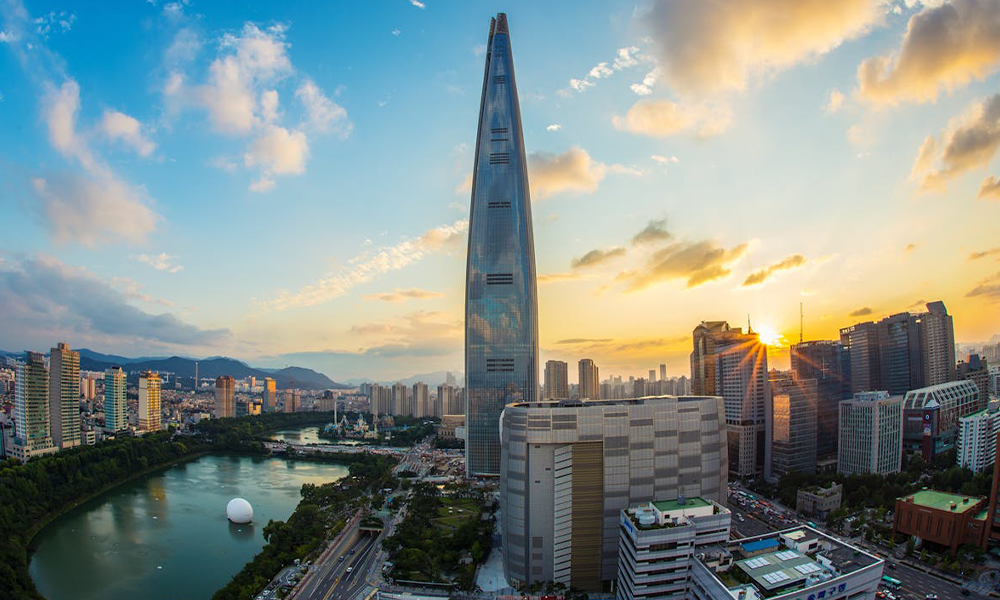
Korea has some of the best day-to-day quality of life of any country on this list. The metro in Seoul is exceptional. Taxis are affordable. Internet is among the fastest and most reliable in the world. The food scene is incredible. The shopping is great. It’s a genuinely wonderful place to be.
Winter Weather: Cold. This Is Not a Winter Escape.
If you’re leaving Canada to escape the cold, Seoul in winter is not the answer. Winters in Korea are genuinely cold, think Canadian city levels of cold, just with better food and a world-class metro. We would not recommend Korea as a winter escape destination. The seasons we’d suggest for a longer stay are spring and fall, when the weather is beautiful and the city is at its best.
What We Paid
A couple of years ago we paid around $1,900 CAD for a month in Gangnam, roughly $63 CAD per night for a studio condo seconds away from Gangnam Station. That was already on the higher side. Booking today, we’d expect to pay upwards of $2,500 a month for something comparable, which puts it over $83 CAD per night. Housing is the single biggest factor holding Korea back on this list.
Best for: Remote workers who want incredible infrastructure and don’t mind paying for it. Plan your visit for spring or fall, not winter.
Japan: Our Favorite Country, But Hard to Afford Long-Term
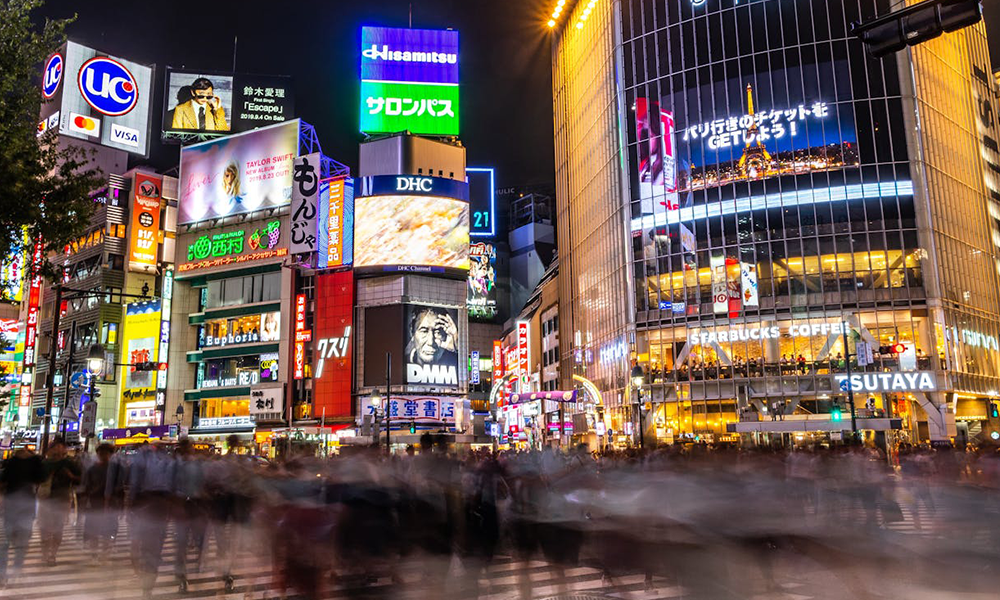
Japan is our favorite country in Asia, full stop. The metro systems are perfect, you almost never need a taxi, the food is unmatched, and everything just works. Being there feels good in a way that’s hard to explain until you’ve experienced it.
Winter Weather: Mild and Beautiful
Unlike Korea, Japan’s winters are mild and comfortable in most major cities. Spending winter in Tokyo or Osaka is a genuinely lovely experience: cool but not cold, and the cities are just as vibrant in January as any other time of year. This is a real advantage over Korea for anyone planning a Canadian winter escape.
What We Paid
We paid $917.91 CAD for 7 nights in Akihabara, roughly $131 CAD per night for a clean but small 3.5-star hotel. That is the reality of Japan right now and it’s hard to sugarcoat. If Korea feels expensive, Japan feels almost unreasonable for a long stay. A month would cost more than anywhere else on this list by a significant margin.
If budget isn’t a concern, Japan is the best winter destination on this list. If you’re cost-conscious, it’s very hard to justify long-term. We love it every time we go. We just can’t afford to stay as long as we’d like.
Best for: Remote workers for whom cost is not the primary concern and who want the best overall quality-of-life experience in Asia during winter.
Thailand: Not What It Used to Be
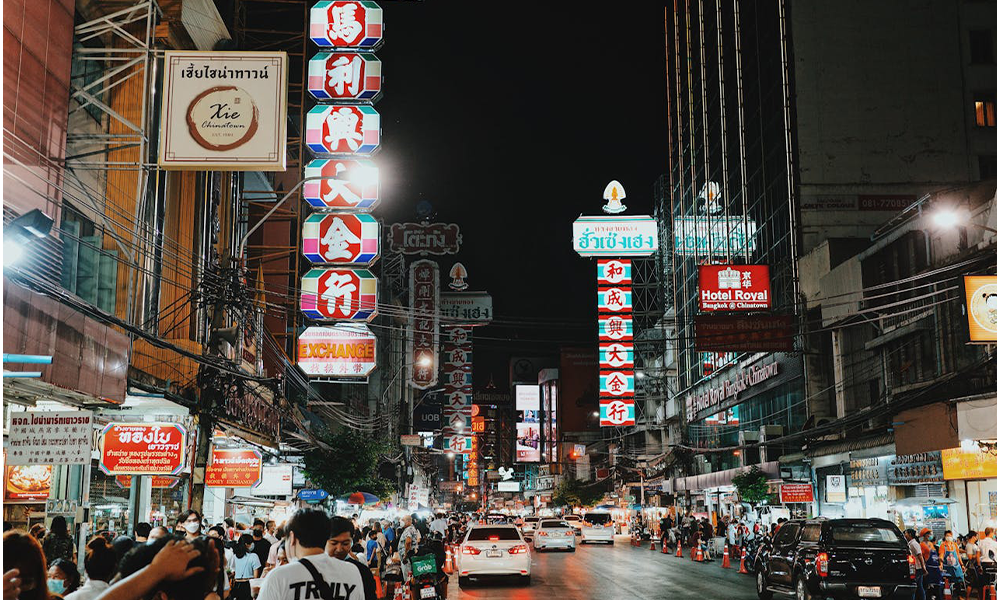
Thailand used to be the default answer to “where should I go as a digital nomad in Asia” and we understand why. But our experience this time was disappointing in ways we didn’t expect.
Winter Weather: Hot and Uncomfortable
Thailand in winter is relentlessly hot. Not the comfortable warm of Vietnam or the breezy cool of Guangzhou. For Canadians who want to escape the cold without trading it for something equally uncomfortable, Thailand is not the sweet spot.
Our Experience
We stayed at two hotels in Bangkok and both were disappointing. The first in Chinatown was a residence rather than a proper hotel, run down with a mattress so bad we requested a room change. Even the new room wasn’t much better. The location was good and we were close to some excellent restaurants, but the overall condition made it hard to settle in. The second hotel was in a less convenient location on top of everything else, and we had to walk significant distances just to find food. By the end of Bangkok, we were ready to move on.
What We Paid
Combined across both Bangkok stays: $586 CAD for 12 nights, roughly $49 CAD per night for 3-star hotels that felt more like 2-star motels. The frustrating part is that this is not cheap for what we got. Vietnam gave us significantly better accommodation at a lower nightly rate.
The Bigger Picture
Beyond our own experience, Thailand has gotten noticeably more expensive. The cost-to-value ratio that made it the go-to digital nomad destination a few years ago has slipped. Food variety felt more limited than in Malaysia or Vietnam. And despite improvements in Bangkok’s metro, you’re still heavily Grab-dependent for most of the city. Vietnam now offers better value in nearly every category.
Best for: Nomads who have a specific reason to be in Thailand rather than those choosing purely on value.
Cost Comparison and Final Rankings
Here’s how our actual accommodation costs stack up. All prices in CAD, based on real stays:
| Country | Avg Per Night (CAD) | What You Get | Winter Weather | Best For |
|---|---|---|---|---|
| 🥇 Vietnam | ~$24/night | 4-star hotels (slightly run down). Breakfast included at one property. | Cool and comfortable. Perfect for winter. | Best overall value |
| 🥈 Malaysia | ~$51/night | Full luxury condo with kitchen and living space in Bukit Bintang. | Hot year-round. | Best long-term condo living |
| 🥉 China | ~$54/night | 4-star hotels (slightly run down). Price inflated by city hopping. | Go south. Guangzhou is comfortable and cool. | Best infrastructure at low cost |
| South Korea | ~$63/night (rising to $83+) | Studio condo seconds from Gangnam Station. | Cold. Not a winter escape. | World-class internet and transit |
| Japan | ~$131/night | Clean but small 3.5-star hotel in Akihabara. | Mild and lovely. | Best quality of life in Asia |
| Thailand | ~$49/night | 3-star hotels that felt more like 2-star motels. | Hot and uncomfortable. | Still viable with a specific reason to go |
The number that stands out is Vietnam at $24 a night, breakfast included at one property, and perfectly comfortable throughout. Japan at $131 a night for a small hotel tells you everything about why we struggle to stay as long as we’d like. Thailand at $49 a night for genuinely poor quality rooms is the real problem: you’re paying more than Vietnam for significantly less.
Frequently Asked Questions
What is the best digital nomad country in Asia?
Based on our 202-day experience across six countries, Vietnam offers the strongest overall value: cost, comfort, internet, food quality, and winter weather combined.
What is the cheapest country for digital nomads in Asia?
Vietnam. We paid $652 CAD for 27 nights in Da Nang, which works out to about $24 a night. China can match it on raw cost but the internet restrictions make it harder for anyone working on Western platforms.
Which country has the best internet for remote work?
South Korea has the fastest and most reliable internet on this list. Vietnam and Malaysia are both solid. China has fast local internet but restricted access to most platforms you’ll need.
Is Thailand still good for digital nomads?
It’s still functional, but rising prices and poor accommodation quality in our experience made it the weakest value on this list. Vietnam beats it clearly now on cost, quality, and food.
What’s the best Asian country for a Canadian winter escape?
Vietnam is our top pick: comfortable cool weather, great food, $24 a night in Da Nang, and one of the most livable paces we’ve found anywhere. Malaysia is the best pick if you want a proper condo base and don’t mind the heat. Japan is the best overall experience if budget isn’t a constraint, with mild winters and world-class cities. Avoid Korea and northern China in winter. Both are genuinely cold.
We’re going deeper on each of these countries individually: costs, specific neighbourhoods, accommodation recommendations, and what Ian and I actually spent day to day. Subscribe on YouTube so you don’t miss those, and come find me on Instagram at @chasing.jenny if you have questions in the meantime.
 chasingthechungs.com
Leave a comment