Tokyo’s Most INTENSE Food Experiences: From Pure Anchovy Ramen to Unlimited Uni
Tokyo is home to over 160,000 restaurants, but these Tokyo food experiences are unlike anything else in the city. We visited 5 unique spots that left us shocked, surprised, and sometimes divided — from the most intense ramen broth we’ve ever encountered to a 112-year-old coffee shop. Here’s our honest review of Tokyo’s most unique food experiences.


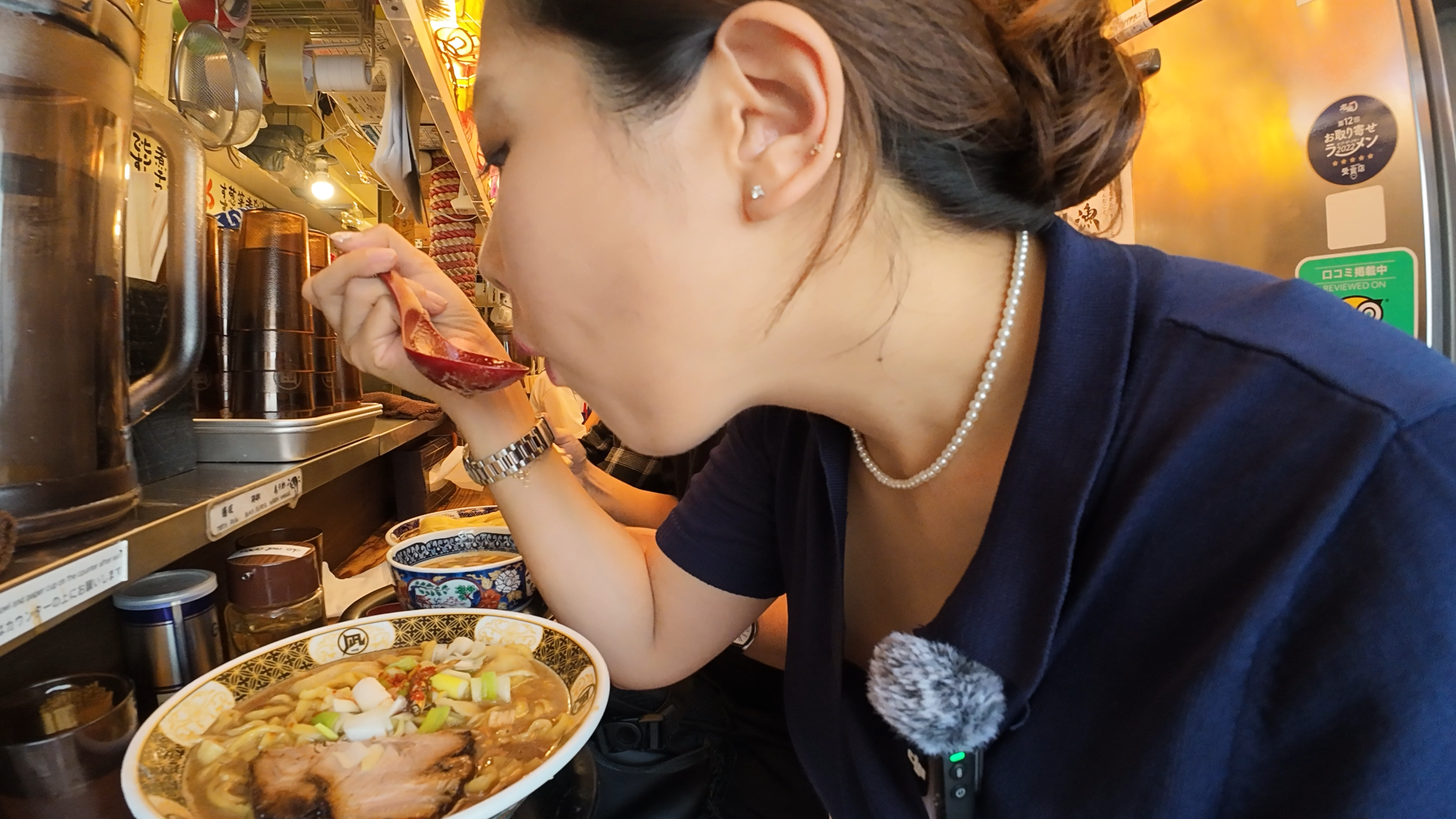
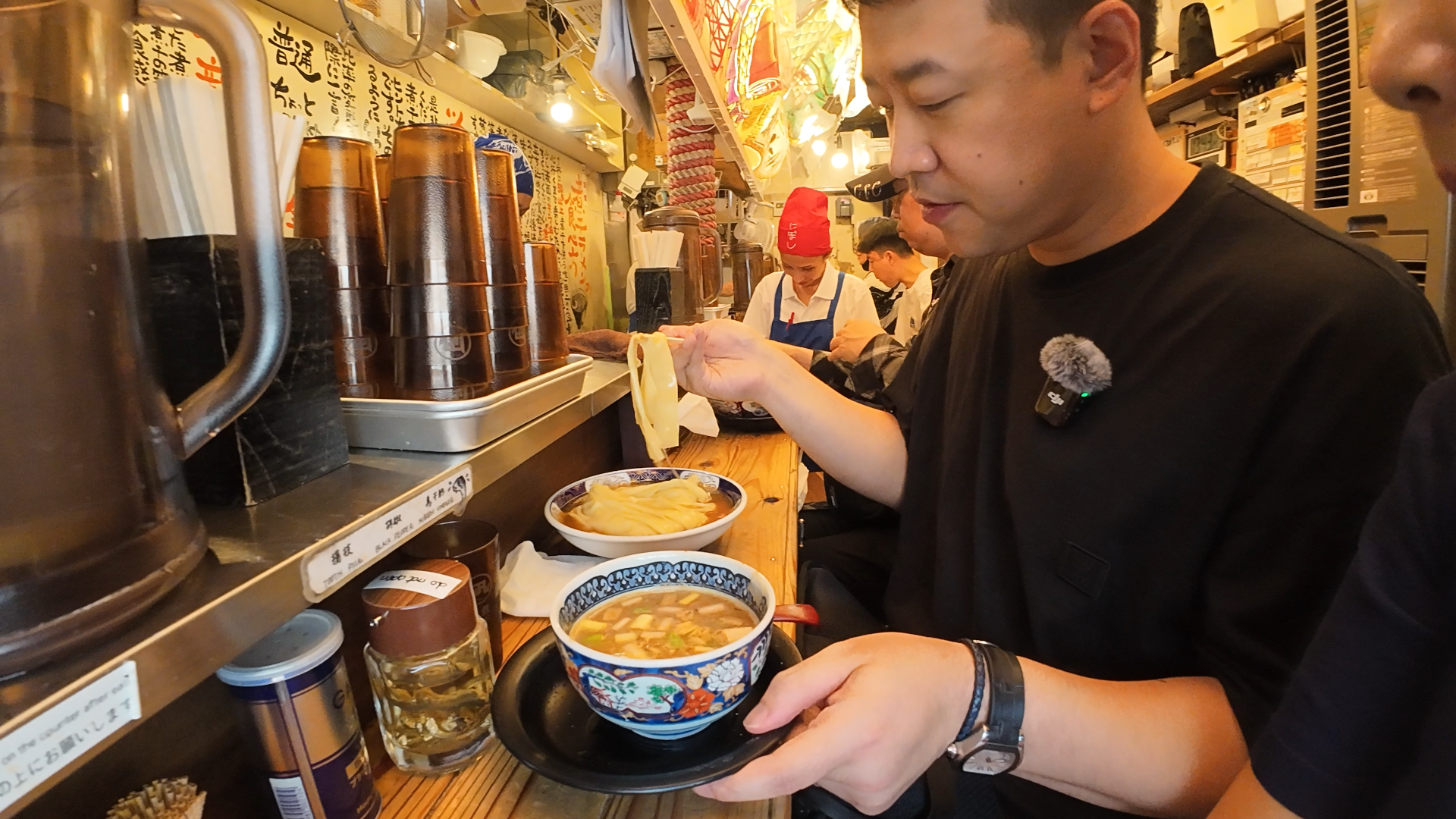
1. Sugoi Niboshi Rāmen Nagi (⭐⭐⭐3.5/5)
- 📍 2F 5-50-10 Shinjuku, Shinjuku City, Tokyo 160-0022
- ⏰ Hours: 11:30AM–3AM
- 💰 Price: ¥1,200-1,500
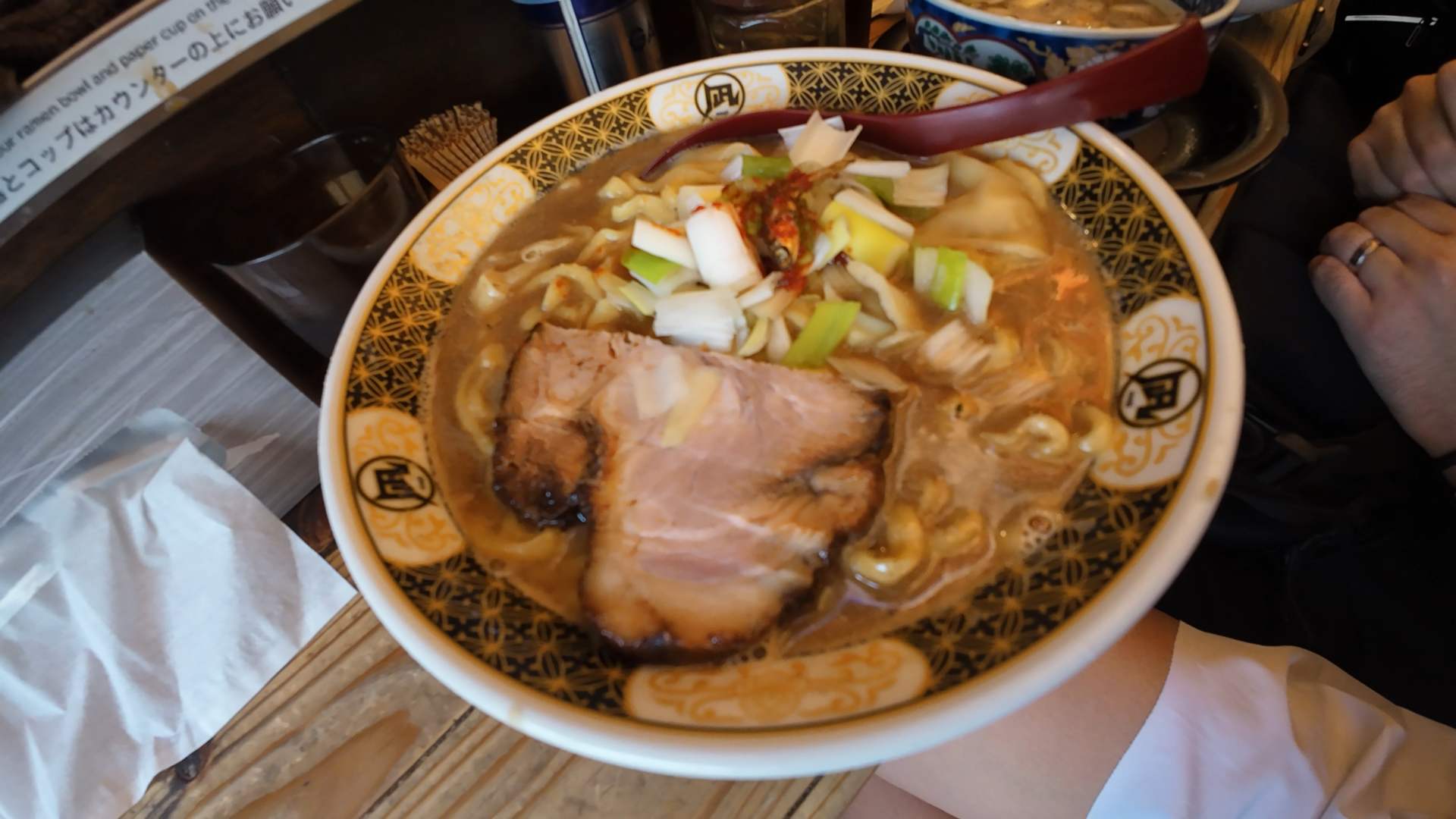
Hidden in the maze-like alleys of Shinjuku’s Golden Gai, this tiny ramen joint delivers possibly the most unique ramen experience in Tokyo. The moment you climb the nightclub-style stairs, you’re hit with an intense fish aroma that sets the tone for what’s coming.
What Makes It Special:
- Pure anchovy-based broth (INCREDIBLY strong)
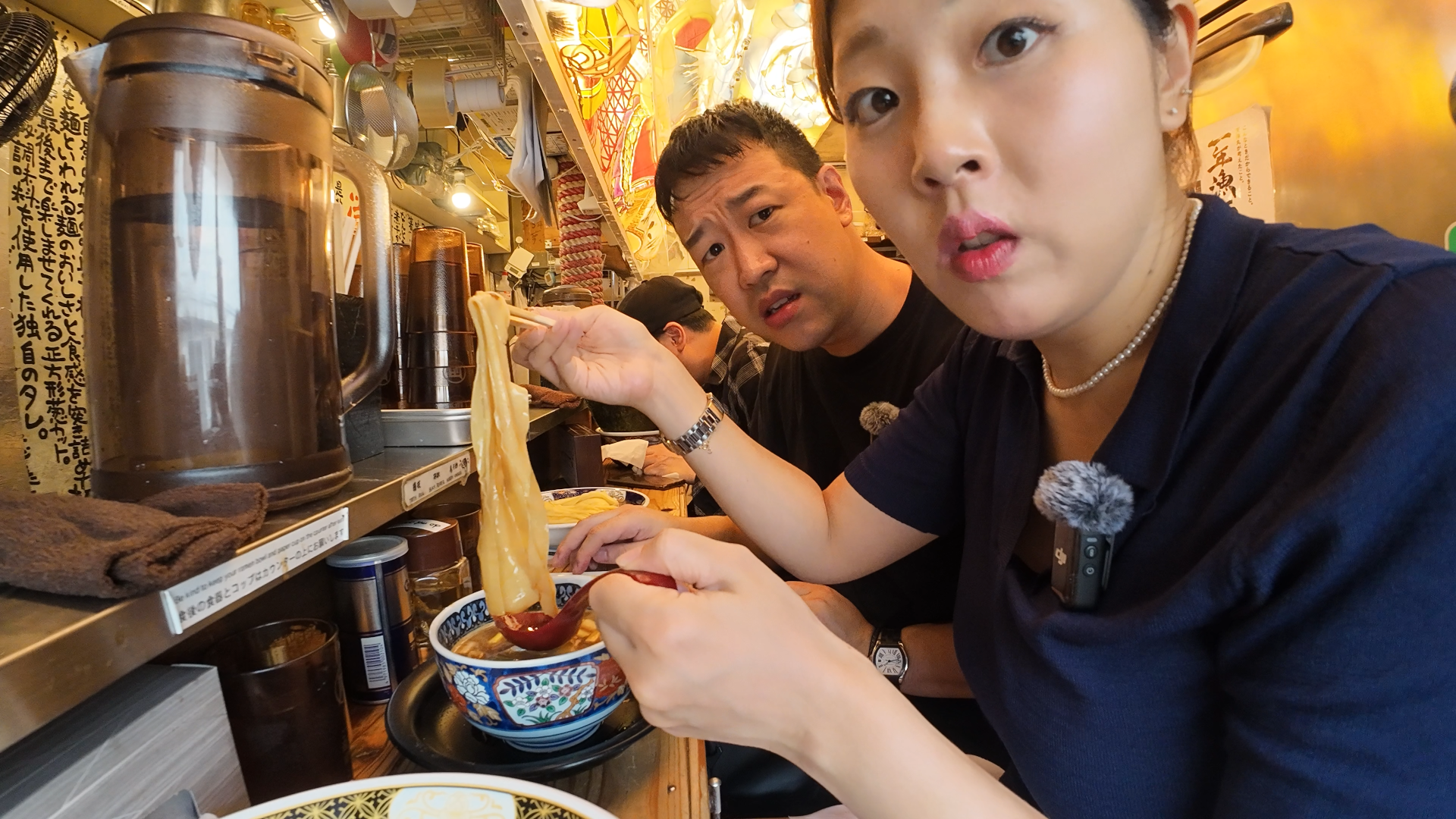
- Combination of thick and thin noodles
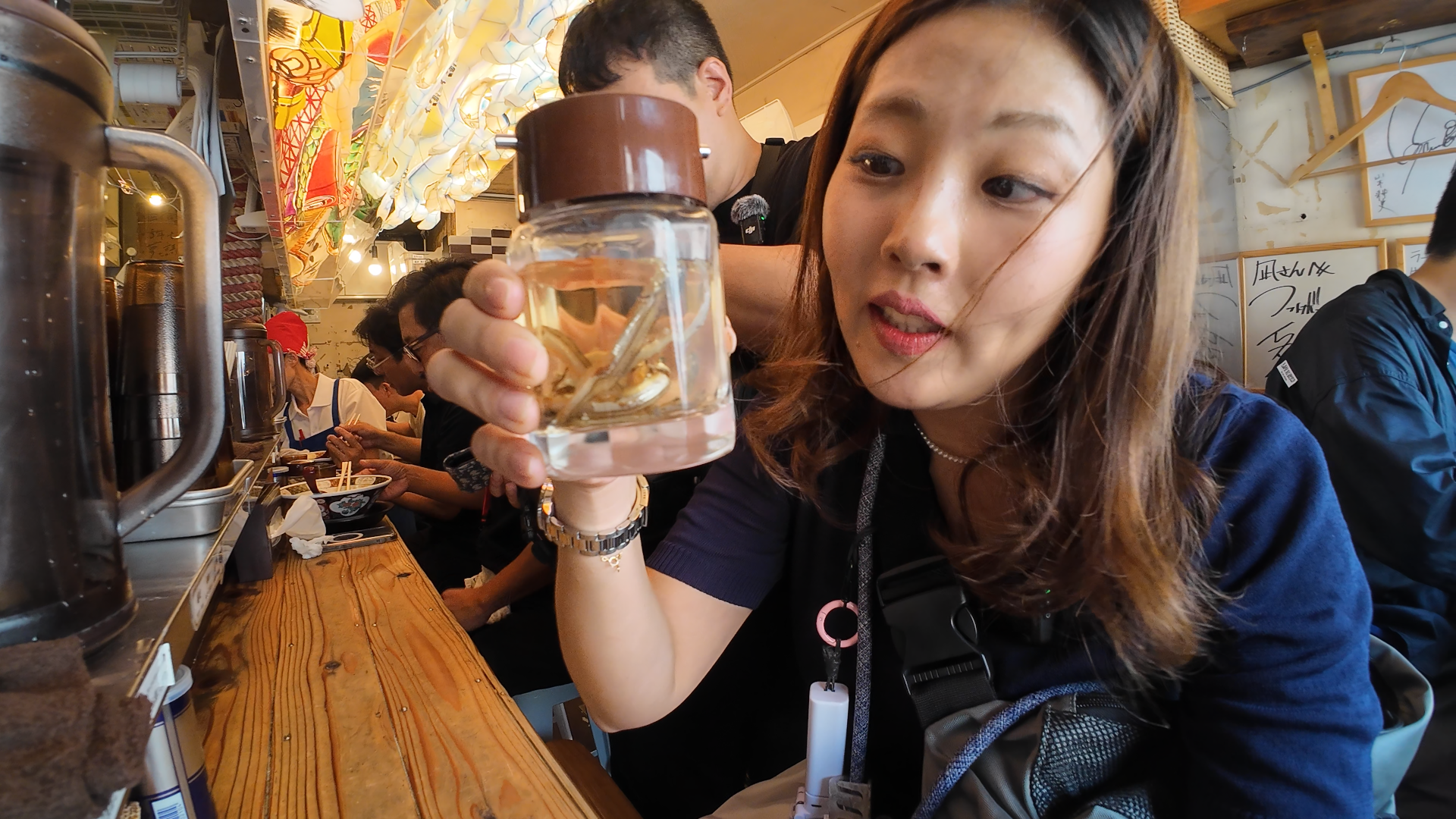
- Special anchovy vinegar for extra intensity
- Unique Golden Gai atmosphere
💡Pro Tip: If you’re not a fan of intense fish flavors, this might not be for you. Even Ian, our resident intense-flavor enthusiast, was shocked by its power.


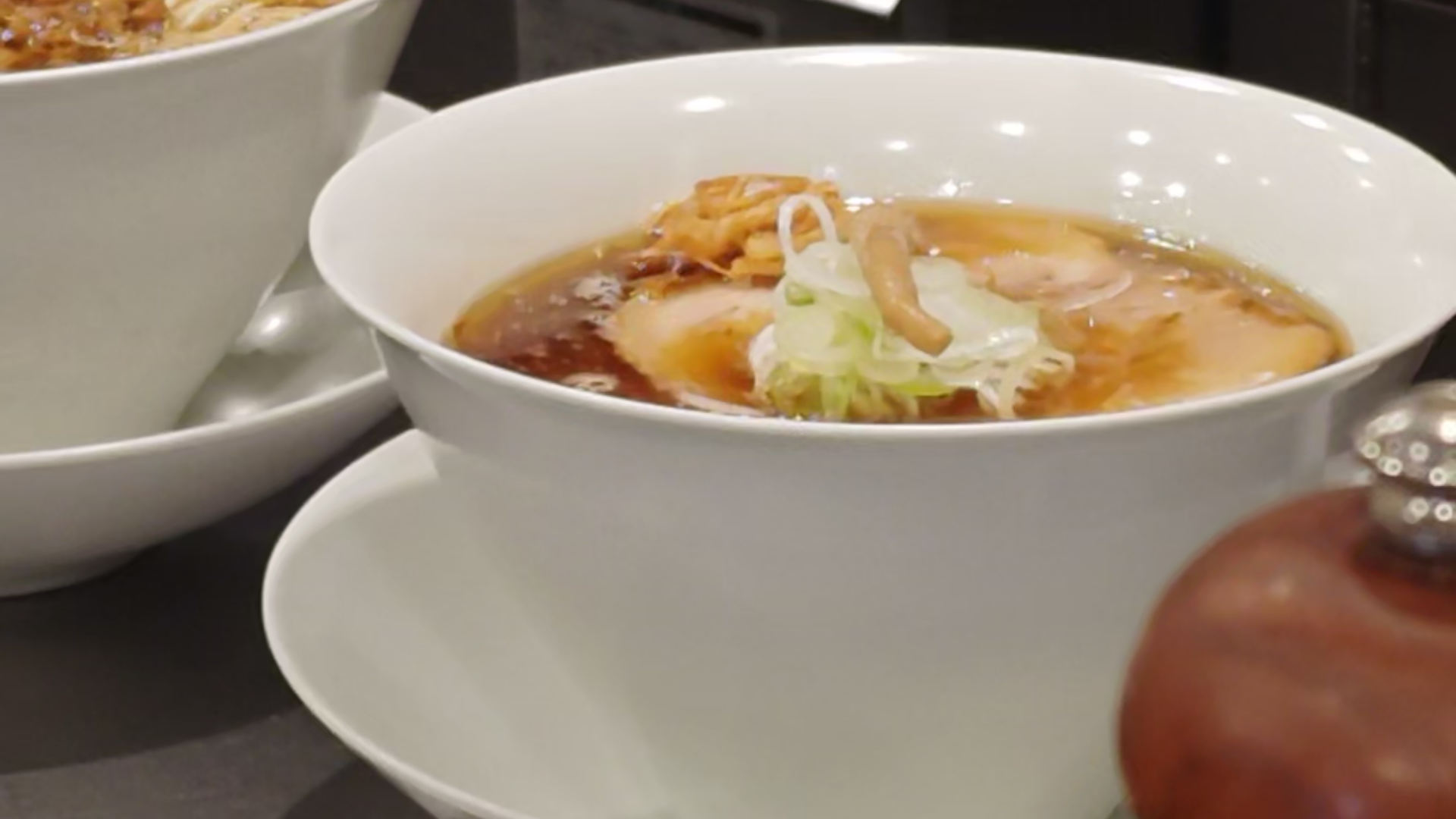
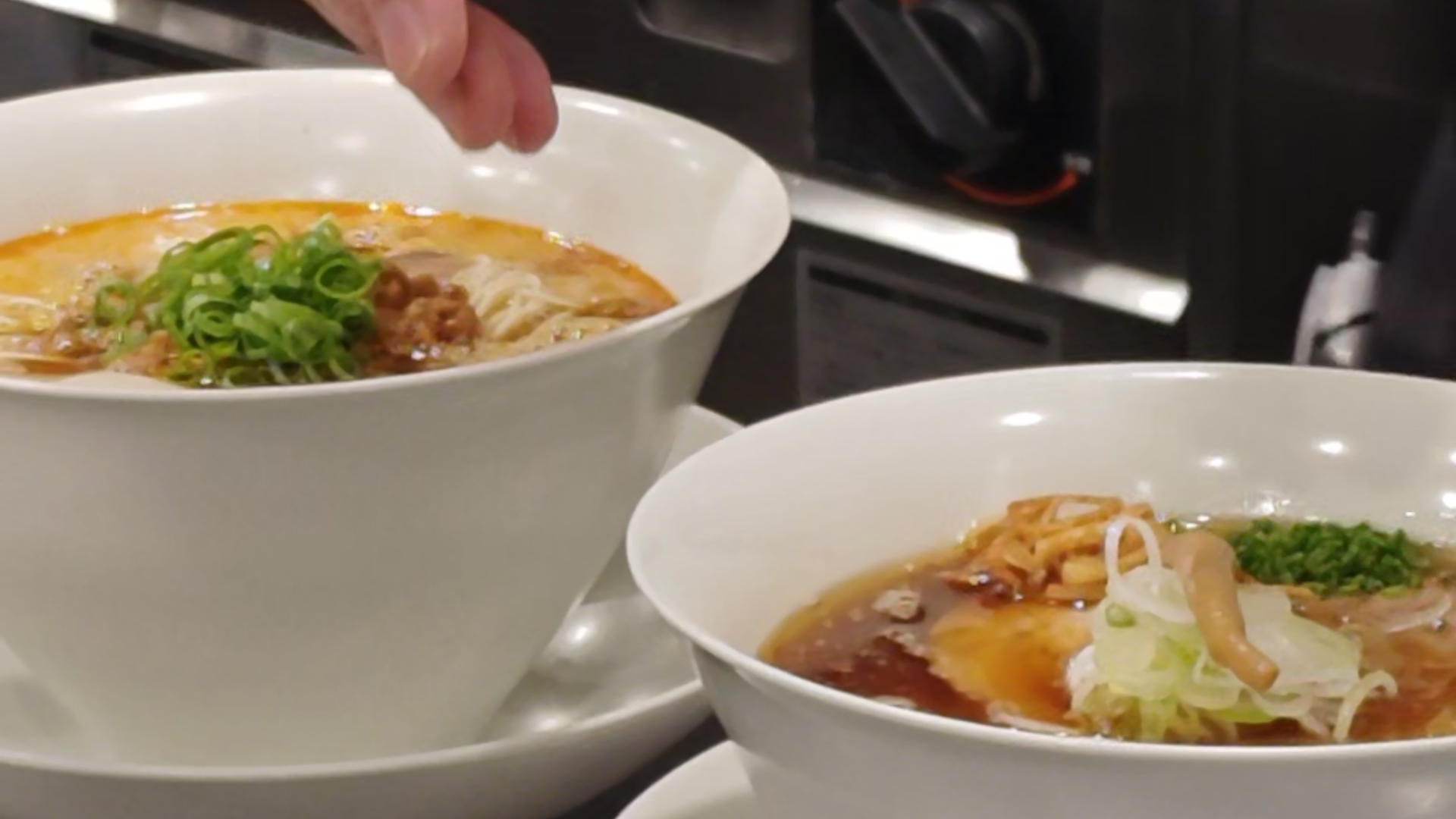
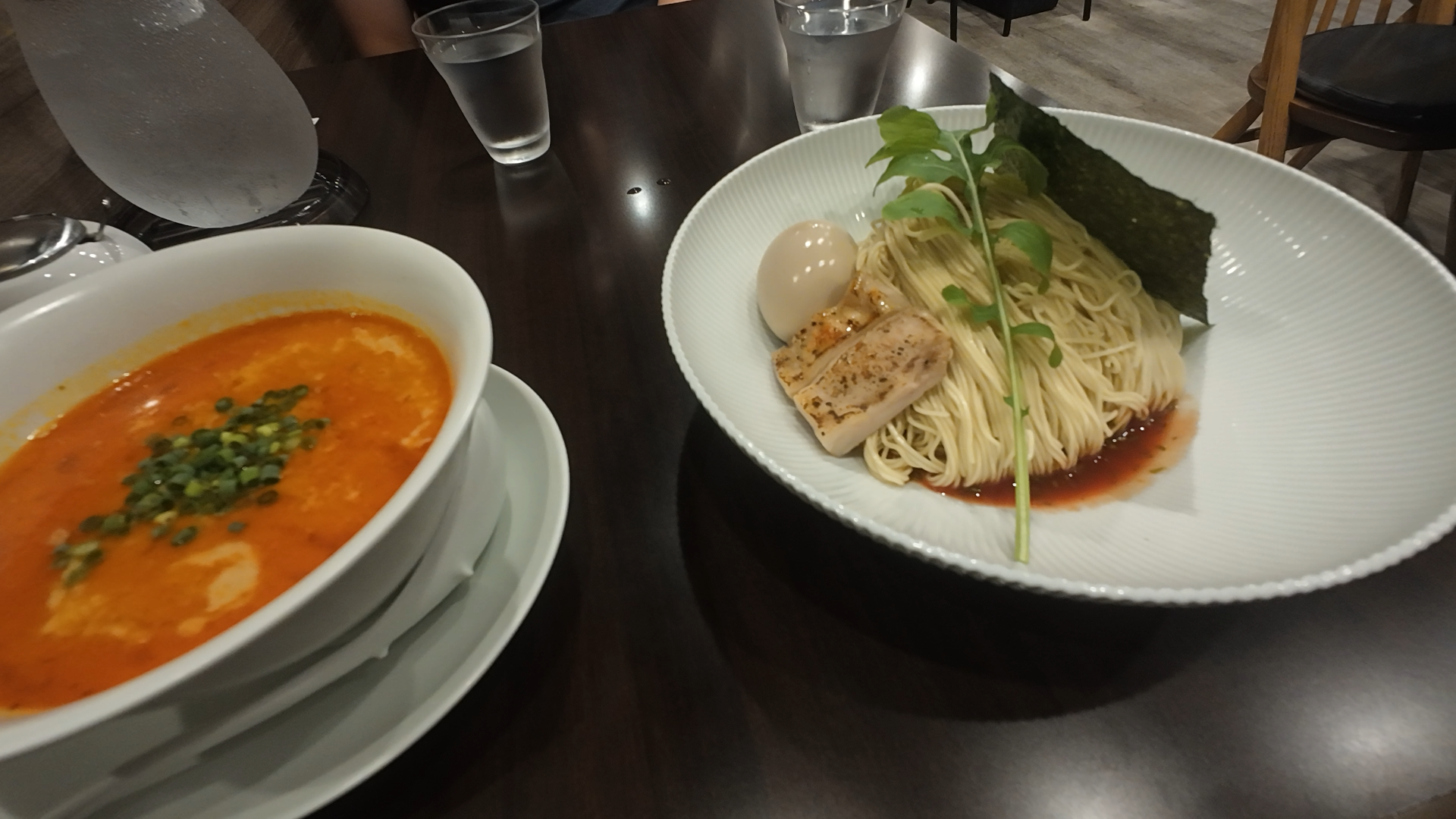
2. Sōsakumen Kōbō Nakiryū (⭐⭐⭐⭐4.5/5)
- 📍 2-34-10 Minamiotsuka, Toshima City, Tokyo 170-0005
- ⏰ Hours: 11:30AM–3PM, 6PM–9PM (Closed Wednesdays)
- 💰 Price: ¥1,200
This Michelin Bib Gourmand recipient sparked quite a debate between us. The long lines outside speak to its popularity, but our experiences couldn’t have been more different.
Jenny’s Take (2/5):
The aromatic flavors in their signature Tan Tan noodles were overwhelming for me. Combined with a 3-hour wait, my first visit left me disappointed. However, on our second visit, I tried their soy-based ramen which better suited my palate.
Ian’s Take (4.5/5):
Coming from a Chinese background, Ian felt right at home with the intense aromatics. He particularly loved their Tsukemen Tan Tan noodles, praising the perfect balance of spice and sesame flavors.
What Makes It Special:
- Award-winning Dan Dan noodles
- Two distinct styles: soup-based and tsukemen
- Perfectly broiled pork (chewy skin, tender meat)
- Unique spicy oil and broth combination
- Different ramen bases to suit various preferences
💡Pro Tips:
- Skip the 3-hour wait by arriving at 8AM for a numbered ticket
- If you’re sensitive to strong flavors, try their soy-based options
- For tsukemen lovers, visit when the female chef is working
- Consider your spice tolerance when ordering
Despite our different ratings, we agree on one thing – their attention to detail in preparation is impressive. Whether you’ll love it or not largely depends on your tolerance for bold, aromatic flavors.

3. Ginza Miku Sushi (⭐⭐⭐⭐4/5)
- 📍 6-4-6 Ginza, Chuo City, Tokyo 104-0061
- ⏰ Hours: 12PM–2PM, 5PM–10PM
- 💰 Price: ¥10,000
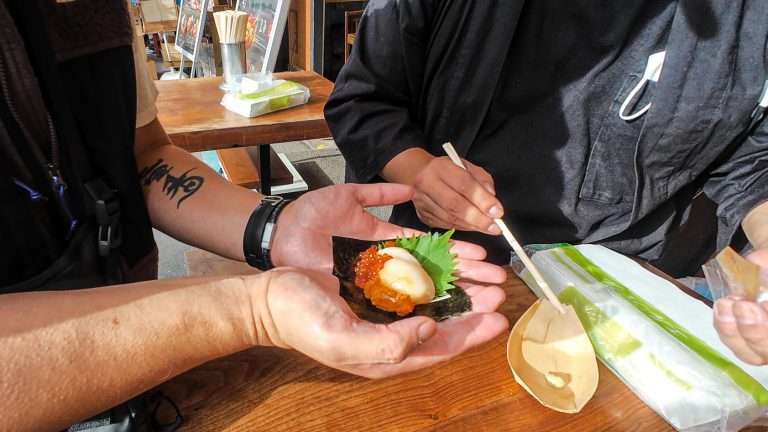
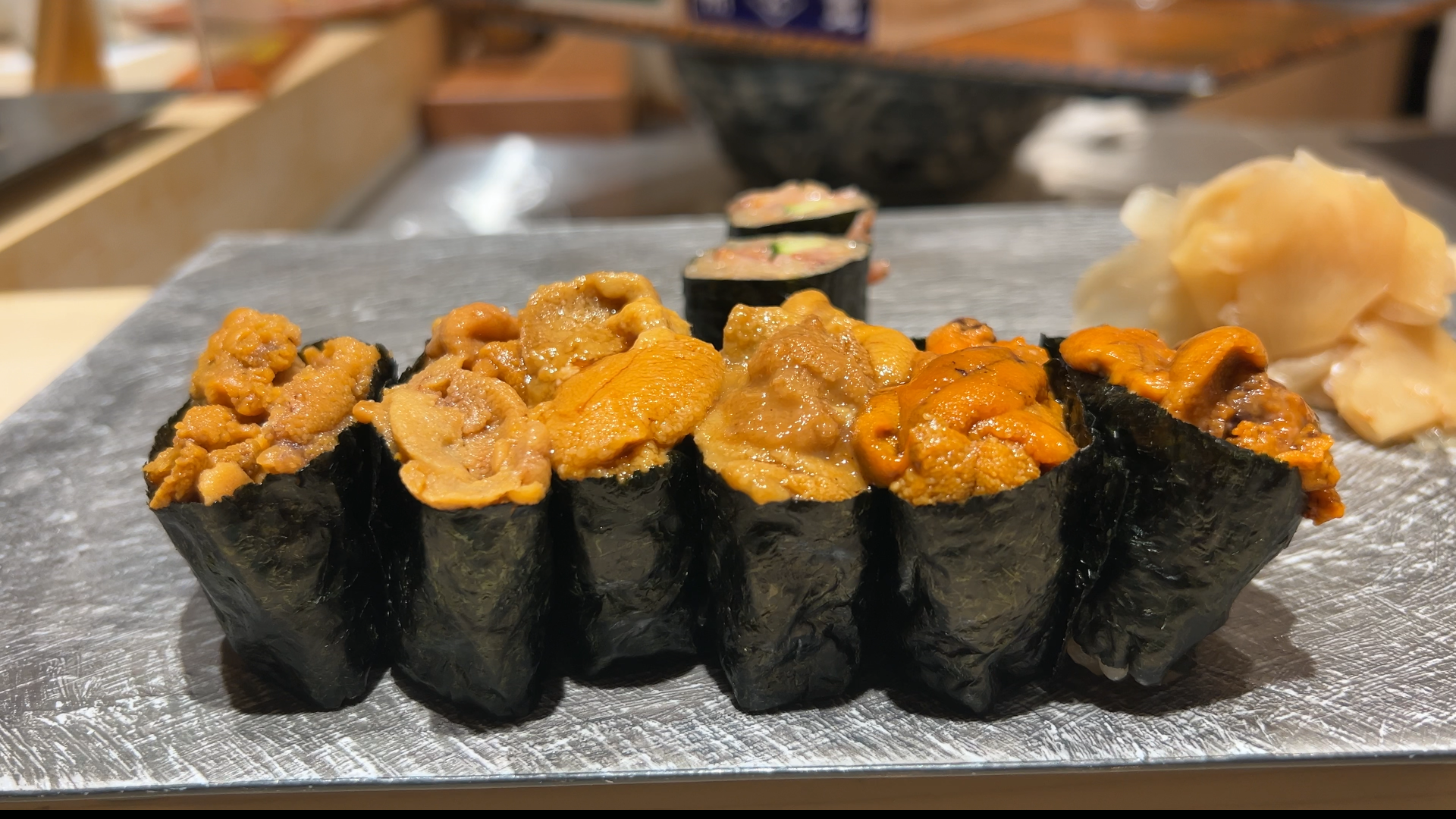
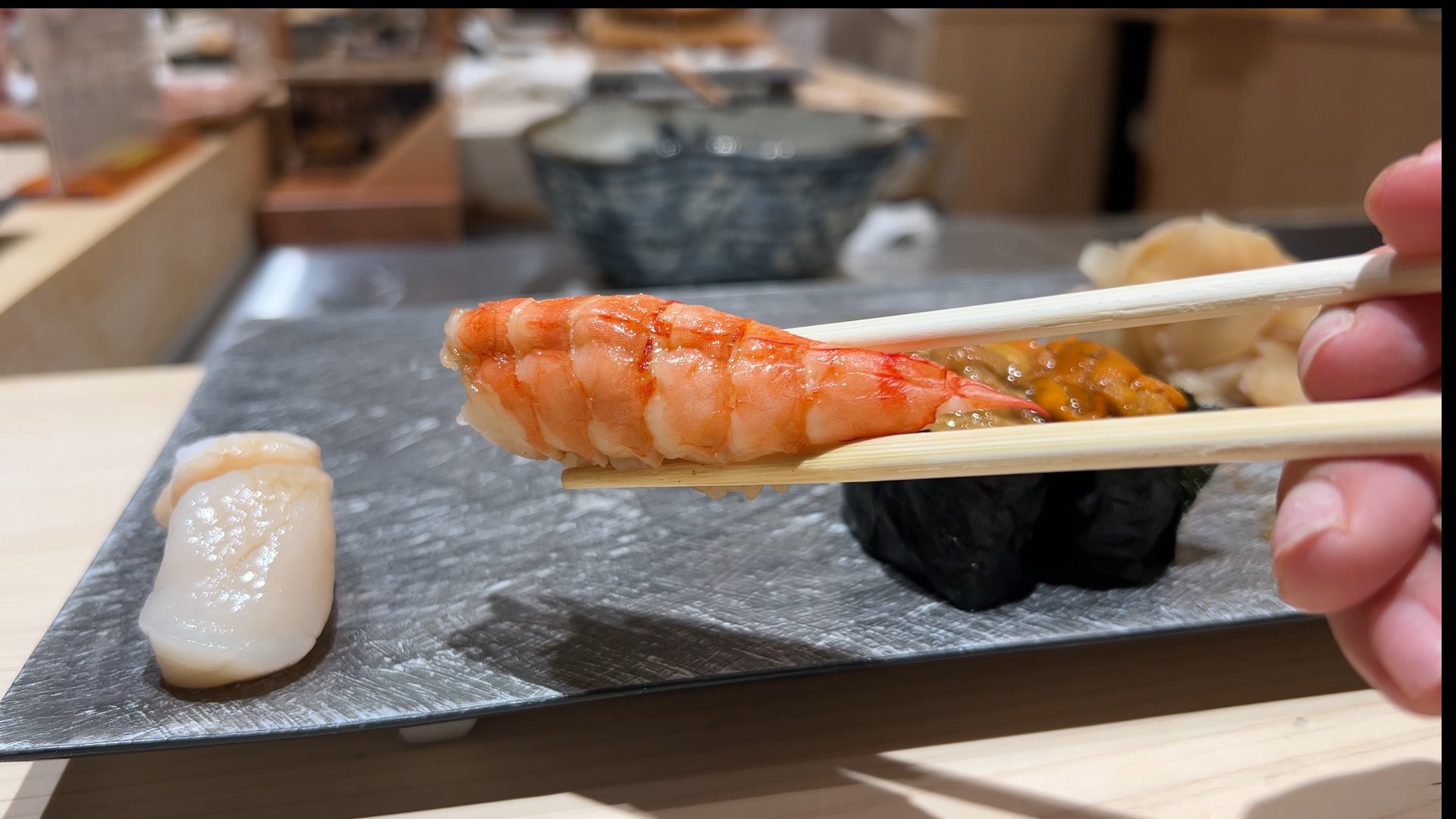
After months of persistent trying, we finally scored reservations at this exclusive 11-seat sushi spot. The draw? Unlimited uni (sea urchin) in three varieties.
What Makes It Special:
- Unlimited uni after initial omakase course
- Three different uni varieties
- Intimate 11-seat setting
- High-end omakase experience
💡Pro Tips:
Reservations are extremely difficult to secure. Keep trying daily, and be flexible with your timing.
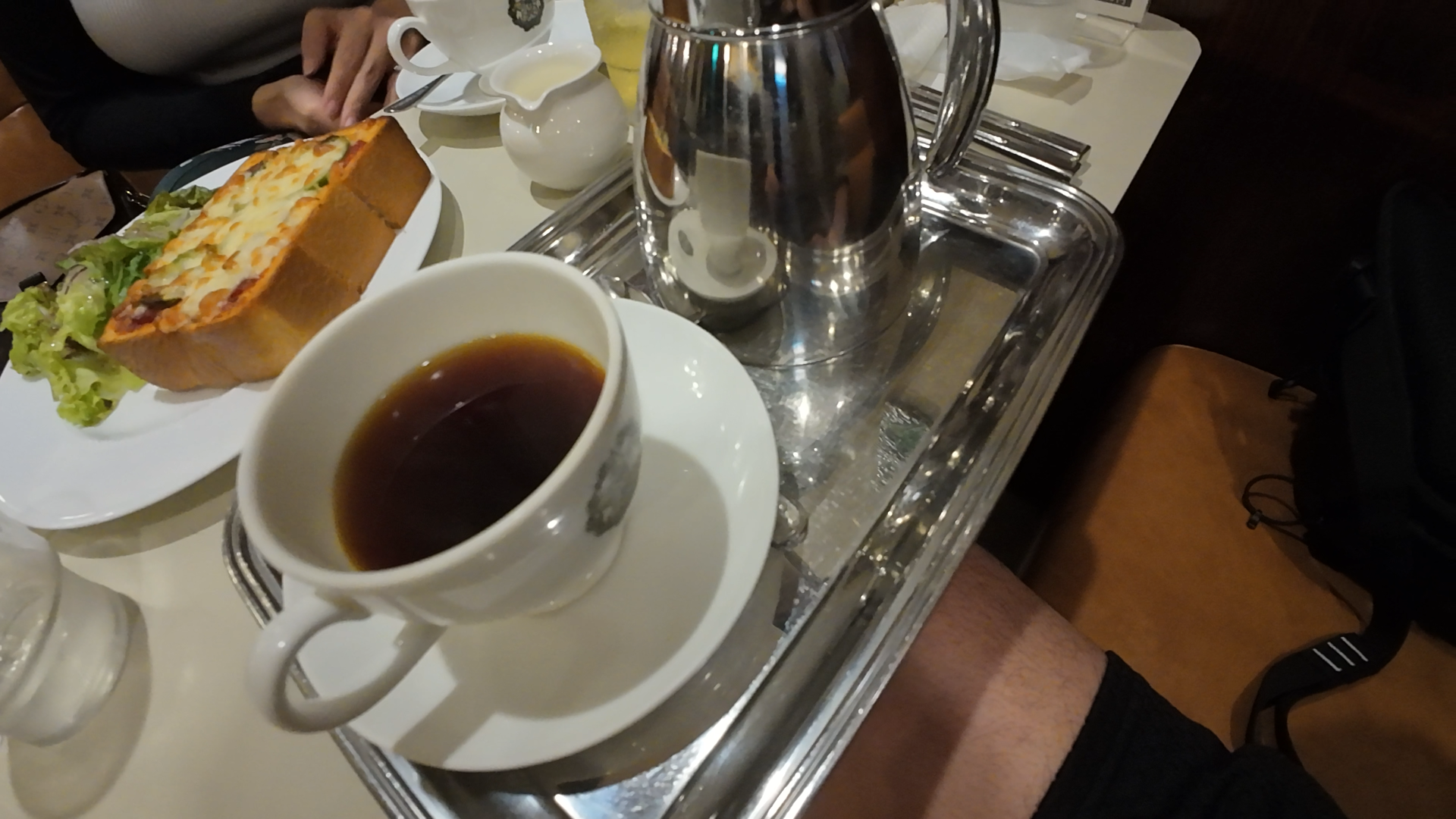
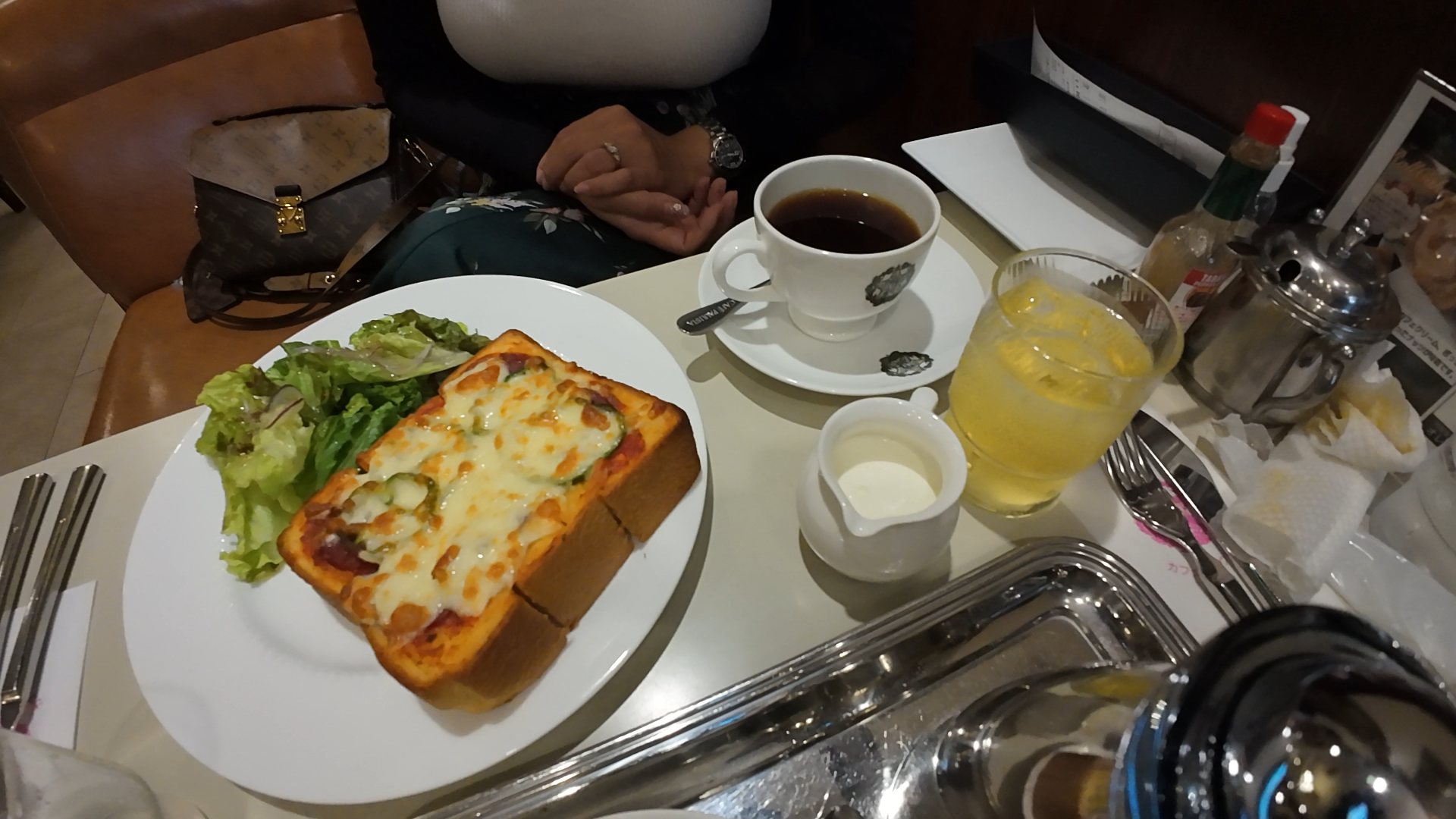
4. Cafe Paulista (⭐⭐⭐⭐4/5)
- 📍 1-10-15 Ginza, Chuo City, Tokyo 104-0061
- ⏰ Hours: 8AM–10PM
- 💰 Price: ¥800-2,000
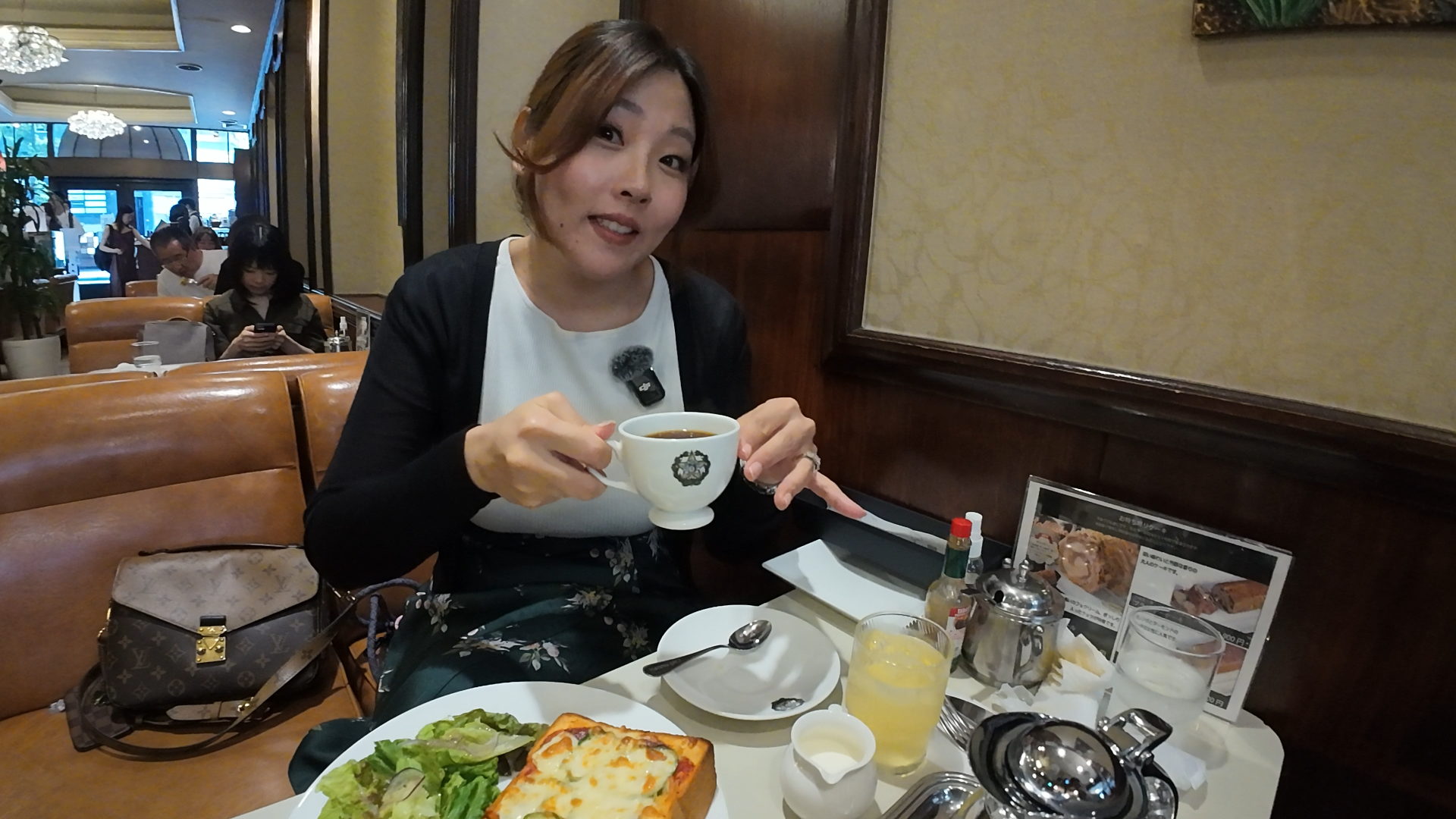
Step into a piece of Tokyo’s coffee history. Operating since 1911, this isn’t just any old coffee shop – it’s one of the world’s first coffee chains, with an fascinating origin story involving the Brazilian government.
What Makes It Special:
- 112 years of coffee-making history
- Original recipes and brewing methods
- Rustic, old-fashion charm
- Unique coffee varieties unavailable elsewhere
- Historical connection to Japanese-Brazilian relations
💡Pro Tips:
Try their signature Brazilian coffee blend, which comes from the same tradition as their original 1911 beans.

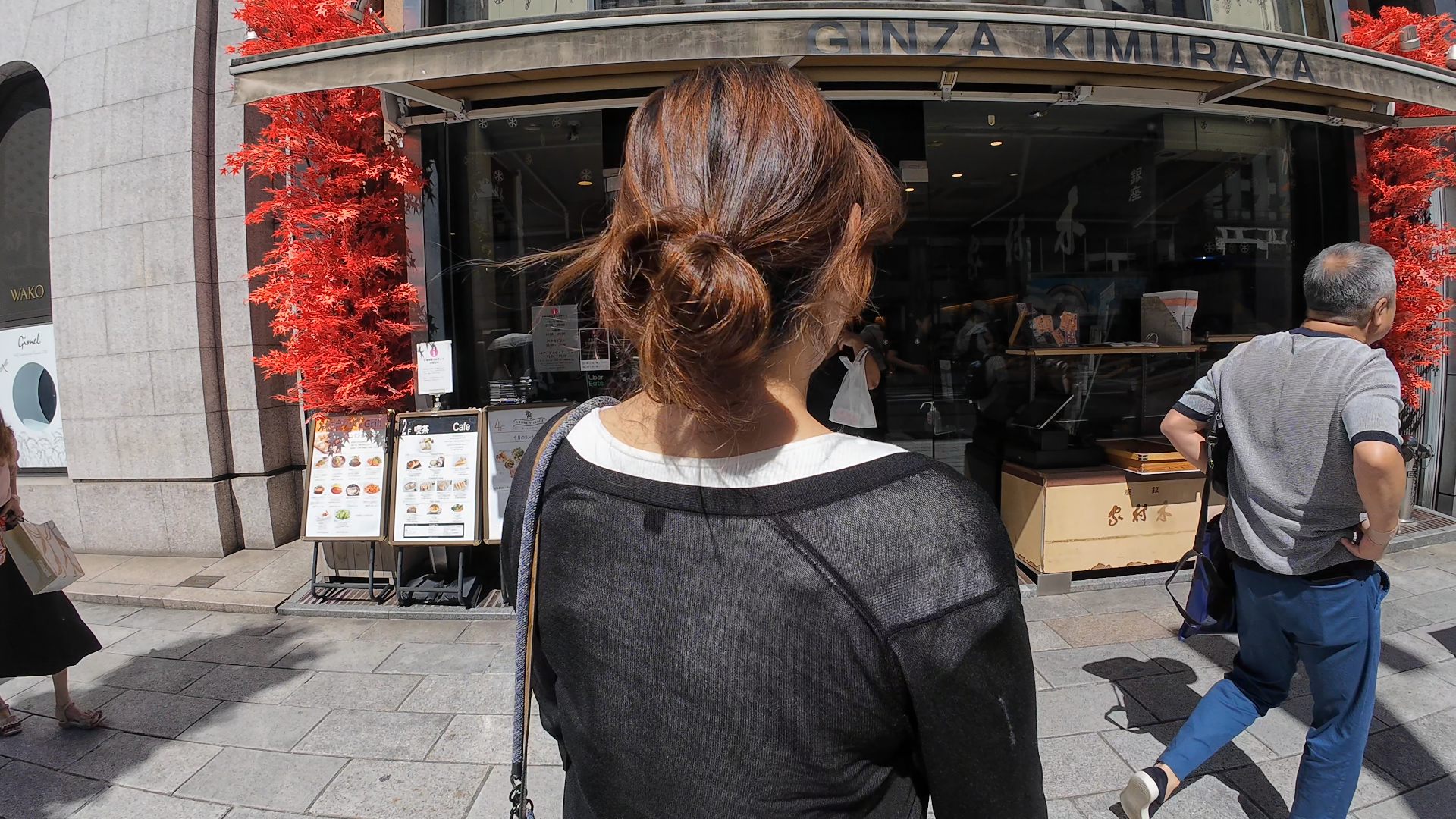
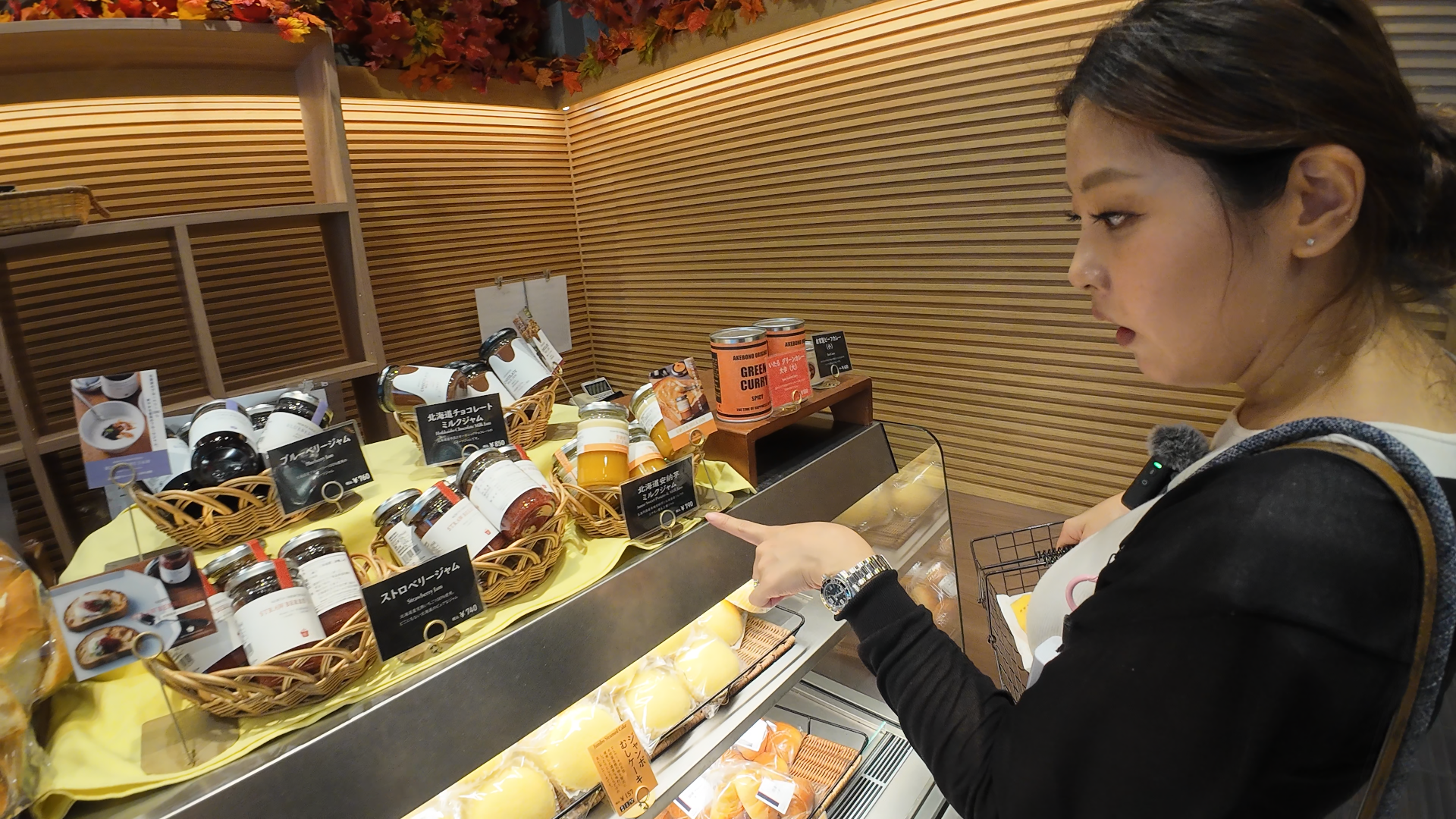
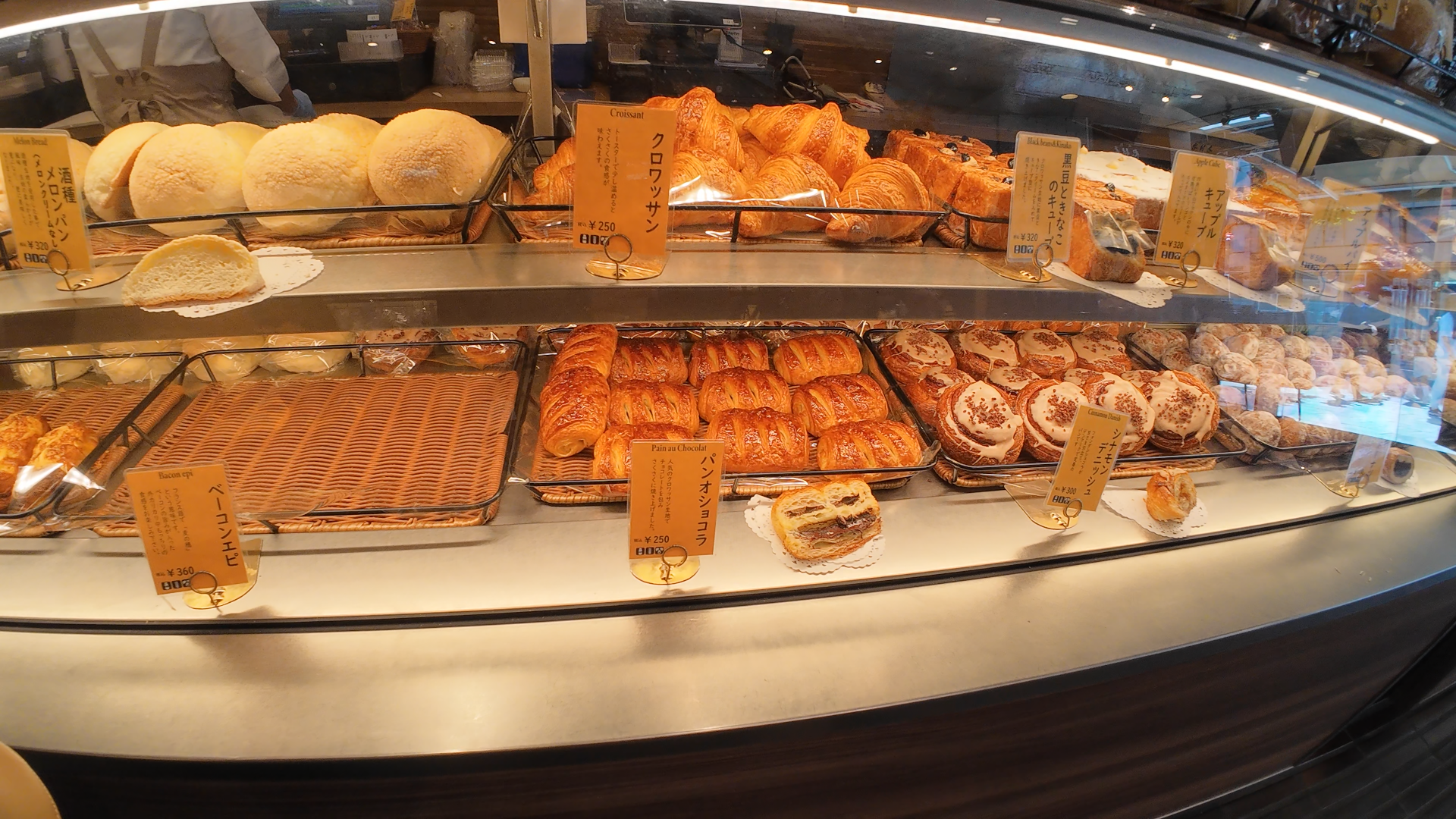
5. Ginza Kimuraya (⭐⭐⭐3/5)
- 📍 4 Chome-5-7 Ginza, Chuo City, Tokyo 104-0061, Japan
- ⏰ Hours: 10AM–8PM
- 💰 Price: ¥200-1,000
Founded in 1869, this isn’t just Japan’s oldest bakery – it’s the birthplace of anpan, those sweet red bean buns you see everywhere in Japan today.
What Makes It Special:
- Inventors of anpan (sweet red bean buns)
- Over 150 years of history
- Seasonal flavor variations
- Traditional Japanese-Western fusion pastries
💡Pro Tips:
Come early in the day when the baked goods are freshest, and don’t go when you’re already full (like we did).
Final Thoughts
These five spots represent different aspects of Tokyo’s rich food culture – from traditional to modern, affordable to luxury. While not every experience was perfect (looking at you, heat stroke), each offers something unique you won’t find anywhere else.
Our top picks:
- Sōsakumen Kōbō Nakiryū (4.5/5) – Worth the early morning ticket rush
- Cafe Paulista (4/5) – A must for coffee lovers
- Ginza Miku Sushi (4/5) – If you can get in and love uni
- Sugoi Niboshi Rāmen Nagi (3.5/5) – For the adventurous
- Ginza Kimuraya (3/5) – Worth visiting for historical significance
Remember, Tokyo has over 160,000 restaurants – it would take 140 years to try them all at three meals a day. These five spots are just the beginning of what this amazing city has to offer.
Watch the Full Experience on YouTube! 🎥 ➡️ Watch the Video Now
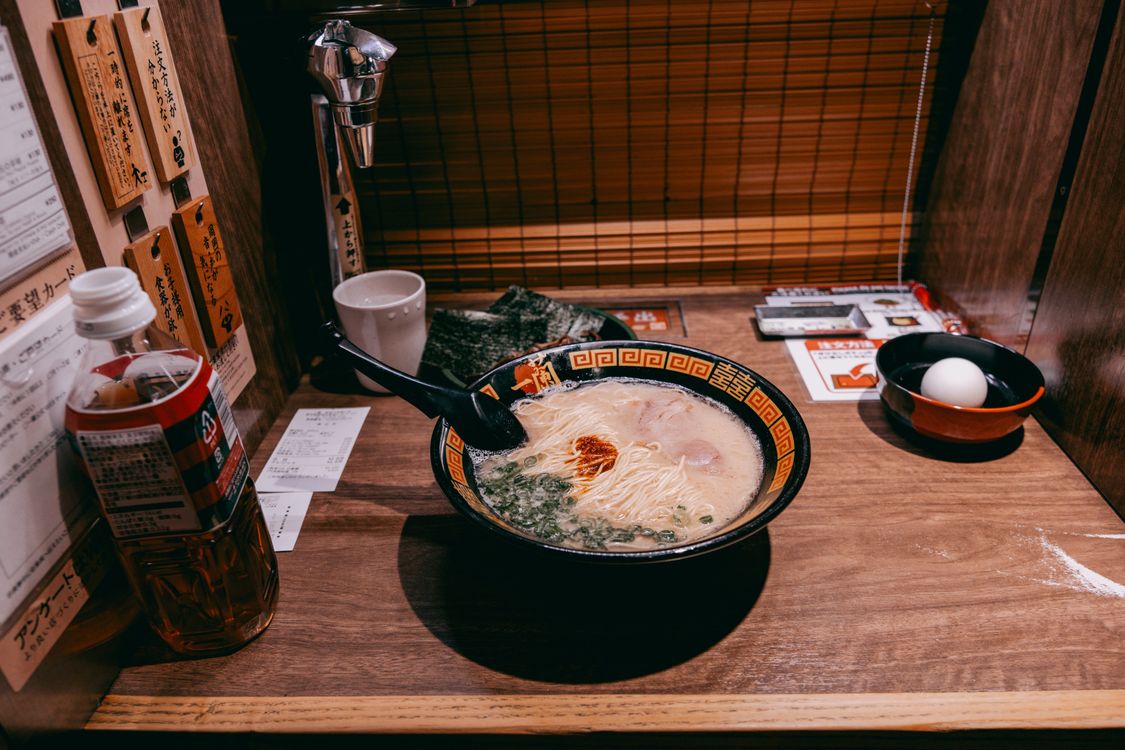
🏮 Why Golden Gai Is Tokyo’s Most Unique Dining District
Golden Gai is a cluster of roughly 200 tiny bars and restaurants crammed into six narrow alleys near Kabukicho in Shinjuku. Most spots seat between 5 and 15 people — the building that houses Sugoi Niboshi Rāmen Nagi has barely enough space to turn around. This extreme intimacy is the whole point. Golden Gai began as a black market area after WWII and gradually evolved into a bohemian hangout for artists, writers, and intellectuals through the 1960s and 70s. Today it’s one of the last places in Tokyo where you can drink or eat in a tiny wooden building from that era, surrounded by decades of layered memorabilia on the walls.
The best approach is to arrive after dark, wander without a plan, and let the menus written in chalk on blackboard signs guide you. Most places in Golden Gai welcome tourists, though some have small cover charges for non-regulars. This is also the area to try unusual Japanese spirits — shochu, awamori, and craft sake — in an atmosphere that’s impossible to recreate anywhere else in the world.
🍣 How to Find Hidden Food Experiences in Tokyo
Tokyo has more Michelin-starred restaurants than any other city in the world, and yet some of the best eating happens at completely unmarked spots. Here’s how to find them. Tabelog (tabelog.com) is Japan’s most trusted restaurant review platform and is far more reliable than Google Maps for Japanese food — look for scores above 3.5 for reliable quality, above 4.0 for exceptional. For ramen specifically, Ramen Database (rdb.jp) catalogs nearly every ramen shop in Japan with granular detail on broth style and noodle type.
For omakase and high-end Japanese restaurants, Tableall and Pocket Concierge both specialize in securing reservations at restaurants that are otherwise impossible to book. Expect to pay a small reservation fee — it’s worth every yen. Walking Tsukiji Outer Market in the morning is the simplest way to stumble into extraordinary seafood without any planning at all.
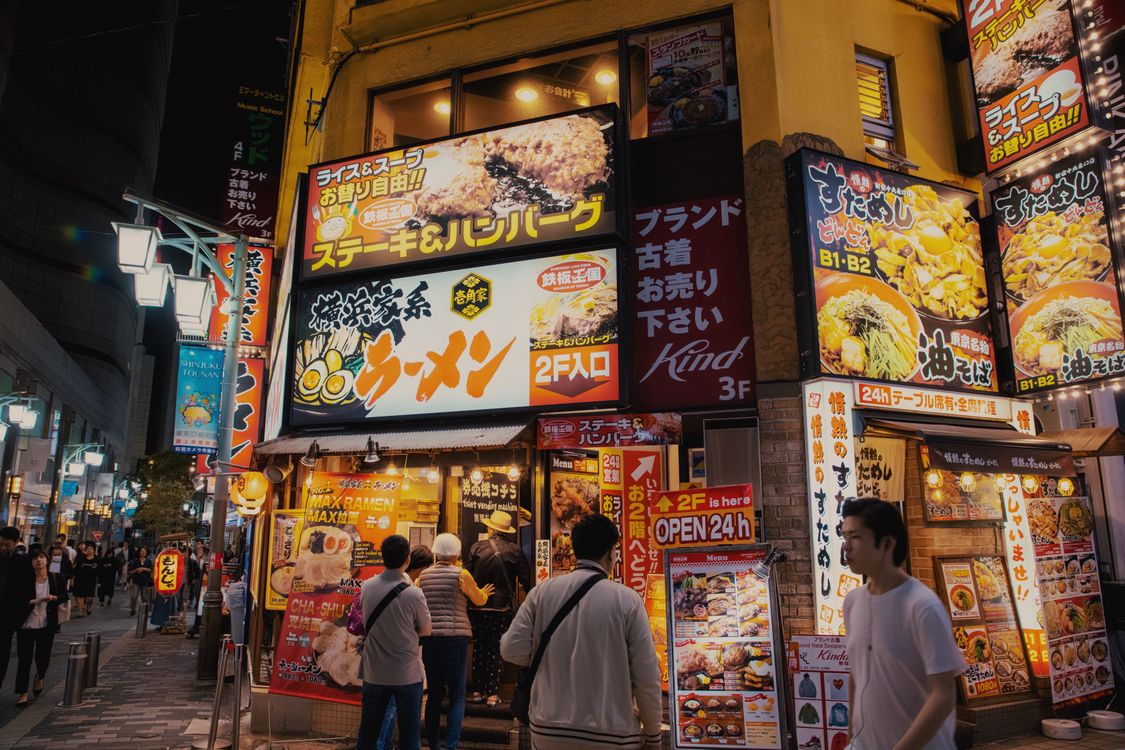
📅 Best Time to Visit Tokyo for Food Lovers
Tokyo’s food scene runs 365 days a year, but two seasons stand out for serious food travelers. March to May (spring) is arguably the best time to visit overall — the weather is mild, cherry blossom season drives outdoor market events, and seasonal menus lean into spring vegetables and early seafood. Restaurant terraces open up and the general mood of the city lifts considerably. October to November (autumn) brings another golden window — mushroom and truffle season, matsutake ramen specials, and the kind of cool, dry weather that makes eating heavy ramen and tonkotsu feel deeply satisfying.
Avoid August if you’re planning long outdoor walks between restaurants — Tokyo in summer is brutally hot and humid, which takes the edge off the street food experience. Winters are cold but manageable, and hot pot (nabe) season makes December and January genuinely excellent for eating.
🔗 More Tokyo and Japan Travel
If you’re building a Japan itinerary around food, our guide to Tokyo Game Show 2024 shows a completely different side of the city — useful if you’re visiting in late September. And if you’re traveling through Asia beyond Japan, our Busan one-day itinerary is the perfect Korea add-on to a Tokyo trip.
📋 All 5 Tokyo Food Spots: Quick Reference
- Sugoi Niboshi Rāmen Nagi — Pure anchovy ramen, Golden Gai, Shinjuku. Intense, divisive, unforgettable. Map
- Cafe Paulista — 112-year-old coffee shop in Ginza. Order the Brazilian blend. Map
- Ginza Kimuraya — Founded 1869, Japan’s most historic bakery. Best for anpan (sweet red bean buns). Map
- Verdict: Cafe Paulista and Ginza Kimuraya are easy wins. The ramen and uni omakase require advance planning but reward the effort.
One more practical note on budgeting your Tokyo food experiences: the city is far more affordable than its Michelin reputation suggests. A bowl of exceptional ramen rarely exceeds ¥1,500 (about USD $10). Lunch sets at even high-end restaurants routinely cost 30-50% less than dinner, so scheduling your most ambitious meal at lunch rather than dinner is the smartest financial move in Tokyo. You get the same kitchen, same ingredients, and a fraction of the dinner price.