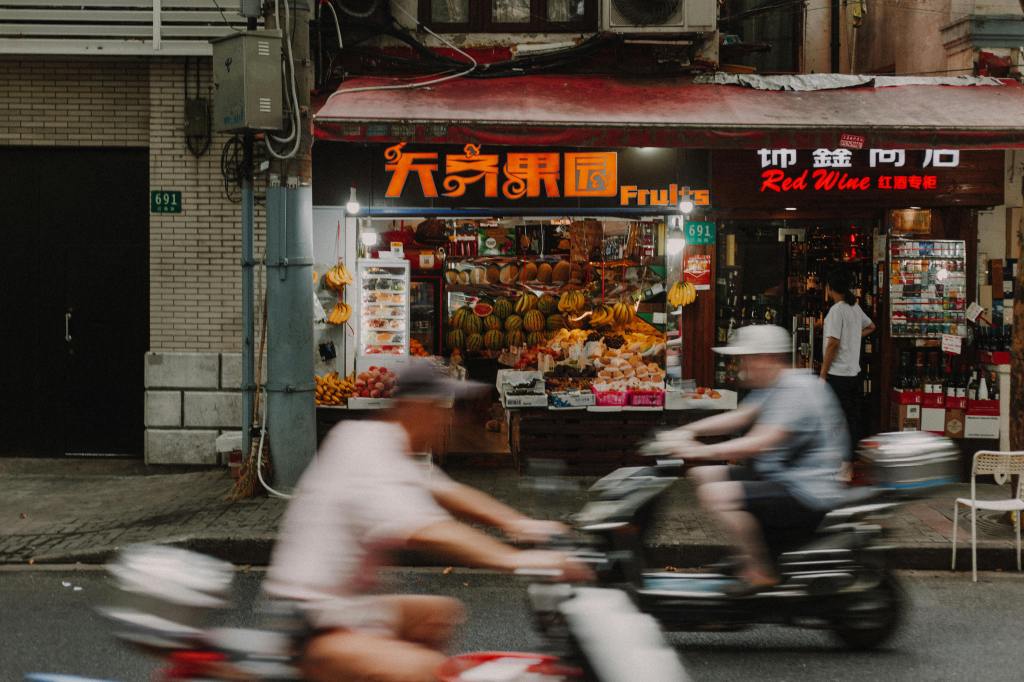
China
From the neon streets of Shanghai to fiery Sichuan hot pot in Chengdu,
China is where our next big adventure kicks off.






Our Journey Through China

China’s tech hub with soaring skyscrapers, huge shopping districts, and a fast-paced vibe near Hong Kong.

A riverside city of steep hills, spicy hot pot, and neon night views along the Yangtze.

Pandas, Sichuan hotpot, and teahouses make Chengdu China’s laid-back food and culture capital.
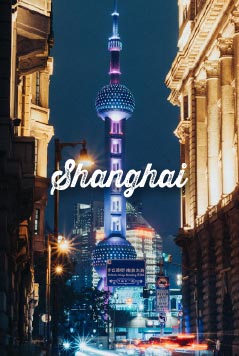
The Bund’s colonial streets meet futuristic skyscrapers, endless food stalls, and buzzing nightlife.

Famous for West Lake, tea fields, and gardens, often called China’s most beautiful city.

A hidden spot of cliffs, waterfalls, temples, and quiet villages off the beaten path.

Coastal city with beaches, Gulangyu Island, and a mix of temples, markets, and art.
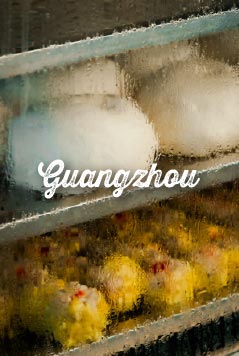
Birthplace of dim sum, with Pearl River views, night markets, and modern skylines.
Top 10 Things to Know
Before Traveling China
Planning a trip to China for the first time can feel overwhelming, and we definitely felt that too. To help, we’ve put together our top 10 things to know before traveling to China, from visas and mobile payments to food and culture, based on what’s been most useful for us.
- Visa & Entry Requirements
- Mobile Payments
- Language and Communication
- Internet and VPNs
- Power Plugs & Voltage
- Mobile Data and SIM Cards
- Transportation Tips
- Food and Dining Culture
- Culture and Etiquette
- Best Time to Visit
1. Visa & Entry Requirements 🛂
Most travelers need a visa to enter China, and the rules can change frequently as tourism reopens. Always check the latest requirements for your passport before applying.
Passport:
Your passport must be valid for at least six months beyond your planned departure date.
Visa:
For many nationalities, a tourist visa is required. When we applied in Canada, we were able to get a 10-year multi-entry visa for $75 CAD. The process itself was straightforward, but we did need to have our flights and hotel bookings confirmed in advance before submitting the application. That means some logistics need to be planned ahead of time, even if your itinerary isn’t finalized. A good workaround is booking refundable hotels and flights to use as proof of travel.
Visa-Free Policies:
Some travelers may qualify for visa-free entry, including the 144-hour transit visa available in cities like Shanghai and Beijing, or regional exemptions such as the 30-day Hainan visa-free policy. If you’re from one of the 38 countries on China’s visa-free list, requirements are simpler for short visits.
👉 Our tip: Apply early, double-check the requirements for your nationality, and carry a printed copy of your visa approval when you travel.
2. Mobile Payments Are King 💵
China is one of the most cashless countries in the world. Locals use Alipay and WeChat Pay for almost every purchase, from street food to subway tickets.
- International cards often do not work directly, so set up a mobile wallet before you leave.
- We link ours to a Wise prepaid Visa, which helps avoid foreign exchange fees.
- Keep a little bit of cash as backup for emergencies.
👉 Expect many shops and restaurants to look puzzled if you hand them cash. Mobile pay is faster, easier, and expected.
3. Language and Communication 🔠
Mandarin (Putonghua) is the official language, but regional dialects like Cantonese (southern China), Shanghainese, or Sichuanese are common. English is not widely spoken outside major cities.
- Download a translation app like Pleco or Google Translate (with offline packs).
- Learn a few basics like nǐ hǎo (hello) and xièxiè (thank you).
- Don’t be afraid to try. People usually appreciate the effort.
👉 Our experience: even a few words in Mandarin go a long way when ordering food or asking for help.
4. Internet and VPNs 🌐
China’s “Great Firewall” means that apps like Google, Instagram, YouTube, Facebook, and WhatsApp are blocked.
- Download a VPN before arriving. Some popular choices are ExpressVPN and NordVPN, though performance can vary.
- Keep in mind that not every VPN works reliably, so test it before you leave home.
👉 If you rely on Google Maps or Gmail, having a VPN is essential. Otherwise, you’ll need to adapt to local apps like Baidu Maps or WeChat.
5. Power Plugs & Voltage⚡
China uses Type A, C, and I plugs. Standard voltage is 220V at 50Hz.
- Most modern electronics (like laptops and phone chargers) already support 220V.
- Bring a universal adapter to avoid scrambling at the airport.
- If you use high-power devices like hair dryers, check compatibility first.
👉 We carry one adapter that works in multiple countries, which makes packing easier.
6. Mobile Data and SIM Cards📶
Staying connected is easy, but you’ll want to plan ahead.
- Physical SIM cards are the most reliable and available at airports or phone shops.
- eSIMs exist, but speeds can be inconsistent.
- Coverage is excellent in major cities, but expect weaker signals in remote areas.
- Remember: many Western apps will still be blocked without a VPN.
👉 We’ll be grabbing a physical SIM when we arrive since it’s the most dependable option for travelers.
7. Transportation Tips🚄
China’s transportation network is massive and surprisingly efficient.
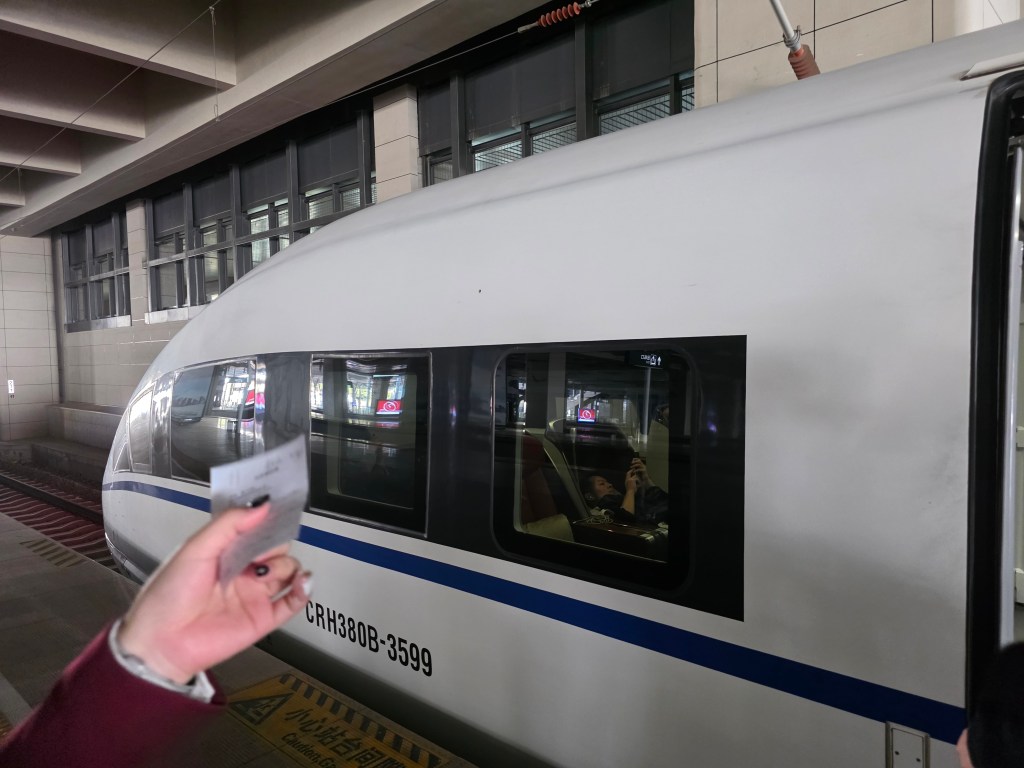
- High-speed trains connect major cities and are often faster than flying.
- Book tickets early during holidays like Chinese New Year or Golden Week.
- Keep your passport handy — it’s needed for every ticket purchase and train boarding.
- Metro systems in cities like Shanghai, Beijing, and Guangzhou are cheap and easy to navigate.
👉 We’re excited to use the train network since it doubles as a great way to see the countryside in between cities.
8. Food and Dining Culture🍽️
China is a paradise for food lovers — from dim sum in Guangzhou to fiery hotpot in Chongqing.
- Sharing dishes is the norm. Order a few plates for the table instead of individual meals.
- Tipping is not common.
- Street food is everywhere, but always pick busy stalls with high turnover.
- Some places only accept mobile payments, so set that up in advance.
👉 Our plan is to try everything we can, from tiny hole-in-the-wall noodle shops to local markets.
9. Culture and Etiquette🎭
China has deep traditions, and being aware of a few customs helps you fit in.
- Greet people with a nod or handshake.
- Avoid loud behavior in temples or sacred sites.
- Show respect for elders.
- Don’t stick chopsticks upright in rice (it’s associated with funerals).
👉 Even small gestures like saying “thank you” in Mandarin make a big difference in how warmly locals respond.
10. Best Time to Visit☀️
Weather in China varies a lot, so timing your trip is important.
- Spring (April–May) and Fall (September–October) offer the best weather.
- Summer can be hot, humid, and crowded.
- Winter ranges from freezing in the north to mild in the south.
- Avoid Golden Week (early October) when crowds and prices surge.
👉 We planned our visit in the fall to catch cooler weather and avoid the biggest crowds.
Explore China Your Way
From dynasties to neon skylines, here’s what you need to know before your trip.
Top Cities
Beijing, Shanghai, Xi’an, and Chengdu: the must-see stops.
Food to Try
Sichuan spice, Peking duck, dim sum, and street eats.
Visa & Entry Rules
What Canadians need for visas, transit exemptions, and Hainan access.
Getting Around
High-speed trains, metros, and tips for booking tickets.
Culture & Etiquette
Chopstick rules, greetings, and travel customs to know.
When to Visit
Spring and fall for comfort, avoid Golden Week crowds.


 chasingthechungs.com