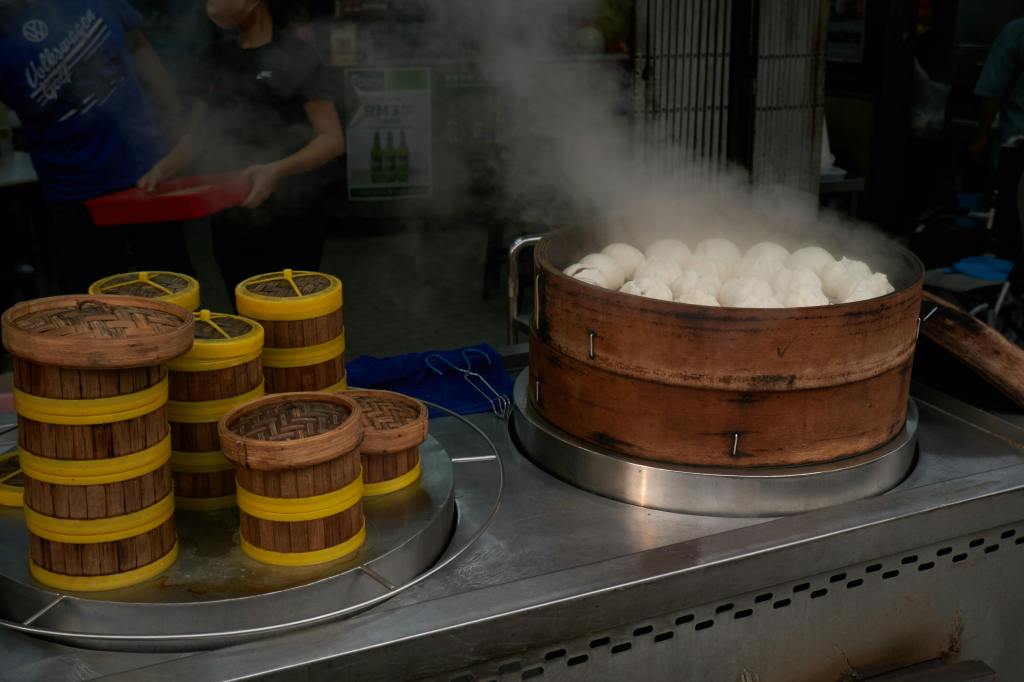
Food & Drinks in China
Food is one of the biggest reasons we’re excited to travel to China.
With thousands of years of history and so many regional styles, Chinese cuisine
is as diverse as the country itself. From dim sum in Guangzhou to hot pot in Chongqing,
every city has its own food culture. This guide is our deep dive into what makes
Chinese food unique, the dishes we can’t wait to try, and some tips for eating like a local.






A Taste of China
We’ve always believed food says more about a place than words ever could. Here’s a closer look at the dishes, flavors, and dining culture that make China one of the most exciting places to eat in the world.
- A Brief History of Chinese Cuisine
- Regional Flavors
- What We’re Excited to Try
- Food Culture & Etiquette
- Drinks in China
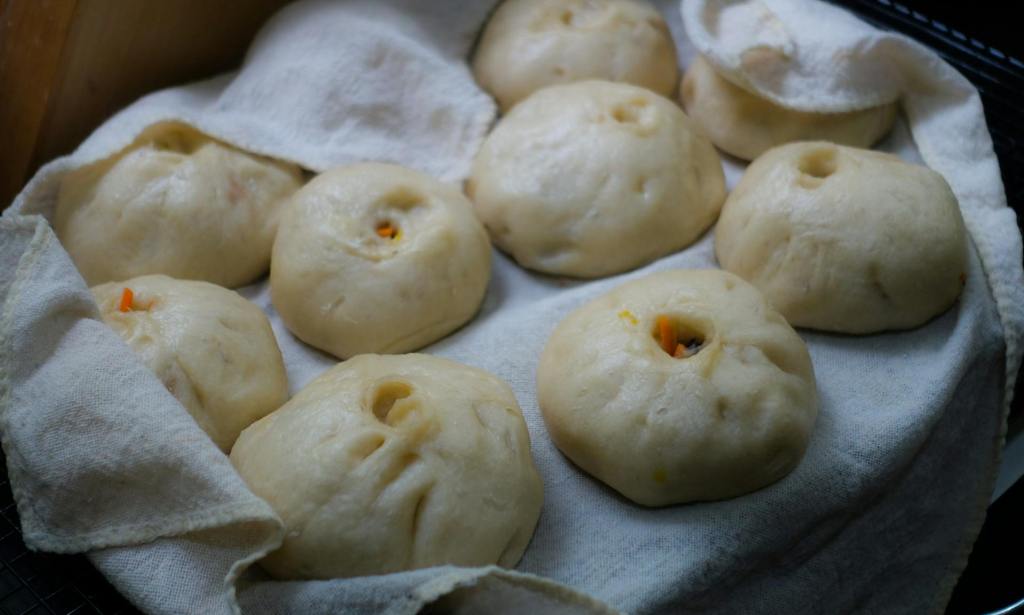
A Brief History of Chinese Cuisine 🏮
Chinese food isn’t just about taste. It’s a reflection of history, philosophy, geography, and even medicine. With more than 5,000 years of culinary tradition, food in China evolved alongside dynasties, trade routes, and cultural beliefs.
- Ancient roots: Early Chinese diets were built on millet in the north and rice in the south. Soybeans, tea, and fermented sauces like soy sauce go back thousands of years. These basics still anchor the cuisine today.
- Influence of dynasties: Different dynasties shaped how people ate. The Tang dynasty (618–907) brought new spices and flavors through the Silk Road. The Ming dynasty (1368–1644) expanded the use of seafood and delicate banquet-style dishes.
- Balance and harmony: Traditional Chinese cooking is guided by the philosophy of yin and yang. Food isn’t only fuel, it’s also medicine. For example, cooling foods like cucumber or herbal tea are believed to balance out spicy or “heaty” dishes.
- Regional diversity: Geography played a huge role. Rice flourished in the south’s warmer climate, while wheat thrived in the north. Sichuan’s humid weather encouraged the use of spices and numbing peppercorns to help with digestion. That’s why food in China is so different depending on where you are.
Even today, every meal connects back to these roots. Sitting down for dim sum, sipping tea, or trying street food isn’t just about eating. It’s about stepping into a living history that’s constantly evolving.
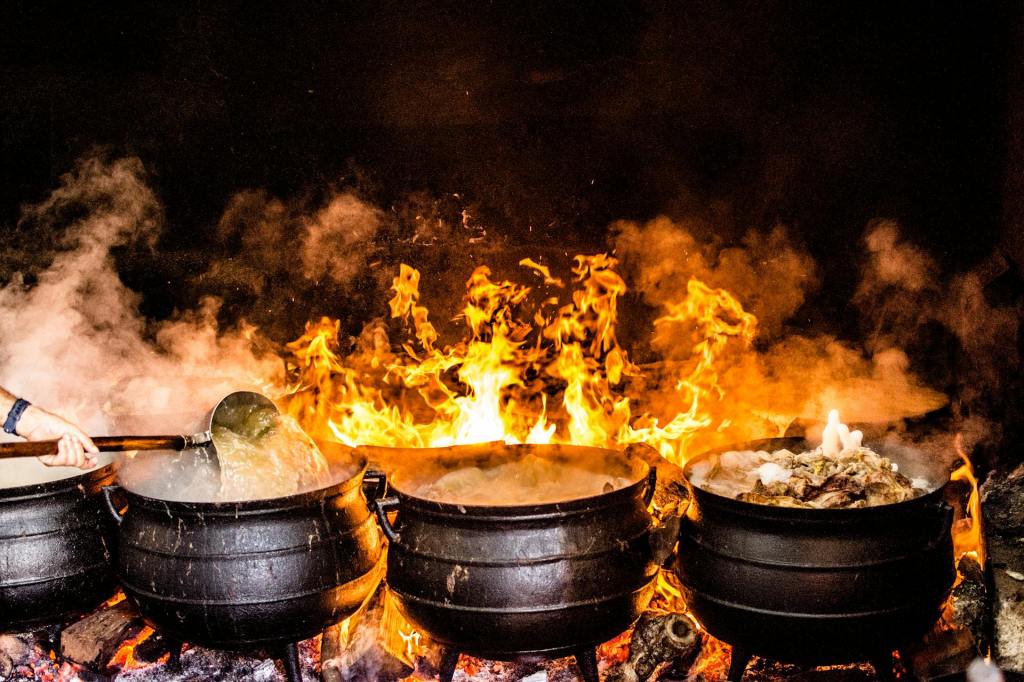
Regional Flavors
While you’ll find dishes from all over the country in major cities like Shanghai or Chengdu, food in China usually tastes best in its home region. Here’s a breakdown of the main culinary zones.
The North
Colder weather and Mongolian influences mean heavier food is common. Lamb, mutton, and wheat-based staples like noodles, dumplings, and pancakes are everywhere. Flavors lean salty and hearty, often seasoned with garlic and vinegar instead of heavy spices.
The South
Southern Chinese food is probably the most familiar to people outside of China. Cantonese cuisine, from Guangdong and Hong Kong, brought dim sum and sweet-and-sour flavors to the world. Thanks to the humid climate, rice is the base here, often paired with fresh vegetables and seafood. Dishes are usually stir-fried or steamed, with dim sum as the region’s signature.
The West
The west is bold and fiery. Sichuan is known for hot pot and dishes that combine chili peppers with the numbing kick of Sichuan peppercorns. Hunan cuisine is just as spicy but with more sour and smoky flavors. In places like Guiyang, chili chicken dishes have been around for more than a thousand years.
The East
The east is all about refinement. Jiangsu and Zhejiang food uses sugar, vinegar, and light sauces to create a slightly sweet and delicate balance. Thanks to the Yangtze River and East China Sea, fresh fish and shellfish are common. Vegetarian options are also easy to find here, often wok-fried with light seasoning.

What We’re Excited to Try
We’ve already got a food hit list for this trip.
- Dim sum in Guangzhou – steamed dumplings, buns, and rice rolls served with tea.
- Hot pot in Chongqing – bubbling chili broth where you cook your own meat and veggies.
- Crab roe noodles in Shanghai – rich and savory, a specialty we can’t skip.
- Peking duck – even though we’re not visiting Beijing this time, we’ll find it wherever it’s done right.
For sweets, we’re after:
- Egg tarts fresh out of the oven.
- Silky tofufa (tofu pudding with syrup).
- Black glutinous rice with red bean soup, perfect as a warming dessert.
And of course, drinks. Authentic Chinese teas like pu’er, oolong, and green tea are a must. But we’re also curious about modern twists, from the famous -86 degree coffee to the endless bubble tea shops we know we’ll run into.
Food Culture & Etiquette
Eating in China is a social event, and there are some things that might surprise you.
- Sharing is normal. Dishes are placed in the middle for everyone to share. You’ll rarely order just one dish for yourself.
- Hot water or tea for cleaning. Many restaurants bring hot water or tea to the table, and locals use it to rinse their chopsticks, bowls, and cups before eating.
- Bring tissues. Not all restaurants provide napkins, so it’s smart to carry your own.
- Tea charges. In casual places, tea is often free. In some restaurants, you’ll see a small tea charge per person.
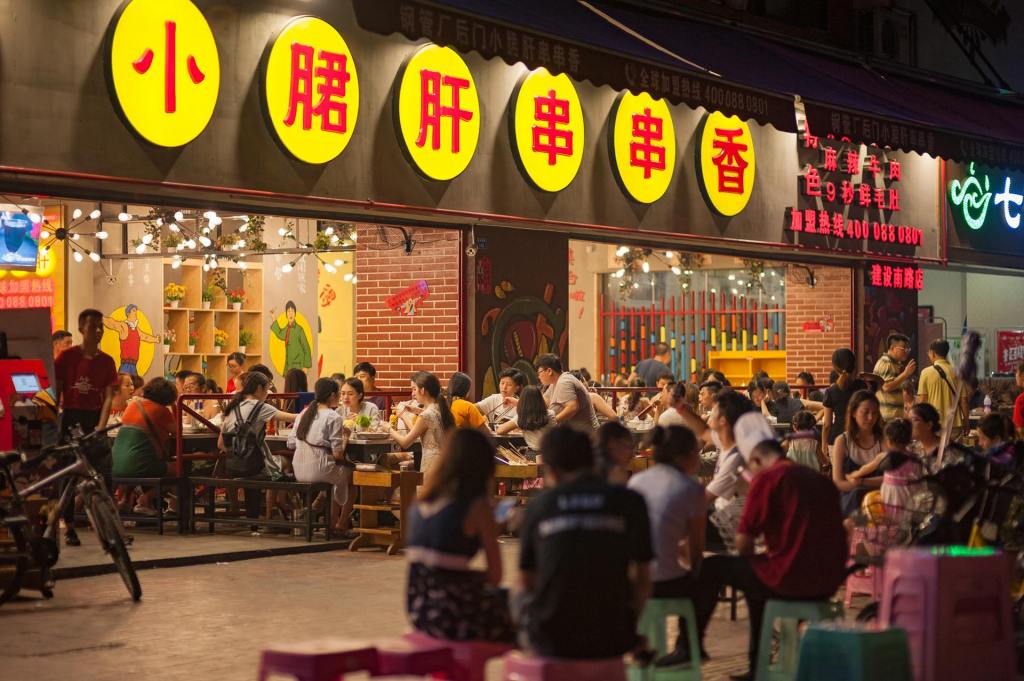
- Sharing tables. Don’t be surprised if you’re seated at a large round table with strangers during busy meal times. It’s totally normal in China and part of the communal dining culture. You’ll likely end up elbow-to-elbow with locals, which makes it a fun way to people-watch and soak up the atmosphere.
Drinks in China
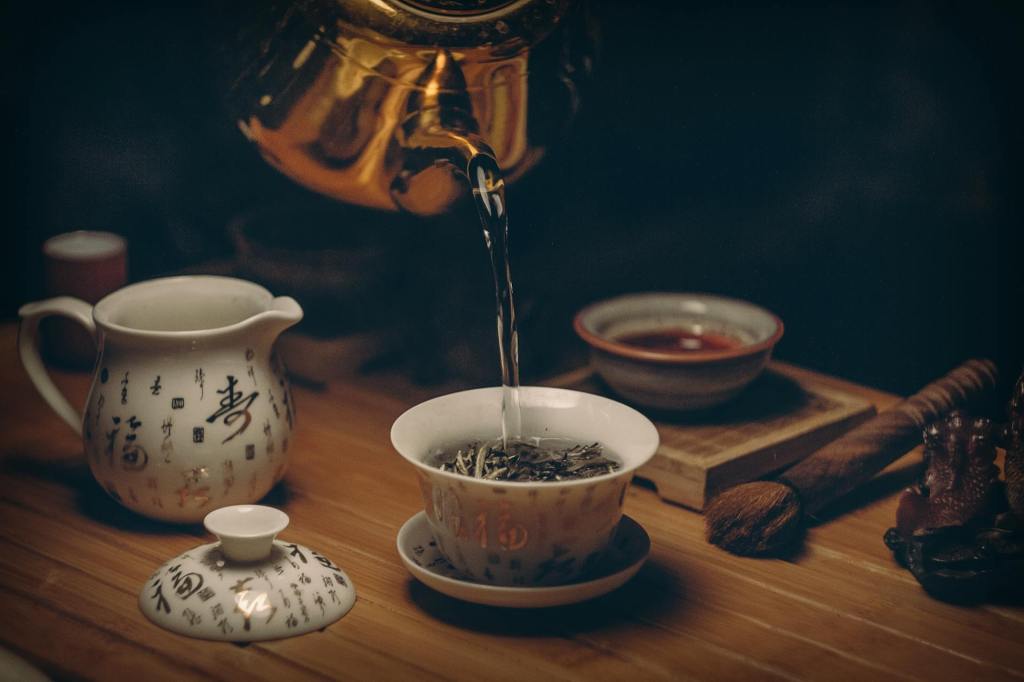
Tea is at the heart of Chinese culture. For centuries, it’s been about more than just drinking. It’s tied to hospitality, respect, and even health. The most common types you’ll see are green tea, jasmine tea, oolong, and pu’er. Some places still practice tea ceremonies, where brewing is as important as sipping.
But drinking culture is changing fast. Younger generations are more likely to grab a bubble tea than sit down with a traditional pot of tea. In some ways, bubble tea has become the new social drink. It still keeps the idea of tea as something you share with friends, but with toppings, flavors, and a modern twist.
Beyond tea, you’ll also find herbal drinks everywhere. Turtle shell tea, chrysanthemum tea, and bottled tonics are popular, especially in the south where traditional Chinese medicine is part of daily life.
And then there’s coffee. China’s café culture is booming. Trendy coffee shops in cities like Shanghai and Chengdu are serving everything from simple pour-overs to creative drinks like fruit-infused lattes and the famous -86 degree coffee.
Alcoholic Drinks 🍶
Just like Korea has soju and Japan has sake, China has its own unique drinking traditions.
- Baijiu (白酒): The national spirit of China. It’s a strong grain liquor, often 40–60% alcohol, and usually made from sorghum. The flavor can be intense, sometimes earthy or even funky, but it’s a must-try if you want the real local experience. Most often consumed during banquets and toasts.
- Huangjiu (黄酒): Literally “yellow wine,” this is a fermented rice wine that’s lower in alcohol than baijiu (about 15–20%). It has a rich, slightly sweet taste and is often enjoyed warm. Shaoxing huangjiu is the most famous variety.
- Beer (啤酒 píjiǔ): Light lagers like Tsingtao and Snow Beer are everywhere. They’re cheap, refreshing, and usually served in big bottles for sharing at the table.
- Fruit wines: In some regions you’ll find plum wine, lychee wine, or osmanthus-infused brews. These are sweeter, lighter, and easy to drink.
Drinking in China is often tied to ganbei (干杯) culture, which means “cheers” or literally “dry your glass.” At dinners, especially with locals, expect to toast often and it’s polite to clink glasses with the rim of your glass slightly lower than theirs as a sign of respect.


 chasingthechungs.com