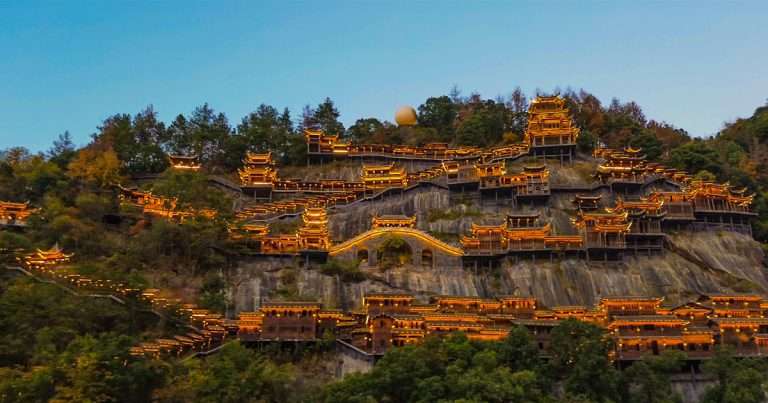
Hangzhou in 2 Days: West Lake, Qingshan Green Lake, & Our Honest Take
Hangzhou Itinerary: We almost skipped Hangzhou.
This Hangzhou itinerary covers two days at West Lake, the Longjing tea farms, and the Qingshan Green Trail – here is exactly how to plan yours. It came highly recommended by my mother-in-law, who raved about West Lake and insisted it was a must-visit in China. Hangzhou is also one of the most popular day trips from Shanghai — close enough to make it an easy add-on to any China itinerary.
But our experience went very differently than expected.
This is our honest Hangzhou travel guide. What worked. What didn’t. And the one place that completely saved the trip.
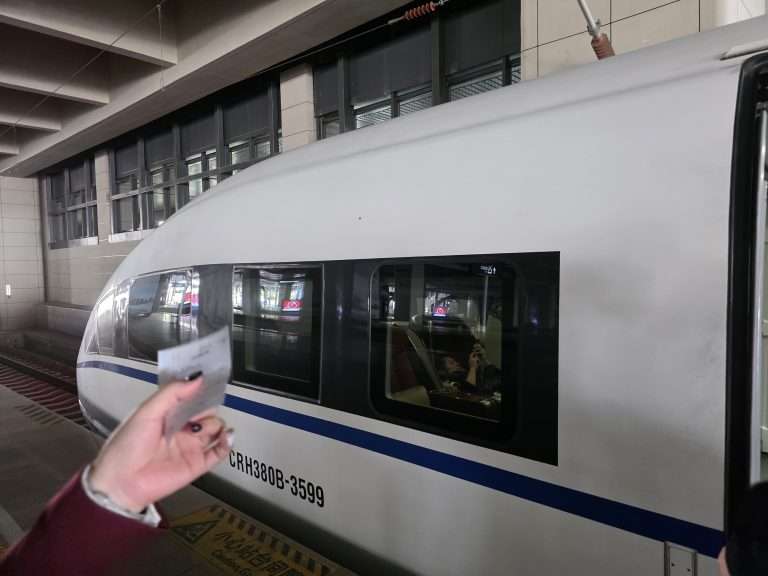
Day 33 of our 202-day Asia journey, we finished Shanghai and took the high-speed train to Hangzhou.
DAY 1 IN HANGZHOU
Hefang Street is right outside the hotel. Convenient location, but the street itself is mostly souvenir stalls. We used it as a base, not a destination.
Hotel and First Impressions
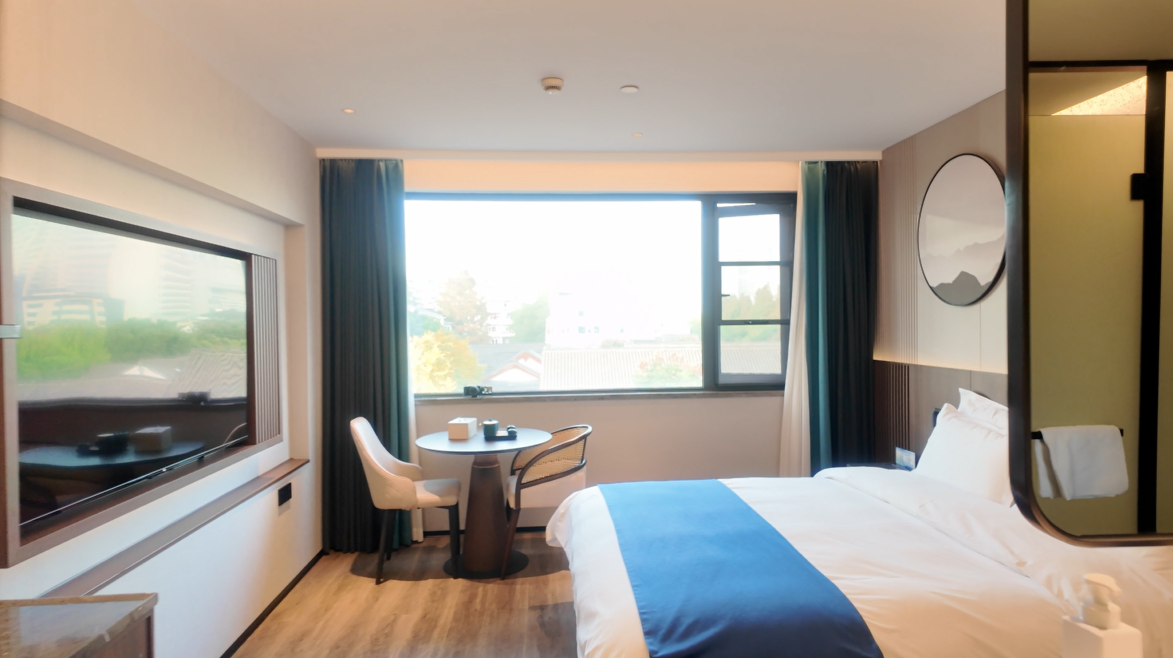
We stayed at Hangzhou West Lake Hefang Street Floral-Banland.
The hotel was clean, comfortable, and well-reviewed. The walkability score is low, but two subway stations nearby made getting around easy. Hefang Street sits right outside, but it wasn’t a highlight. The street felt repetitive — almost entirely souvenir stalls with nothing that stood out.
We treated it as a convenient base rather than a destination.
Early the next morning, we headed out of the city.
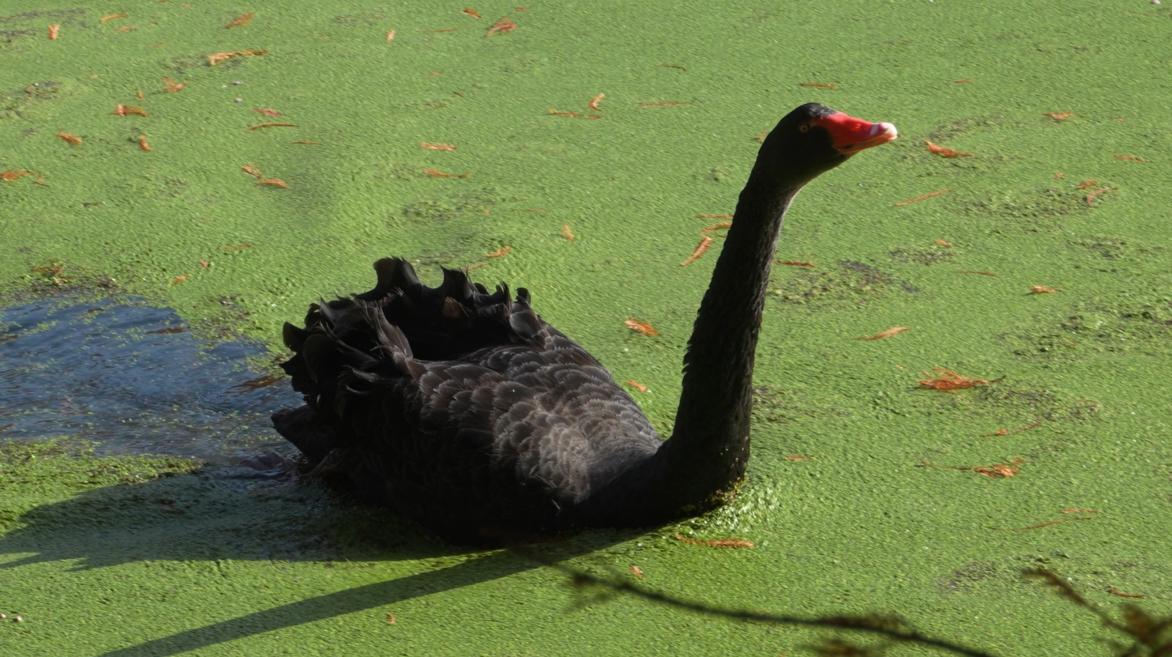
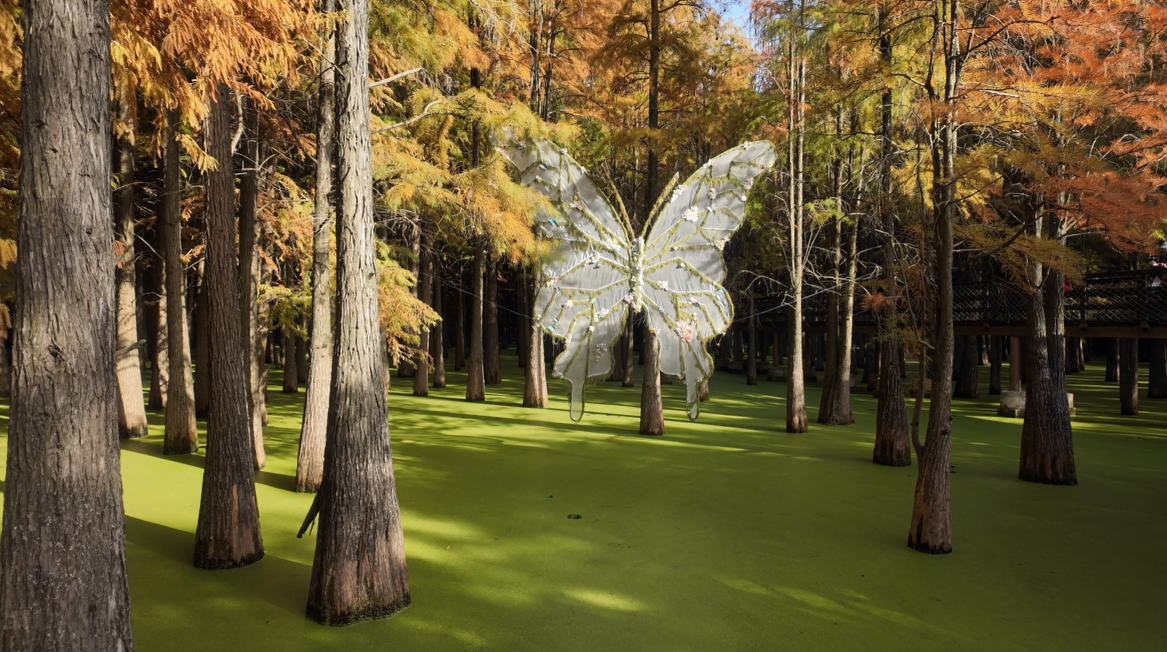
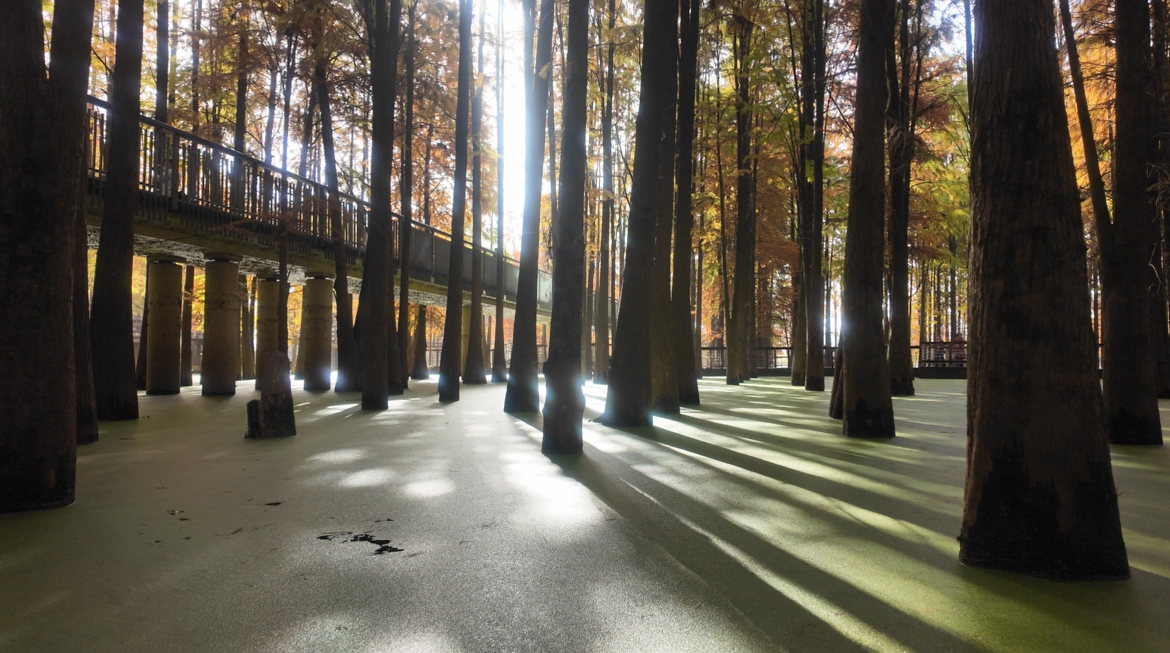
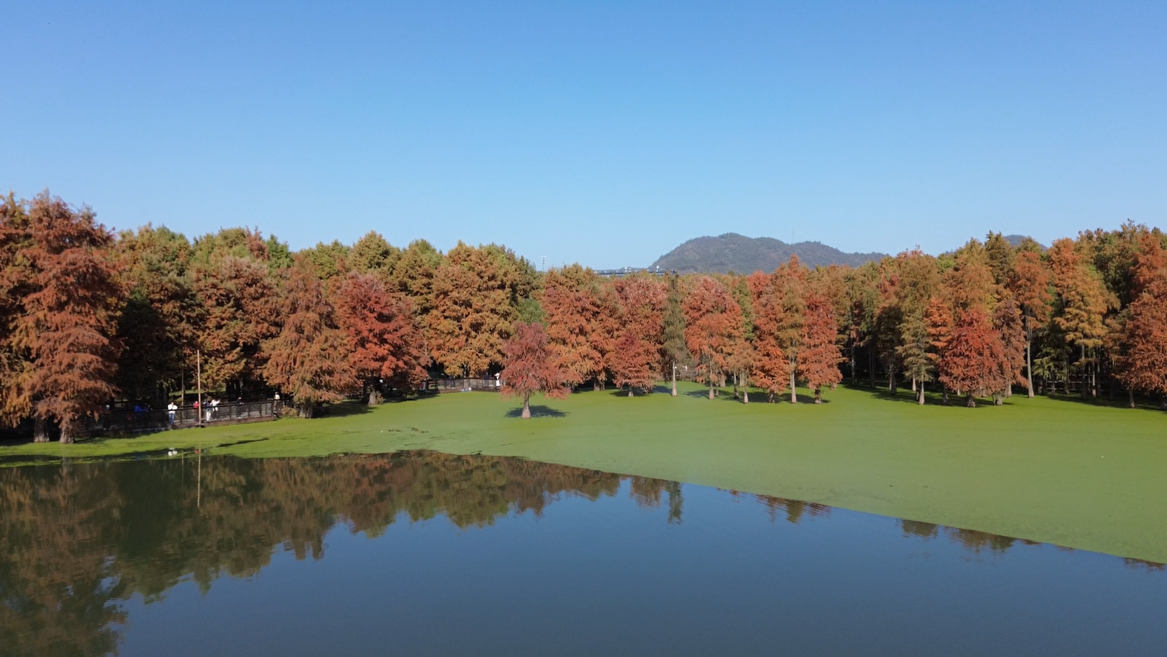
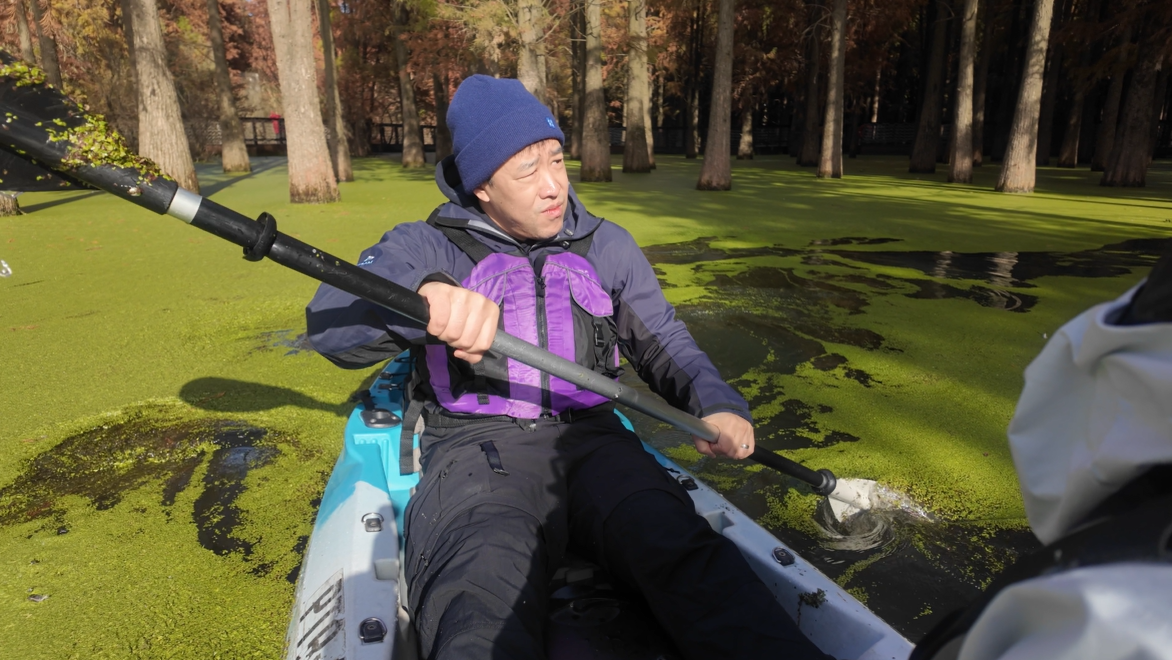
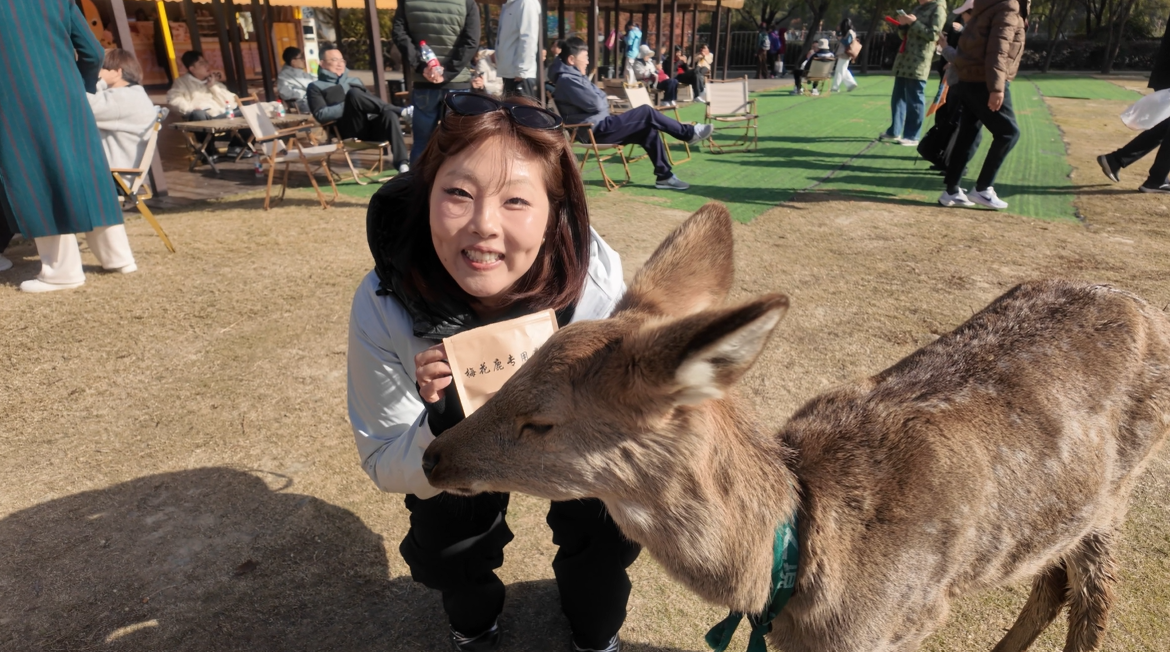
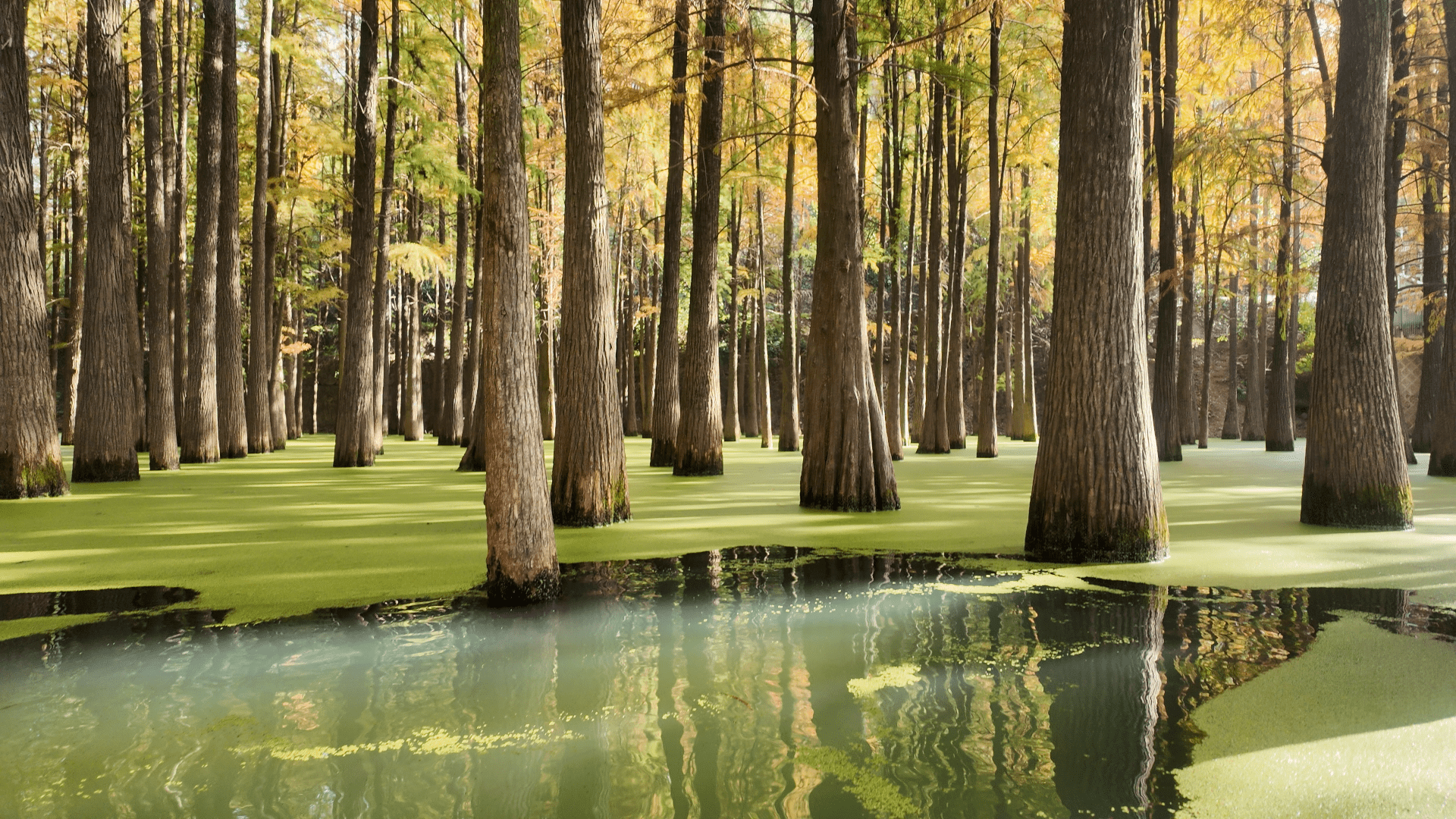
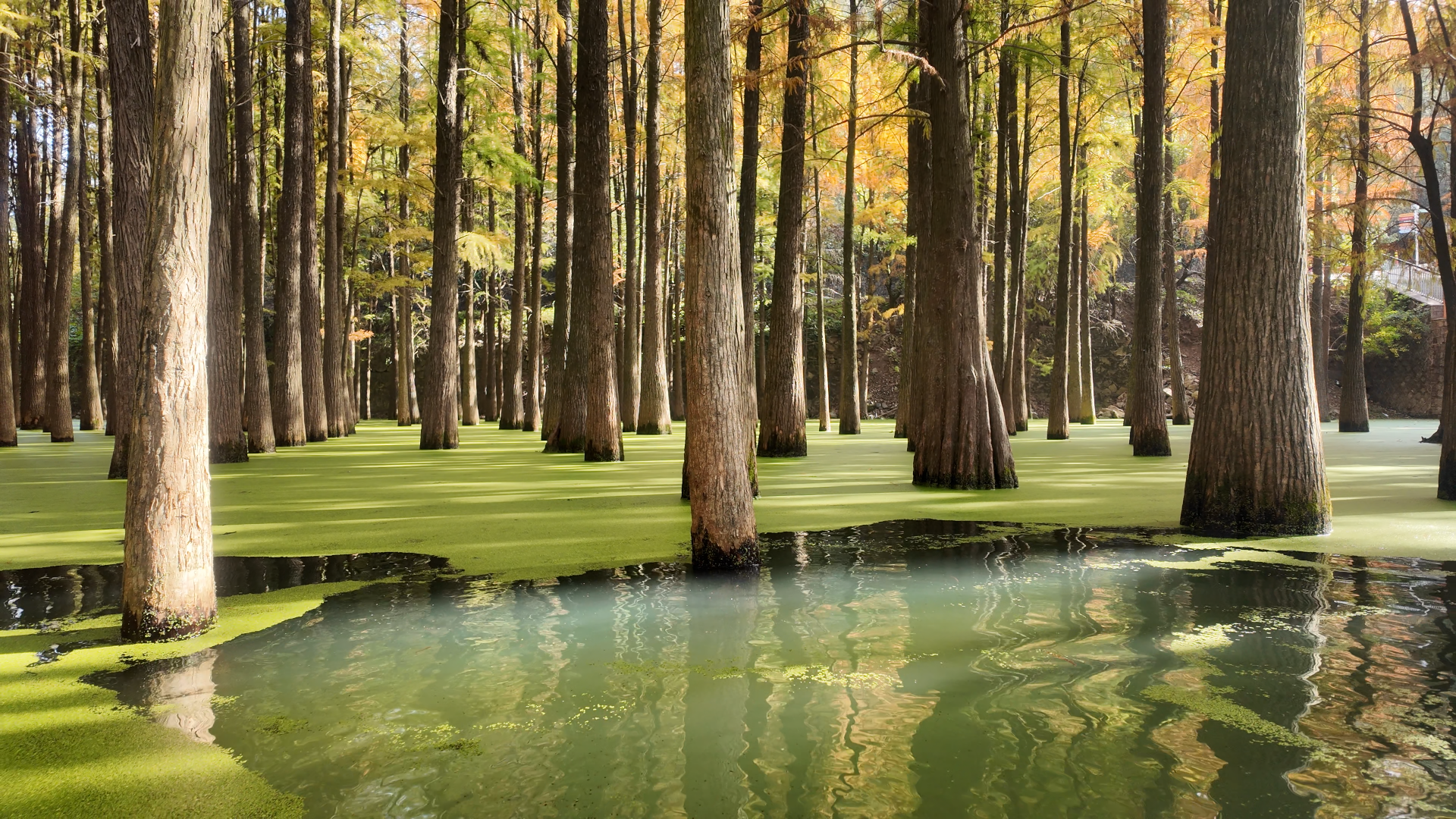
We arrived at 8:30 AM and had the whole place to ourselves. The lake looks exactly like the photos — completely covered in duckweed, deep green, almost unreal. This was the best thing we did in Hangzhou.
Qingshan Green Lake (Qingshanhu Scenic Area)
Map: https://maps.app.goo.gl/ZnkuSPvtsZAvqBqY7
A Map: https://surl.amap.com/4O2QmauFhc4C
This was the reason Hangzhou stayed on our itinerary.
I first saw Qingshan Green Lake — officially called Qingshanhu Scenic Area — online and thought it looked fake. The lake is blanketed in duckweed, giving it a deep green, almost matcha-colored surface that looks unreal in photos.
Getting here took some trial and error. We initially ended up on the residential side of the lake and had to rebook a Didi using “Qingshanhu Scenic Area, Hangzhou” as the destination. Our Didi cost around 90 RMB and took 1 hour.
Once inside, we walked about 500 meters to the separate ticket office.
Entrance fee: 40 RMB per person
Hours: 8:00 AM to 4:30 PM
We arrived around 8:30 AM and had the place nearly to ourselves.
The lake looked exactly like the photos. Duckweed blanketed the water so completely that it looked like grass from above. Boardwalks ran directly over the lake, creating reflections that felt unreal.
You can rent a kayak for 220 RMB per hour for two people. We tried it, but if we returned, we’d skip it. The views from the boardwalk above were far better.
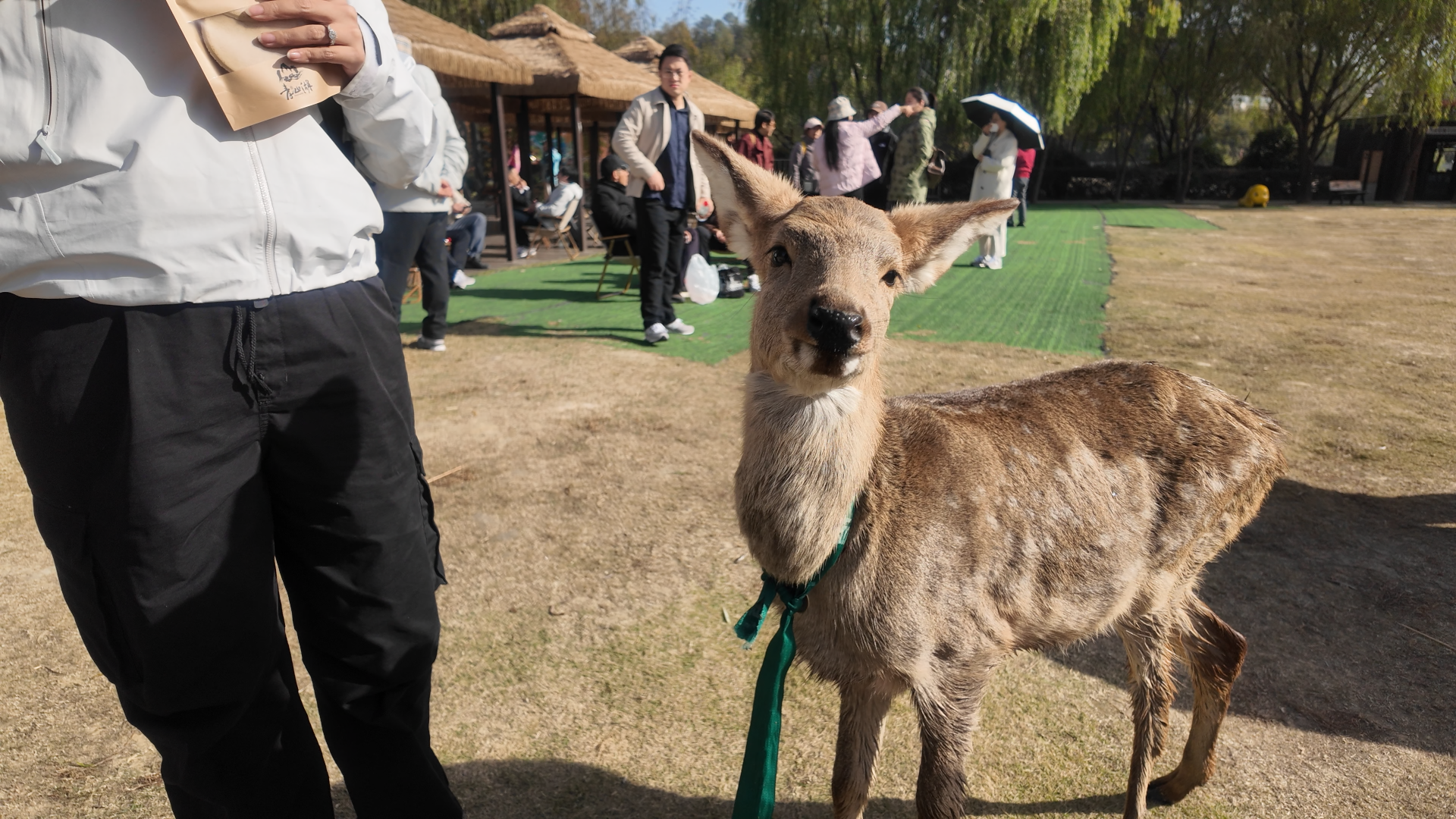
One unexpected highlight was the deer roaming freely inside the park. You can buy deer cookies for 20 RMB and feed them. Calm, quiet, and easily our favorite moment in Hangzhou.
This place alone was worth the trip.
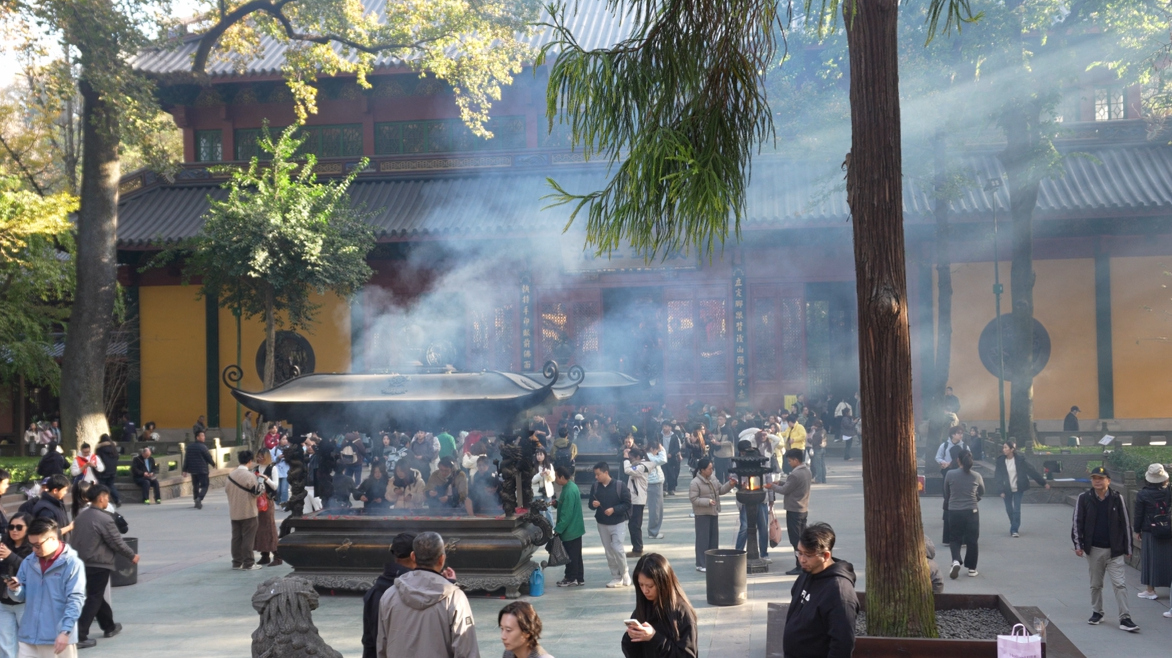
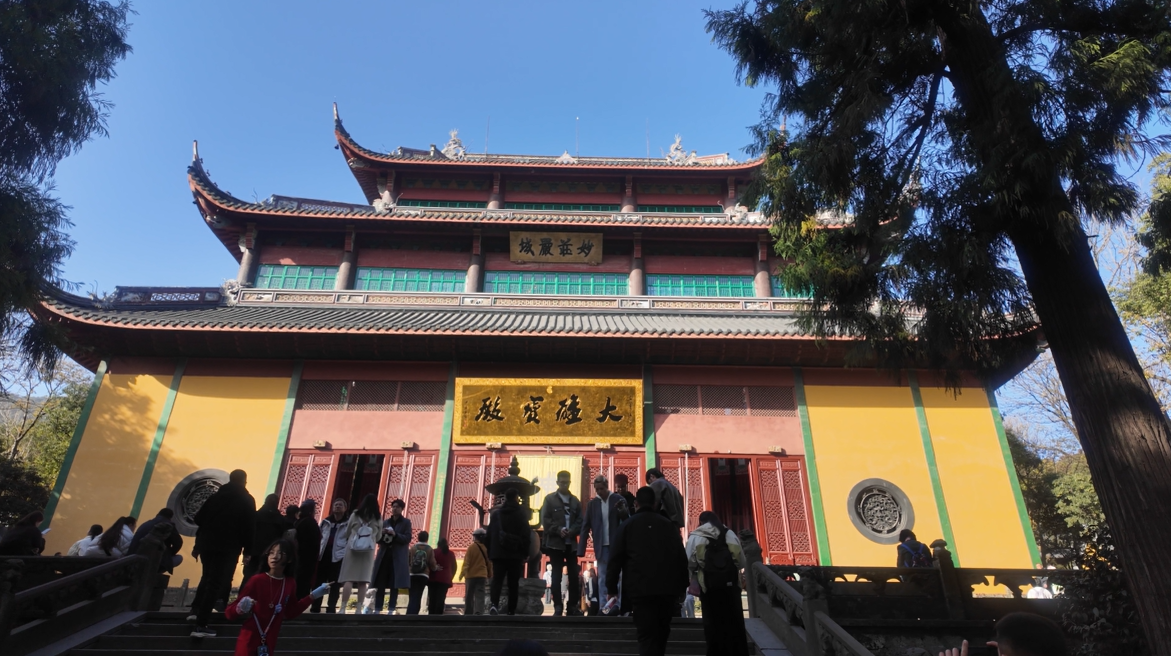
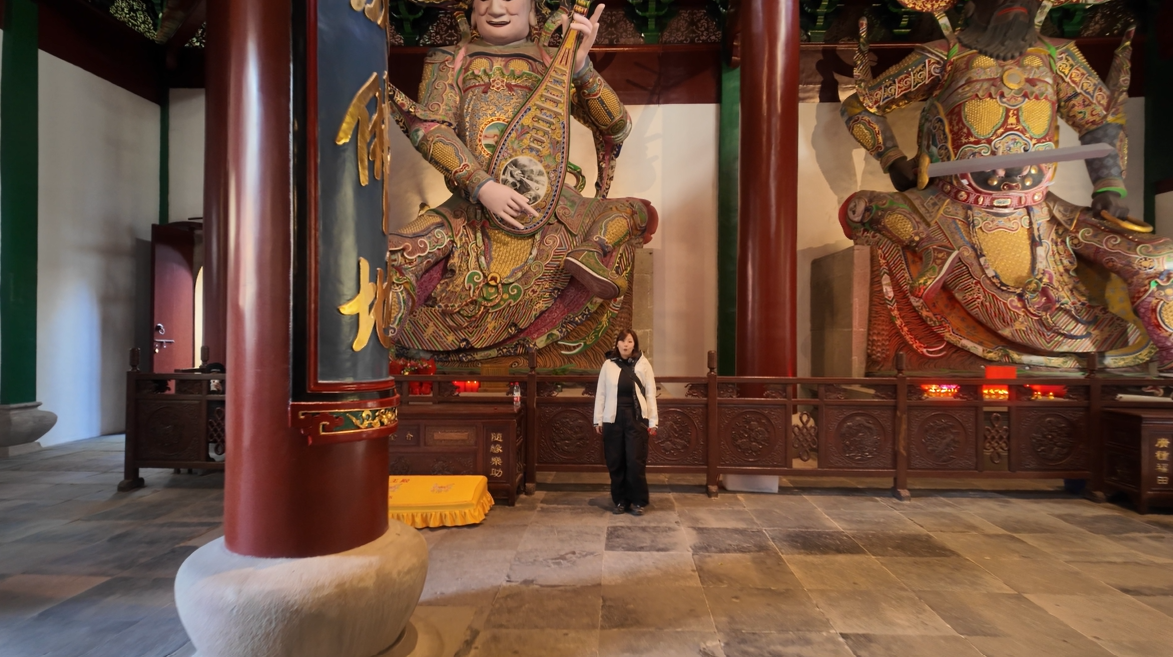
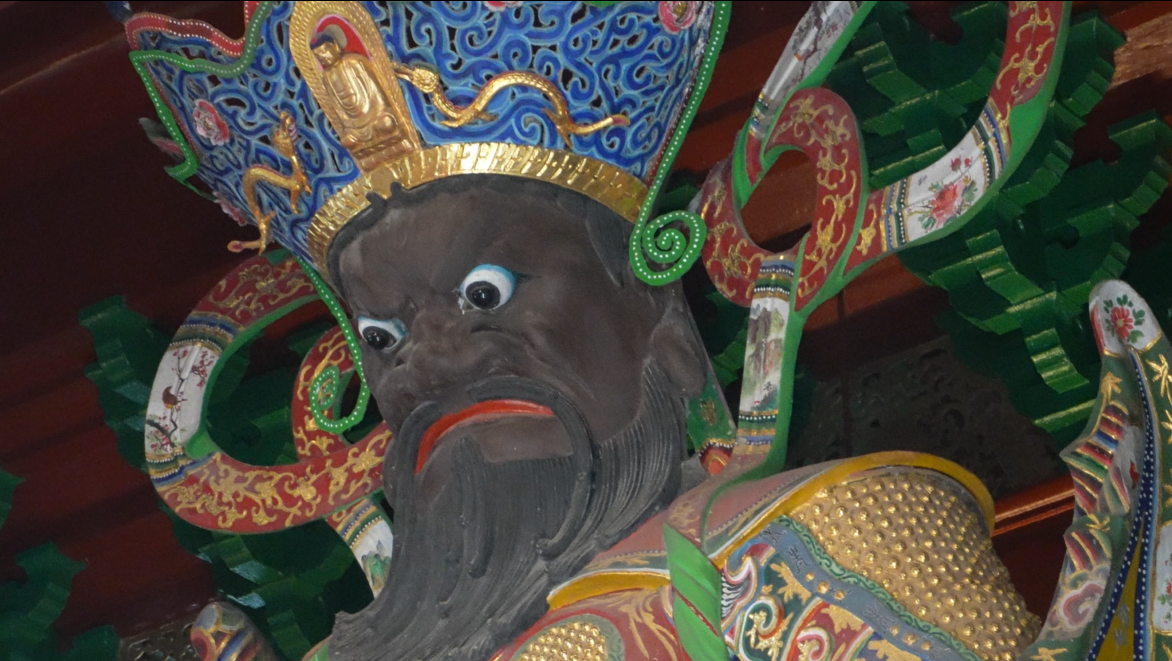

We accidentally joined a gondola line and paid 60 RMB each before realizing it went to a small viewpoint, not the temple. The temple itself needs two more tickets on top of that. Budget time and money here carefully.
Lingyin Temple and Feilai Peak
Map: https://maps.app.goo.gl/fUrst2Geb2WvHu91A
Lingyin Temple is one of the most famous Buddhist temples in China, with over 1,700 years of history. It’s consistently listed as a top thing to do in Hangzhou.
What we didn’t expect was the effort required to get there.
Traffic came to a standstill. Our Didi ride stretched past an hour, and once we arrived we were met with crowds and long lines. We unknowingly joined a gondola line and paid 60 RMB per person, only to realize later it led to a small temple and average viewpoint.
Lingyin Temple itself requires two separate tickets:
Feilai Peak Scenic Area: 45 RMB
Lingyin Temple: 30 RMB
Total: 75 RMB per person
The temple is large and historically significant, but between traffic, crowds, waiting, and layered entry fees, it took a heavy toll on the day. In hindsight, this stop felt optional.
DAY 2 IN HANGZHOU: West Lake, Broken Bridge, and Missed Expectations
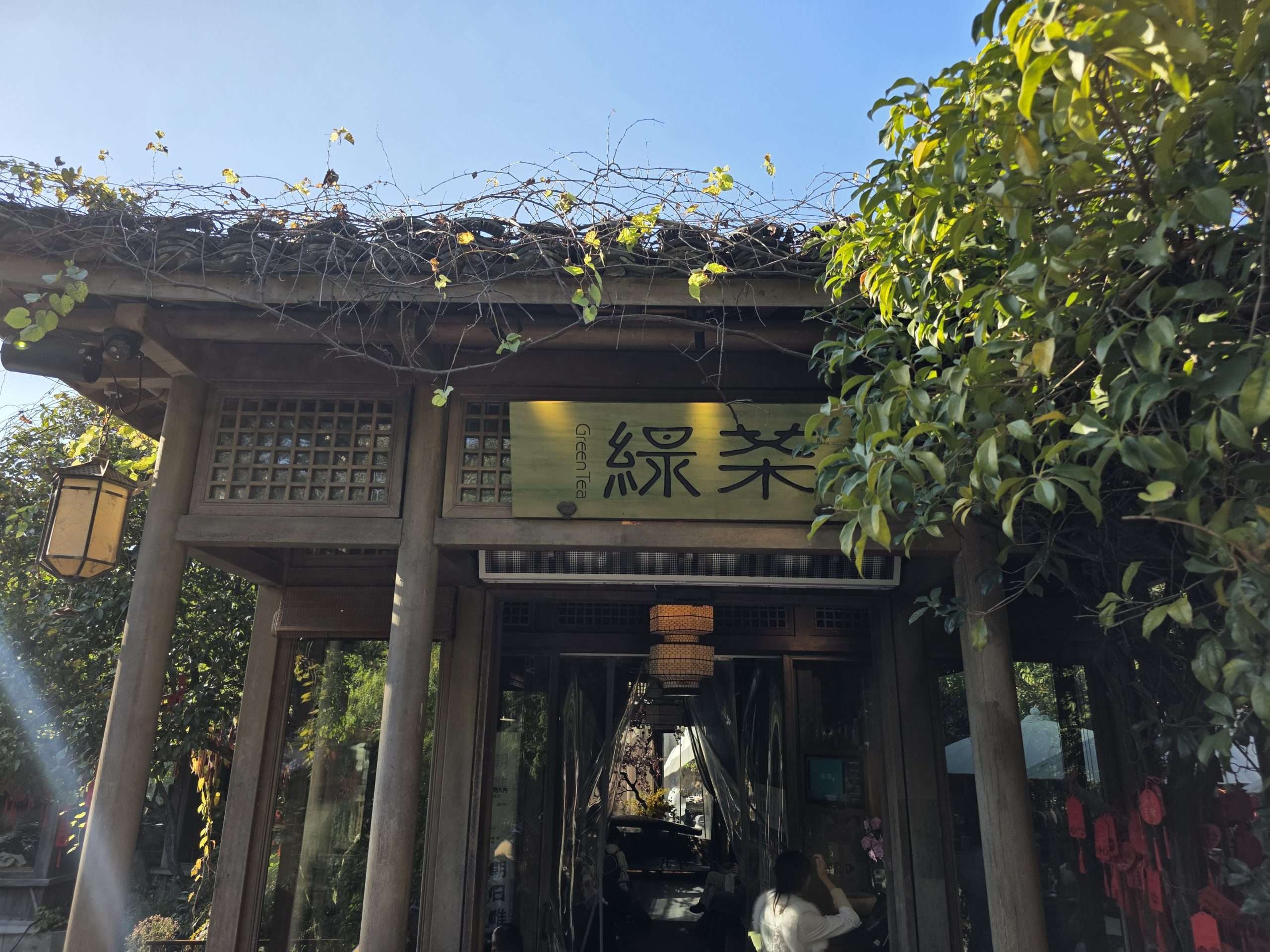
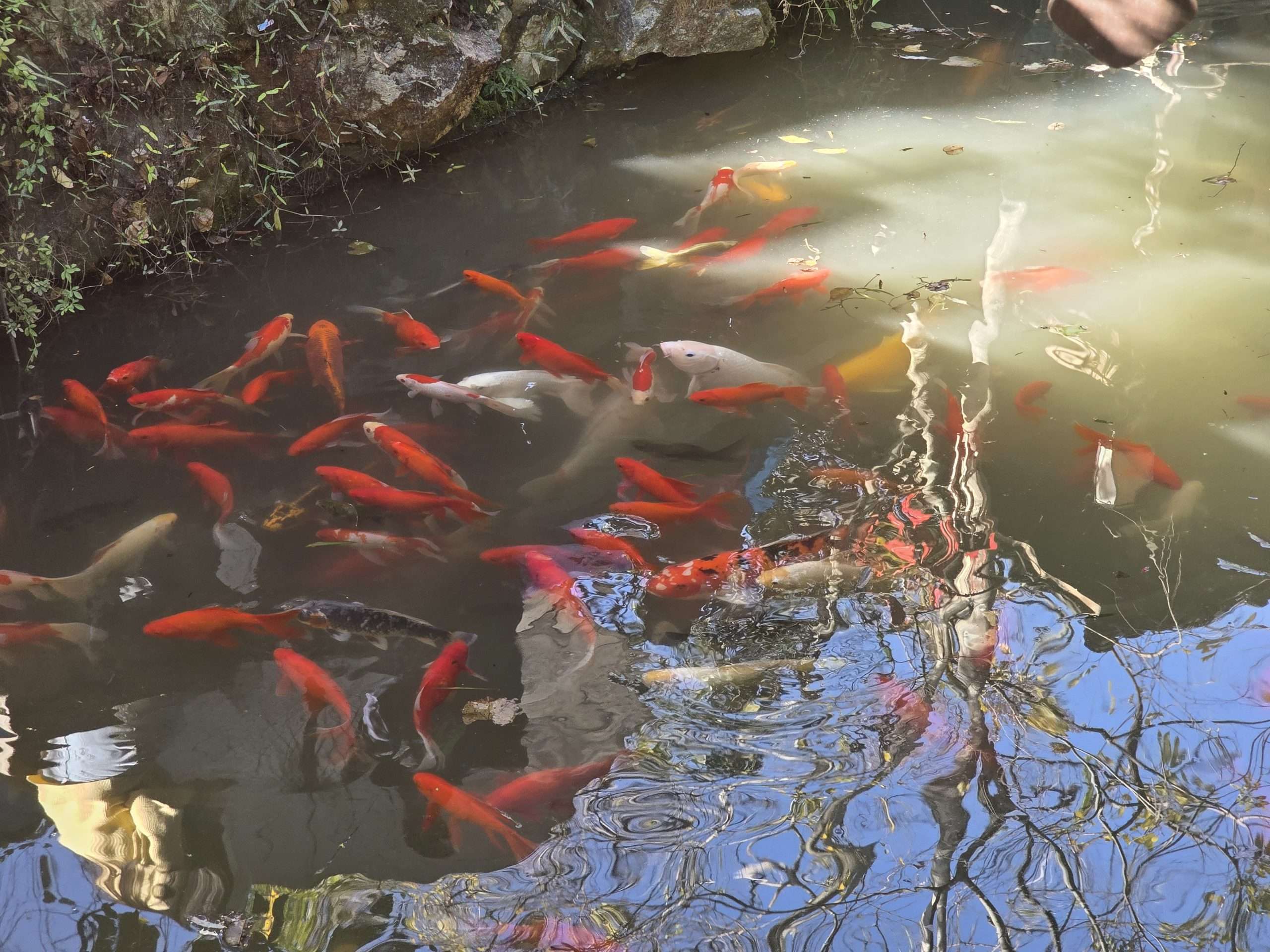
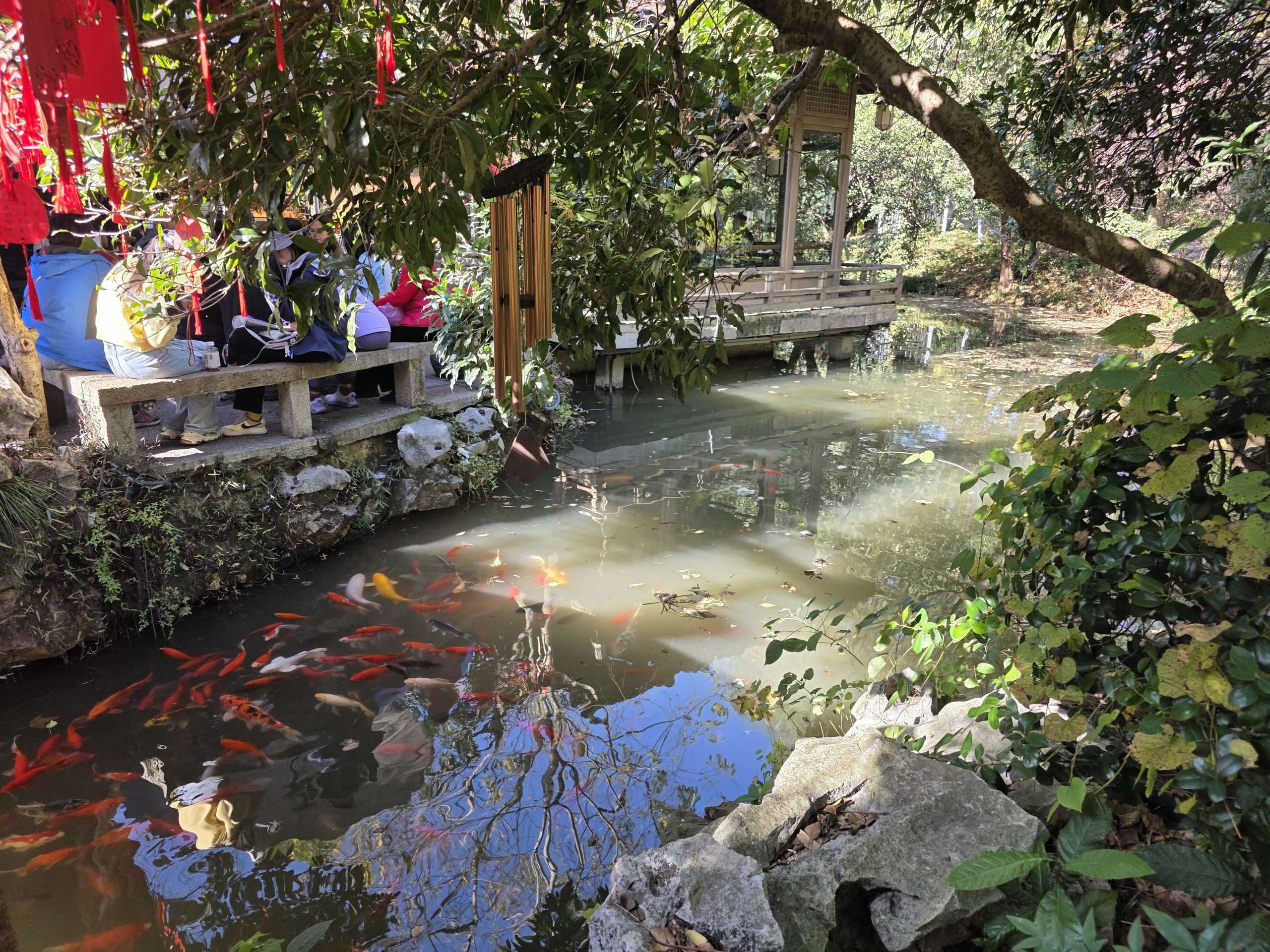
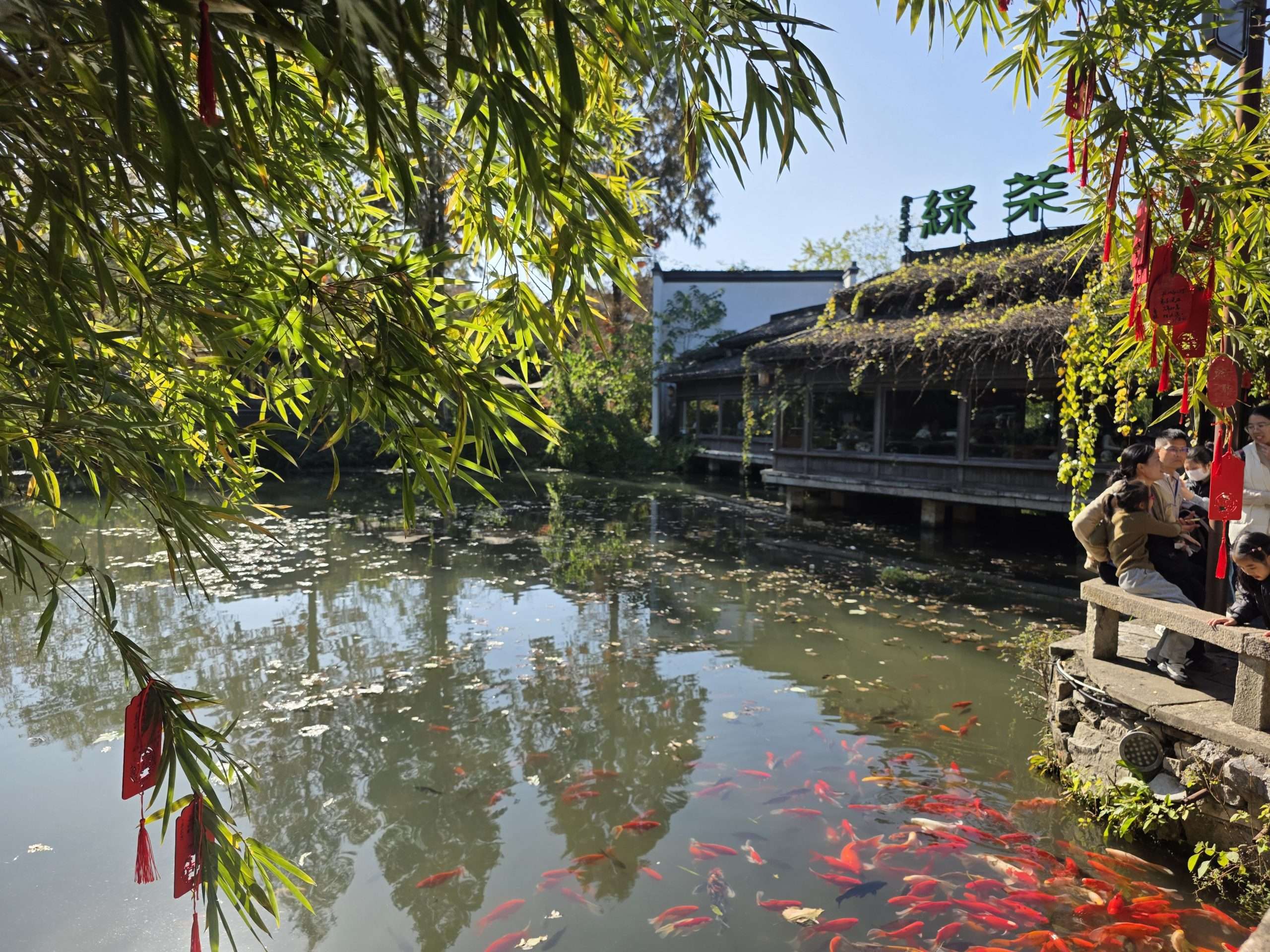
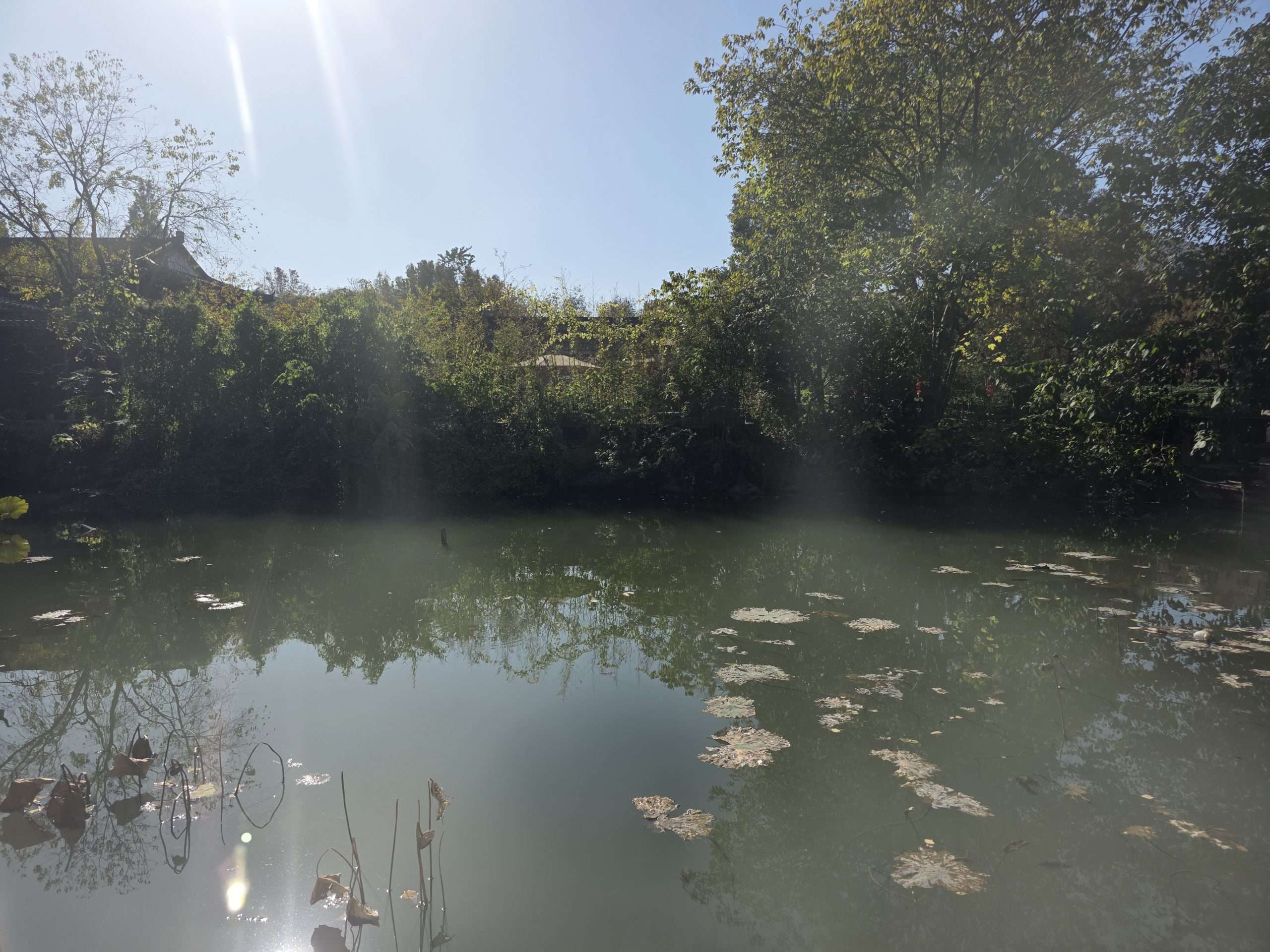
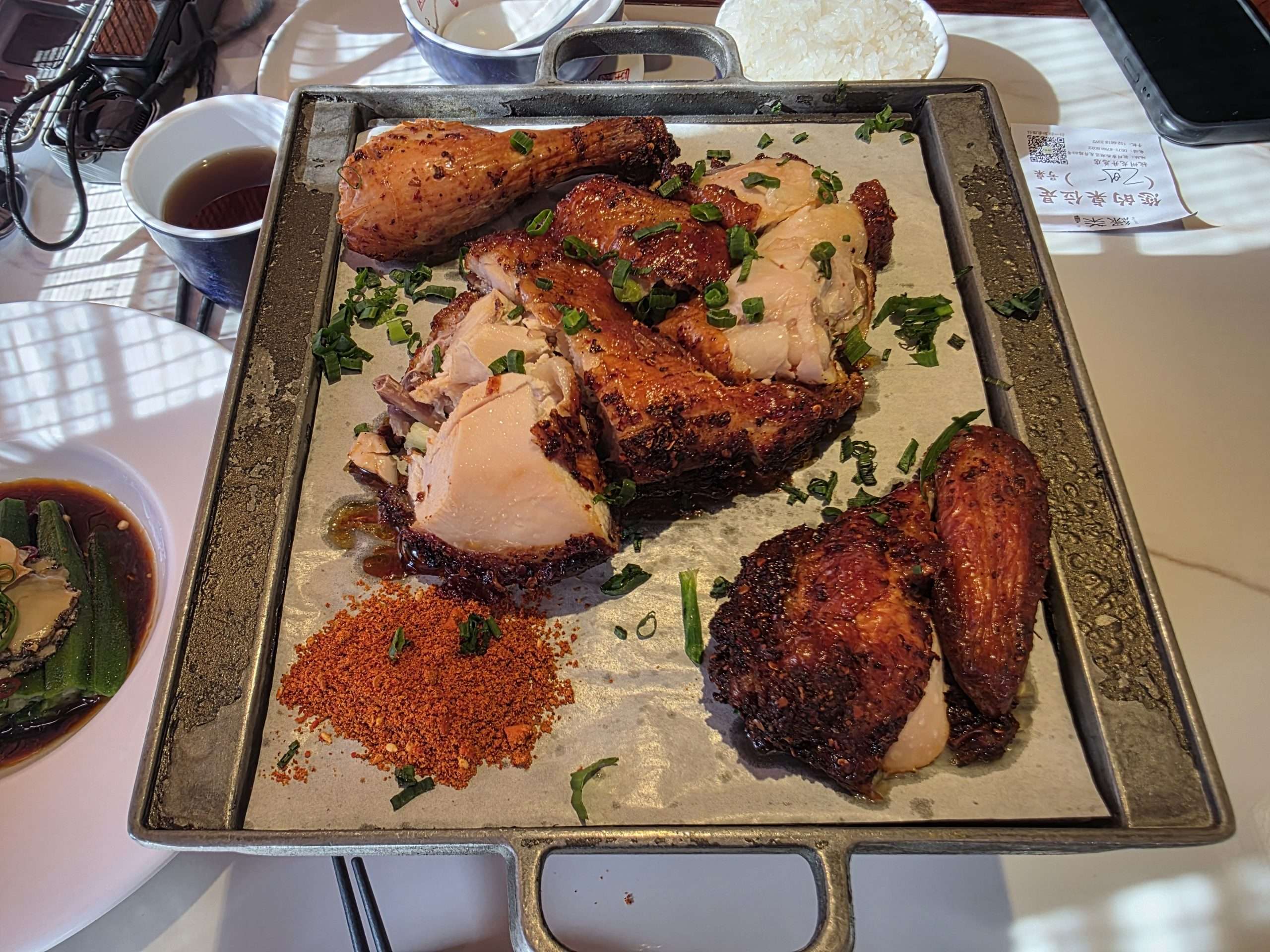
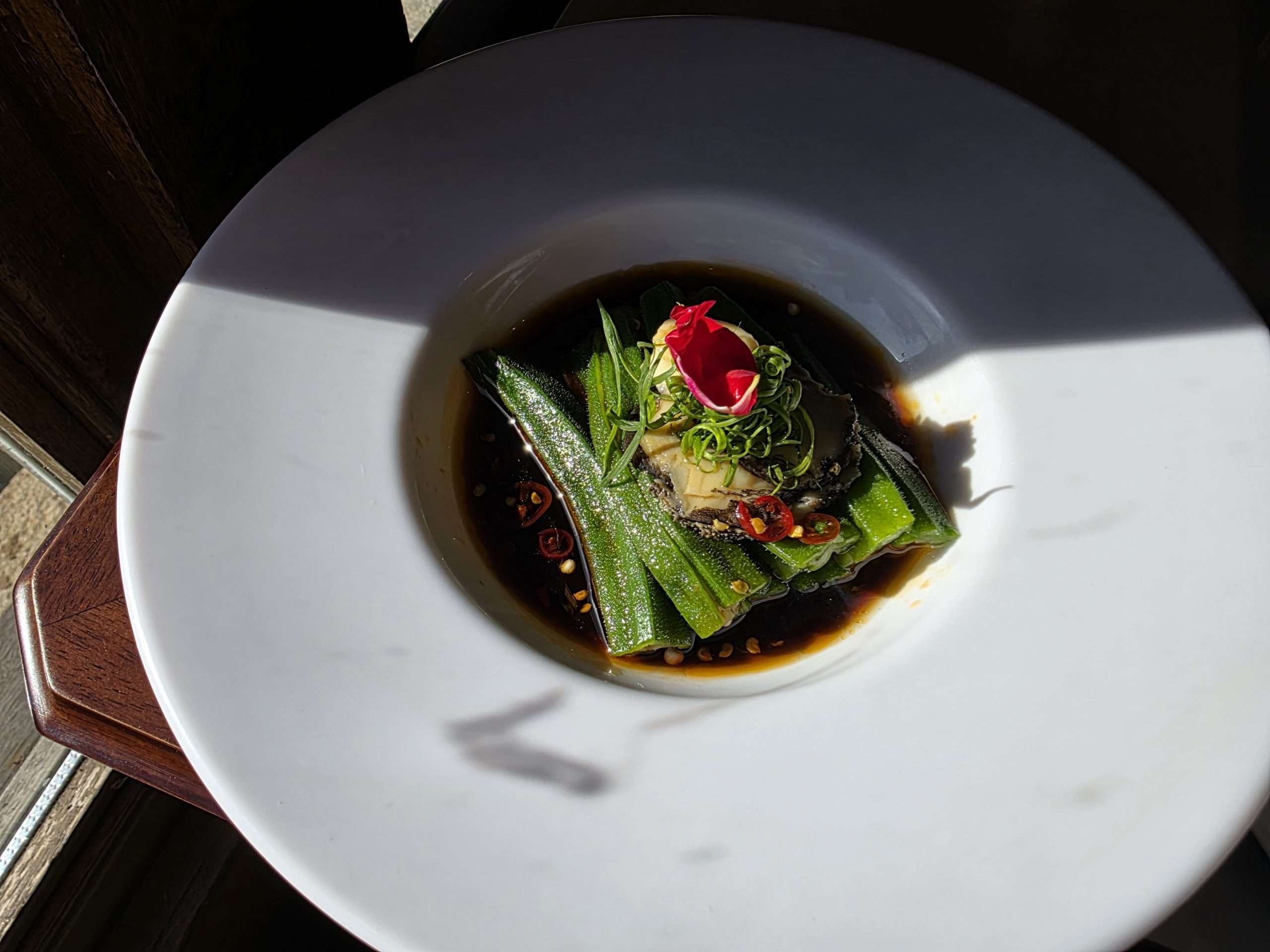
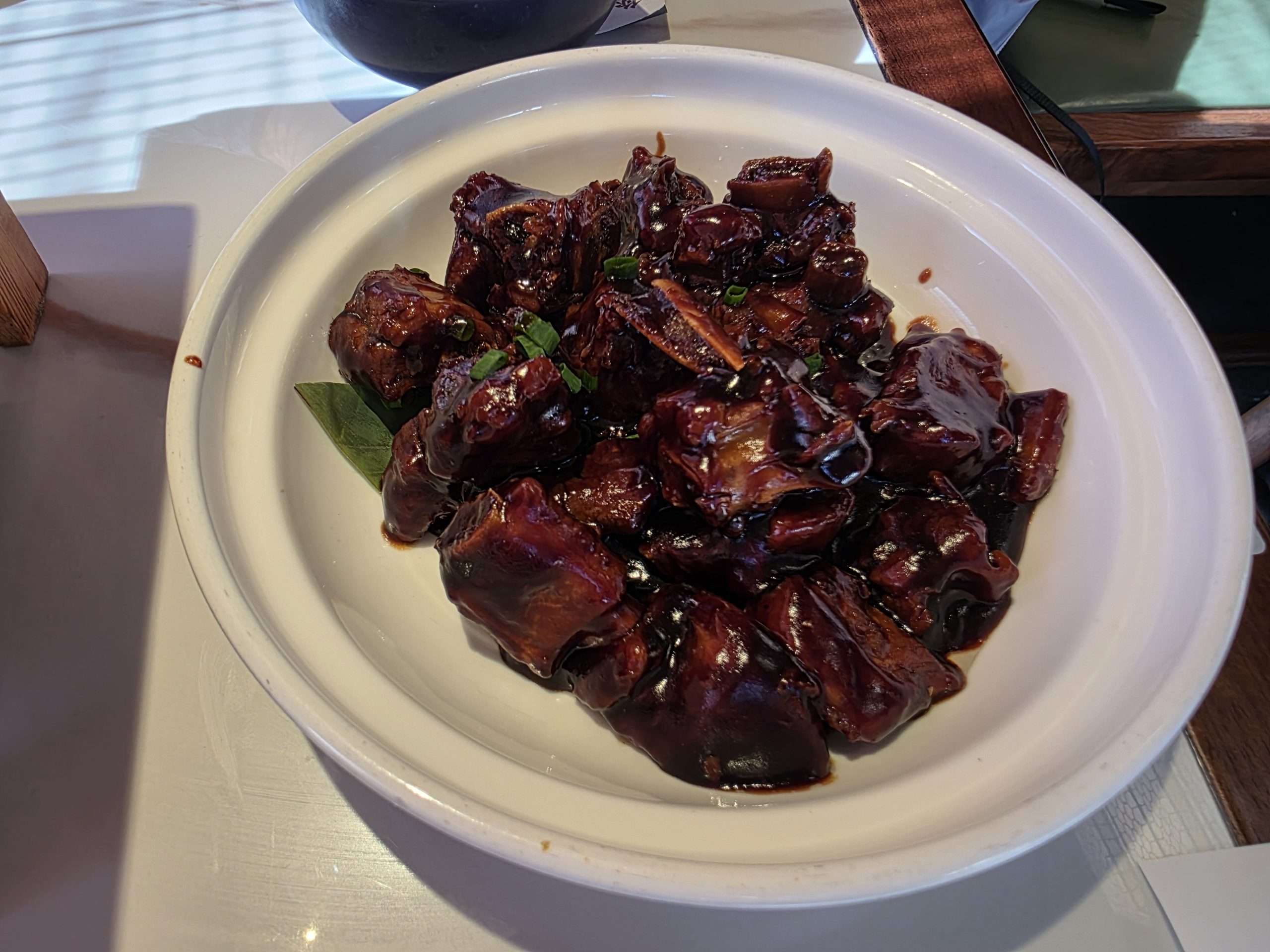
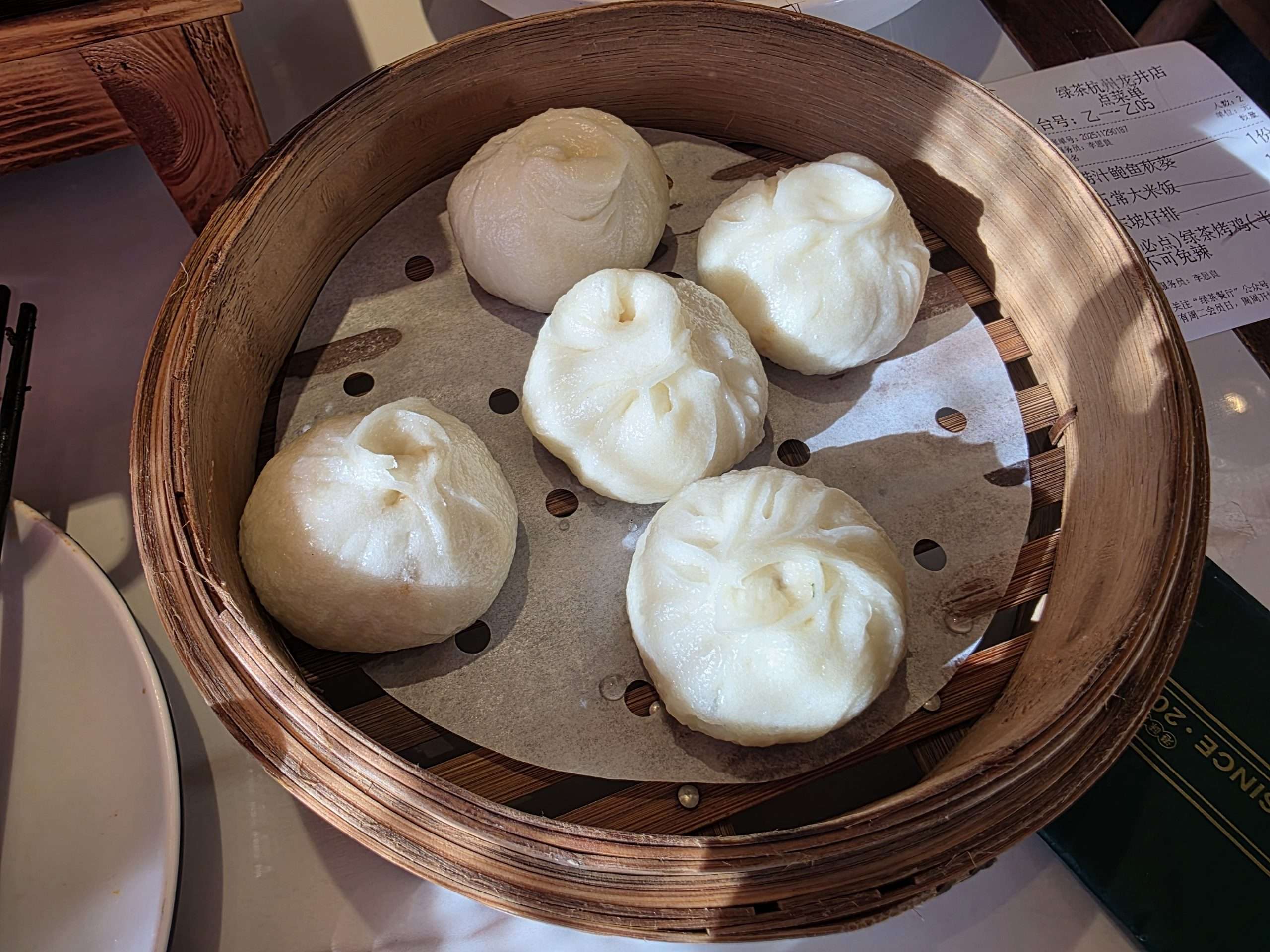
Green Tea restaurant at West Lake was stunning and the food was delicious. the BBQ Chicken is highly recommended.
Green Tea Restaurant at West Lake
Map: https://maps.app.goo.gl/L8UMKPmjz7wbfsED9
Green Tea is one of the most famous restaurants in Hangzhou and sits directly inside the West Lake area.
We waited about 30 minutes for a table and were seated by a pond. The view was the best part of the meal.
The food was solid. The chicken stood out. Everything else was fine.
Worth trying if you’re nearby. Not worth planning your day around.
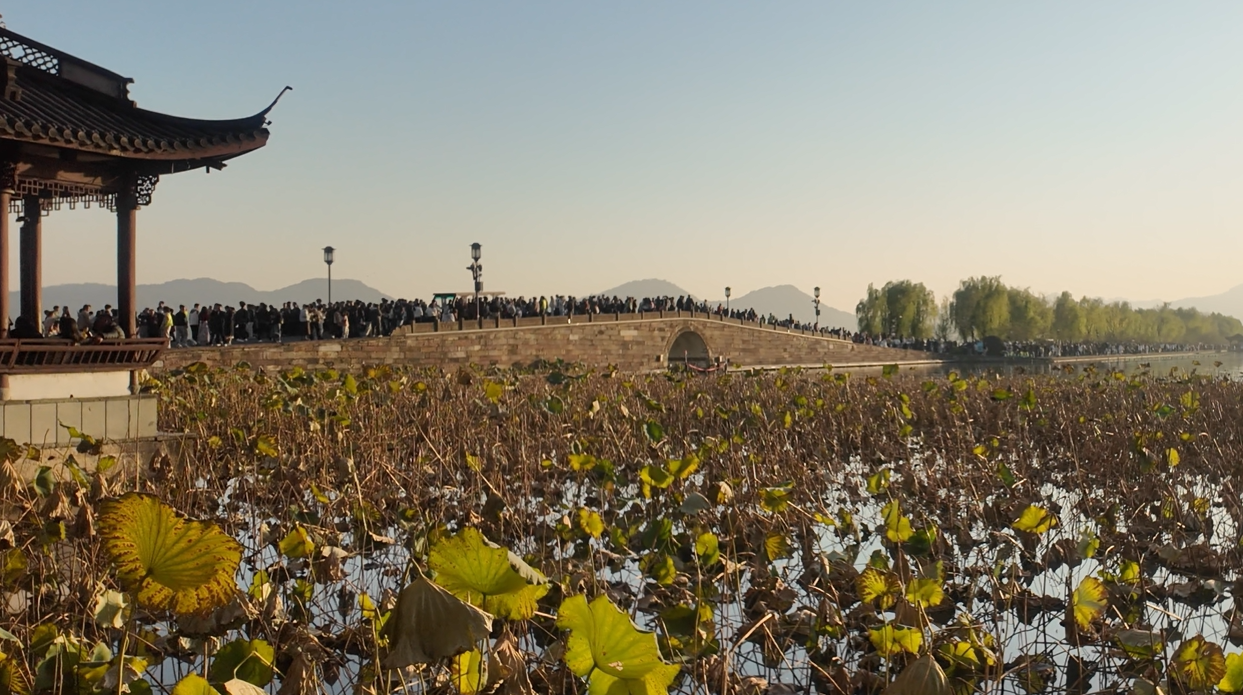
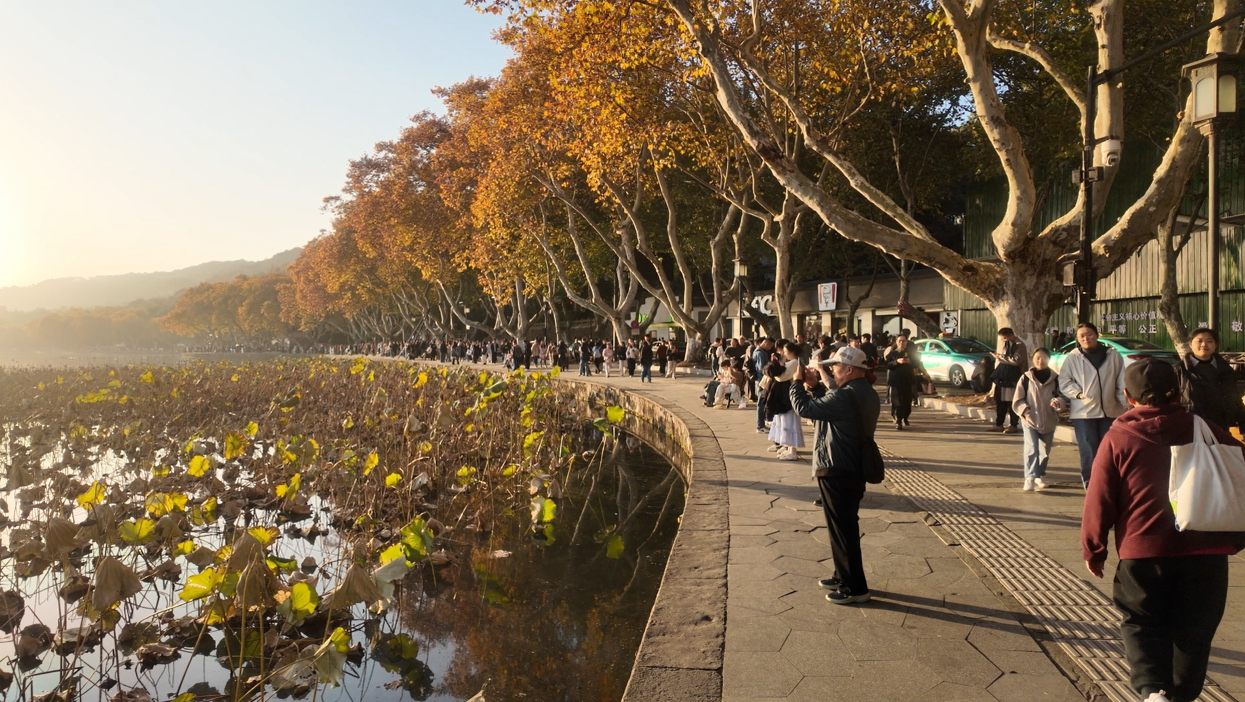
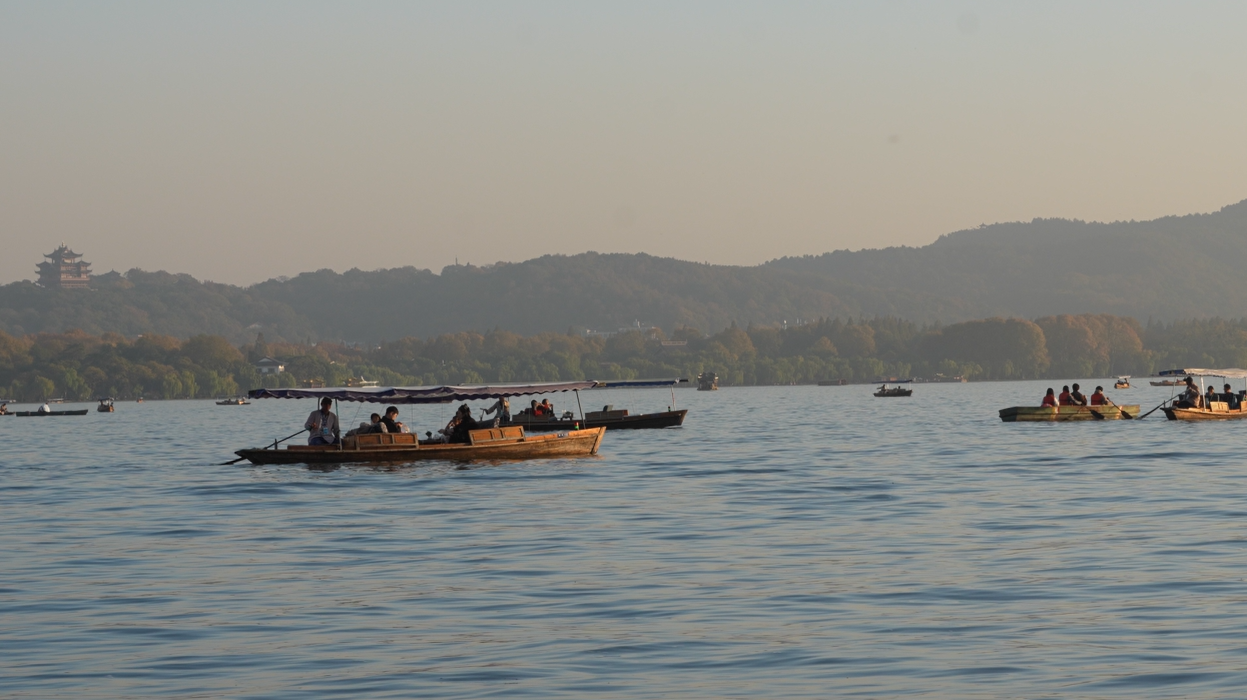
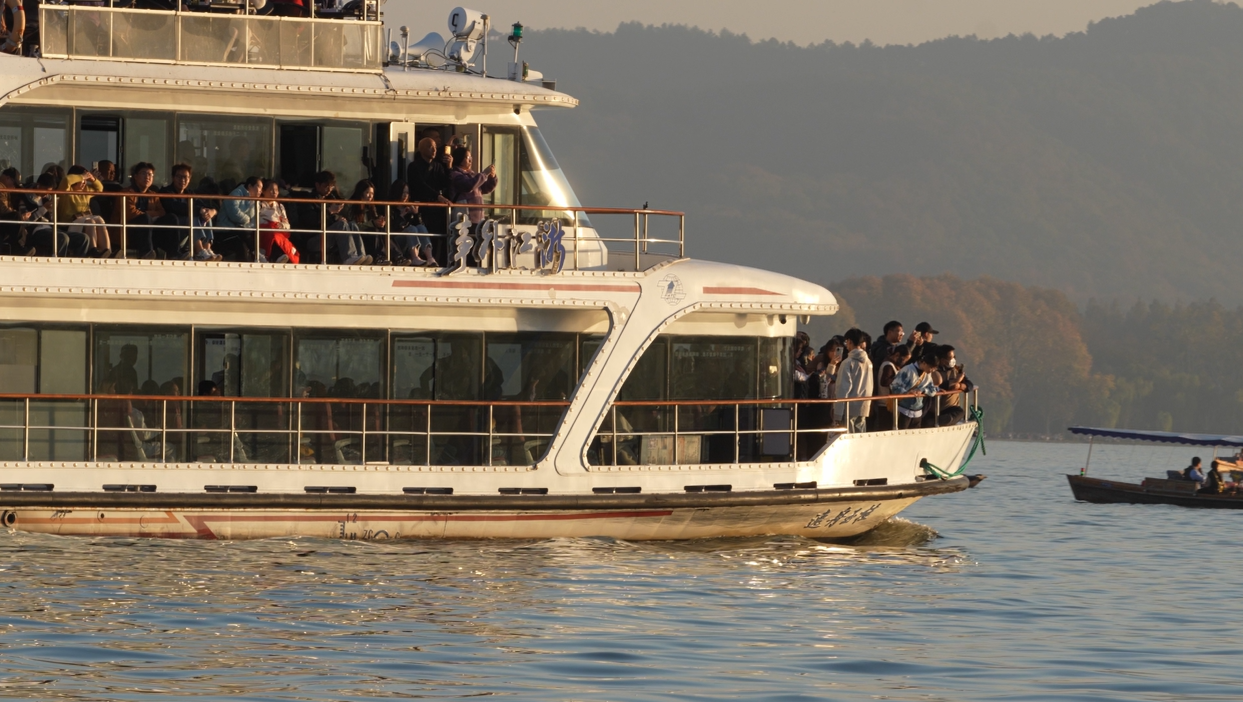
West Lake is undeniably beautiful and has been inspiring poets and painters for centuries. But its size caught us completely off guard. What looks close on a map is never close in practice.
West Lake and Broken Bridge (断桥)
Map: https://maps.app.goo.gl/SUmZZoHW4Ydo3LtRA
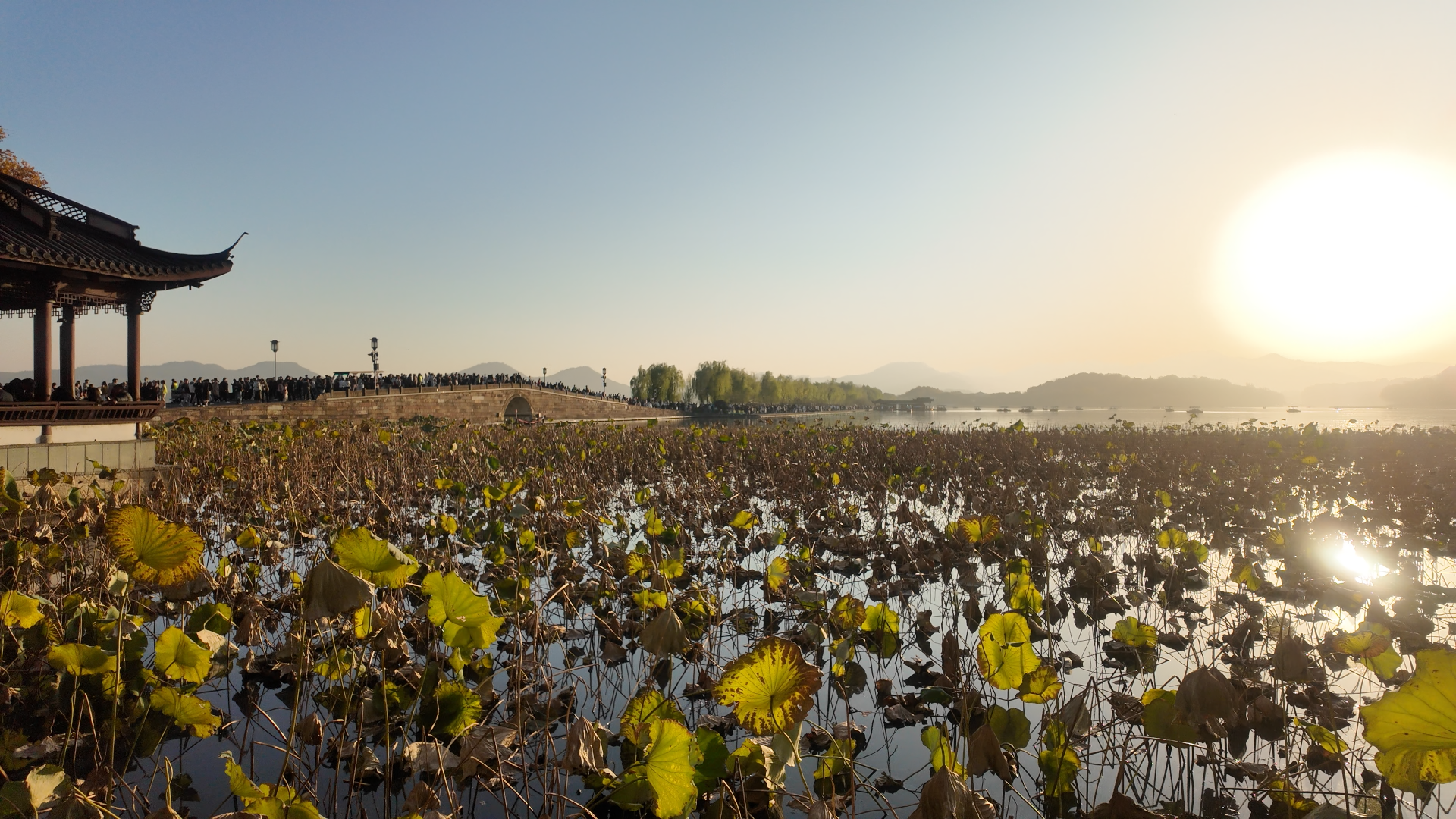
West Lake China is the image most people associate with Hangzhou and has been admired for centuries by poets, painters, and emperors. The entire scenic area is massive — roughly 900 football fields — which explains why everything takes much longer than expected.
We learned this the hard way.
Walking from Green Tea Restaurant to Broken Bridge would have taken close to two hours on foot. Getting a Didi was nearly impossible — the area was completely congested and ride-hailing was useless. We jumped on a bus, which still took about 45 minutes.
By the time we reached Broken Bridge, it was packed. This is one of the most famous spots in West Lake Hangzhou, tied to the Legend of the White Snake — a well-known Chinese folktale. We grabbed a few shots, took in the atmosphere, and had to move on.
We were already far behind schedule with sunset closing in. Our next goal was Leifeng Pagoda, so we had to make a fast exit.
West Lake is beautiful and historic, but its sheer scale and crowds caught us completely off guard. Timing and planning matter here more than anywhere else in Hangzhou.
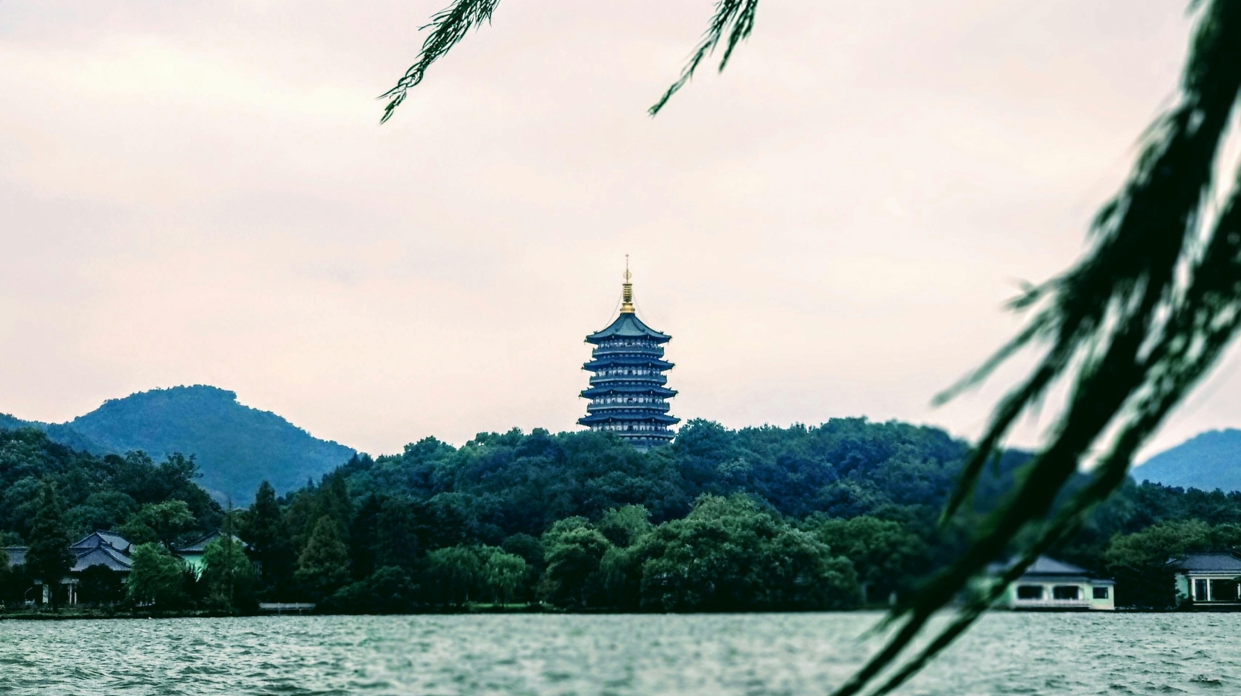
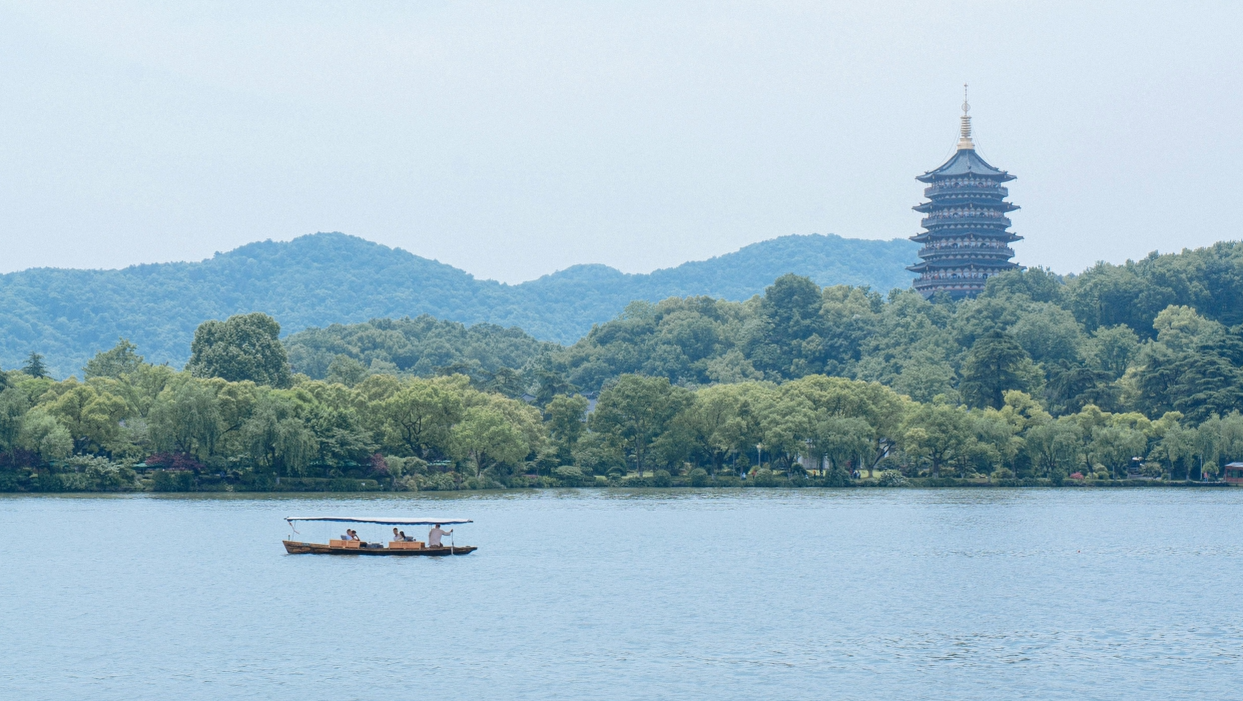
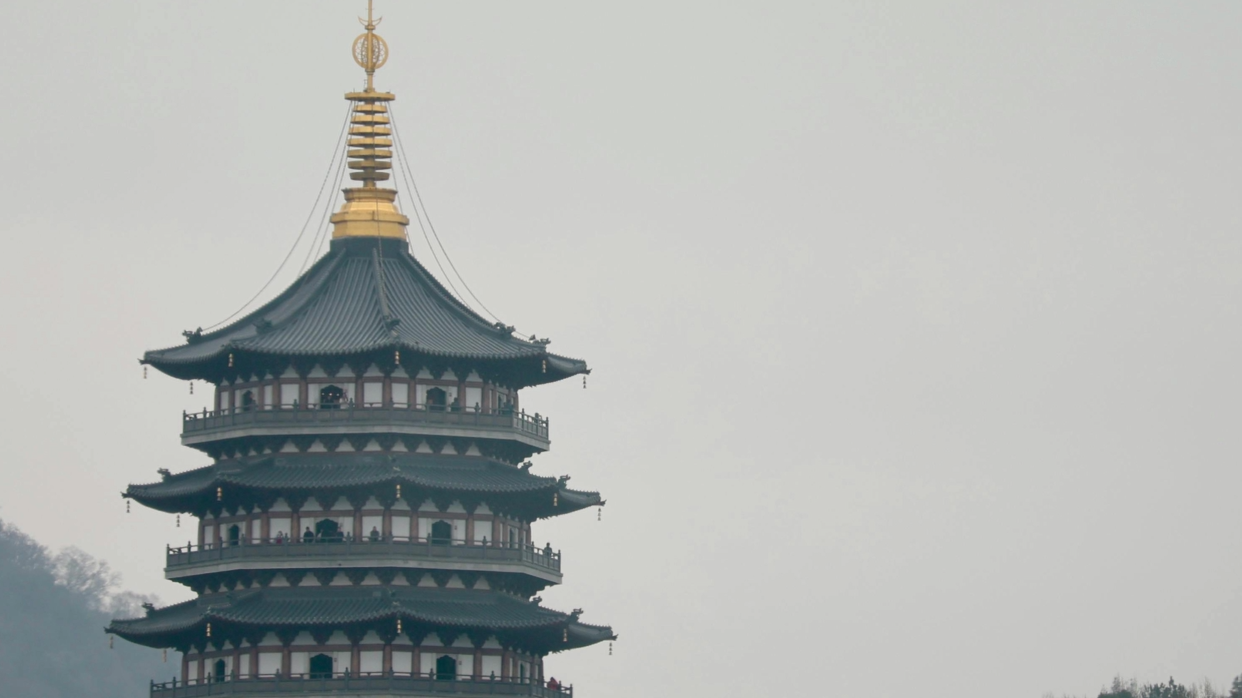
We didn’t make it to Leifeng Pagoda at sunset. Traffic around West Lake killed our timeline. If this is on your list, go early and don’t count on Didi getting you there in time.
Leifeng Pagoda
Leifeng Pagoda is one of Hangzhou’s most iconic landmarks and the best viewpoint over West Lake. The original pagoda dates back over a thousand years and is deeply tied to the Legend of the White Snake. In the story, the pagoda becomes a symbol of love, separation, and sacrifice — which is why this site carries so much cultural weight.
The pagoda standing today was rebuilt in the early 2000s after the original collapsed. It sits on a hill overlooking the lake and is especially popular at sunset, when the light reflects across West Lake and the whole area feels cinematic.
We planned to be there for sunset. We did not make it.
As traffic around West Lake got worse, Didi stopped allowing drop-offs anywhere near the pagoda. The app forced an alternative drop-off point, and once we got out, the walk to Leifeng Pagoda would have taken over two hours.
By that point, the sun was already gone.
Standing there watching the sky fade, we knew there was no realistic way to make it in time. It was frustrating, but also a reminder of how quickly time slips away in Hangzhou. Distances look manageable on a map. Once crowds and traffic hit, plans change fast.
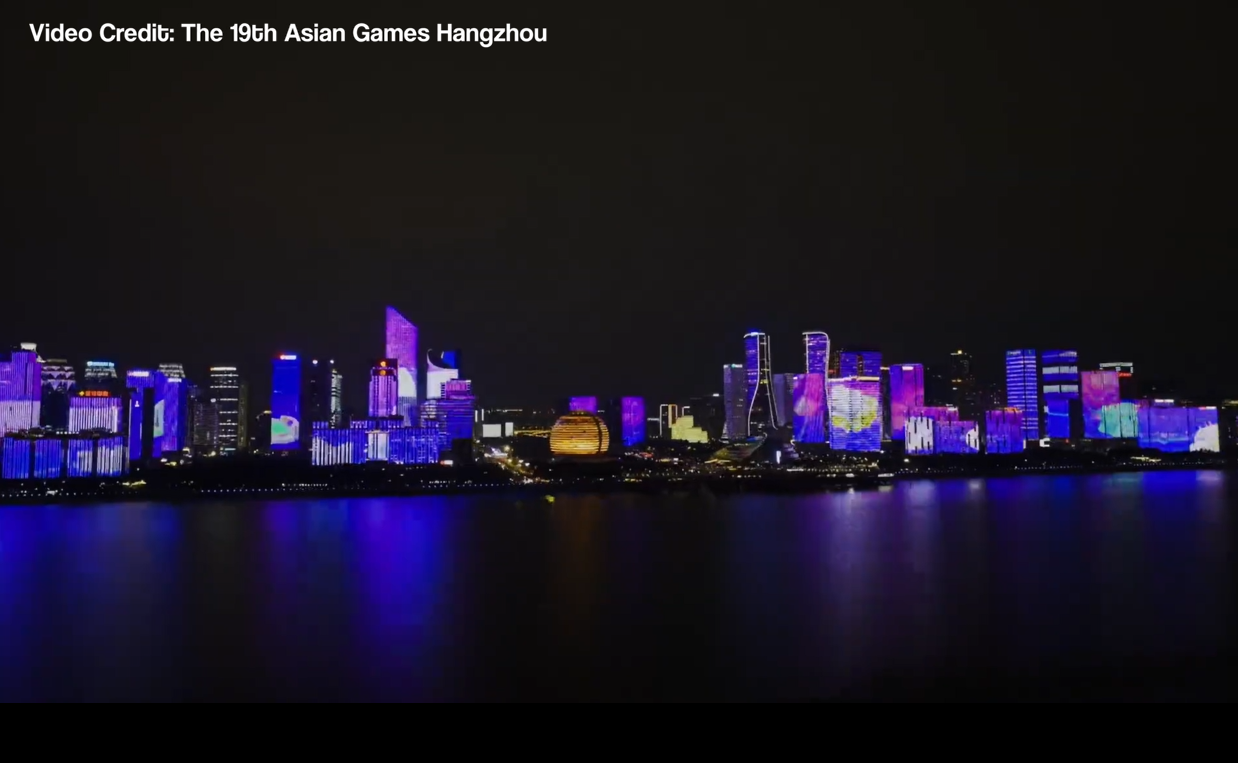
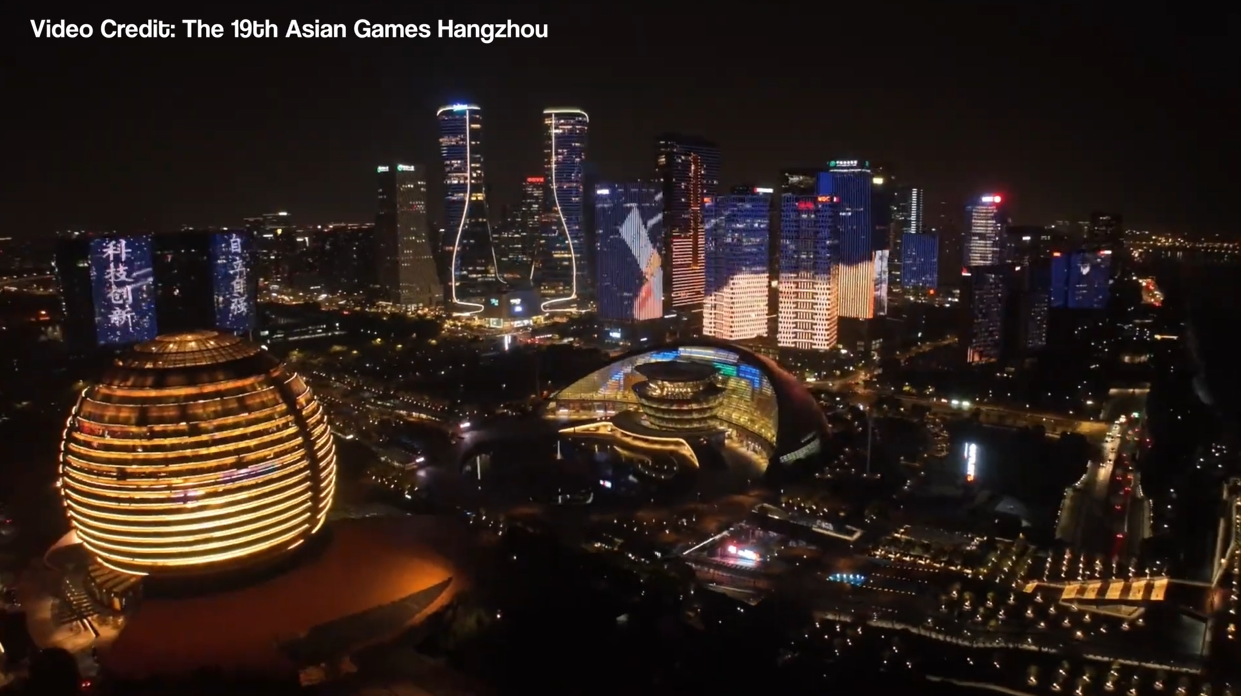
We waited in the cold for a second show that Google said existed. It didn’t. The skyline looked great from a distance but the night ended on a sour note. Verify show times before you go.
Qianjiang New City Light Show
Map: https://maps.app.goo.gl/VxzjnuhimDijeVLA9
After missing Leifeng Pagoda, our mood was already low. We were cold, tired, and running on fumes. Still, we pushed ourselves to make one last stop.
We grabbed a quick dinner and headed toward Qianjiang New City for the light show. This area is known for its modern skyline lighting up along the river in synchronized patterns — often described as one of Hangzhou’s must-see nighttime experiences.
Getting there was harder than expected.
New construction near Binjiang Park blocked our original route and we got lost. By the time we found the viewing area, the 7:30 PM show had already finished.
Google showed another show at 8:30 PM. So we stayed.
Standing by the river. Cold wind cutting through us. Energy completely gone.
8:30 came and went. Nothing happened. No lights. No music. No show.
Google was wrong. There was no second showing that night.
That moment summed up the trip. After hearing so many people rave about how magical Hangzhou was, this night felt like a letdown stacked on top of another. We walked away annoyed, disappointed, and questioning everything we’d been told about the city.
IS HANGZHOU WORTH VISITING? OUR HONEST TAKE
For us, Hangzhou was not worth it.
The congestion around West Lake completely killed the experience. What should have been calm and scenic felt stressful. Traffic was heavy. Public transport was slow. Didi was unreliable. By the time we arrived at key spots, we were already behind and mentally drained. Instead of soaking in the beauty, we were constantly rushing and problem-solving.
Qingshan Green Lake (Qingshanhu Scenic Area) was the only place we truly enjoyed. Open, peaceful, and easy to navigate — it felt like what we imagined Hangzhou would be. If you’re planning a trip to Hangzhou, this is the one stop we’d recommend without hesitation.
Outside of that, the city left a sour impression. The logistics, crowds, and congestion outweighed the scenery. Hangzhou ended up being our least favorite city in China — and in hindsight, we wish we’d used this time to explore somewhere else.
This is our honest experience. Others may love Hangzhou — especially if you go with more time, better weather, and a car. But for our travel style and two-day Shanghai to Hangzhou trip, it didn’t work.
For destination details, check the official tourism site.