
Things to know
before your travel.
Planning a long-term trip isn’t just about booking flights.
From health prep to credit cards, there are a few things we wish we had known before our first big adventure.
Here’s a full breakdown of what’s been most helpful for us as full-time travelers.




What We Wish We Knew Before Traveling Long-Term
From packing and planning to staying connected on the road, these are the things that have helped us the most so far. We’re still learning as we go, but we hope what’s worked for us makes your next trip a little easier.
- Planning & Visas
- Travel Health & Safety
- Staying Connected
- Packing Smart
- Money & Travel Cards
- Getting Around

Planning Your Trip & Visa Requirements ✈️
Before every trip, we make sure all travel documents are in order.
Your passport should have at least six months of validity left before your departure date. It sounds basic, but many countries will not let you in otherwise.
For Canadians, here’s what to expect based on our current Asia route:
- China: Visa required. You can apply as soon as your travel plans are confirmed since they’ll ask for your flight and hotel bookings. If your itinerary is confirmed, book refundable options to use as proof.
- Vietnam: E-visa required. Apply around one month before arrival since processing can take up to two weeks.
- Cambodia: Visa required. You can get it on arrival or apply for an e-visa about 2–3 weeks before your trip.
- Thailand, Malaysia, Japan, South Korea: Visa-free for Canadians (30–90 days depending on the country).
Timing matters more than people think. Apply too early and the visa might expire before you use it. Apply too late and you risk not getting it in time, like when our Thailand visa was delayed and we had to do a border run. Check each embassy’s guidelines carefully and plan around your confirmed flights.
Travel Health, First Aid & Safety Essentials 🩺
When you’re traveling long-term, getting sick is bound to happen at least once. Here’s what we always pack and why.
Essential Pills to Pack
- Personal Prescriptions: Bring enough for the entire trip, plus a bit extra. Keep everything in its original container with your name clearly labeled.
- Pain and Fever Relief: We bring a big bottle of Advil from Canada since it’s hard to find large sizes in Asia and they cost more.
- Pepto Pills: They are a space-saver and handle heartburn, upset stomach, and diarrhea all in one.
- Antacids: For extra coverage if you’re prone to reflux.
- Diarrhea Medicine (Loperamide): For the unlucky days when street food hits back.
- Antihistamines: For allergies, bug bites, or random flare-ups.
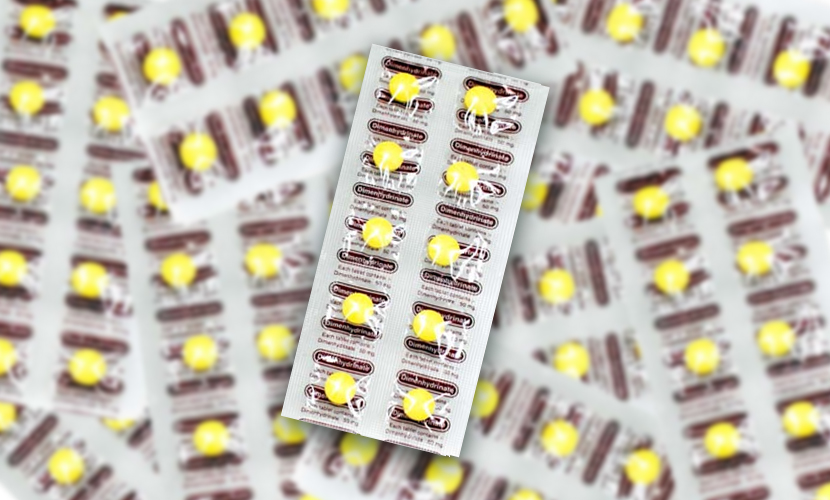
- Motion Sickness Pills: We’ve tried Gravol and a few other over-the-counter options in the past, but honestly, they never worked that well for us. The Thai Dimenhydrinate tablets, on the other hand, are magic. They pretty much knock you out during the trip, so you don’t even feel the motion sickness, but the best part is you wake up feeling completely fine and ready to go once you arrive. We stock up every time we visit Thailand, and if you want to try them yourself, just show this image to any local pharmacist in Thailand and they’ll know exactly which ones you’re talking about.
We also learned the hard way how easy it is to get dehydrated in tropical weather. During our first trip, I ended up in the hospital with heat exhaustion. Now, we always carry electrolyte packs and drink sports drinks on long filming days. It’s something you don’t think about until it happens, but staying hydrated can save your trip and your wallet.
If you’re traveling for months, it’s worth getting travel insurance that covers hospital visits and evacuation. It’s one of those things you hope you never need, but you’ll be thankful for if you do.
Staying Connected Abroad (SIMs, eSIMs & VPNs) 📶
Staying connected while traveling is essential, especially if you work remotely or post content on the go. We usually have one eSIM and one local SIM.
The eSIM (from Airalo or Klook) lets us connect the second we land, while the local SIM is usually cheaper for longer stays. But if you’re bouncing between countries, an eSIM saves so much time and stress.
eSIM vs Local SIM
Why choose an eSIM for Asia travel:
- Instant connectivity: Get online immediately after landing without hunting for SIM booths.
- Multi-country plans: Some eSIMs, like Holafly, Nomad, and Yesim, offer regional plans that work across multiple Asian countries.
- Convenience: No swapping SIM cards or worrying about losing them mid-trip.
- Flexibility: Buy and activate an eSIM before your flight, so you’re online the moment you arrive.
Why choose a local SIM:
- Cheaper for long stays: If you’re staying in one country for a while, local SIMs are usually more affordable.
- Local number included: Great for booking hotels, deliveries, or verifying apps that need SMS.
- Better for older phones: If your phone doesn’t support eSIMs, a physical SIM is still your best option.
How we do it:
We usually get one eSIM before landing for instant data and buy one local SIM once we settle in. This combo gives us both coverage and flexibility.
If you’re heading to China, remember that many Western apps like Google, YouTube, Instagram, and WhatsApp are blocked. You’ll need a VPN to access them. Popular ones like NordVPN or ExpressVPN often don’t work there, so we’re testing LetsVPN this time since it’s known to perform better under China’s network restrictions.
Having a local Chinese phone number also makes life easier. Many apps require one for verification or bookings, so we plan to keep one active throughout our stay.
Packing Smart for Long-Term Travel 🎒
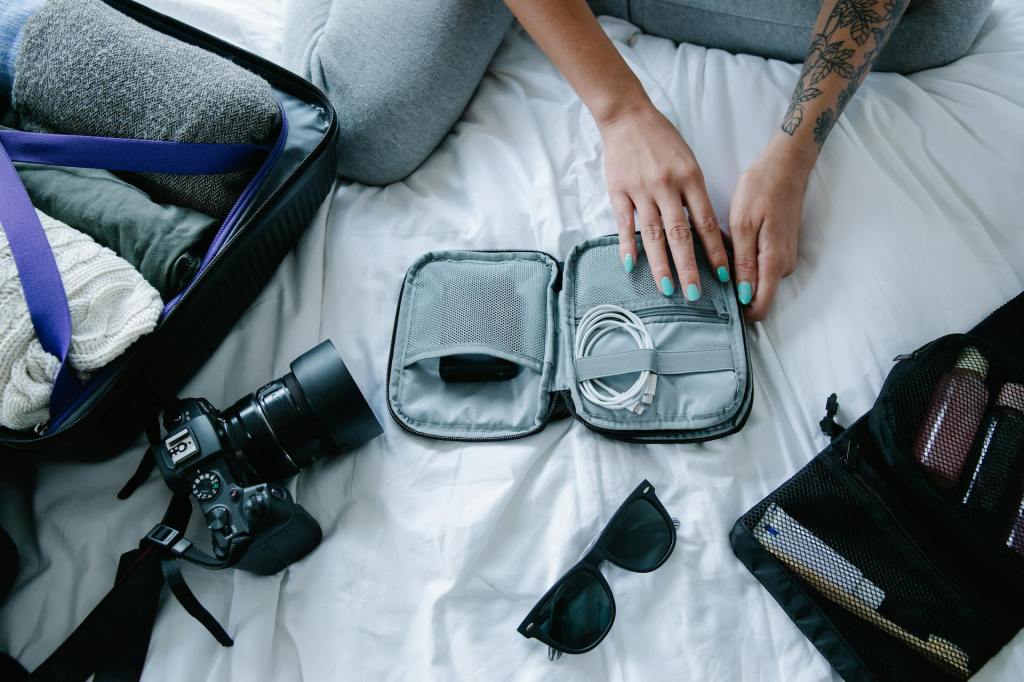
On our first long-term trip, we each brought one large suitcase and one backpack and spent thousands of dollars on baggage overage fees. Lesson learned. This time, we’re doing everything with one carry-on and one backpack each.
Traveling light makes life easier when you’re moving often or flying budget airlines like AirAsia where every kilo counts.
Essentials We Always Pack:
- Noise-Cancelling Headphones or Earphones: Whether it’s screaming babies or loud hotel air conditioners, silence is luxury when you’re on the road.
- Universal Adapter: We recently upgraded to a new Anker model. We’ve always trusted their quality and this one’s half the size of the old version.
- Power Bank: Airlines have strict rules. Power banks must have CCC certification (China Compulsory Certificate) and be under 100Wh. You can’t check them in, so keep them in your carry-on.
- Compression Packing Cubes: Game changers for saving space, but don’t overpack. It’s easy to fill them too tightly and end up with an overweight bag.
- Inflight Foot Hammock: This is a total game changer for flying economy. Get one with a flat support base so your feet don’t get smashed together.
- Neck Pillow: We use the first-gen Trtl neck pillow. It’s not perfect, but it keeps our necks warm and doesn’t take up much space. Still hunting for the ultimate pillow.
- Blackout Eye Mask: Great for flights and bright hotel rooms when you need rest during the day.
Money & Travel Cards (Wise, Amex & Currency Tips) 💳
We use a mix of Wise and American Express depending on the country.
Wise is hands down one of the most convenient travel cards we’ve used. It’s a prepaid Visa that lets you hold and exchange multiple currencies online. The best part is no foreign exchange fees. If I know I’ll be in Japan tomorrow, I can exchange CAD to Yen in the app and use my Wise card like a local. It’s all linked directly to our bank account, and the process is seamless.
American Express: This trip, we’re testing Amex for the first time to see if it’s worth it. After months of research, it seemed like the best balance between rewards and perks. We’re curious to see how many points we can rack up by the end of our second adventure and if it’ll cover a free hotel stay or flight.
We’ll share our results at the end of our trip.

Getting Around Asia (Flights, Trains & Transfers) 🚆✈️
Getting around Asia is a mix of chaos and convenience. Some cities have efficient metro systems while others rely on tuk-tuks, buses, or ferries.
Here’s what’s worked for us so far:
- Klook: We use it often for airport transfers and attraction passes. It’s usually cheaper than taxis and saves you from miscommunication.
- Grab: Asia’s version of Uber. It’s safe, affordable, and available in most major cities.
- Budget Airlines: AirAsia, Scoot, and VietJet are great for short hops but strict on baggage. Always pre-book checked luggage online.
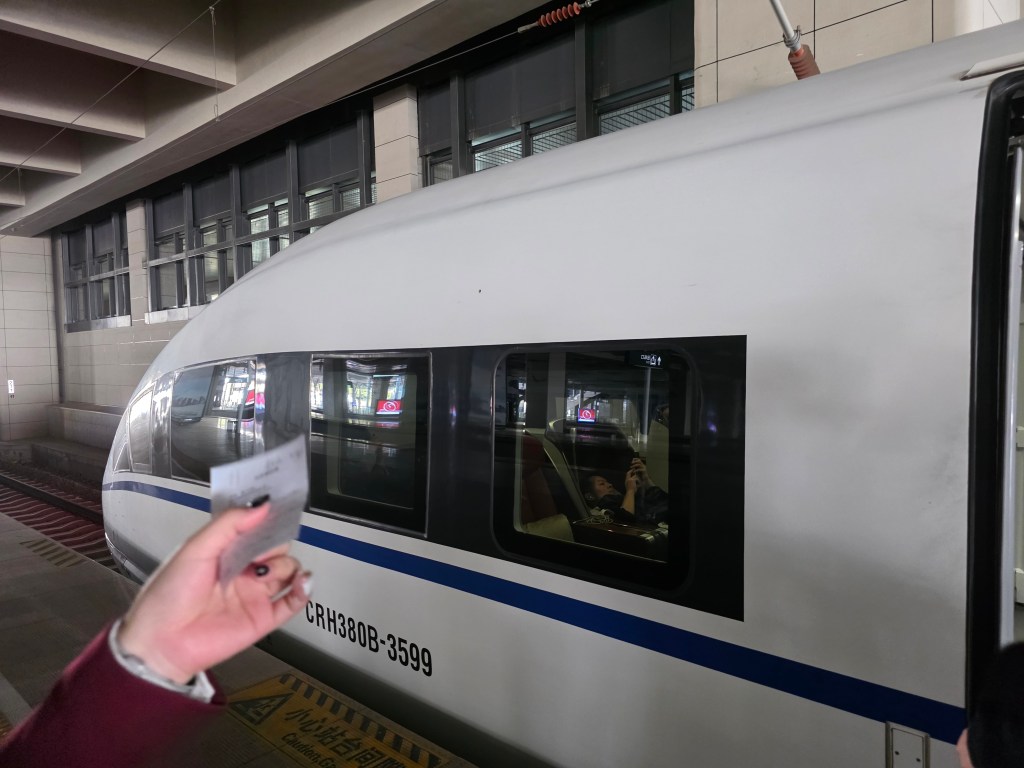
- Trains and Buses: In China and Vietnam, trains are often faster than flying. In Thailand and Malaysia, sleeper buses are popular for saving a night’s stay.


 chasingthechungs.com