Vietnam Typhoon Season 2026: An Honest Survival Guide
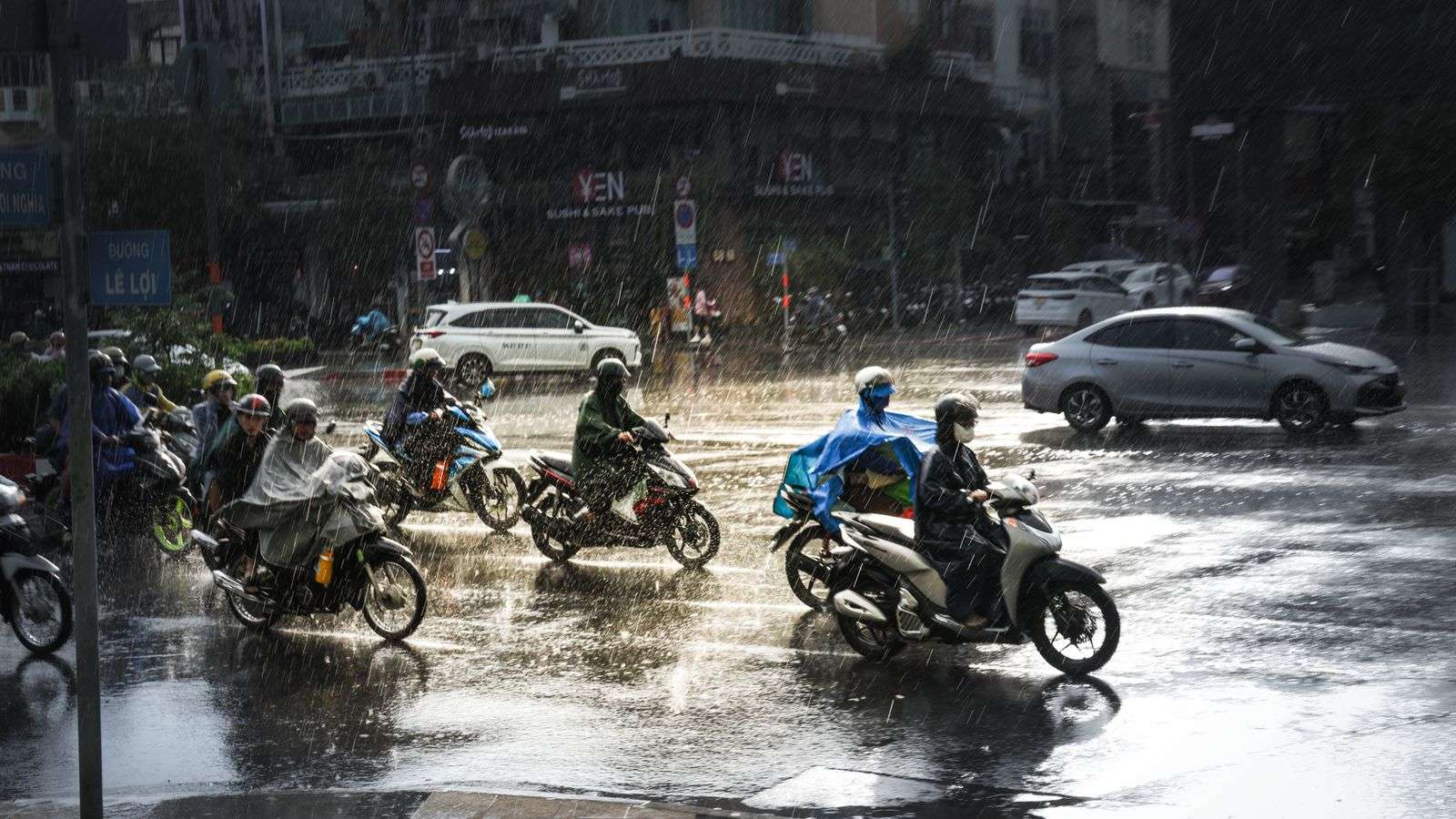
Vietnam typhoon season runs from June to November, and it decides whether your trip is a dream or three days stuck watching rain from a hotel window. Here is the good news: the storms only hit one part of the country at a time. While Hoi An floods in October, Sapa sits under clear skies a few hundred kilometres north.
One quick note on words: in Vietnam you will hear typhoon, tropical storm and hurricane used for the same thing. A typhoon is what a hurricane is called in this part of the Pacific, so if you are searching “Vietnam hurricane season” you are in the right place.
We spent a month crossing Vietnam from Hanoi down to Phu Quoc. We travelled in December, near the tail of the central-coast rains, and even then the heavy showers blew through in about twenty minutes. Like a lot of travellers, we will happily take low-season crowds and prices over a guarantee of sunshine. This guide is the plan we wish we had before we booked: when the storms come, where they land, and what to do if one lands on your trip.
The central coast (Da Nang, Hoi An, Hue) takes the hardest hit from September to November. The north gets storms earlier, July to September. The south stays drier through the worst of it. There is always a dry region, so plan the route instead of cancelling the trip.
Match your dates in our best time to visit Vietnam guide, plan the coast with our Da Nang travel guide, and read the Lan Ha Bay cruise review before you book a boat.
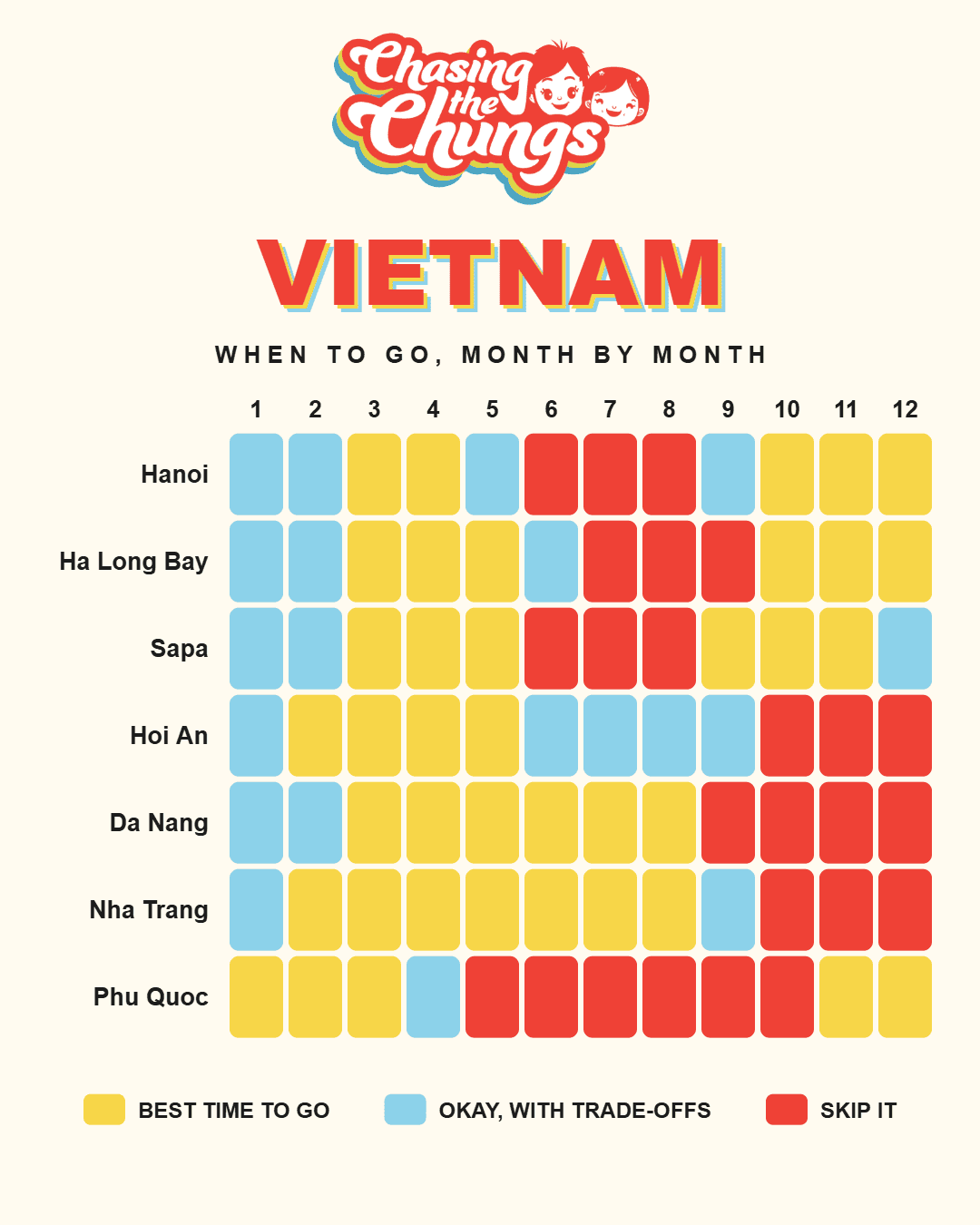
Vietnam Typhoon Calendar, Month by Month
Save this and match your dates to a green row. It is the same at-a-glance calendar from our best time to visit Vietnam guide, read here for storm risk.
What’s in this guide
- When is Vietnam typhoon season
- Where the storms hit, region by region
- Ha Long Bay and your cruise
- Is it worth going in typhoon season?
- What to do if a storm cancels your trip
- What to pack
- Travel insurance that covers storms
- How to track a typhoon
- FAQ
When Is Vietnam Typhoon Season?
The Vietnam typhoon season officially runs June through November. Central Vietnam averages 4 to 6 tropical storms a season, and each one brings 2 to 4 days of heavy weather plus a day or two of leftover rain. The risk is not spread evenly, so here is how it builds and fades.
- June to July: Season opens. The north and its coast feel it first, with heavier rain around Hanoi and Ha Long.
- August to October: The peak. Storms shift to the central coast and hit hardest. October is the single wettest month in Da Nang and Hoi An.
- November: Risk eases nationwide, but the central coast can still catch late storms and flooding.
October reads like a cheap shoulder month online, and it is the exact month the central coast floods. If your heart is set on Hoi An or Da Nang, October is the one month to move.
Where the Storms Hit During Vietnam Typhoon Season
Vietnam stretches more than 1,600 km across three climate zones, which is why the Vietnam typhoon season never shuts the whole country down. Match your region to the calendar and you can travel right through it.
North: Hanoi, Ha Long, Sapa
✅ Go: October to December, or March to May
❌ Storm risk: July to September
The north is the escape hatch in autumn. When the central coast floods, Hanoi, Sapa and Ninh Binh are usually dry and at their best. In summer it flips: heavy rain around Hanoi and rough seas in Ha Long. In the mountains, days of rain can trigger landslides, so watch the forecast before any Sapa trek. We planned Sapa and skipped it when the forecast turned, and it was the right call.

Central: Da Nang, Hoi An, Hue
✅ Go: February to August
❌ Storm risk: September to November (October worst)
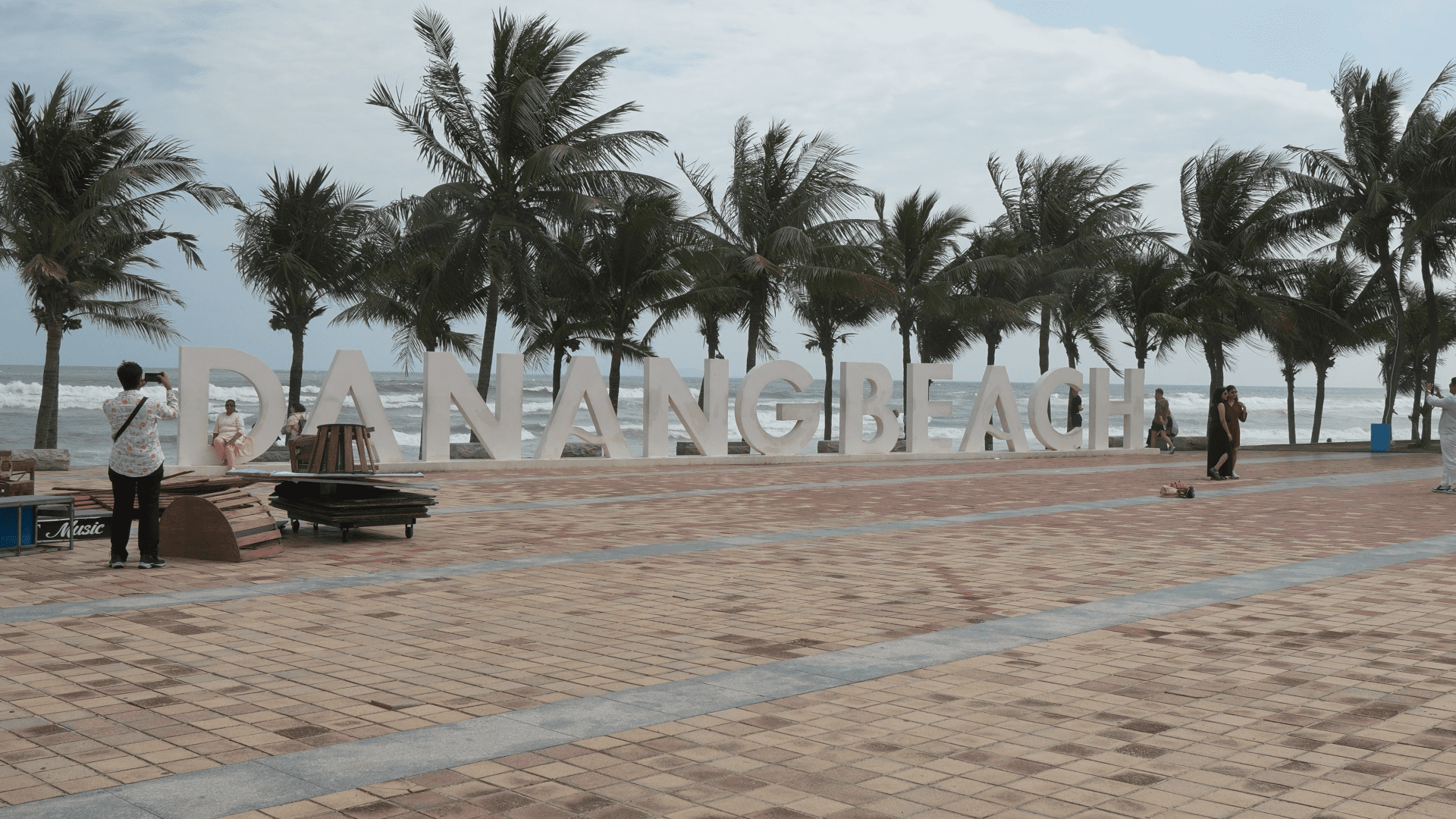
The central coast takes the worst of the Vietnam typhoon season. Most storms that reach Vietnam make landfall here, dropping 200 to 400 mm of rain a day, pushing winds past 100 km/h, flooding low-lying Hoi An and closing roads and the airport for a day or two. We were in Hoi An in December when the Old Town streets flooded at dinner. Locals did not blink, and the water was gone by the time we finished eating. The full breakdown is in our Da Nang travel guide.
South: Phu Quoc, Ho Chi Minh City
✅ Go: November to March
❌ Storm risk: May to October (worst in September)
The south rarely takes a direct typhoon, but it has its own wet season from May to October. Ho Chi Minh City handles it well, since the fun is food, cafes and museums between showers. Phu Quoc is trickier: the beaches and boat trips depend on calm seas, so treat it as a winter pick.
Vietnam Typhoon Season by City
The Vietnam typhoon season hits each city on its own schedule. Here is the quick read for the places travellers ask about most, so you can slot the risky spots into the safe months.
- Hoi An typhoon season: worst September to November, and October floods the Old Town. Go February to August.
- Da Nang typhoon season: same central-coast pattern, storm risk September to November. Beaches are best April to August.
- Hue: often the wettest of the three, peaking in October and November. Pair it with the coast in spring or summer.
- Hanoi typhoon season: storms and heavy rain July to September. Autumn, October to December, is the city at its best.
- Ha Long Bay: cruise cancellations peak July to September. Aim for October to April for calm sailing.
- Sapa: heavy summer rain July to September can trigger landslides. Trek in spring or autumn.
- Nha Trang: wettest October to December, dry and sunny January to August.
- Phu Quoc: wet season May to October with rough seas. Treat it as a November to March beach pick.
- Ho Chi Minh City: rarely takes a direct storm. The May to October wet season brings short afternoon downpours, not shutdowns.
Ha Long Bay: the Storm Cancels Your Cruise, Not Your Trip
Ha Long and Lan Ha Bay storm risk peaks earlier, July to September. Operators cancel sailings when a storm is forecast, because sleeping on a boat in rough water is neither safe nor fun. Roughly 8 to 12 percent of cruises in the June to September window get cancelled for weather. If you only have two days in the north, one scrubbed cruise wrecks the plan.
We sailed the quieter Lan Ha Bay and got a grey, drizzly start that cleared into a beautiful afternoon. Before you book, read our honest Lan Ha Bay cruise review, and pick an operator with a clear weather policy.

Is Vietnam Worth Visiting in Typhoon Season?
Yes, for the right traveller. The rain usually rolls through in short bursts, not all day, and the payoff is low-season prices and space to breathe at the big sights. But it is a real trade, so go in with open eyes.
Go for it if you keep a flexible route, love food and cities, and can shrug off a wet afternoon. Rethink it if you have tight flight connections, a fixed beach or island plan, or only a few days built around one cruise.
What to Do If a Storm Cancels Your Trip
A storm in the Vietnam typhoon season is coming and your cruise or flight is on the line. Here is the order we would work through it.
- Get the cancellation in writing. Ask your operator or airline for a formal notice by email. Almost every insurer needs that document, and a weather-app screenshot will not cut it.
- Take the refund or voucher on purpose. Most reputable Ha Long operators offer a full refund, or a credit voucher worth 110 to 120 percent of what you paid. Refunds take 5 to 14 business days. Only take the voucher if you know you are coming back.
- Rebook for a clear day. Storms pass in 2 to 4 days. With a buffer day, you can just push the cruise or flight back instead of scrapping it.
- Reroute, do not cancel. This is the whole trick. If the central coast is closed, head north to Hanoi, Sapa and Ninh Binh, which are usually dry when the centre floods.
Do not book back-to-back connections across coastal cities in storm season. One buffer day between legs turns a cancelled cruise from a disaster into a minor reshuffle.
How to Book So a Storm Can’t Wreck Your Trip
The real fix for the Vietnam typhoon season is not luck, it is how you book. We learned this the hard way, so we now build every wet-season trip the same way.
- Book refundable, top to bottom. Flights with free 24-hour changes, hotels with free cancellation, day tours that refund on bad weather. Pay a few dollars more for the flexible rate.
- Book the cruise with a real weather policy. We booked our Lan Ha cruise through an agency with a clear refund-or-reschedule rule rather than the cheapest no-refund deal. See who we used in our Lan Ha Bay cruise review.
- Put weather-sensitive plans in the middle. Cruises, islands and Ba Na Hills go mid-trip, never the last day, so you have room to reshuffle.
- Screenshot every cancellation policy the moment you pay.
Nothing weather-dependent in the final 48 hours before an international flight. A cancelled cruise you can rebook. A missed flight home you cannot.
What to Pack for Vietnam Typhoon Season
You are not packing for a disaster, just to stay dry and mobile when a shower rolls through.
- Lightweight rain jacket or a cheap local poncho
- Small travel umbrella
- Quick-dry clothing and sandals that handle puddles
- A dry bag or zip pouch for your phone, camera and passport
- Portable charger, since outages happen in big storms
- Waterproof phone case for the boat and the beach
Travel Insurance That Covers Storms
Insure the big-ticket bookings with a named-storm policy, and keep your phone online to track the weather. Here is the data setup we used the whole trip: our Asia eSIM review.
Insurance is the part of Vietnam typhoon season planning that people skip and regret. Plenty of standard policies exclude weather, or only pay when a storm is officially named and your carrier formally cancels. Read the fine print before you buy, not after your cruise is scrubbed.
- Check for named-storm cover. You want trip cancellation and delay that explicitly includes tropical storms and typhoons.
- Consider Cancel For Any Reason (CFAR). It runs about 40 to 50 percent more, but lets you bail without proving why. Storm-inclusive add-ons run roughly $17 to $25 CAD (~$12 to $18 USD) per day.
- Keep every receipt. The cancellation letter, rebooked flights, extra hotel nights. No paperwork, no payout.
If you are travelling the central coast during the Vietnam typhoon season, weather-inclusive insurance is the cheapest peace of mind you will buy all trip.
Vietnam Typhoon Season 2026: The Storms So Far
Here is a running log of the named storms this year, so you can see how the 2026 Vietnam typhoon season is actually playing out. We update it as new systems form.
- Storm No. 1 (Maysak), early July: hit the northeast around Quang Ninh and Hai Phong with winds to level 11 and rain up to 500 mm, then weakened over southern China.
- Storm No. 2 (Noul), late July: entered the East Sea on July 24 and strengthened fast, but tracked toward Guangdong in China and spared the Vietnamese mainland.
Both early storms aimed at the far north and China, not central Vietnam. That fits the pattern: the north takes the July to September hits, and the central-coast peak is still ahead in September to November.
How to Track a Typhoon Before You Travel
Typhoons in the Vietnam typhoon season are not a surprise. They build for days over the Pacific, so you usually get a 3 to 5 day heads-up. Watch the forecast the week before you fly, and again the night before each coastal leg.
- The Japan Meteorological Agency typhoon tracker is the gold standard for the Western Pacific and shows every active system days ahead.
- Vietnam’s own forecasts via the national tourism weather page for on-the-ground conditions.
- A simple weather app for your exact cities. A multi-day block of heavy rain on the central coast is your cue to reroute north.
Sort your phone before you land so you can actually check all this. Our Asia eSIM review covers the data setup we used across the whole trip.
So Should You Still Go During Vietnam Typhoon Season?
Yes, with a smarter route. The Vietnam typhoon season lines up with low season, which means cheaper flights and hotels and far thinner crowds. Follow the dry region, keep buffer days, and you trade a little rain risk for a quieter, cheaper trip.
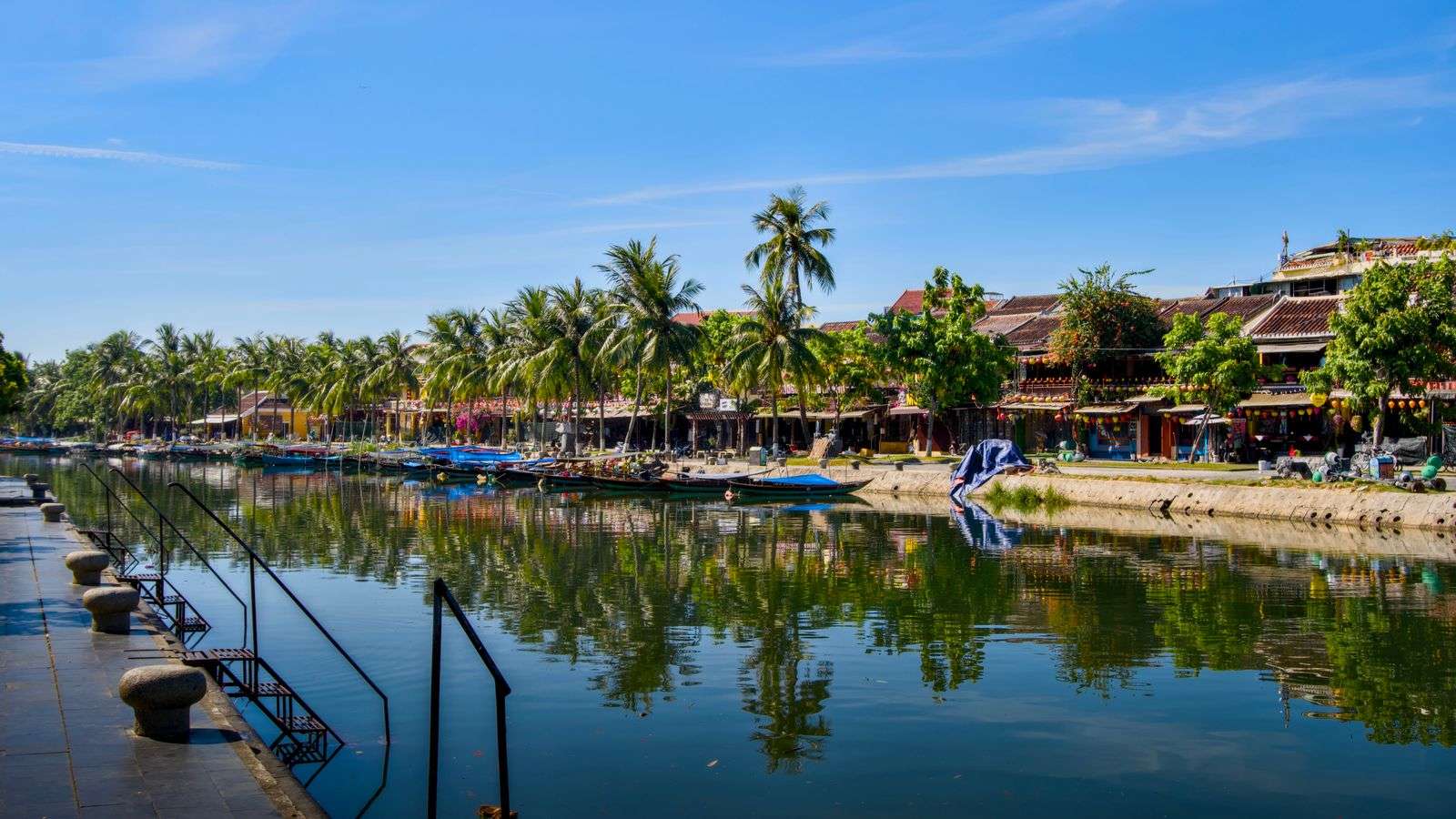
The showers roll through in bursts, not all day. In return you get temples to yourself and hotel rates that would sell out in spring. For us, that trade is worth a wet afternoon.
Travel the Vietnam typhoon season, just build the route around it. Head north in autumn, keep buffer days, insure the big-ticket bookings, and match your dates to a green row on the calendar above.
Trying to pin down the perfect dates? Pair this with our full month-by-month guide to the best time to visit Vietnam, and sort your paperwork with the Vietnam entry requirements guide.
FAQ: Vietnam Typhoon Season
Does Vietnam get hurricanes?
Yes. A hurricane and a typhoon are the same storm with different regional names. In the western Pacific, including Vietnam, they are called typhoons, so “Vietnam hurricane season” means the same June to November window.
When is typhoon season in central Vietnam?
Central Vietnam, including Da Nang, Hoi An and Hue, sees the worst of the typhoon season from September to November, with October the wettest month. Visit the central coast February to August to stay ahead of it.
What months are typhoon season in Vietnam?
The Vietnam typhoon season runs June to November, with the worst on the central coast from September to November. October is the wettest month around Da Nang and Hoi An. Northern waters near Ha Long peak earlier, July to September.
Is it safe to travel to Vietnam during typhoon season?
Yes, if you plan around it. In the Vietnam typhoon season, storms are forecast days ahead and hit one region at a time. Keep buffer days, avoid the central coast in October, and be ready to reroute north. Follow local advice and never take a boat trip against an operator’s weather call.
What happens if a typhoon cancels my Ha Long Bay cruise?
Most reputable operators give a full refund or a credit voucher worth 110 to 120 percent of your booking. Refunds take 5 to 14 business days. Get the cancellation in writing for your insurer, and where you can, rebook for a clear day within your trip.
Where can I go in Vietnam to avoid the typhoons?
Follow the dry zone. During the Vietnam typhoon season, when the central coast storms in autumn, the north (Hanoi, Sapa, Ninh Binh) is at its best. When the north is wet in summer, the central coast is dry. The south and its islands are the winter pick.
Does travel insurance cover typhoons in Vietnam?
Only if the policy says so. Many standard policies exclude weather, or only pay when a named storm forces an official cancellation. Look for trip cancellation and delay cover that names tropical storms, or add Cancel For Any Reason for maximum flexibility.
Planning the Rest of Your Vietnam Trip
Vietnam was one leg of our 202-day run through Asia. Start with the best time to visit Vietnam to lock your dates, then see why Ninh Binh became our favourite scenery of the whole country. Come say hi on Instagram @chasing.jenny and subscribe on YouTube for the video version.