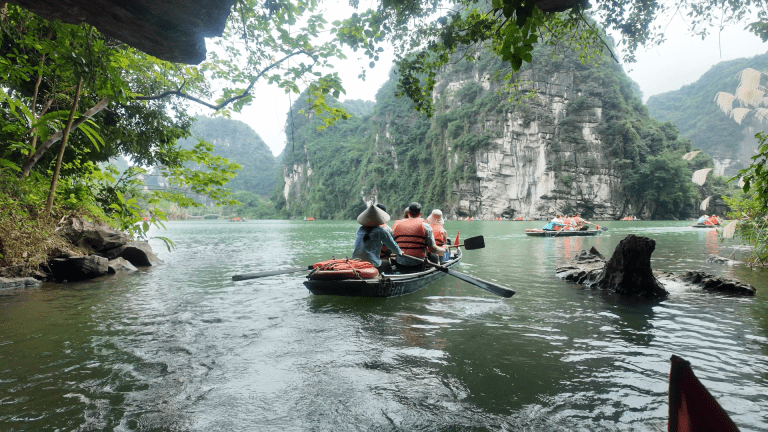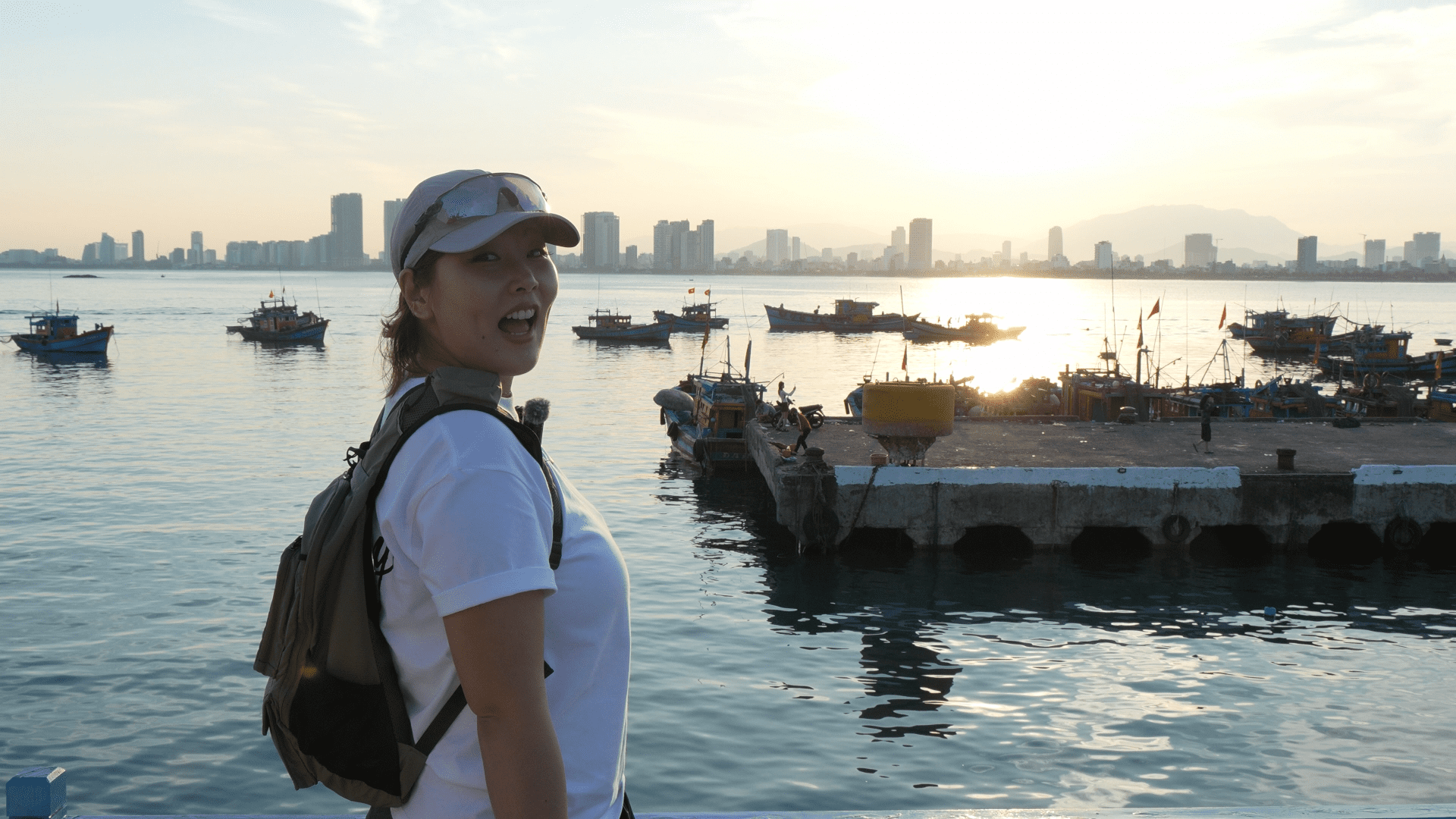
Da Nang travel guide 2026: stone bowl pho, Hell Cave, Lady Buddha, My Khe Beach & the best com tam. Real prices. Honest verdicts.
Da Nang travel guide 2026 — two days exploring what most guides skip: a stone bowl pho that stays boiling all meal, a cave inside Marble Mountains depicting hell, a 67-metre Buddha overlooking the city, and a broken rice spot we returned to twice.
VIETNAM | FOOD & TRAVEL
Most people fly into Da Nang and head straight for the beach. That’s not wrong — My Khe is one of the longest and cleanest beaches in Vietnam. But Da Nang kept surprising us in ways no travel guide prepared us for. A pho served in a superheated stone bowl that stays boiling through the entire meal. A cave inside Marble Mountains that takes you underground into a literal depiction of hell. A 67-metre Buddha statue overlooking the city from a mountain peninsula. Two days in Da Nang gave us all of this, and we still felt like we hadn’t seen everything.
This Da Nang travel guide 2026 covers everything we actually did, paid, and experienced. We are Jenny and Ian. Mid-range couple travel. Not backpackers. Not luxury. Real prices, real crowds, and honest reviews so you know what’s worth your time and money. This is part of our 202 Days in Asia series.
Quick Verdict
| Experience | Rating | Notes |
|---|---|---|
| Stone Bowl Pho — Pho Bat Da | ⭐⭐⭐⭐⭐ | Unique, delicious, slightly pricier than regular pho. Still worth every dong. |
| Marble Mountains (Ngu Hanh Son) | ⭐⭐⭐⭐⭐ | Take the elevator. Hell Cave is unmissable. Get there early. |
| Son Tra Marina | ⭐⭐⭐ | Pretty for Instagram. Too crowded and pricey to enjoy leisurely. |
| Lady Buddha (Son Tra Peninsula) | — | We missed it by minutes. Closes at 5:30pm. Go early. |
| My Khe Beach | ⭐⭐⭐⭐⭐ | 32km of clean white sand. A genuine highlight of the city. |
| Com Tam Op Let 1940 | ⭐⭐⭐⭐⭐ | So good we went back twice. Best broken rice in Da Nang. |
| Overall Da Nang | ⭐⭐⭐⭐⭐ | More than a beach city. Add it to your Vietnam itinerary. |
In This Post
- Where We Stayed in Da Nang
- Stone Bowl Pho — Da Nang’s Most Underrated Bowl
- Marble Mountains — Caves, Temples & the Hell Cave
- Son Tra Marina — Worth It?
- Lady Buddha — Don’t Make Our Mistake
- My Khe Beach — Is It Worth the Hype?
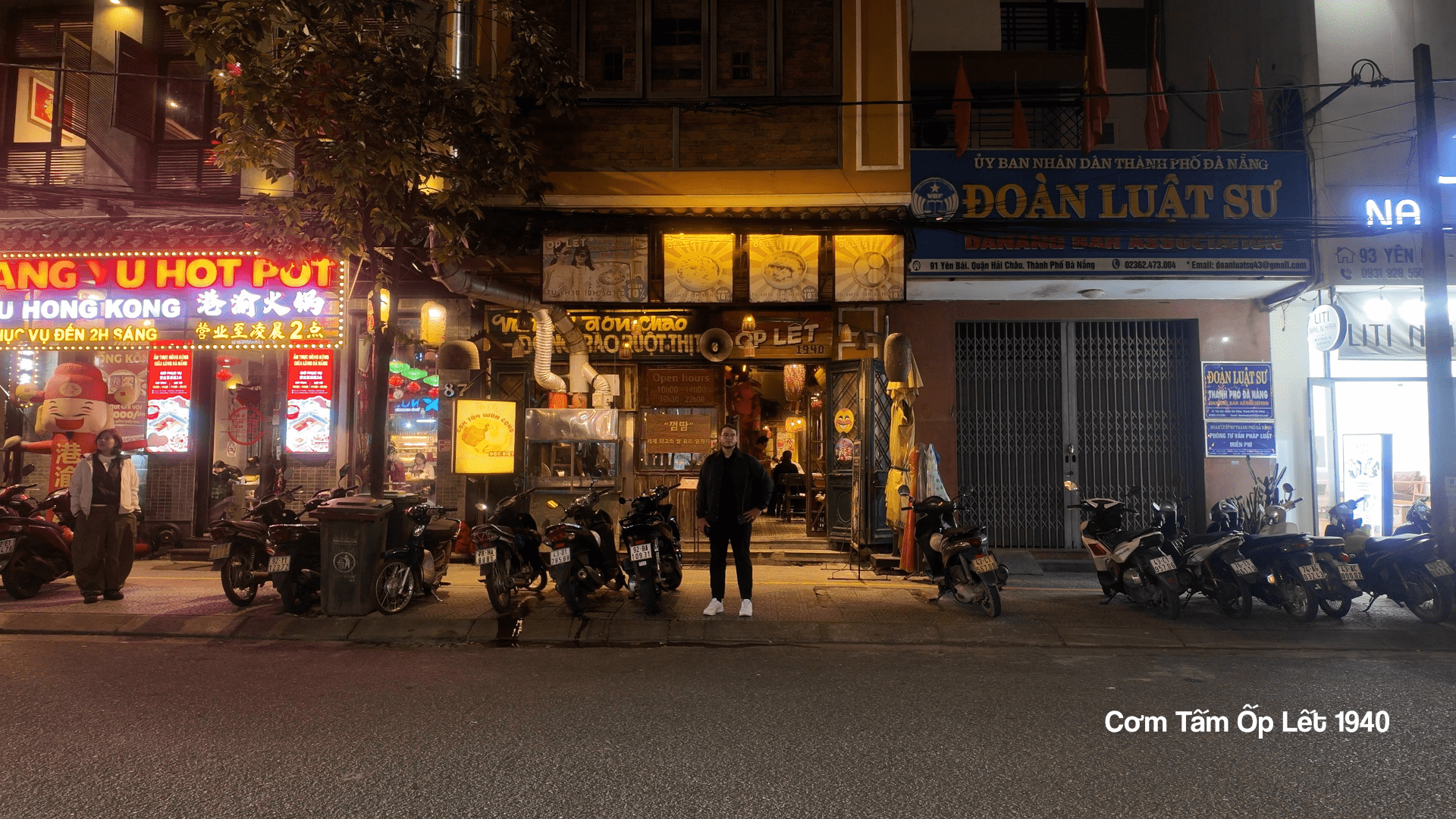
- Com Tam Op Let 1940 — The Best Broken Rice in Da Nang
- Final Verdict: Is Da Nang Worth Visiting in 2026?
- Planning Your Da Nang Trip
Where We Stayed in Da Nang
Dong Duong Hotel & Suites
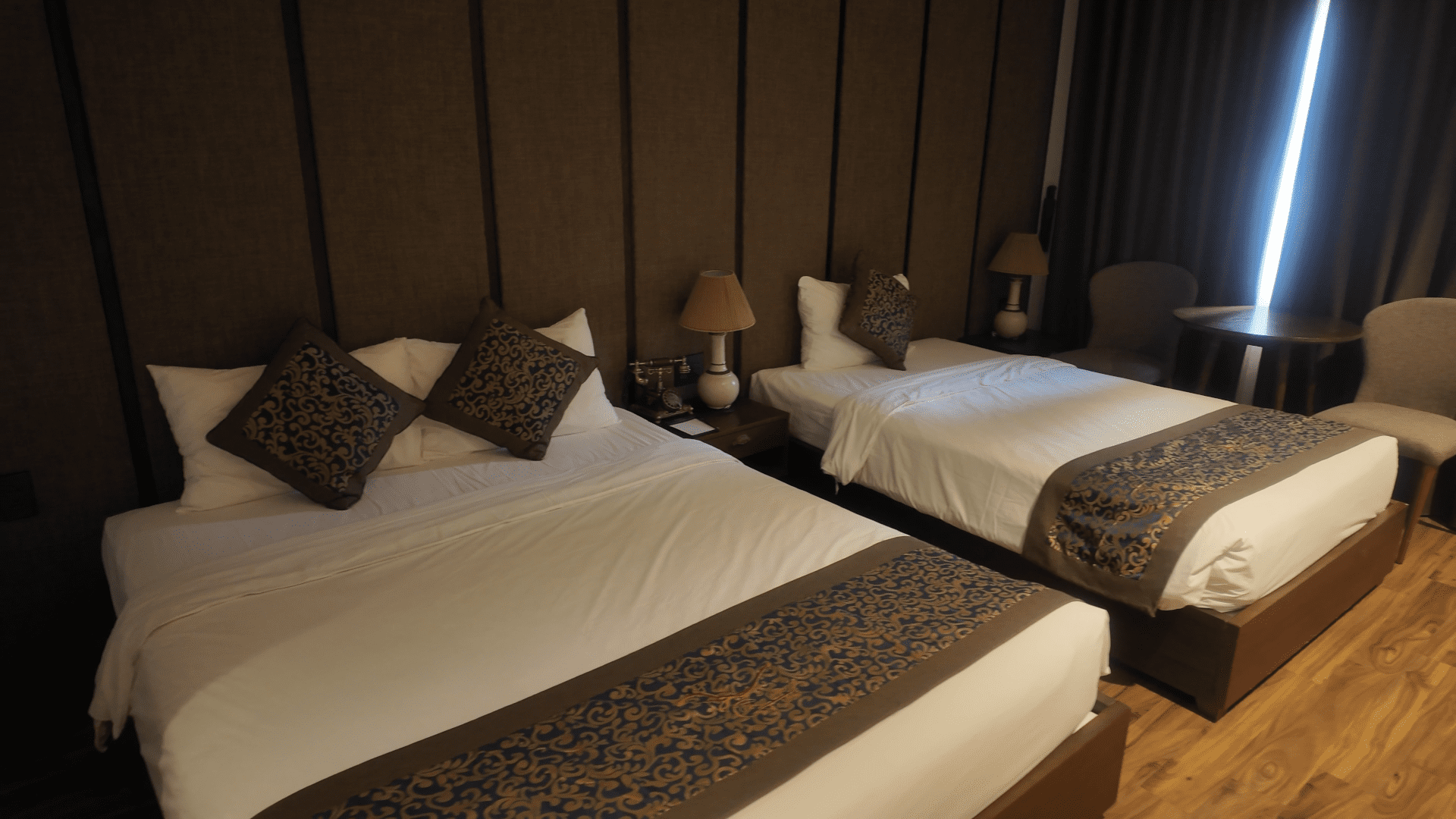
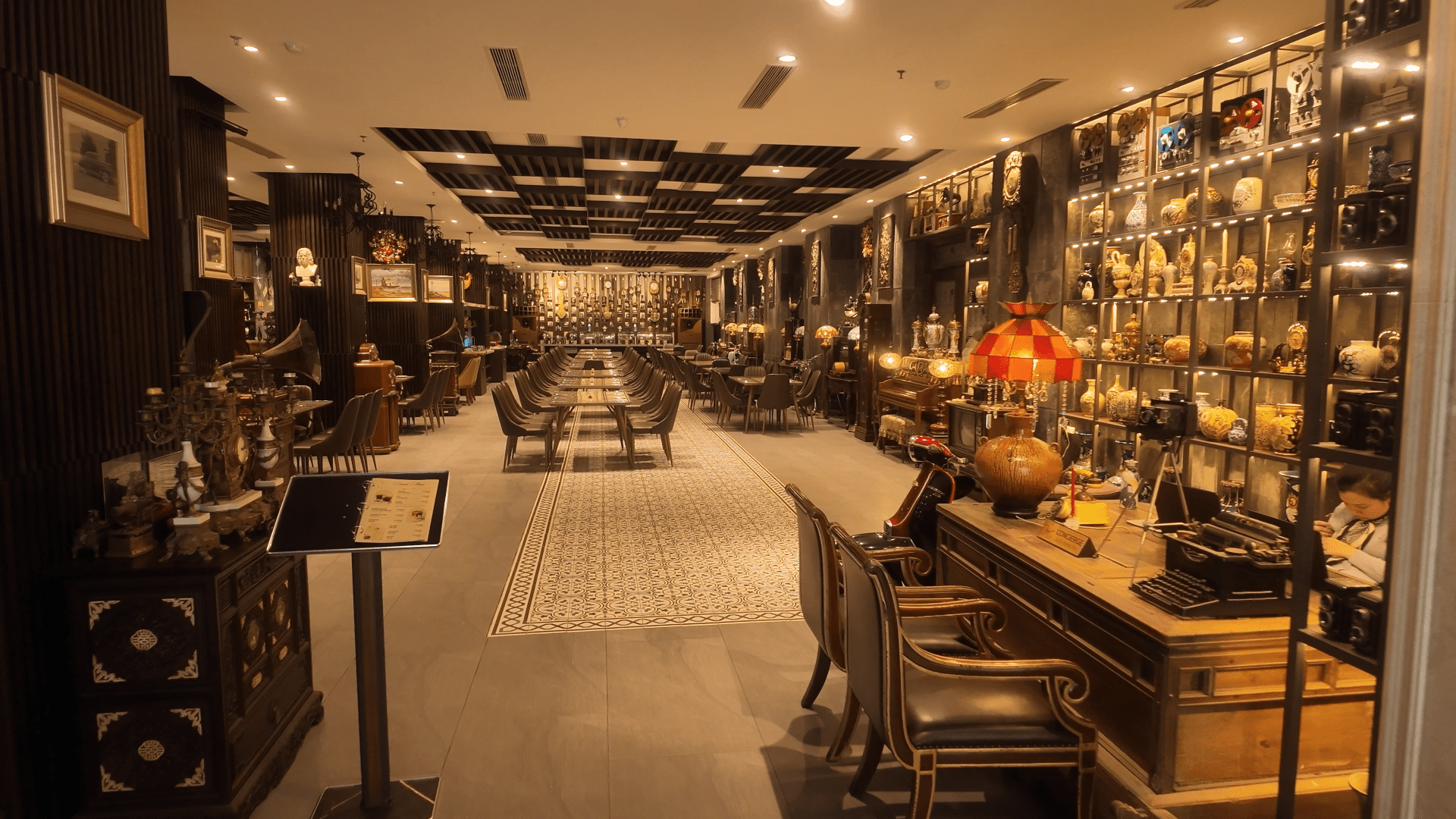
This hotel might have the funkiest interior decor of any hotel we have stayed in across Vietnam. Picture a garage sale hosted by an eclectic hermit. Old cars, motorbikes, clocks, and strange paraphernalia line every wall and corridor. Walking through the lobby is genuinely fun, and it gave us plenty of conversation starters.
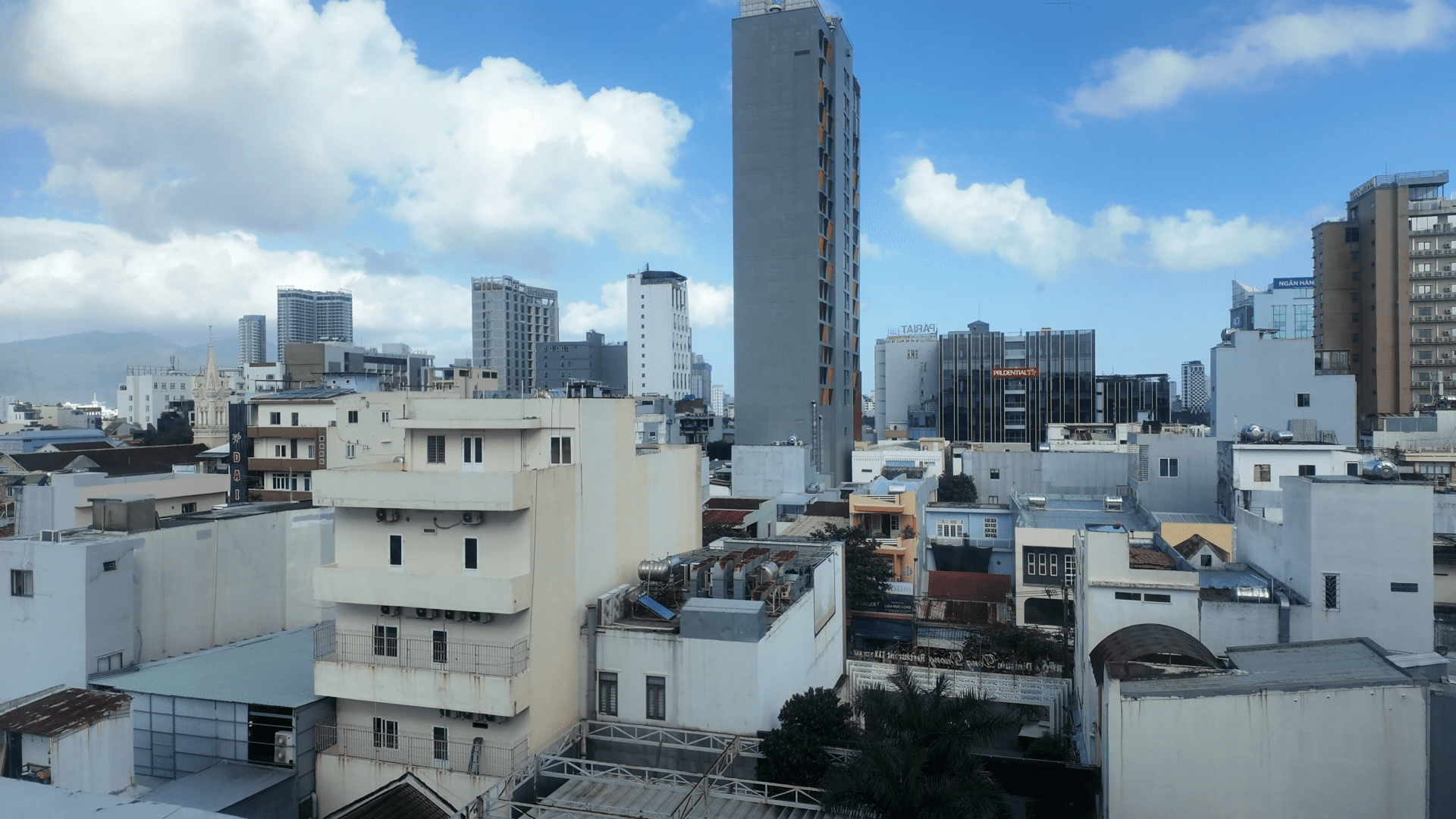
The location is excellent. Central Da Nang, close to the Han River, easy access to everything you want to do.
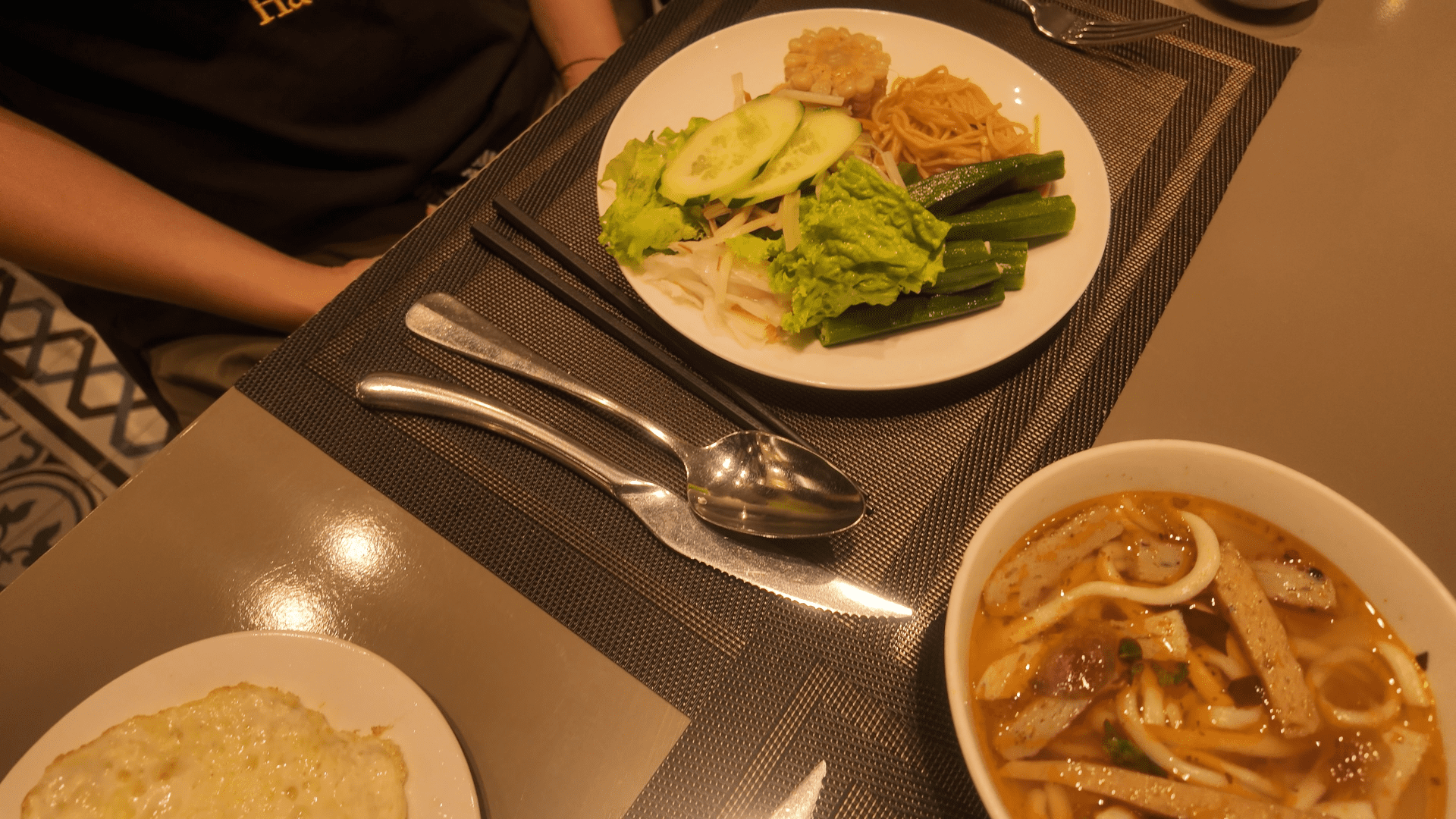
The nightly rate includes a full buffet breakfast with a dedicated noodle chef. Those bowls fuelled us every morning before tackling the day. You also get one complimentary afternoon tea per stay: a pot of tea with desserts and fruit. Nothing fancy, but it is a nice touch and we enjoyed it.
We paid $34 USD ($48 CAD) per night. For central location, daily breakfast, afternoon tea, and a hotel with real personality, that is excellent value.
Book Dong Duong Hotel & Suites on Trip.com

Day 1 in Da Nang: Pho, Caves, and Chasing Buddha
Stone Bowl Pho — Da Nang’s Most Underrated Breakfast
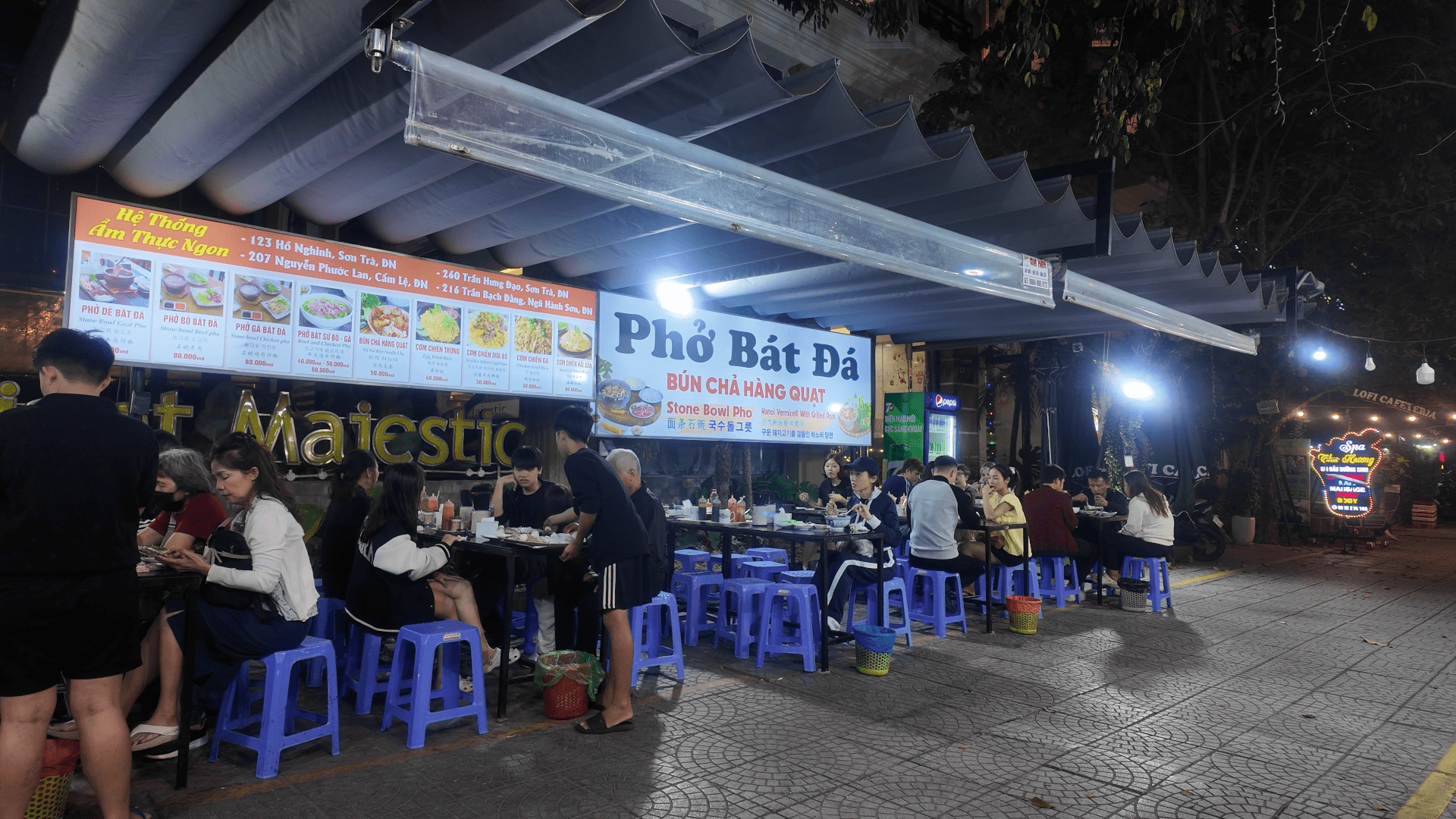
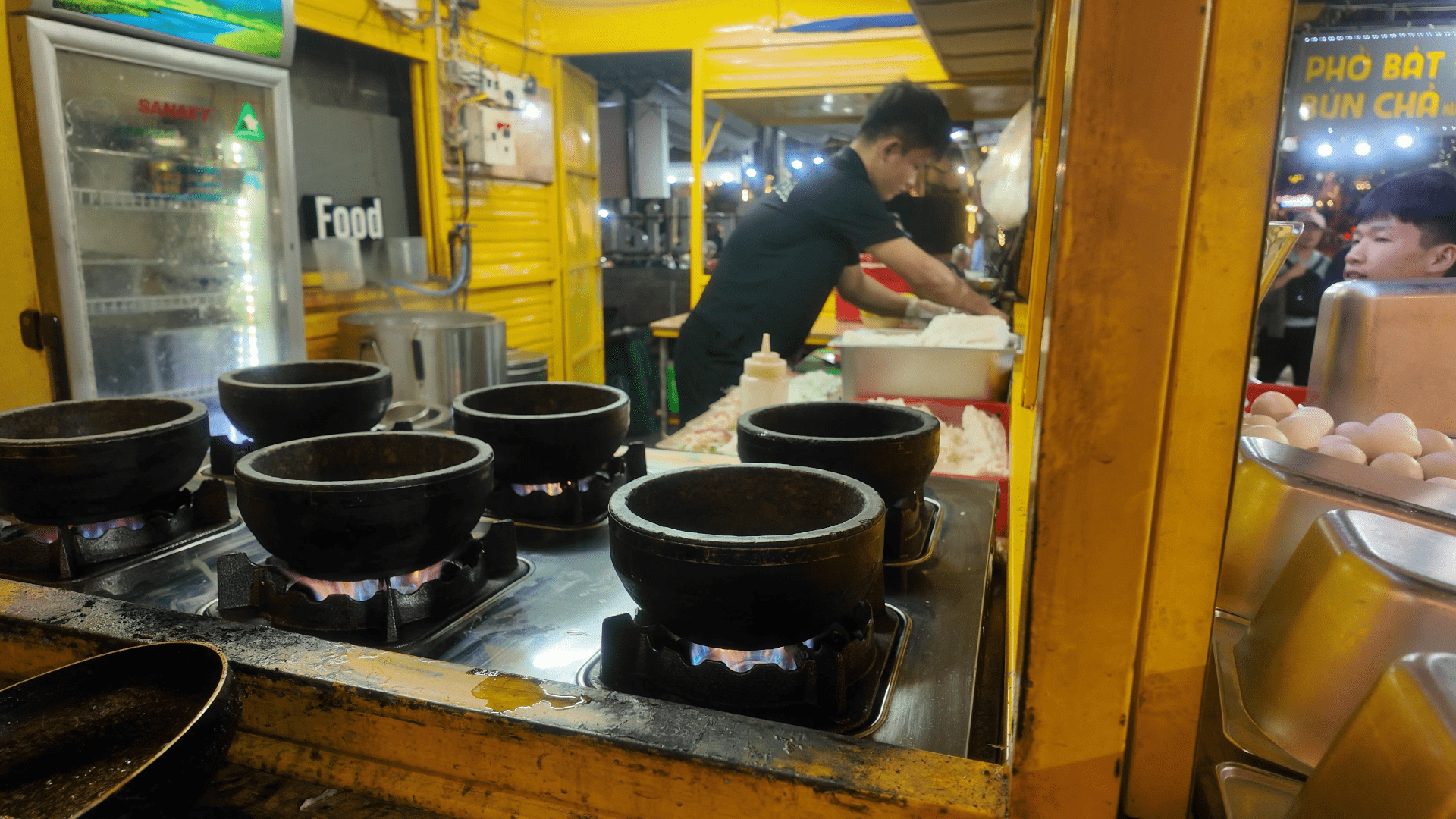
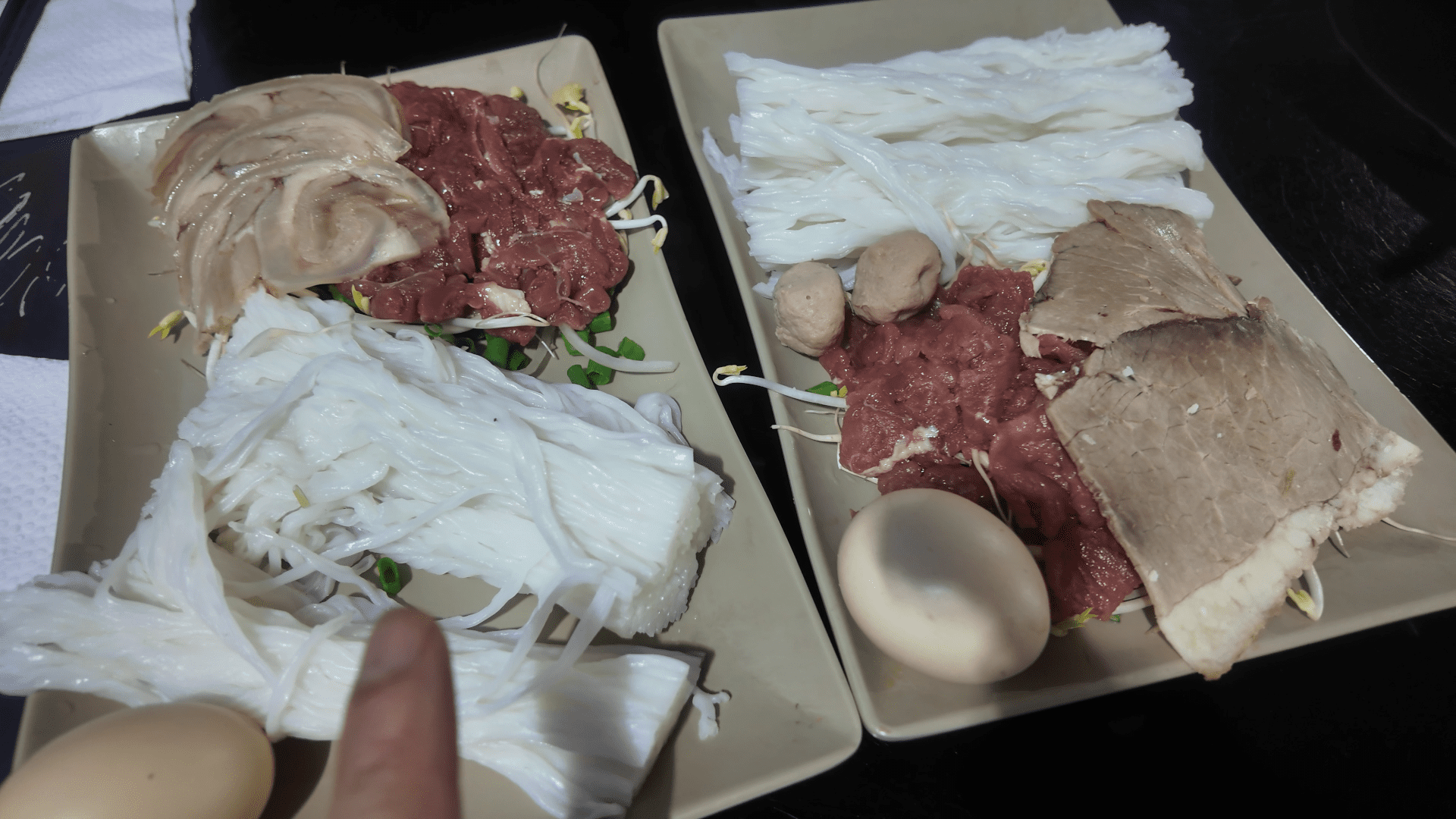
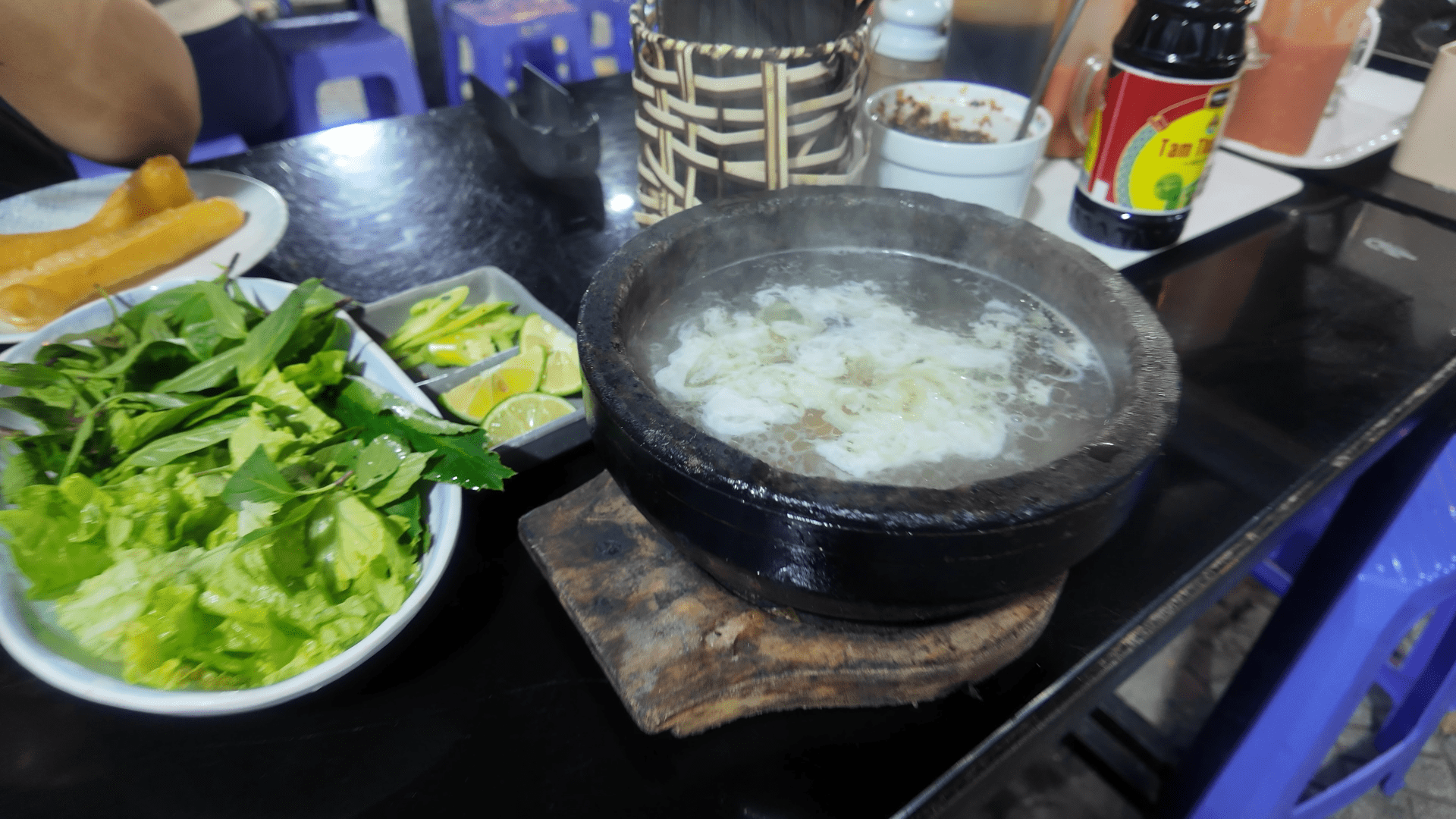
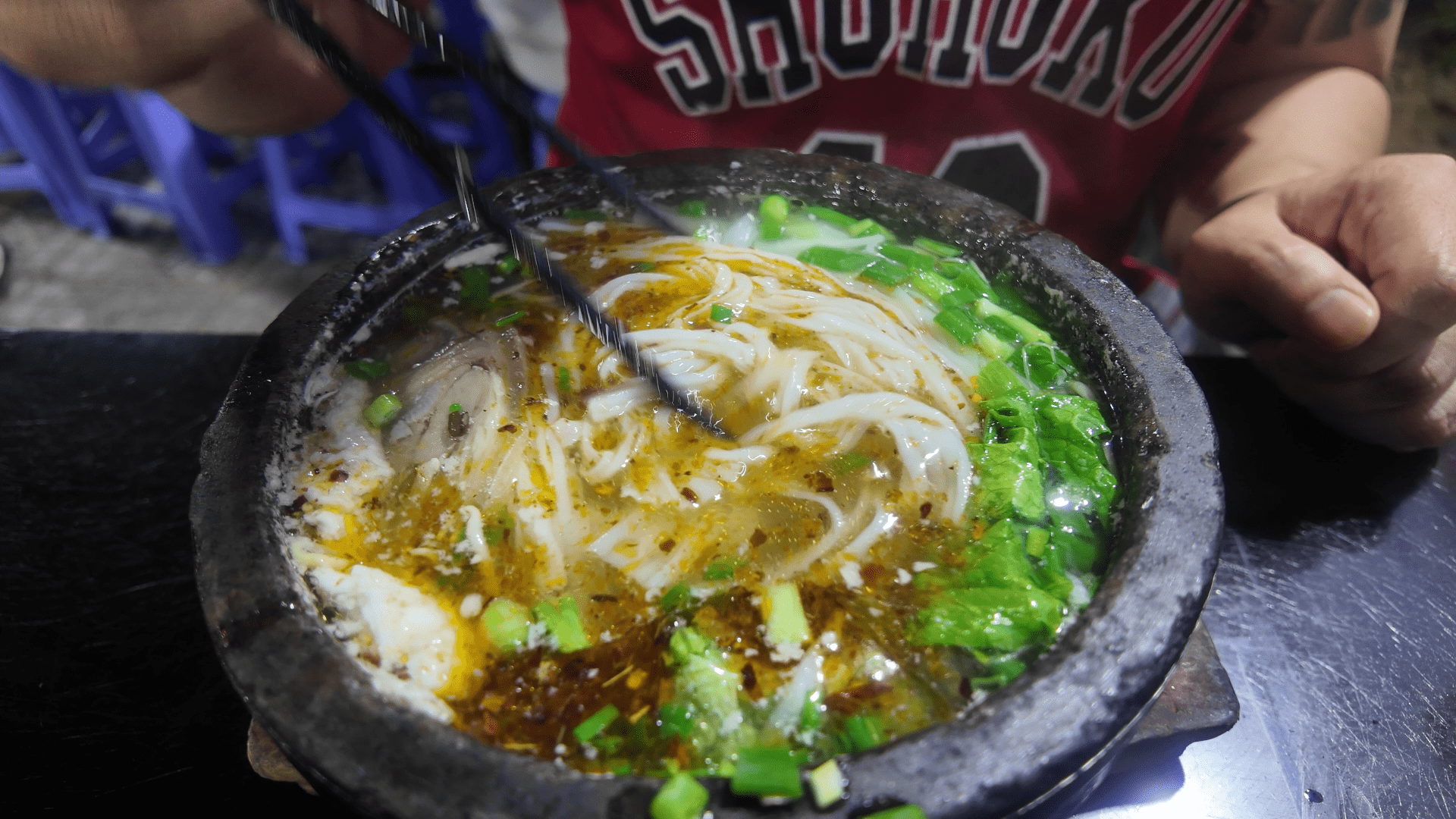
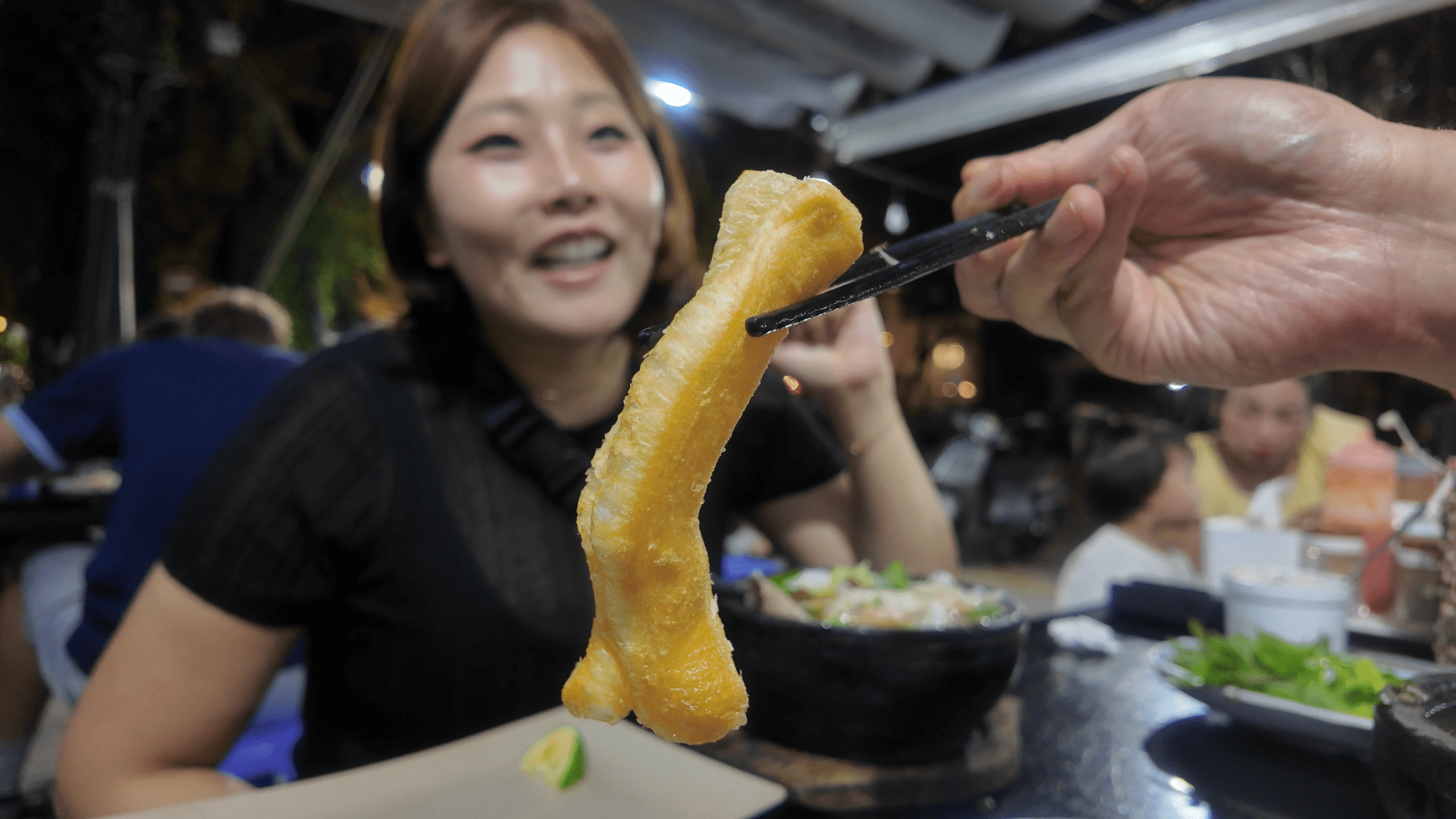
Before we did anything else, we tracked down Pho Bat Da — stone bowl pho. You won’t find this anywhere else in Vietnam, and Da Nang is where it lives.
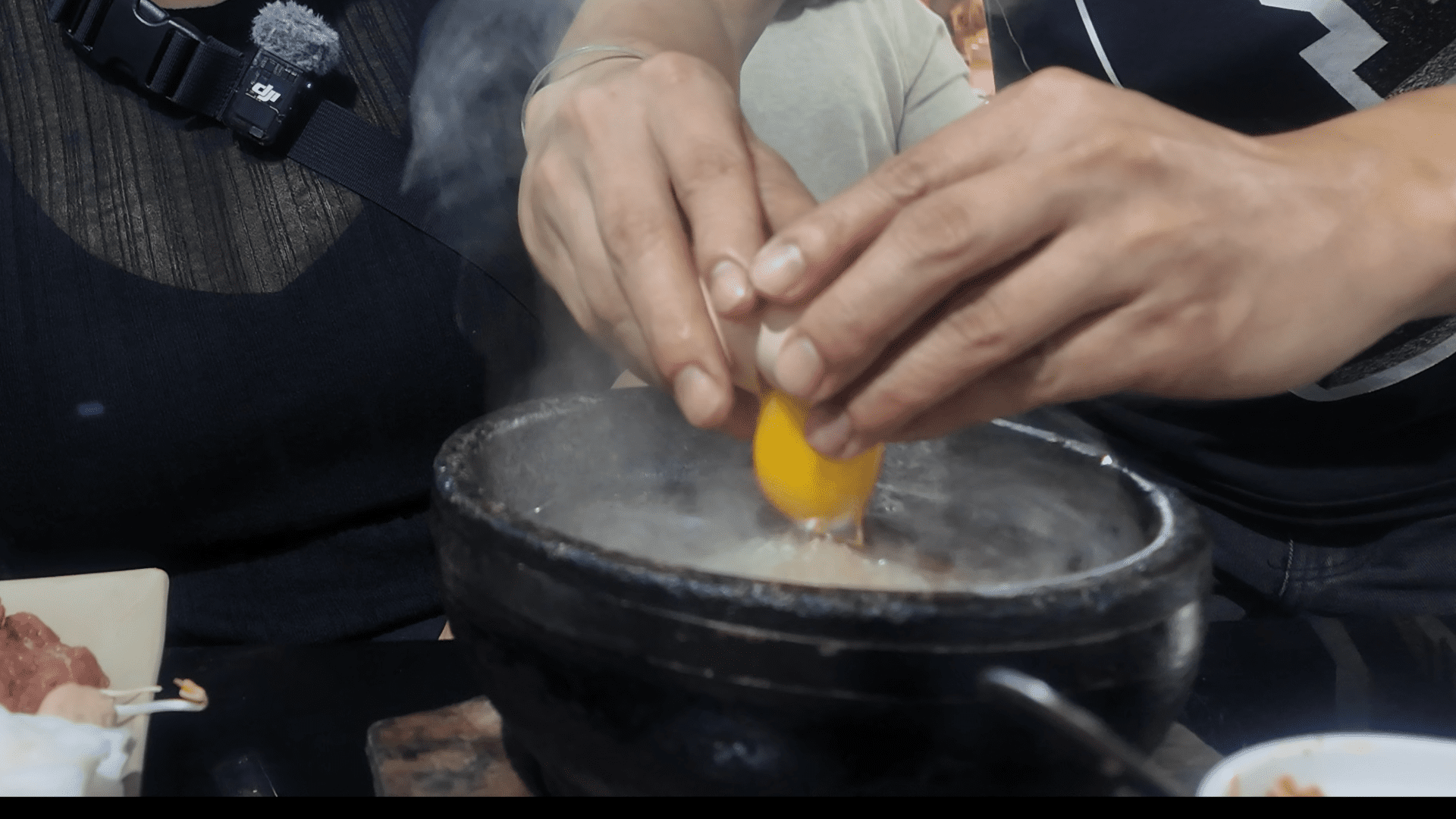
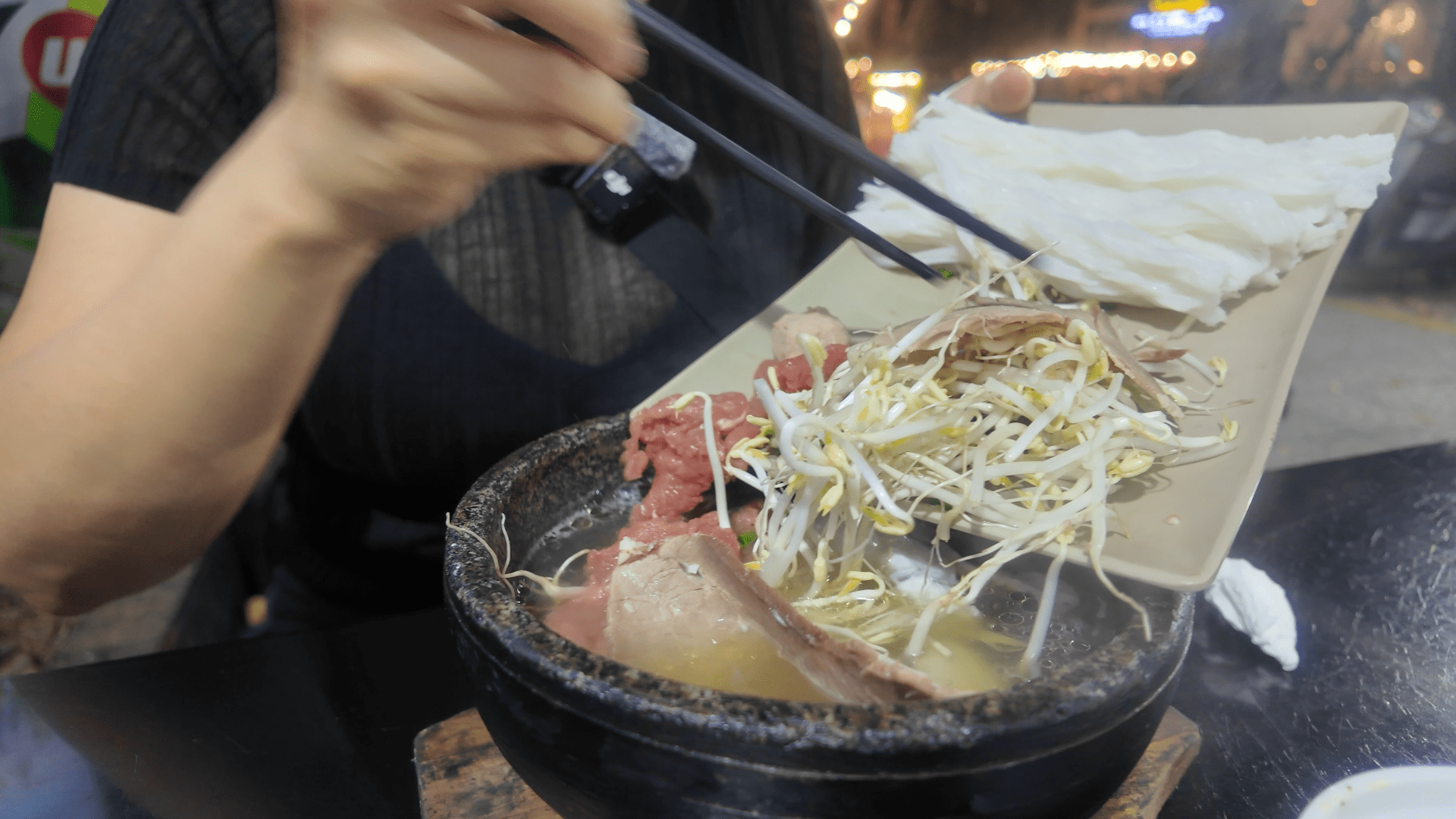
The bowl arrives sizzling and smoking hot. The moment it hits your table, you crack a raw egg directly into the boiling broth. Then you add your meats and noodles yourself. The stone retains heat so efficiently that the soup stays boiling throughout the entire meal. You’re not racing the clock. You eat at your own pace and every sip is as hot as the first.
It costs slightly more than a standard bowl of pho — but not by much, and it’s completely worth it. If you eat one bowl of pho in Da Nang, make it this one. Nothing else on the menu comes close to this experience.
Marble Mountains (Ngu Hanh Son) — Caves, Temples, and Vietnam’s Hell Cave
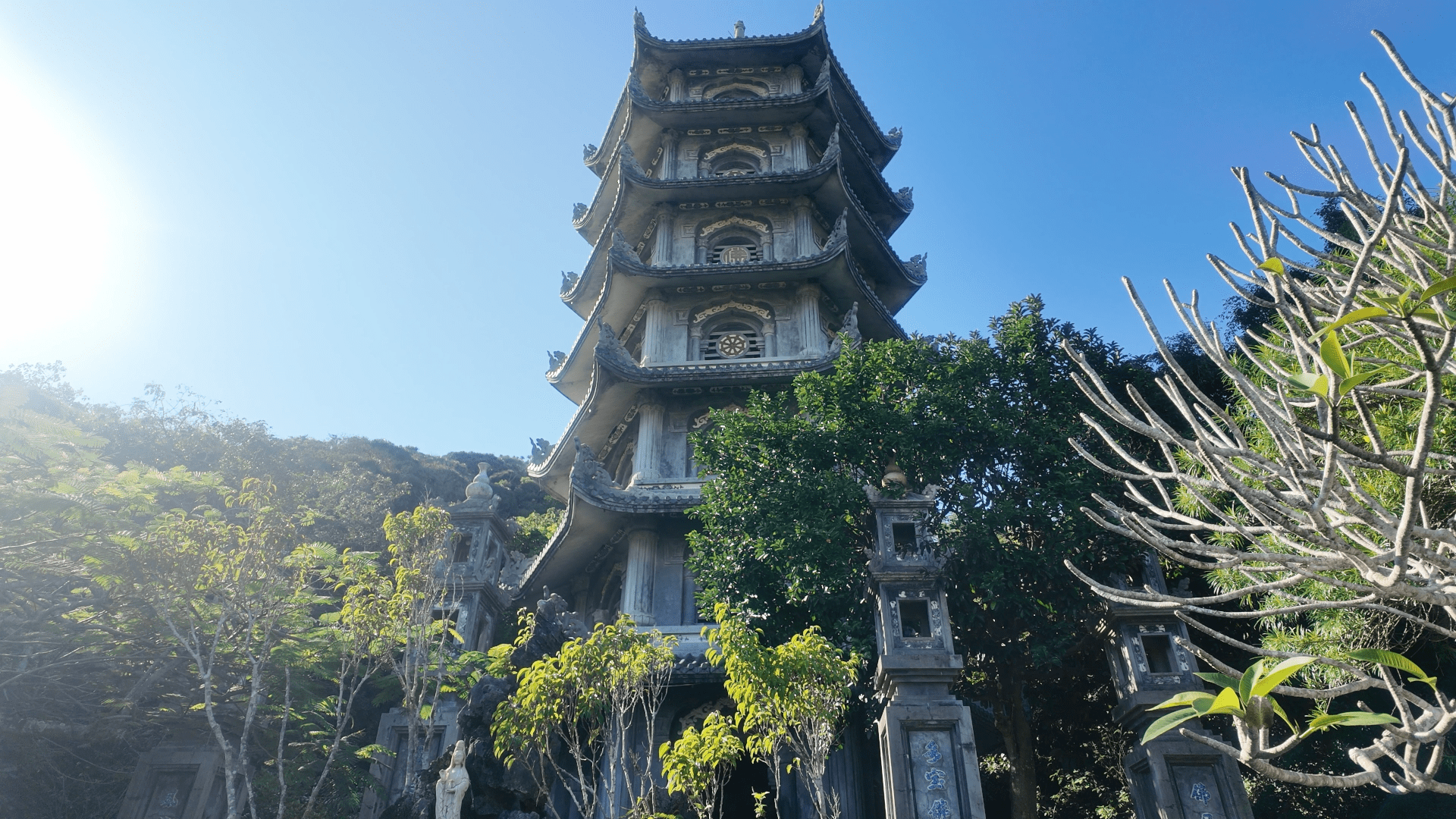
Marble Mountains — Ngu Hanh Son in Vietnamese — is a cluster of five marble and limestone peaks rising from the coastal plain south of Da Nang’s city centre. Each mountain is named after one of the five natural elements: Kim (metal), Moc (wood), Thuy (water), Hoa (fire), and Tho (earth). The site has been considered sacred for centuries — Buddhist and Hindu shrines have been carved into the caves since at least the 17th century. During the Vietnam War, the Viet Cong used the cave networks as field hospitals and command posts. The mountains have that kind of depth. History, religion, and nature stacked on top of each other.
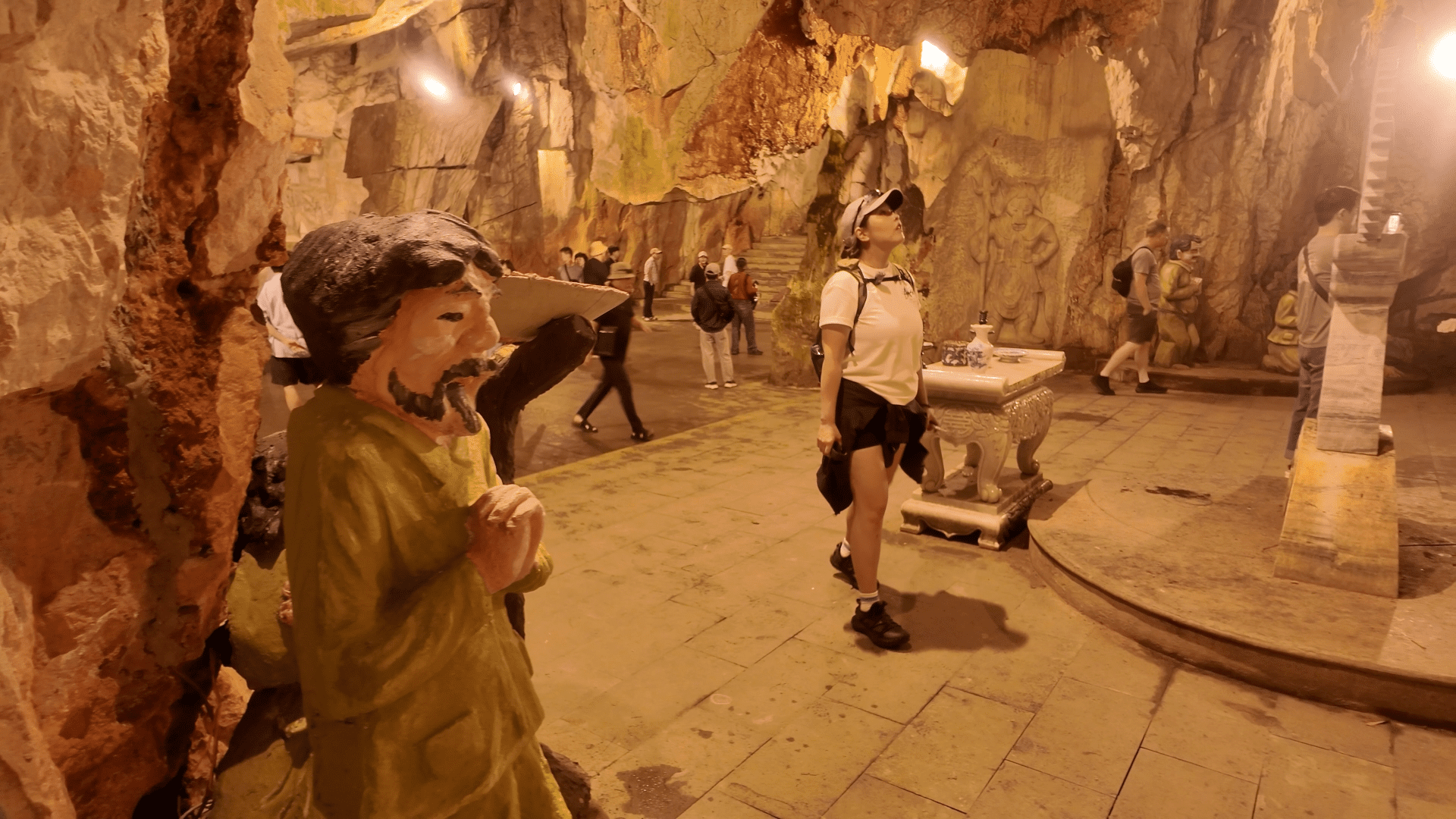
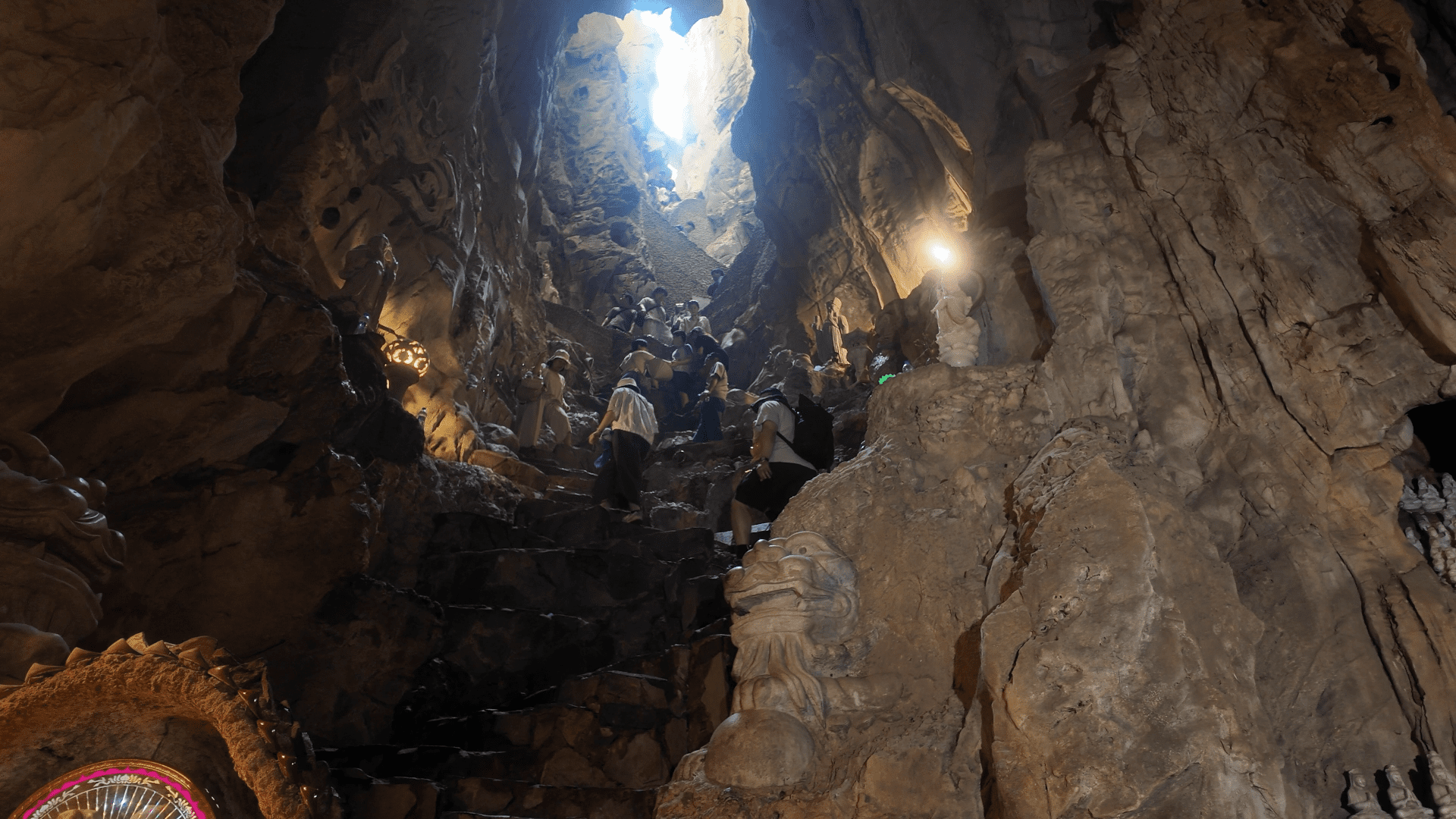
We paid our entrance fee and stepped into the first cave. The temperature drops immediately. High ceilings. Shafts of natural light falling through openings in the rock above. The scale catches you off guard. Photographs don’t do it justice.
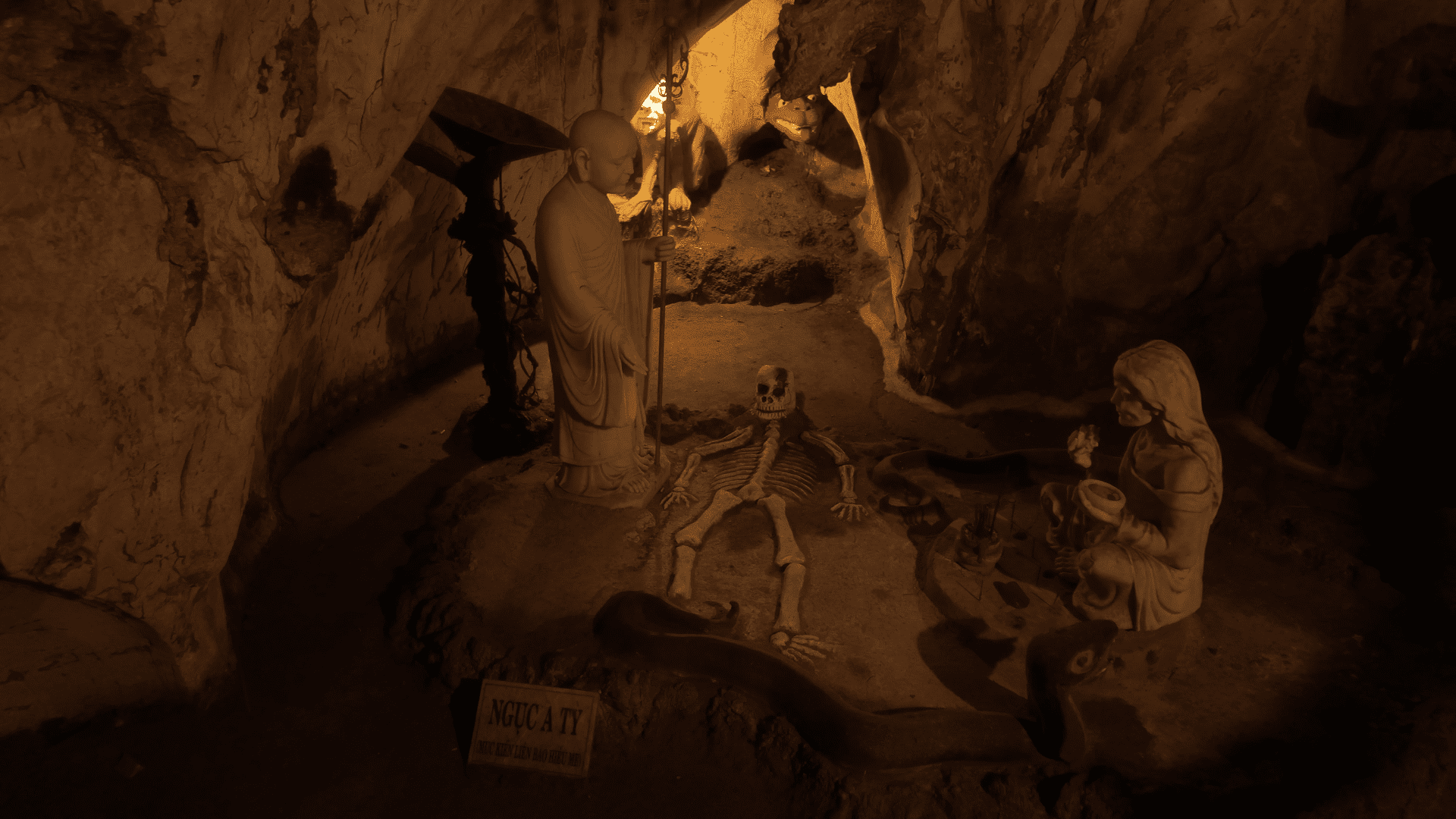
The Hell Cave (Am Phu Cave) — What Nobody Warns You About
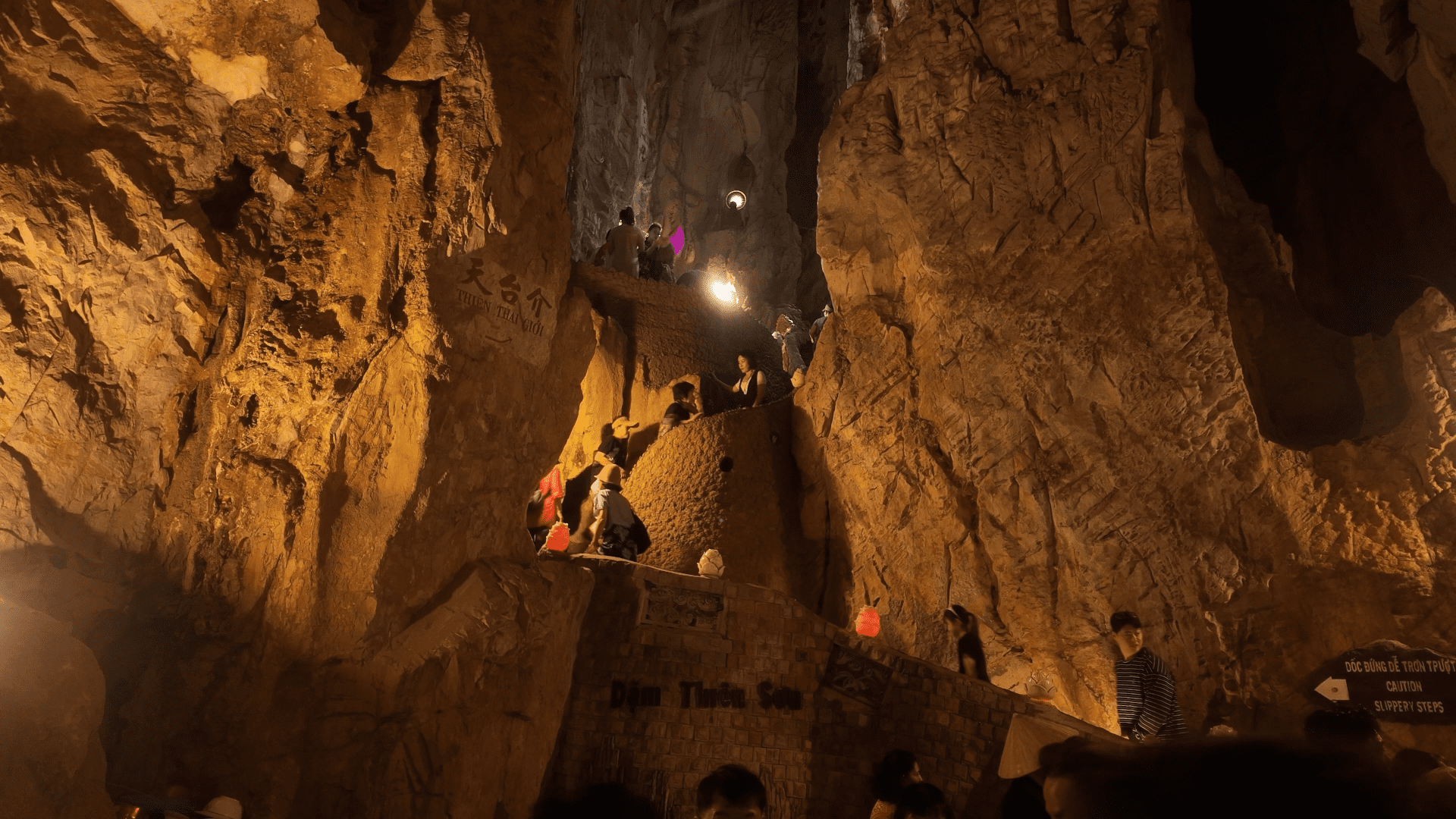
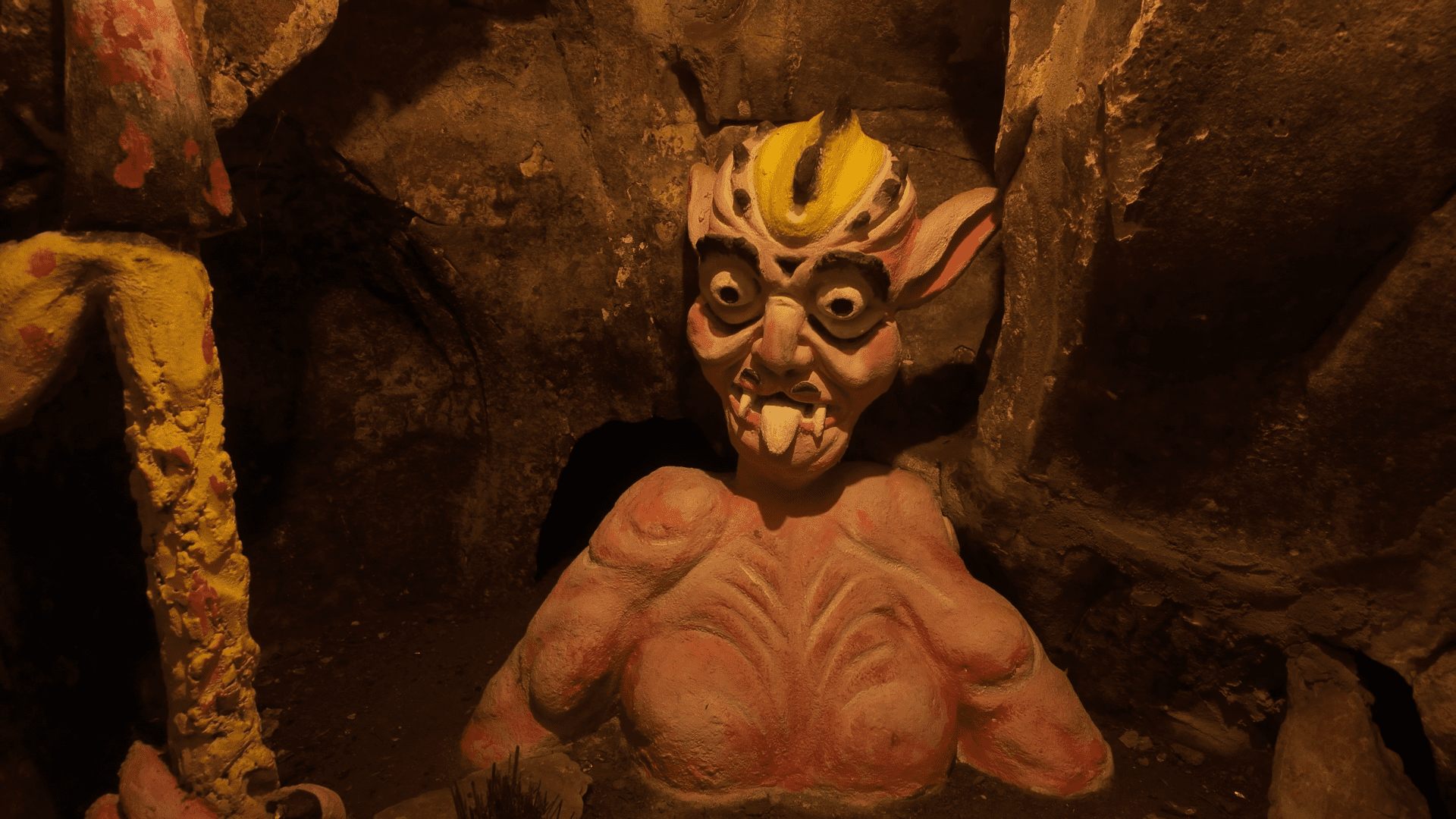
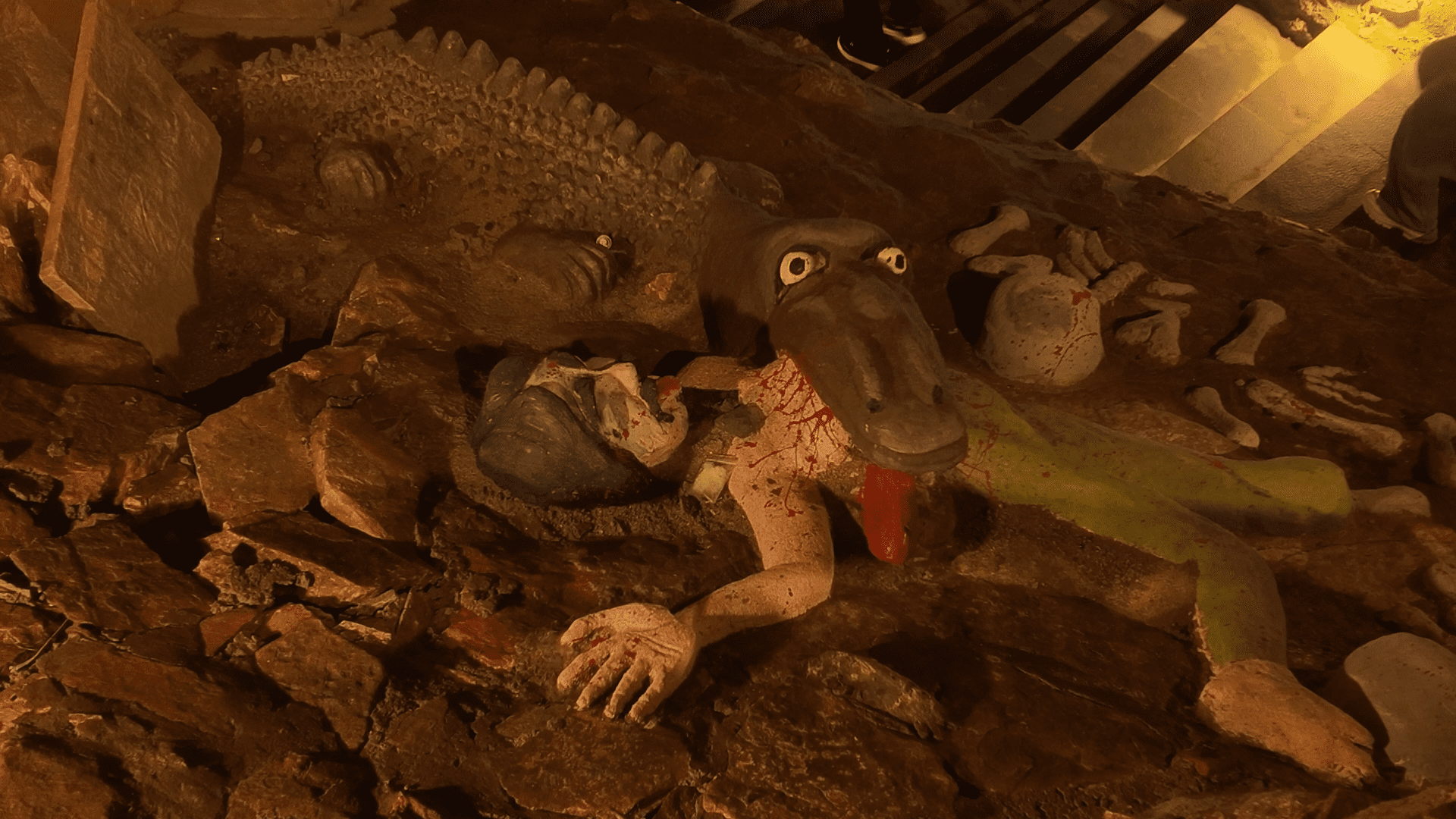
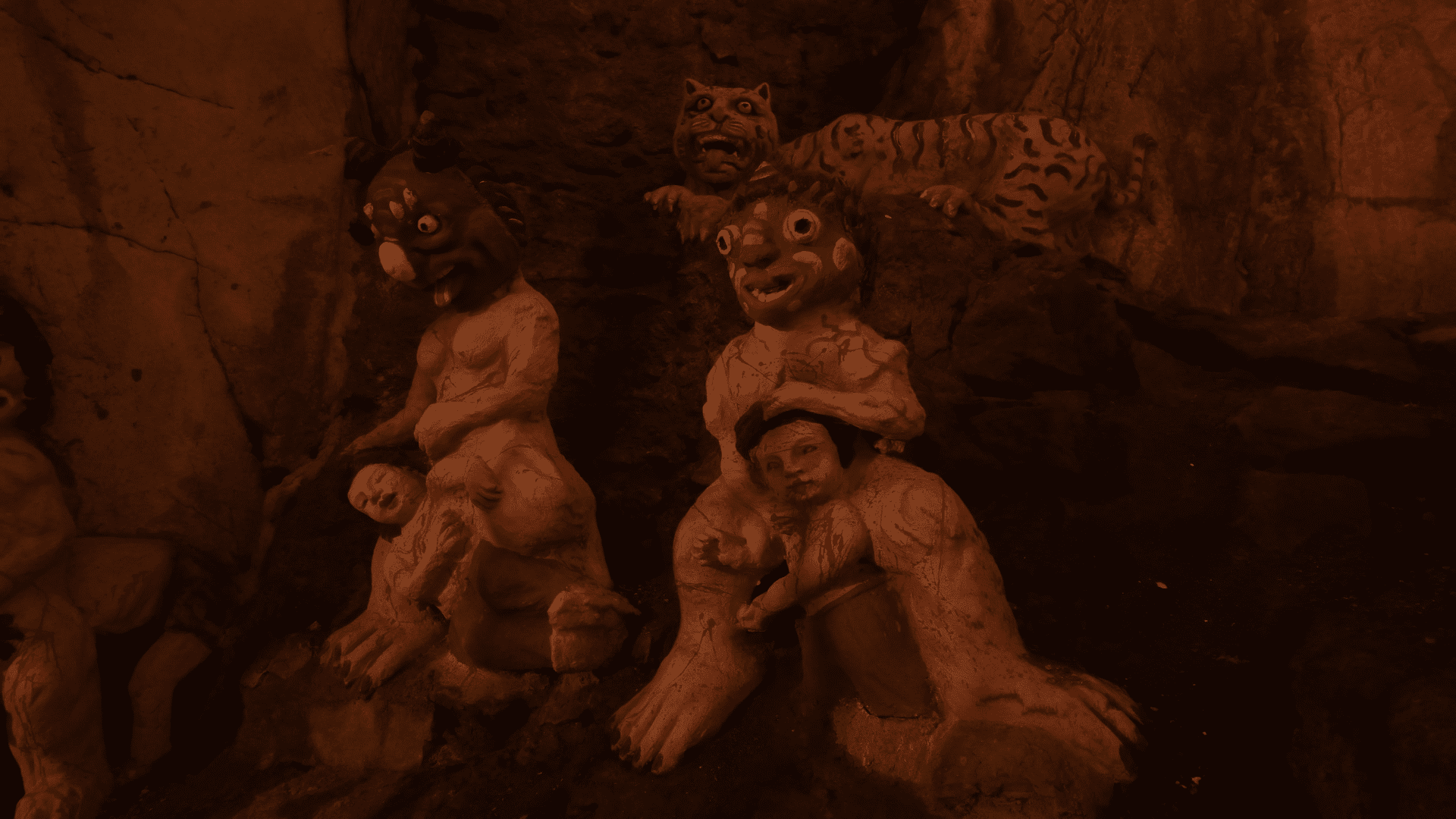
The most memorable part of the entire mountain is easy to walk past if you’re not paying attention: a staircase that leads you underground into darkness. At first it just feels like another entrance. Then the light fades, the air gets cooler and denser, and it becomes clear that you’re descending into what is meant to represent hell.
Demon figures appear in corners, alcoves, and shadows — some large, some tucked away so deliberately you almost miss them. The placement is oddly playful. We expected something dark and sinister. What we got was more like a detailed, theatrical haunted house — and we loved it. Jenny and I spent more time in here than anywhere else on the mountain, spotting figures and reading the depictions. Don’t rush this section.
Note: Am Phu Cave requires a separate ticket from the main entrance. Buy it at the gate before you go down.
The Narrow Staircase — Skip It
Inside the main cave there’s a narrow staircase that leads up to a viewing point at the top. It’s a single lane managing two-way traffic and it gets congested fast. Ian went up. He said the view at the top is small and not worth the wait. We’d skip it and spend that time underground in Am Phu Cave instead.
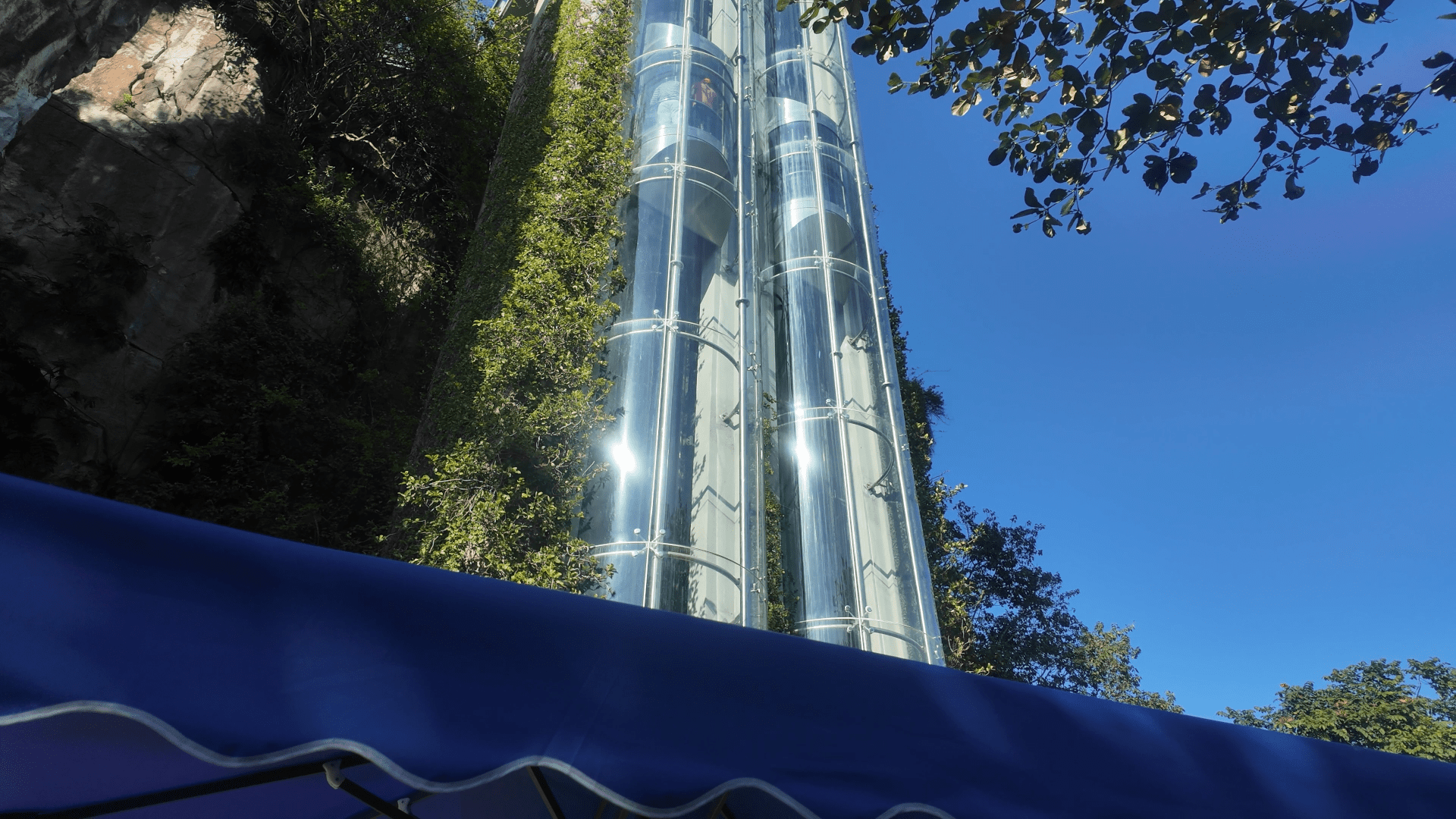
Take the Elevator. Seriously.
After the first cave, you need to get up to the higher peaks to see the rest of the site. Two options: walk up the stairs or take the elevator for a small additional fee. Take the elevator. We almost didn’t and it would have been a mistake. Marble Mountains involves a lot of walking. If you burn your legs on the stairs before you’ve seen anything, you won’t have the energy for the caves above or the hike to the summit. The elevator costs almost nothing and saves everything.
The caves on the upper levels are less dramatic than the first. A few led us to dead ends. Not all of them are as detailed or refined as Am Phu Cave. Don’t expect every cave to match the experience underground.
Hike to the Summit — Do This
The hike up to the highest peak at Marble Mountains is not easy. But the view from the top is one of the best in Da Nang: city, ocean, and mountains all visible at once. Anyone visiting Da Nang should make the effort to get up there. You can customise how much effort you put into this entire site — easy, moderate, or hard — which is what makes Marble Mountains work for almost any traveller. Make the summit the last thing you do and the view will feel earned.
📍 Marble Mountains (Ngu Hanh Son) — Google Maps
Want a guided Marble Mountains experience? There are many tour options on Klook if you prefer a guide who can walk you through the history and caves rather than exploring solo.
| Ticket | Price (VND) | Price (USD approx.) |
|---|---|---|
| Main entrance | 40,000 VND | ~$1.60 |
| Am Phu Cave (Hell Cave) — separate ticket | 20,000 VND | ~$0.80 |
| Elevator (one way per person) | 15,000 VND | ~$0.60 |
| Total (with elevator one way) | 75,000 VND | ~$3.00 |
💡 Tip: Go early. The caves and the summit hike combined take 2–3 hours. The afternoon heat makes the climb significantly harder and more crowded.
Son Tra Marina — Pretty, Packed, and Not For Everyone
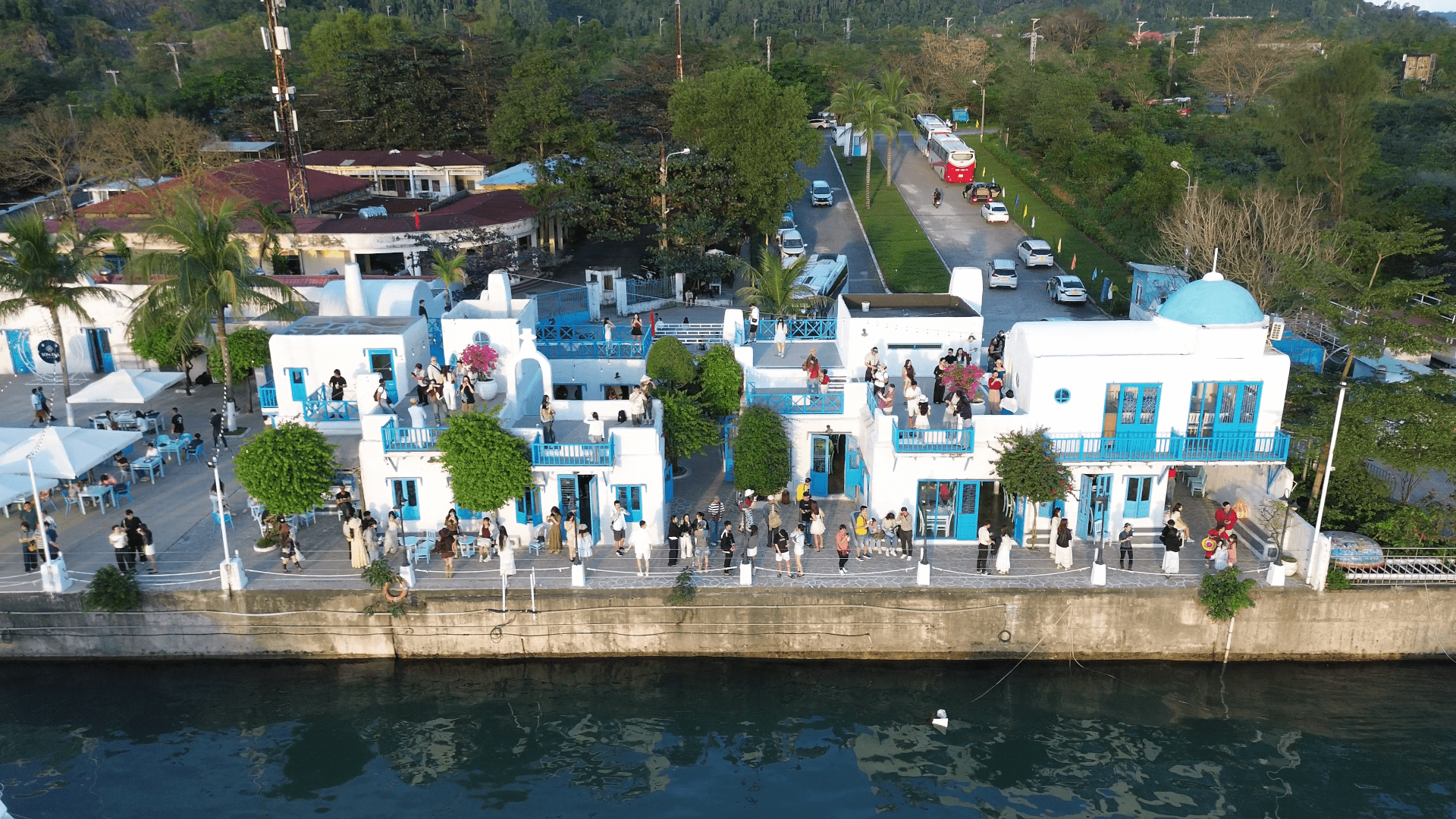
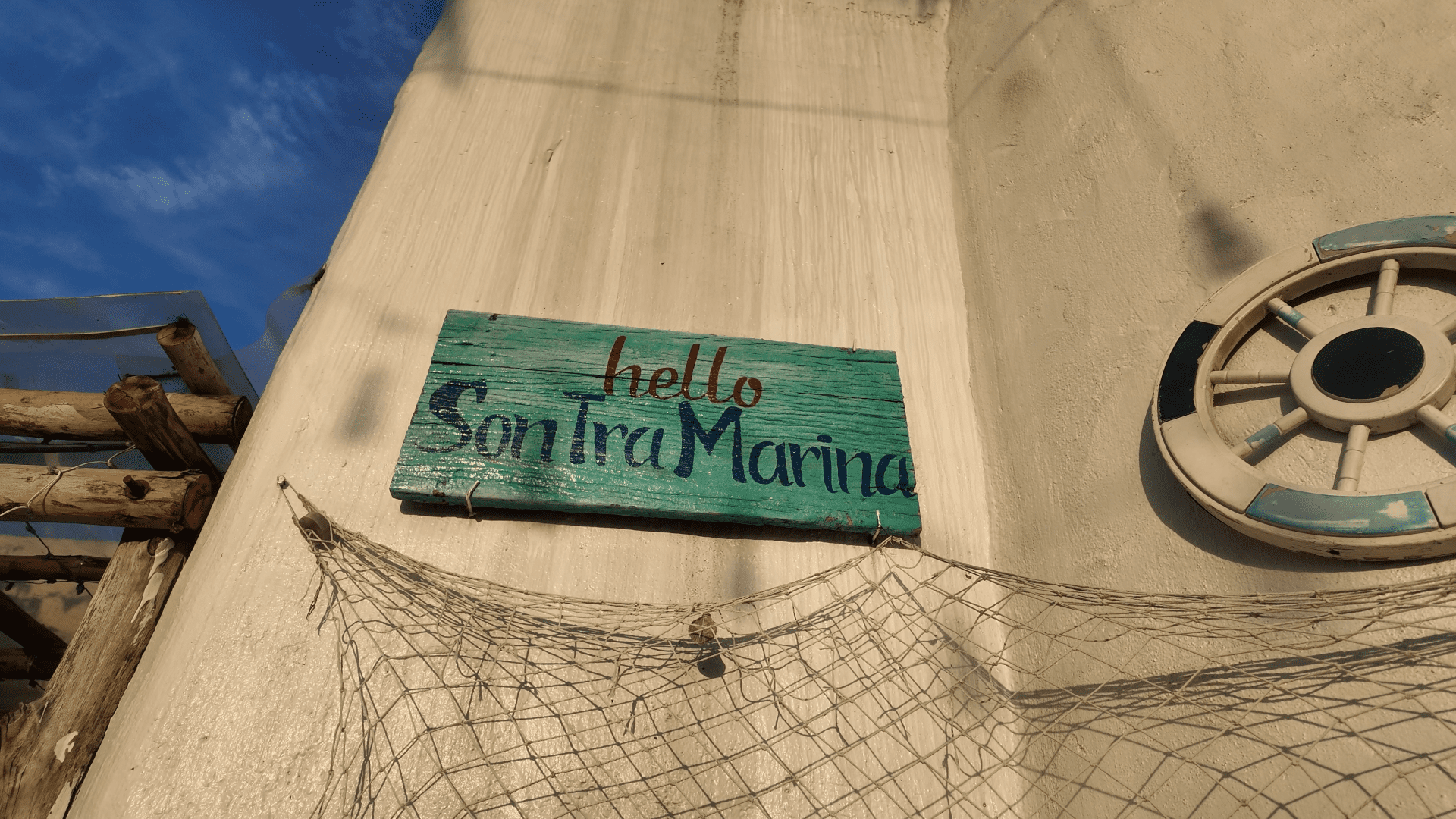
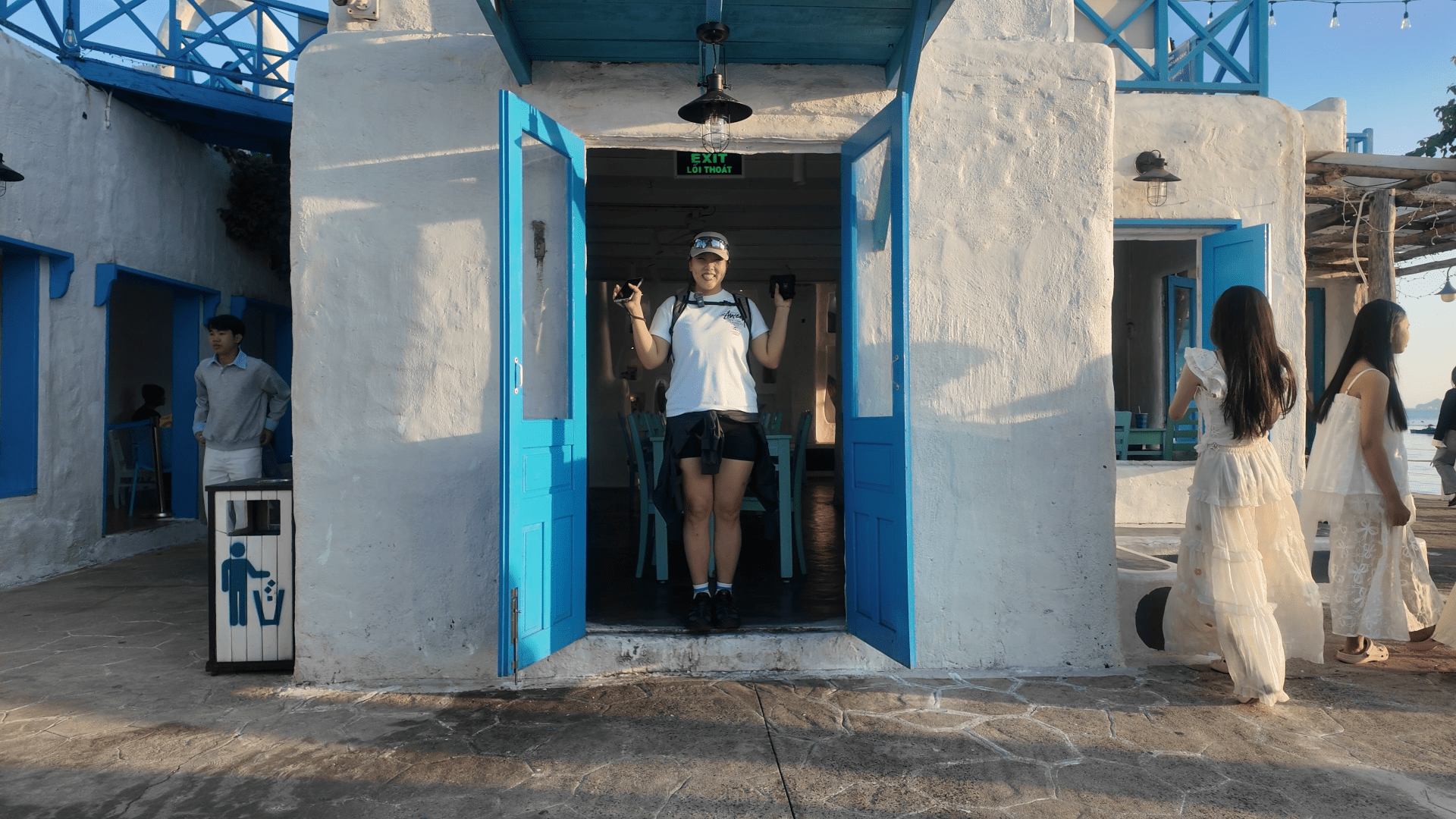
After Marble Mountains we grabbed a Grab north to Son Tra Marina. Jenny had spotted it on social media and the photos were striking — white walls, blue accents, a Santorini-style café terrace overlooking the water. It looked like a hidden gem. It turned out to be the opposite of hidden.
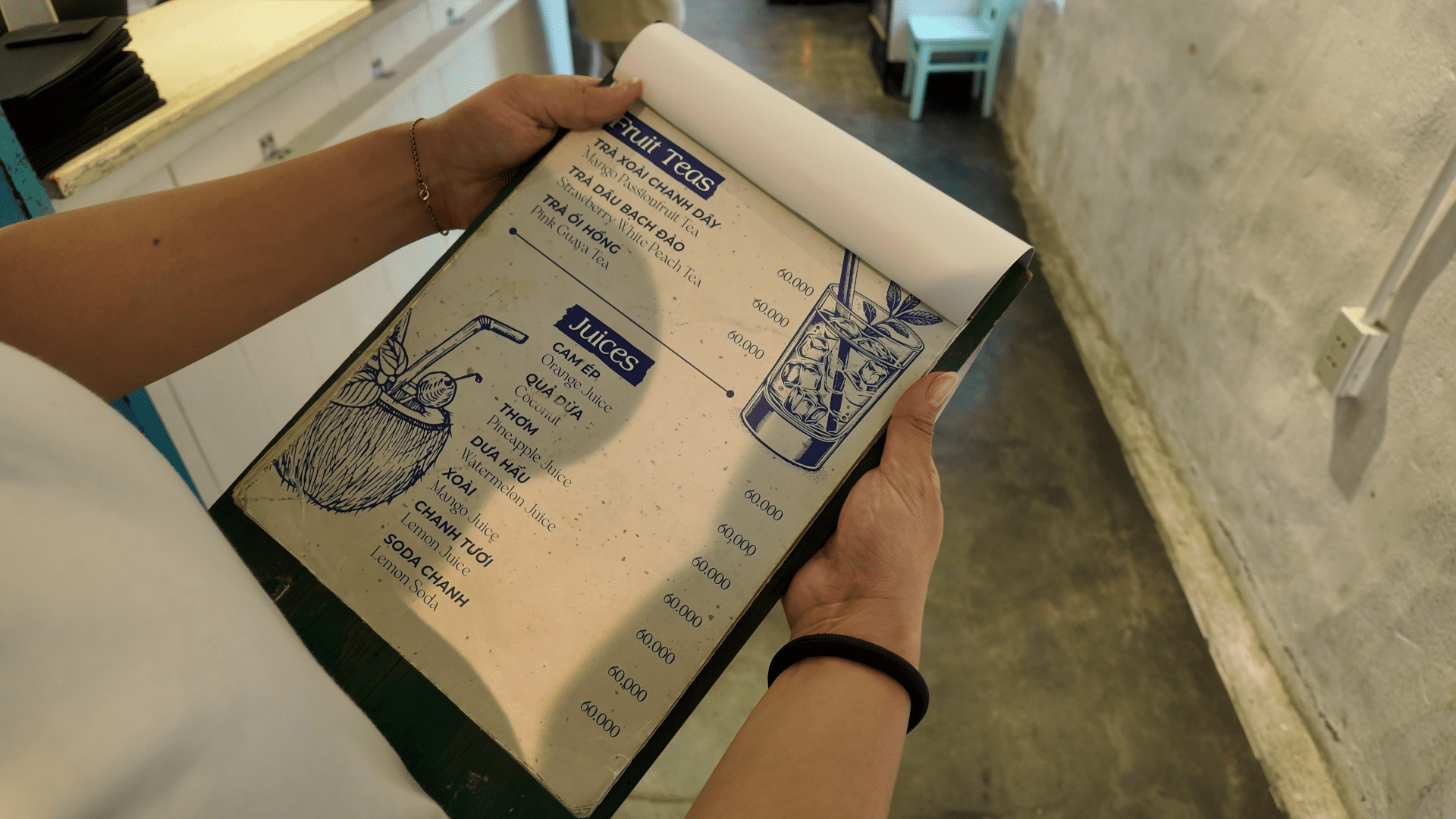
The place was packed. At the entrance, a staff member told us there were no available seats but that we had to order a drink to stay. We ordered, walked around while we waited, and eventually found a spot. The drinks cost noticeably more than anything you’d pay elsewhere in Da Nang — but the view from the right angle is genuinely beautiful.
If you love café culture and want a spot built for Instagram, this fits. If you want a relaxed afternoon drink with a water view, it’s hard to enjoy when every corner has someone lining up the perfect selfie. We wouldn’t go back, and we wouldn’t push friends to prioritise it over Lady Buddha. But we understand why it’s popular.
📍 Son Tra Marina — Google Maps

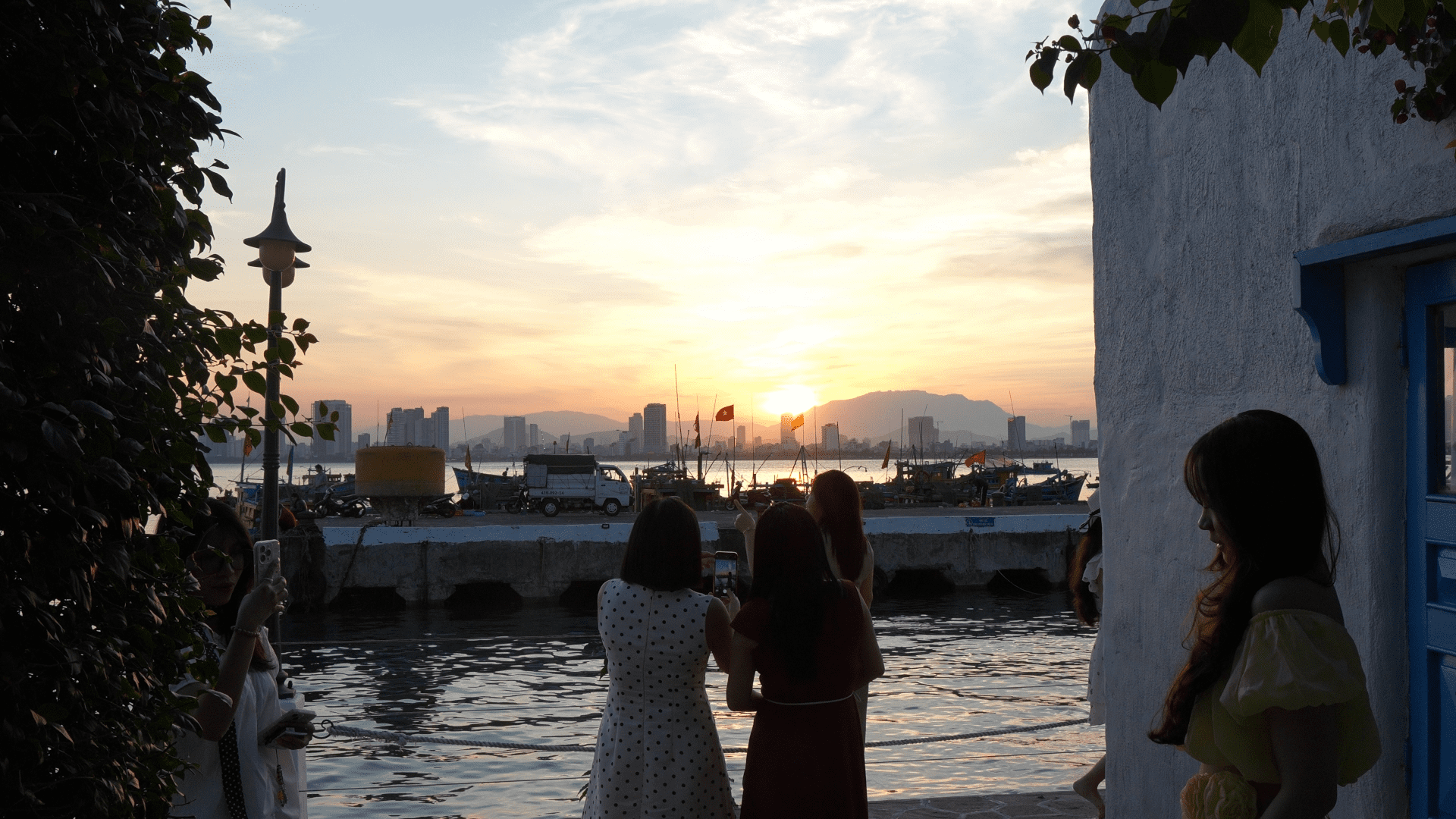
💡 Tip: Son Tra Marina and Lady Buddha are 1.9km apart. If you visit both, go to Lady Buddha first. Don’t make our mistake.
Lady Buddha, Son Tra Peninsula — Don’t Make Our Mistake
Lady Buddha stands 67 metres tall at the tip of Son Tra Peninsula, making it one of the tallest statues in Vietnam. The white figure faces the sea, visible from large parts of Da Nang. The views from that elevation are supposed to be some of the best in the city — ocean on one side, Da Nang on the other.
We missed it. Marble Mountains took longer than we’d planned, and by the time we finished our drinks at Son Tra Marina it was already close to 5pm. Google says it closes at 5:30pm. We couldn’t get a Grab in time, started walking, and by 5:15 we were still too far away to make it. We took a few photos from a distance and called it a day.
Lady Buddha is 1.9km from Son Tra Marina — about 30 minutes on foot or a 5-minute Grab ride. If you’re doing both in the same afternoon, visit Lady Buddha first and stop at the marina on the way back. Or visit earlier in the day before Marble Mountains takes more time than expected. We’d love to hear from anyone who made it — let us know in the comments what the experience was like.
📍 Lady Buddha, Son Tra Peninsula — Google Maps
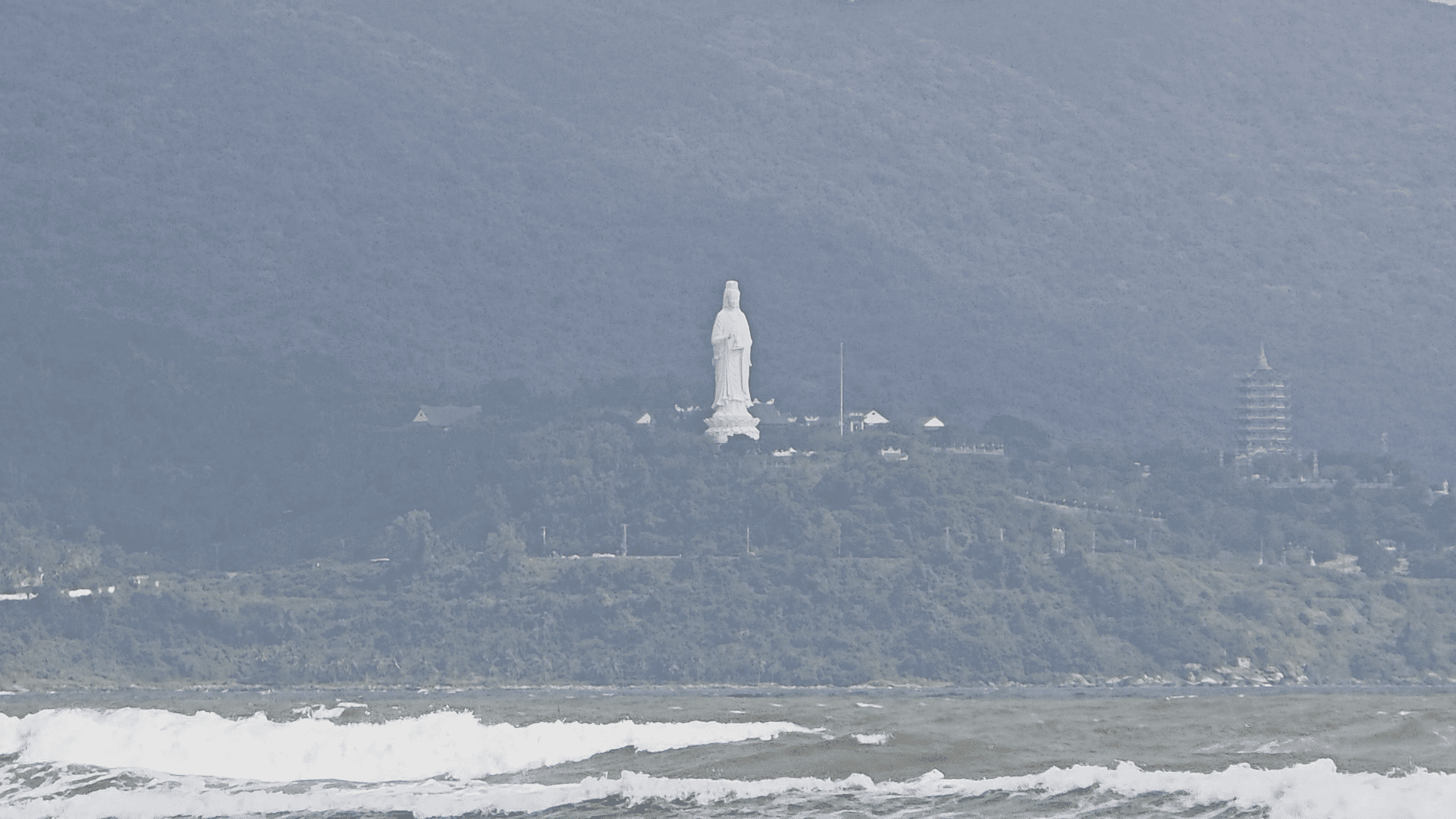
💡 Tip: Closing time is 5:30pm. Plan Lady Buddha for early-to-mid afternoon, not after a full day at Marble Mountains.
Day 2 in Da Nang: Beach Morning and the Best Broken Rice in the City
My Khe Beach Da Nang — Is It Worth the Hype?
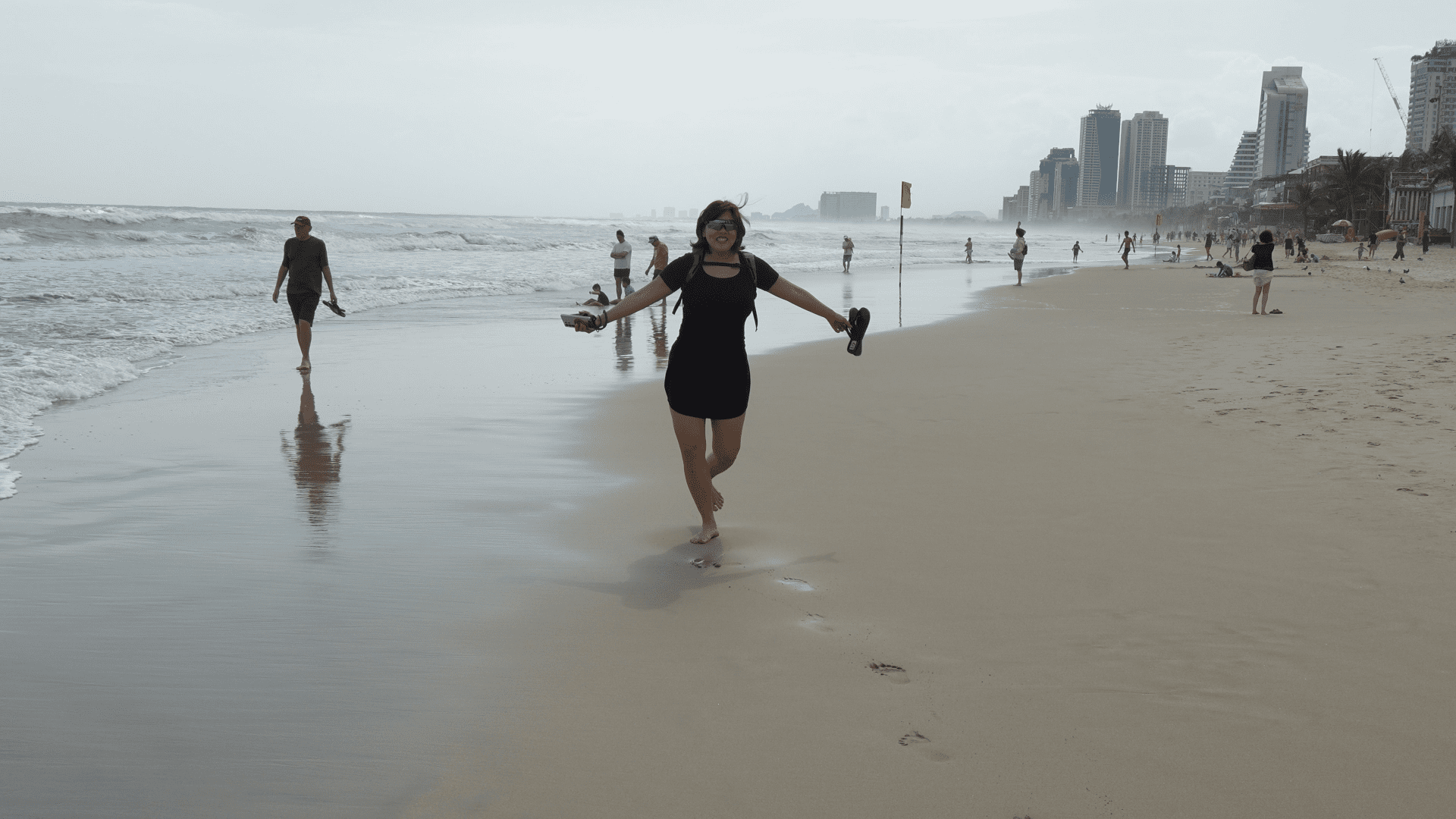
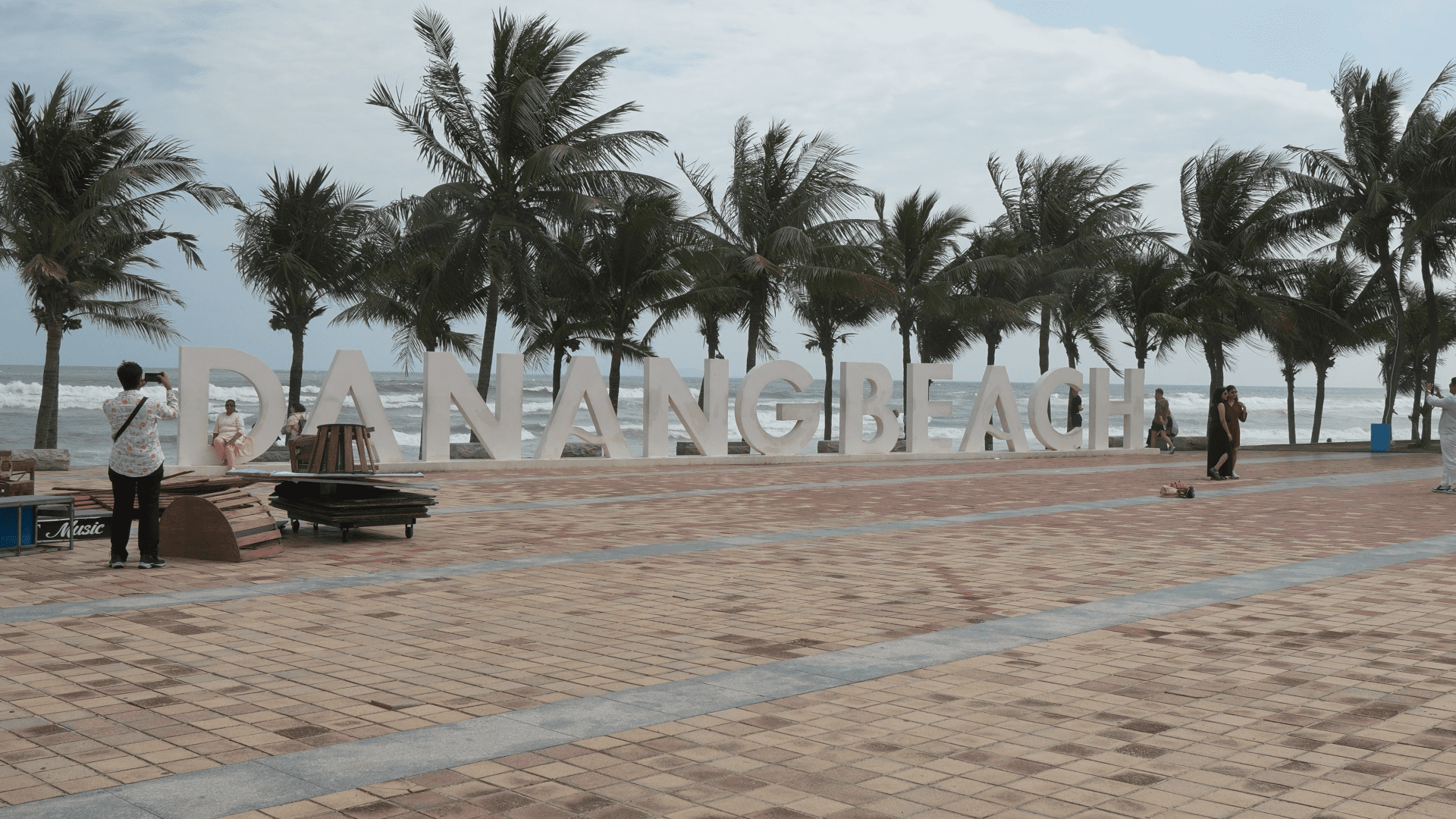
My Khe Beach stretches 32 kilometres (about 20 miles) along Da Nang’s coastline. White sand, clean water, and surfing waves when the conditions are right. Signs along the beach indicate whether swimming is safe that day — pay attention to them before you go in.
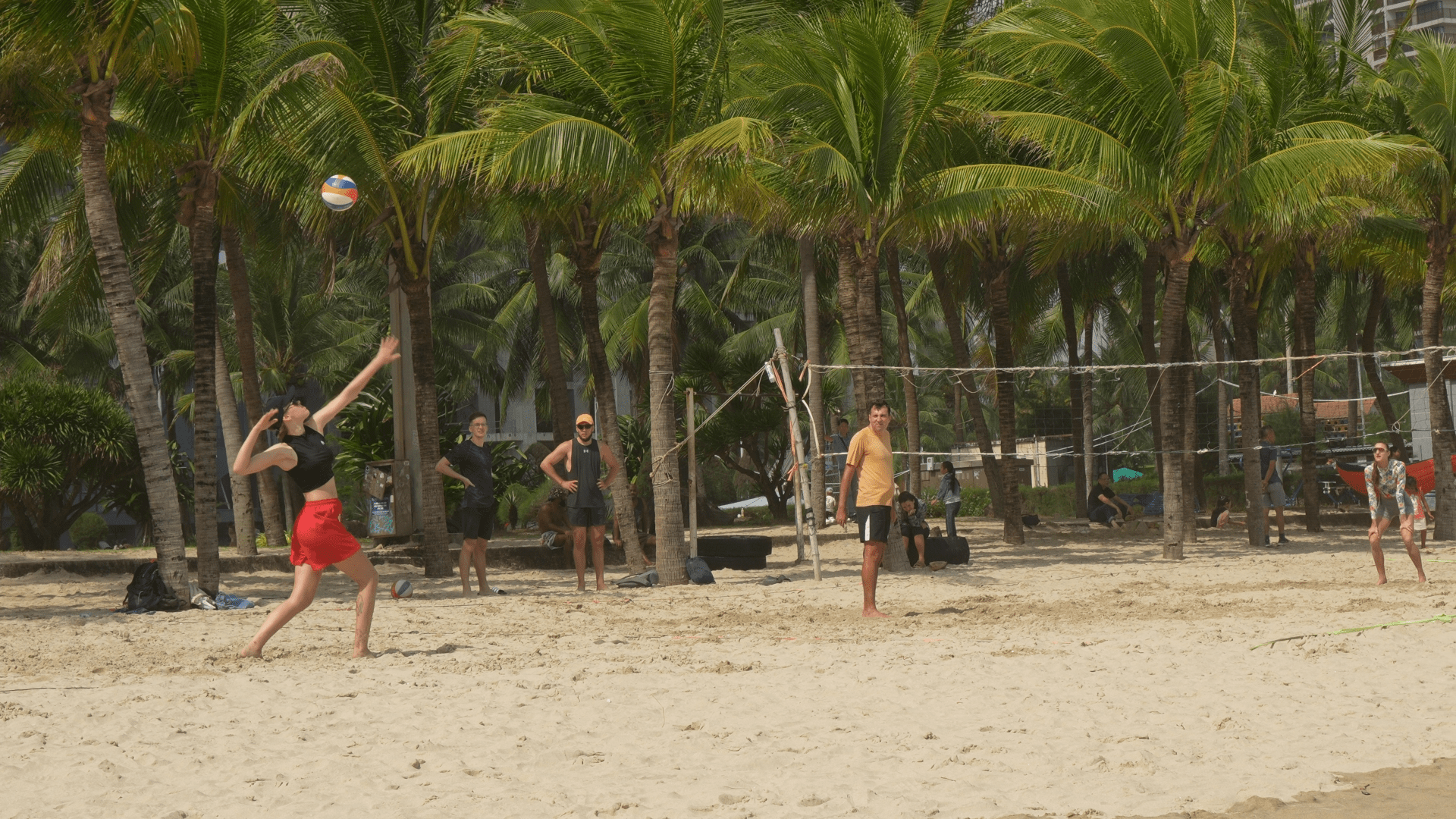
The beach is maintained in a way that genuinely surprised us. We walked a long stretch of the waterline and didn’t feel crowded or overwhelmed. It’s one of the rare public beaches in Southeast Asia that actually feels looked after. No rubbish piles, no hard-sell vendors every ten steps. Families, couples, solo travellers — it works for everyone.
This is what makes Da Nang special. The fact that you can spend one morning exploring a cave system depicting hell and the next morning walking a pristine 32km beach is not a small thing. Da Nang earns its beach city reputation. It just has a lot more going on underneath it than most people give it credit for.
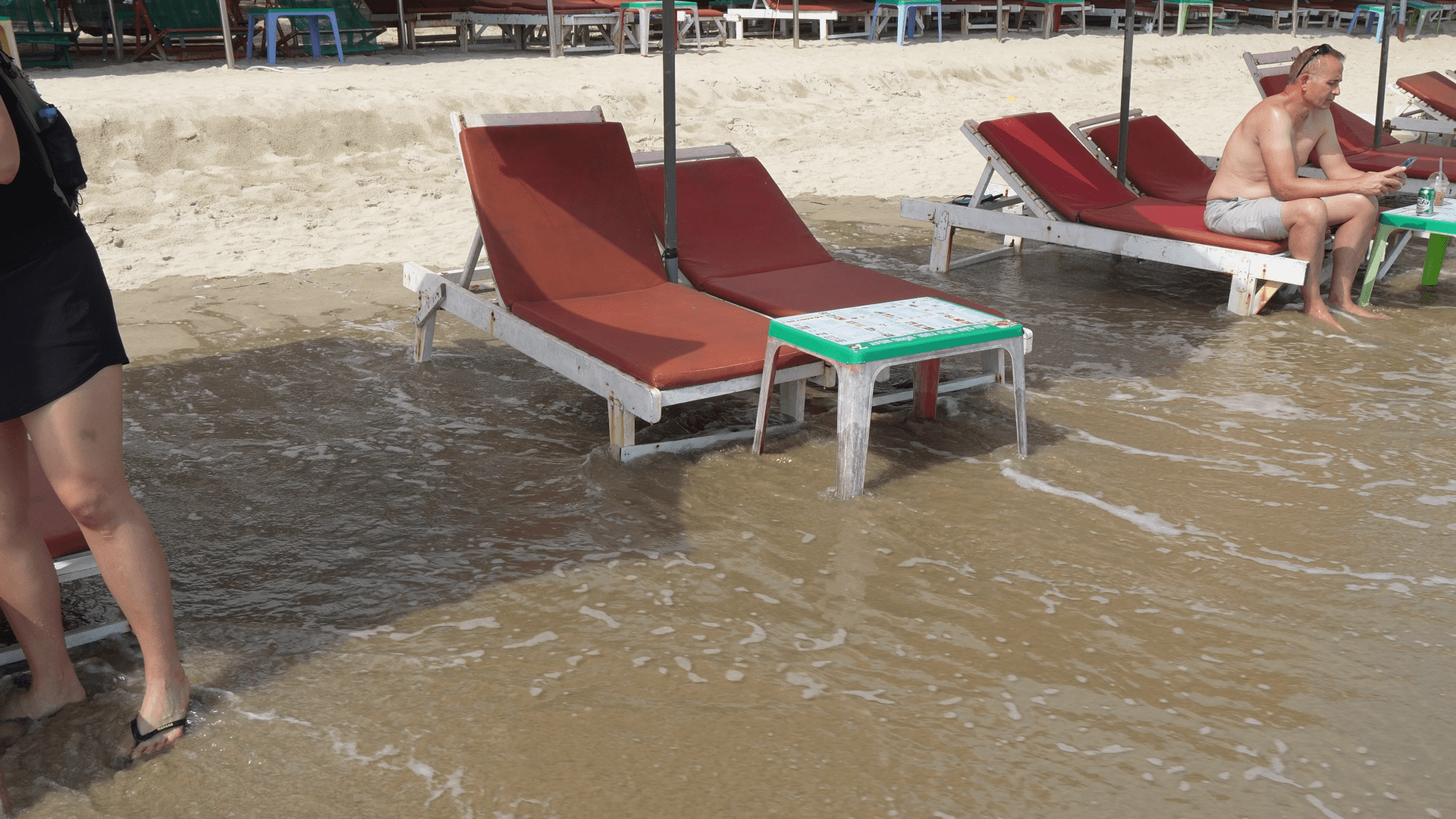
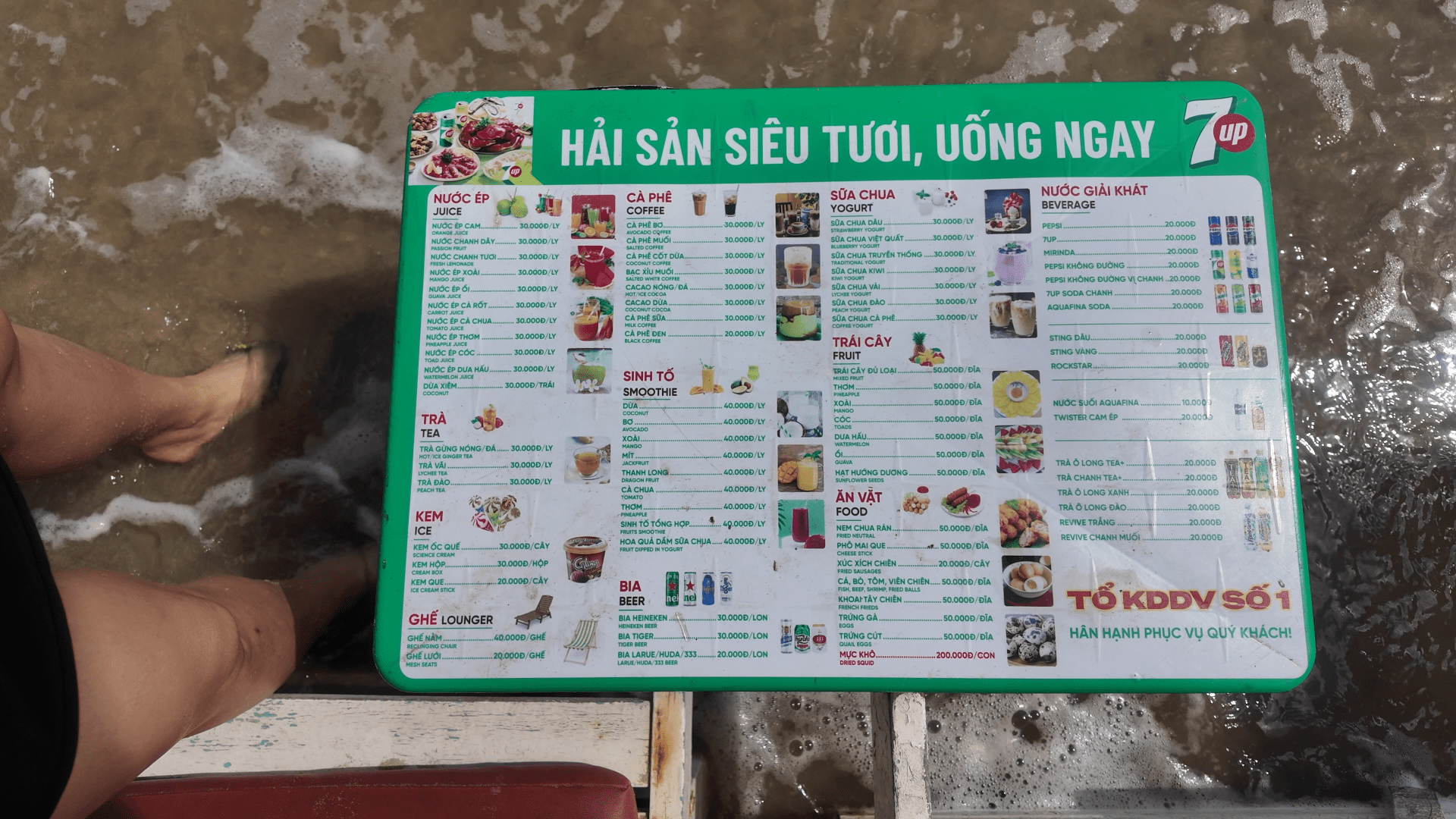
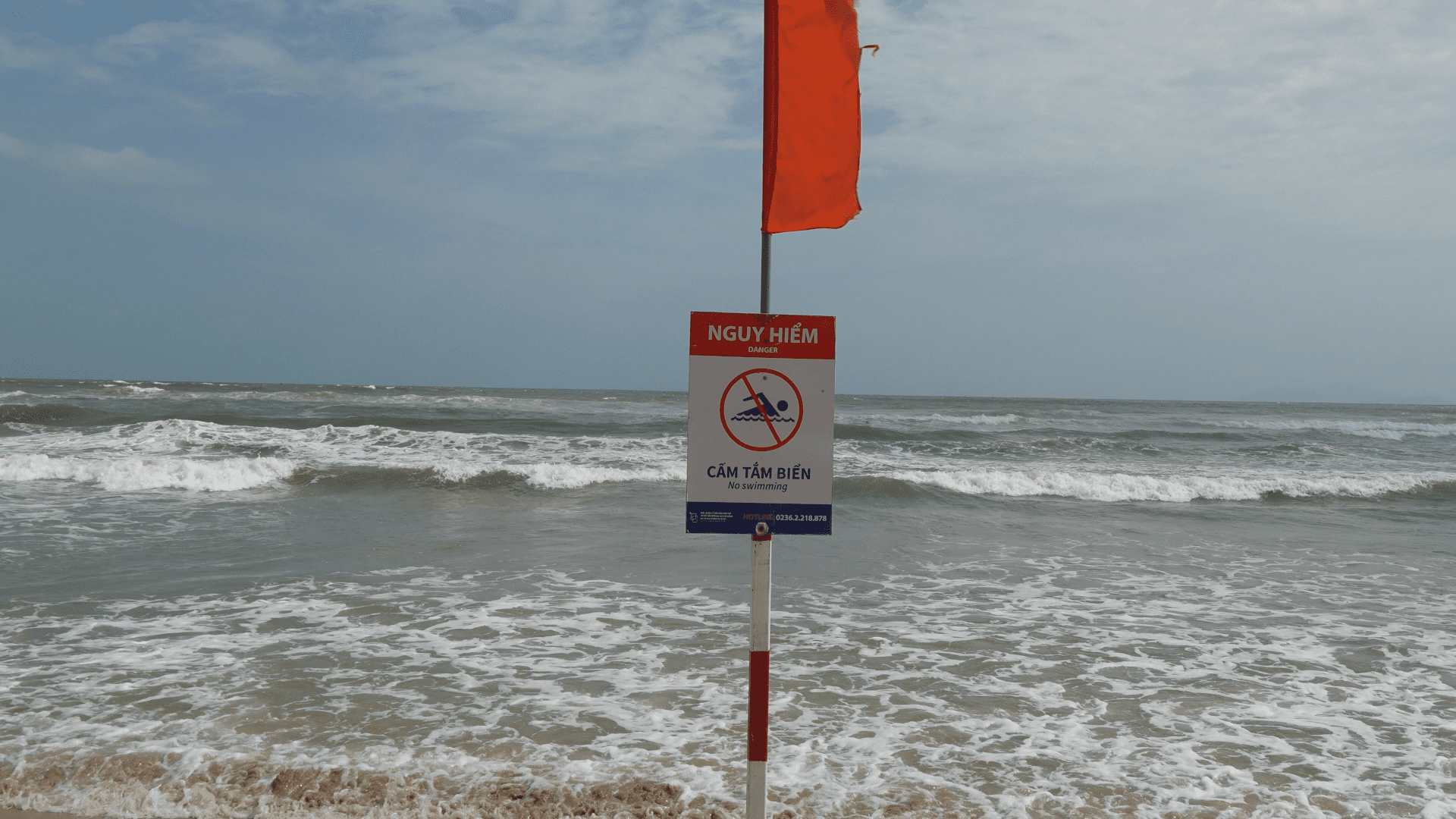
💡 Tip: Go in the morning before the heat peaks. Check the swimming flags before you enter the water.
Com Tam Op Let 1940 — The Best Broken Rice in Da Nang
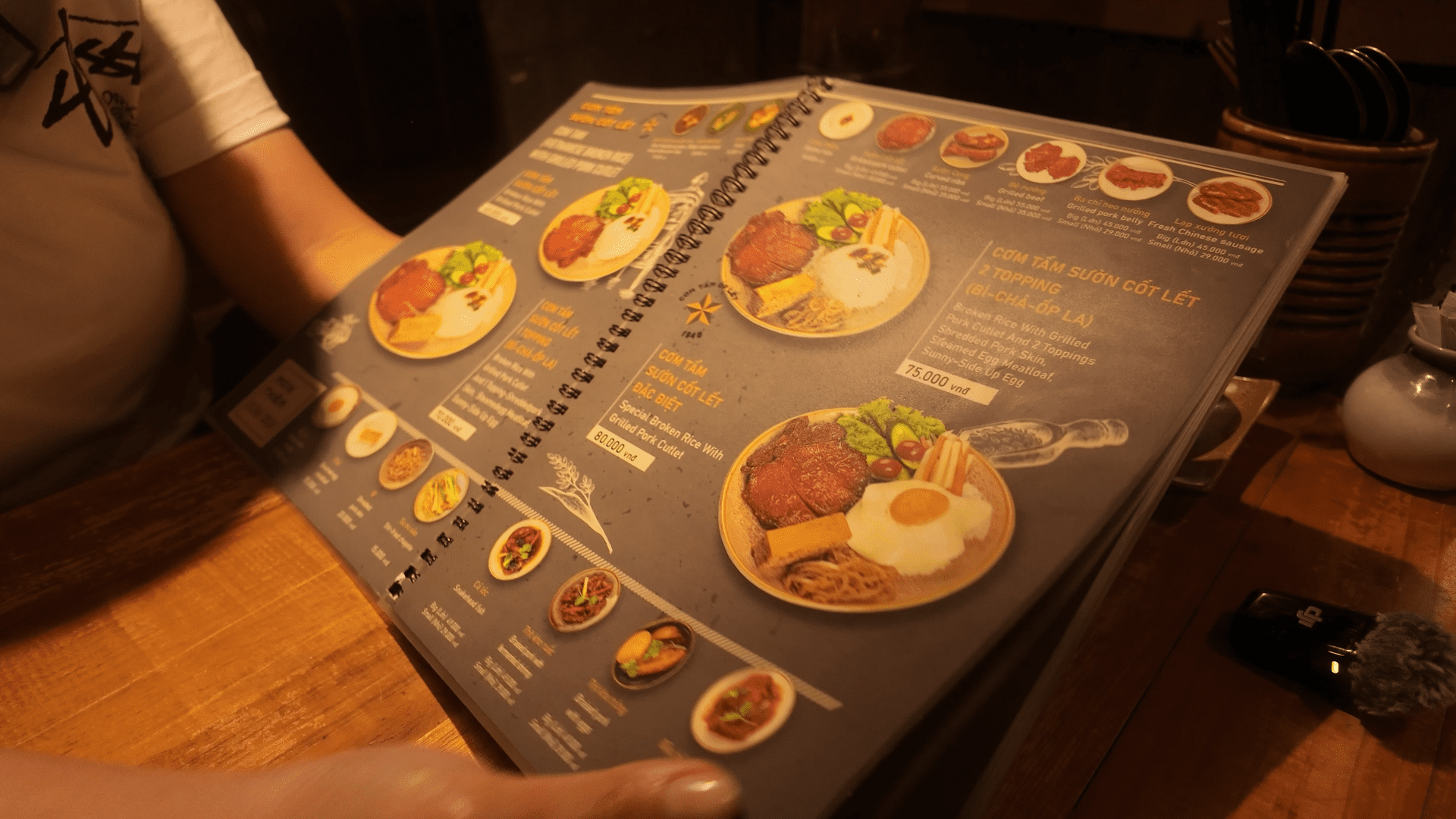
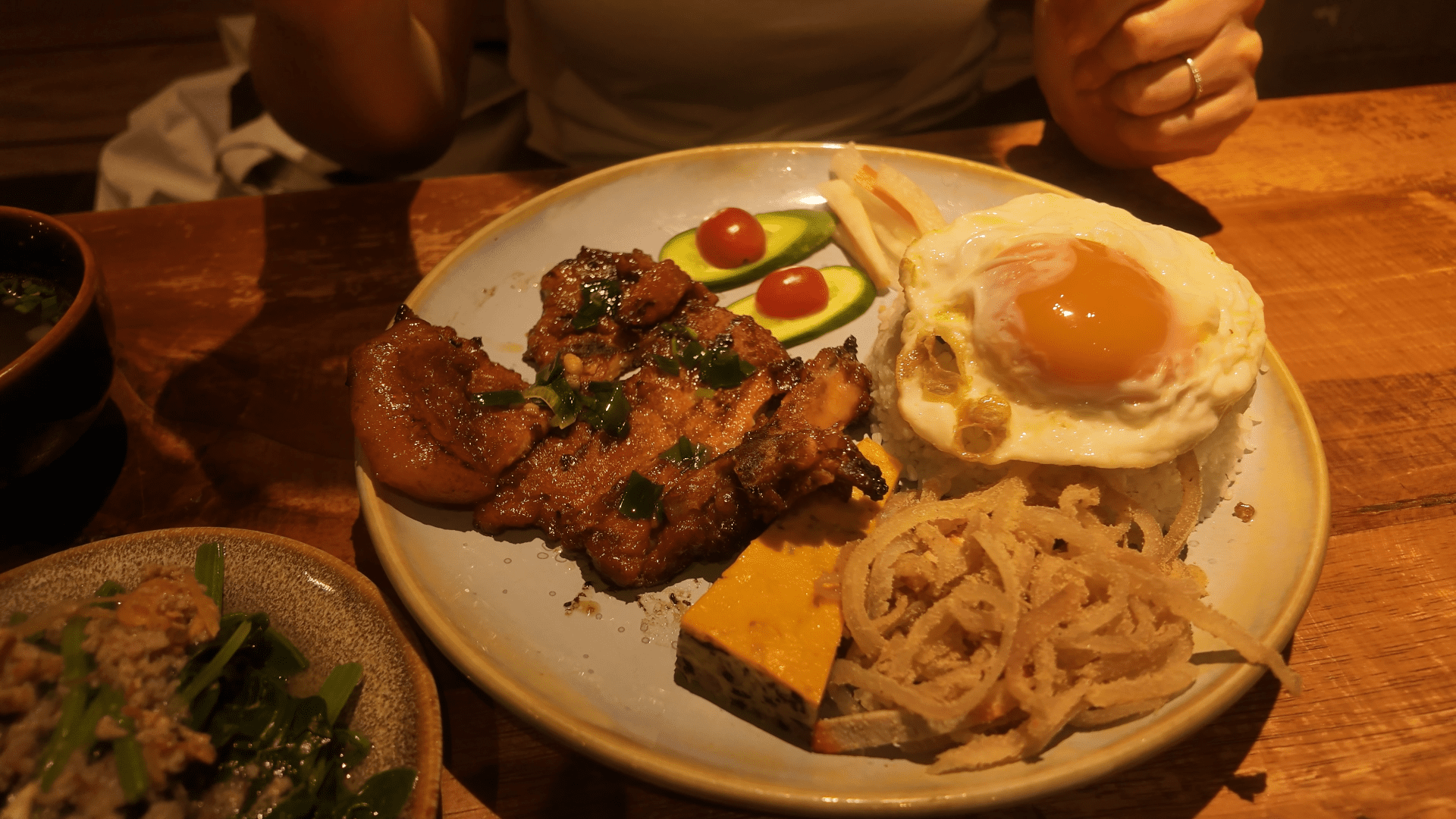
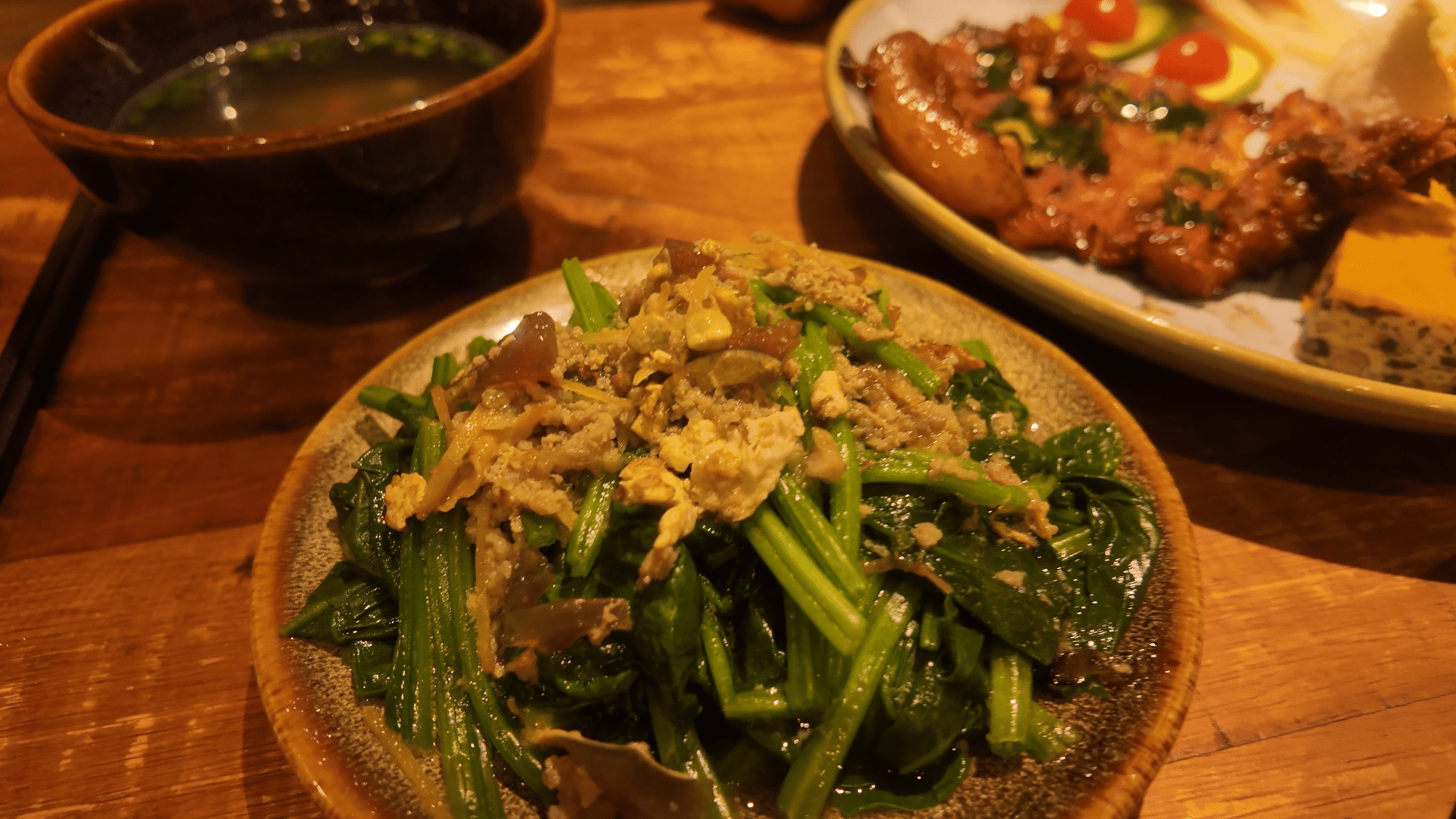
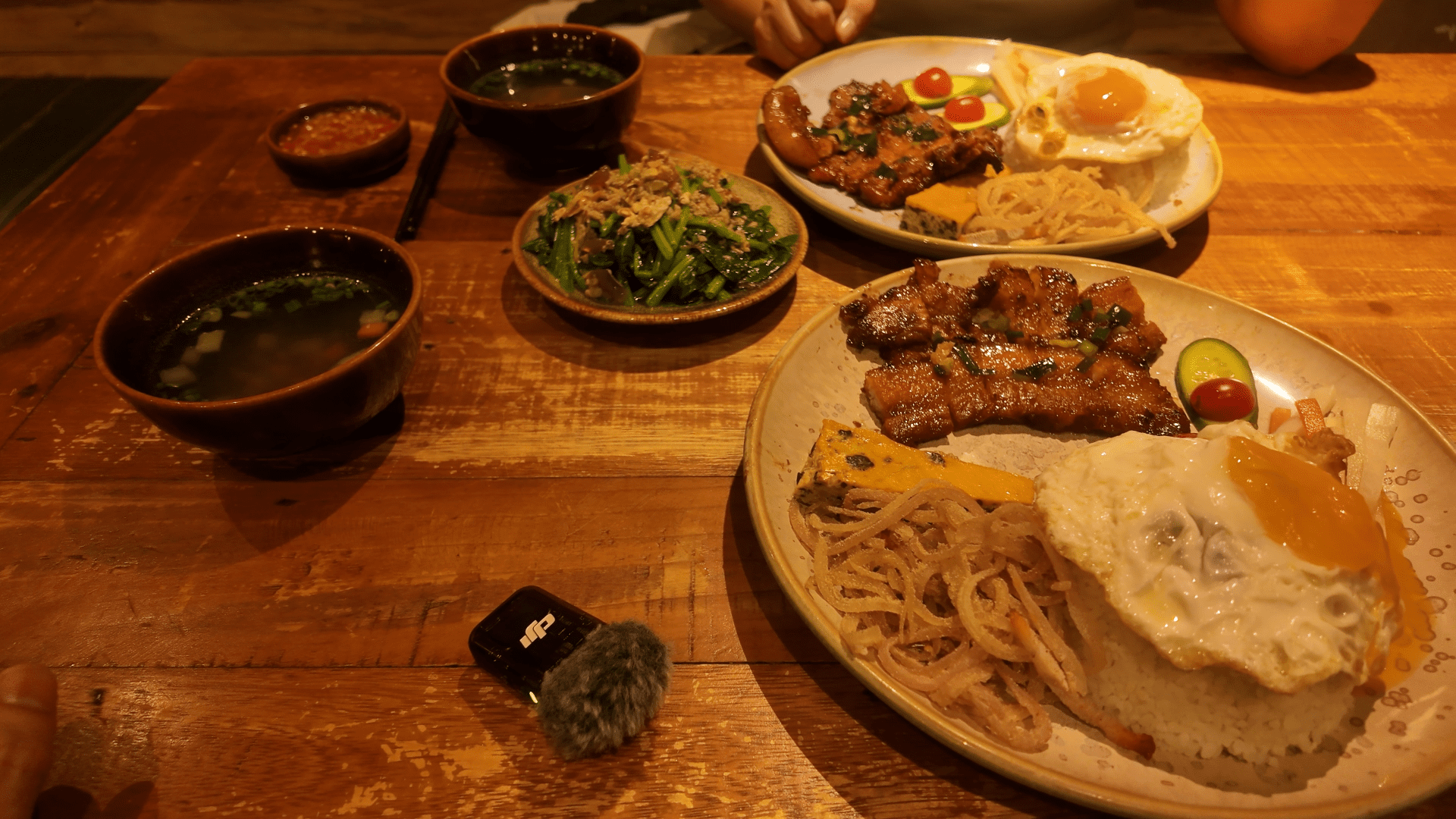
Com tam is a Vietnamese dish you don’t hear enough about outside of the country. It’s built on broken rice — the fractured grains left over from the milling process, originally eaten because they were cheap. The dish has evolved far beyond that. At its best, it’s broken rice served with grilled pork ribs, a fried egg, cucumber, pickled carrots, and a sweet and sour fish sauce that pulls everything together. It’s one of the best dishes in Vietnam, and not enough travellers try it.
Com Tam Op Let 1940 does it exceptionally well. The rice has a slightly chewy texture that takes on the flavour of everything around it. The grilled meats are charred and smoky in exactly the right way. The fish sauce hits the right balance of sweet, sour, and savoury. Everything works together the way it only does when a kitchen has done one thing for a very long time.
We went back to this restaurant twice during our two days in Da Nang. That’s the clearest verdict we can give. If you try one Vietnamese dish outside of pho on this trip, make it com tam. And if you’re in Da Nang, make it here.
📍 Com Tam Op Let 1940 — Google Maps

Final Verdict: Is Da Nang Worth Visiting in 2026?
Bookmark this Da Nang travel guide 2026 before your trip — we update it as prices and hours change.
Yes. Without hesitation.
Da Nang is easy to underestimate. It sits between Hoi An and Hue on Vietnam’s central coast, and a lot of travellers treat it as a transit stop rather than a destination in its own right. That’s a mistake. Two days here gave us a cave system with a theatrical depiction of hell, a stone bowl pho unlike anything we’d eaten in Vietnam, a 32km beach that actually delivered, and a broken rice restaurant we wanted to eat at every single day.
The city is also logistically easy. Grab works reliably across the city. The major attractions are spread out but nothing is more than 20–30 minutes by car. Most street food is cash only — carry small bills, but that’s true anywhere in Vietnam.
Two days covers the highlights comfortably. If you want to go deeper — there are more caves at Marble Mountains than we had time for — add a third day. And Hoi An is only 30km south if you want to extend the trip. Da Nang is not a city you pass through. It’s a city you stay in longer than you planned.
Da Nang Travel Guide 2026: Planning Your Trip
We spent two full weeks in Da Nang, but that was because we were filming and editing the entire time. If you are going just to visit, five days is the sweet spot. You can cover all the highlights without feeling rushed.
Day 1: Hotel Check-In and My Khe Beach
Get settled, then head straight to My Khe Beach. It is one of the longest and most beautiful beaches in Vietnam. Rent a sun lounger, swim, grab some seafood nearby. A good easy first day.
Day 2: Marble Mountains, Lady Buddha, and Son Tra Marina
Full day of sightseeing. Start early at the Marble Mountains before the tour groups arrive, then drive up Son Tra Peninsula to see Lady Buddha, and finish the evening at Son Tra Marina for sunset and dinner.
Day 3: Ba Na Hills
See our full Ba Na Hills guide for 2026 costs, cable car tips, and 7 warnings we wish we knew.
Get there as early as possible, right when it opens. We went first thing in the morning and had the Golden Bridge almost to ourselves. Ba Na Hills gets very crowded as the day goes on, so going early means shorter lines and better photos. We were done by early afternoon, which left the rest of the day free to relax at the hotel or sit at a coffee shop with a Vietnamese iced coffee.
Day 4: Day Trip or Overnight to Hoi An
Grab a car from Hoi An (about 30-45 minutes from Da Nang). Some people do it as a day trip, but we personally think you need to stay overnight to really experience it. The old town at night is completely different from during the day, and there is no rush to get back.
Day 5: Shopping, Wellness, and Han Market
Save the last day for Han Market, picking up souvenirs, and any spa or wellness treatments you have been putting off. Da Nang has excellent and affordable massage and spa options. A good way to wind down before heading out.
Read Next
Da Nang is part of our 202 Days in Asia series. We covered Hanoi just before this — one of the most food-obsessed cities in the world.
- Hanoi Was Voted the World’s #1 Food City. Is It Still Worth It? — watch the episode
- Vietnam Series Playlist — watch the full journey in order
💬 Have you been to Da Nang? What did we miss? Drop it in the comments below — especially if you made it to Lady Buddha and want to tell us what we missed.
If this guide helped you plan your trip, subscribe on YouTube. We post honest food and travel guides across Asia every week.
Is Da Nang worth visiting in 2026?
Yes, completely. Da Nang is one of the most underrated cities in Vietnam. In two days we covered stone bowl pho, the Hell Cave at Marble Mountains, Lady Buddha, My Khe Beach, and one of the best com tam restaurants we ate at in the entire country. It is easy to get around, logistically straightforward, and far more interesting than its beach city reputation suggests.
How many days do you need in Da Nang?
Five days is the sweet spot for a proper visit. Day 1: hotel check-in and My Khe Beach. Day 2: Marble Mountains, Lady Buddha, Son Tra Marina. Day 3: Ba Na Hills and the Golden Bridge. Day 4: day trip to Hoi An (ideally overnight). Day 5: Han Market, shopping, and a spa day before you leave.
What is the best food to try in Da Nang?
The two dishes you must try are stone bowl pho at Pho Bat Da and broken rice (com tam) at Com Tam Op Let 1940. Stone bowl pho is unique to Da Nang — the soup arrives boiling in a superheated stone bowl and stays hot for the entire meal. The com tam at Op Let 1940 was so good we went back twice in two days.
How do you get around Da Nang?
Grab is the easiest and most reliable way to get around Da Nang. It works across the city, prices are low, and wait times are short. Most major attractions — Marble Mountains, Son Tra Peninsula, My Khe Beach — are 15 to 30 minutes from the city centre by car. Carry small cash bills for street food and market stalls, as most do not accept cards.
When is the best time to visit Da Nang?
February to May is the best time to visit Da Nang. The weather is warm and mostly dry, the sea is calm enough for swimming at My Khe Beach, and crowds are manageable. Avoid September and October if you can — that is the rainy season and the region is prone to flooding and typhoons.