
WeChat Pay vs Alipay for Foreigners in 2026: Which One Do You Actually Need?
WeChat Pay vs Alipay — Setting up WeChat Pay Alipay as a foreigner has improved significantly in recent years, but there are still a few steps that trip people up. What Actually Works in China and What You Need to Know
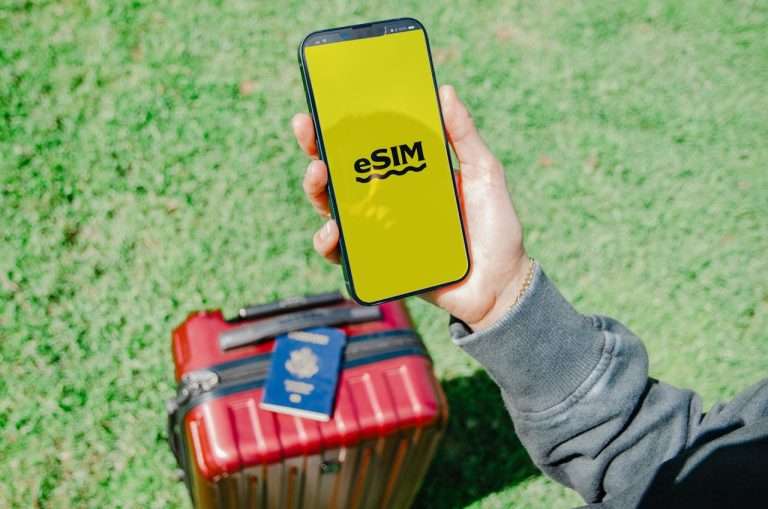
Both payment apps need mobile data to work. Here is the Trip.com eSIM we used in China.
China runs on mobile payments.
Cash is outdated. Credit cards rarely work on their own. If you want to eat, move, shop, or scan a menu, you need either WeChat Pay or Alipay.
This was our first trip to China. We traveled for 50 days using Canadian passports only. No Chinese ID. No Chinese bank account.
Here is how WeChat Pay and Alipay actually worked for us. What felt different. What mattered. And what we would recommend to other foreigners planning a trip.
WeChat Pay vs Alipay — Why Mobile Payments Matter in China
Mobile payments are not optional in China.
You use them for:
• Restaurants and cafes • QR menus • Metro and buses • Convenience stores • Attractions • Shopping • Street food
You will reach a point where cash slows you down and cards stop working. You need these apps to get you through the day to day in China.
What Is WeChat Pay
WeChat Pay lives inside WeChat.
WeChat started as a messaging app and evolved into an all-in-one platform for daily life. Messaging. Payments. Mini programs. Translations. QR codes. Everything lives in one place.
For locals, WeChat is not just a payment app. It is how people communicate and function day to day.
What Is Alipay

Alipay is owned by Ant Group, part of the Alibaba ecosystem.
It started as a payment platform and expanded into services like shopping, transportation, and lifestyle tools.
Alipay feels more structured and straightforward at first. Many foreigners gravitate toward it early in their trip.
Ease of Setup for Foreigners
Both apps required verification.
We linked our Canadian Visa to both WeChat Pay and Alipay without issues. The process felt smooth on both platforms.
Setup was not the deciding factor for us. What mattered more was how each app fit into daily use over time.
💡It’s best to set this up before you leave for China so the verification process is seamless and you don’t end up using roaming.
Where Each App Works Best
Both apps work in all cities we visited.
From our experience:
• Small vendors and local spots leaned slightly toward WeChat Pay • Larger shops and malls accepted both without issue
In practice, acceptance rarely determined which app we used. Both worked.
Verdict Tie. Use whichever one works in the moment.
Additional Features That Matter
We did not use every feature either app offers. We focused on what we actually needed daily.
Features we used often on WeChat:
• Chat translation • QR menu ordering using translation • Mini programs. Specifically for Luckin coffee for daily 9.99 RMB deals. • Metro QR codes • Messaging with hotels, drivers, and contacts
Alipay also supports QR menu ordering and translations. We simply did not rely on it as much over time.
As our trip progressed, more things naturally lived inside WeChat for us. That made it easier to stay in one app instead of switching back and forth.
This was not about one app being better. It came down to habit and comfort.
Payment Fees Foreigners Need to Know
This part rarely gets explained clearly.
Both WeChat Pay and Alipay charge a 3% transaction fee on payments over 200 RMB when using foreign cards.
Payments under 200 RMB avoid this fee.
This applies to both apps.
What we learned on the ground:
• Split larger purchases when possible or we used our credit to avoid the fee. • Ask the merchant if separate payments are okay • Many vendors understand this and help
One shop owner helped splitting a purchase to save us the fee. That was appreciated.
Your bank may still charge foreign transaction fees on top of this. Check your card before traveling. We used Wise and used RMB funds directly from the card so we avoided this issue.
Linking International Credit Cards
Both apps supported our Canadian Visa.
We had no issues paying for food, shopping, or attractions with either app.
The only limitation we experienced was metro access, which required an RMB balance for QR code use. This was a metro system issue, not a general payment issue.
For everyday spending, both apps worked reliably with foreign cards.
WeChat Pay vs Alipay: Which One Should You Use
Use both.
Set up both before you land.
Play around with each app and see what feels natural.
For us, WeChat became our main app. For many travelers online, Alipay remains their preferred option.
This comes down to personal preference.
What matters most is having a backup. When one payment fails, the other often works.
Final Takeaway

There is no single right answer.
WeChat Pay and Alipay both work well for foreigners in China.
What matters is preparation.
Set them up early. Link your card. Understand the 200 RMB fee threshold. Carry some cash. Stay flexible.
Once you do that, payments stop being stressful and start feeling routine.
If you want to see how this played out in real time, our full China travel series is live on YouTube.
This was our first trip to China. It will not be our last.
China Tech Gear Worth Buying Before You Go
Getting payments working in China requires the apps — but your hardware matters too. These are the physical items that made our two months in China manageable.| Item | Why It Matters in China | Buy on Amazon.ca |
|---|---|---|
| Anker Power Bank (20,000mAh) | WeChat Pay, Alipay, Didi, maps, and translation apps drain your phone. Always carry a full charge. | Check price → |
| GL.iNet Travel Router | Set up your VPN on this device and every device on your network gets it automatically. Huge for consistent VPN access. | Check price → |
| MagSafe Wallet (or Slim Card Holder) | You’ll need your foreign card as backup. A slim card attachment keeps it accessible without a full wallet. | Check price → |
| Universal Travel Adapter | China sockets are different from Canadian plugs. One adapter covers you for the whole trip. | Check price → |
Related: New to China? Before you sort payments, check whether the China 240-hour visa-free transit lets you visit without a visa for up to 10 days.





50 days in China with Canadian passports — that is a proper test! Your comparison is really fair. In Shenzhen I have found Alipay edges ahead for the metro system and DiDi rides, while WeChat is better for ordering at local restaurants via mini-programs. The payment split really depends on which city you are in. I wrote a Shenzhen-specific payment guide at shenzhendecoded.com/en/guides/payment-shenzhen covering the quirks for that city.
50 days is a real test of the system, so glad this resonated with you!
That’s a fair point about Shenzhen specifically. We didn’t make it there on this trip, so we can’t speak to how the apps compare in that city. What we can say from our experience across the cities we visited: it really came down to user preference more than anything else. We leaned toward WeChat Pay for the metro, so naturally it became our default.
Thanks for sharing your Shenzhen guide. Anyone heading there specifically will find that city-level detail way more useful than a general overview.