7-Day Japan Itinerary: The Ultimate First-Timer Route (2026)
Planning your first trip to Japan feels like a lot. Where do you even start, how many cities, which ones, and how do you see it all in a week without spending the whole trip on trains. We get it. We’ve been to Japan more than ten times now, it’s our favourite place in the world, and this 7 day Japan itinerary is the exact plan we hand friends flying in for the first time.
Here’s the short version so you can stop stressing. You fly into Tokyo, out of Osaka, and hit three cities in a straight line. Tokyo for the neon, food, and shopping. Kyoto for the temples, a ryokan, and old Japan. Osaka for the best street food in the country. It’s called the Golden Route, and it’s the go-to first time Japan itinerary for one reason: the three cities sit on a single bullet-train line, so you always move forward and never backtrack.
And we’re not the only ones obsessed. Japan just welcomed a record 42.7 million visitors in 2025, up from 36.9 million the year before, so it’s fast becoming everyone’s favourite too. As more friends started asking us how to plan a trip to Japan, we put this guide together to make it simple: the full route through Tokyo, Kyoto, and Osaka, real CAD costs, the trains, the food we fly back for, and the honest stuff nobody tells you.
This is the mid-range way to do it. Everything you actually want without going overboard, splurging on a few things, an omakase and a ryokan night, to experience Japan the right way.
Full disclosure: Ian and I love Tokyo so much we could spend months there without getting bored, and there’s easily enough to fill seven days in the city alone (a Tokyo-only guide is coming later). But if you want to see as much of Japan as you can in one week, this is the route to follow.
🚶 Shibuya Crossing after dark
🍗 Konbini + Don Quijote night run
🔌 Ueno + Akihabara
🏮 Shinjuku: Golden Gai & Kabukicho
🛍️ Ginza flagships
🍣 Miko Sushi uni omakase (book early)
⛰️ Fushimi Inari torii gates
🏮 Evening in Gion
🏯 Kinkaku-ji + Kiyomizu-dera
🏚 Ryokan kaiseki night
🍼 Super Nintendo World
🍪 Dotonbori food crawl
🛍️ Big Don Quijote shopping haul
✈️ Kansai Airport (KIX)
🌇 Giant Todai-ji Buddha
🚆 Half-day between Kyoto & Osaka
What’s in this 7 day Japan itinerary
- Japan first-timer basics
- Getting from the airport to Tokyo
- Days 1–3: Tokyo
- Days 4–5: Kyoto
- Days 6–7: Osaka
- Trains and why we skip the JR Pass
- What this 7 day Japan itinerary costs
- First-timer mistakes to avoid
- FAQ
Japan first-timer basics: what you need to know
Before the day-by-day of this 7 day Japan itinerary, five things that make the whole trip smoother. Sort these first and the rest is easy.
Fly into Tokyo, out of Osaka. A “multi-city” or “open-jaw” ticket lets you land in Tokyo and leave from Kansai (KIX) without backtracking. You save a full day and a Shinkansen fare.
Get an IC card on arrival. Suica, PASMO, or ICOCA all do the same job: tap on and off every train, bus, and convenience store. Don’t overthink it. Full details in our Japan IC card guide.
Skip the JR Pass. The 7-day pass is ¥50,000 in 2026, and rises to ¥53,000 through overseas agents from October 1, 2026. This route uses maybe ¥16,000 of trains. Buying singles saves you real money, and the full math is in our Is the Japan Rail Pass worth it? breakdown.
Sort data before you land. An eSIM is cheaper and easier than pocket wifi. We used one across five countries in our Trip.com eSIM review.
Carry some cash. Small restaurants, shrines, and markets are still cash-only. Pull ¥20,000 from a 7-Eleven ATM on day one, and keep coins for the vending machines. The hot canned coffee is a habit fast, Ian had us stopping for one about six times a day.
Sort your entry before you fly. Most Western passports get 90 days in Japan visa-free, so there is no visa to arrange. Fill out Visit Japan Web before you land and you get QR codes for immigration and customs. It skips the paper forms and drops you in the faster lane at the airport.
Late March to early April brings cherry blossom, the busiest, priciest, most magical time to go. Late October to November gives you red autumn leaves and thinner crowds. Skip June to August if you can, it runs hot and humid. January and February are cold but cheap and quiet. This exact route works in any season, only your packing changes.
A few things sell out. Reserve these the moment your dates are set, and you can wing the rest.
- Miko Sushi uni omakase — books out weeks ahead on Tabelog.
- Ryokan night in Kyoto — the good ones go early, especially in blossom and autumn season.
- Universal Studios Japan — buy dated tickets ahead, add Express if you hate lines.
- Shinkansen seats — reserve Tokyo to Kyoto a day or two out.
- Skyliner airport train — grab it before you fly.
No tipping, ever, it can come across as rude. Keep your voice down on trains and take calls to the vestibule. Slurp your noodles, it is a compliment. Shoes off where you see a step up or lined-up slippers. Stand to one side of the escalator and let people pass, left in Tokyo, right in Osaka. Carry a small bag for your rubbish, public bins are rare. Nobody expects you to be perfect, a little effort goes a long way.
Getting from the airport to Tokyo
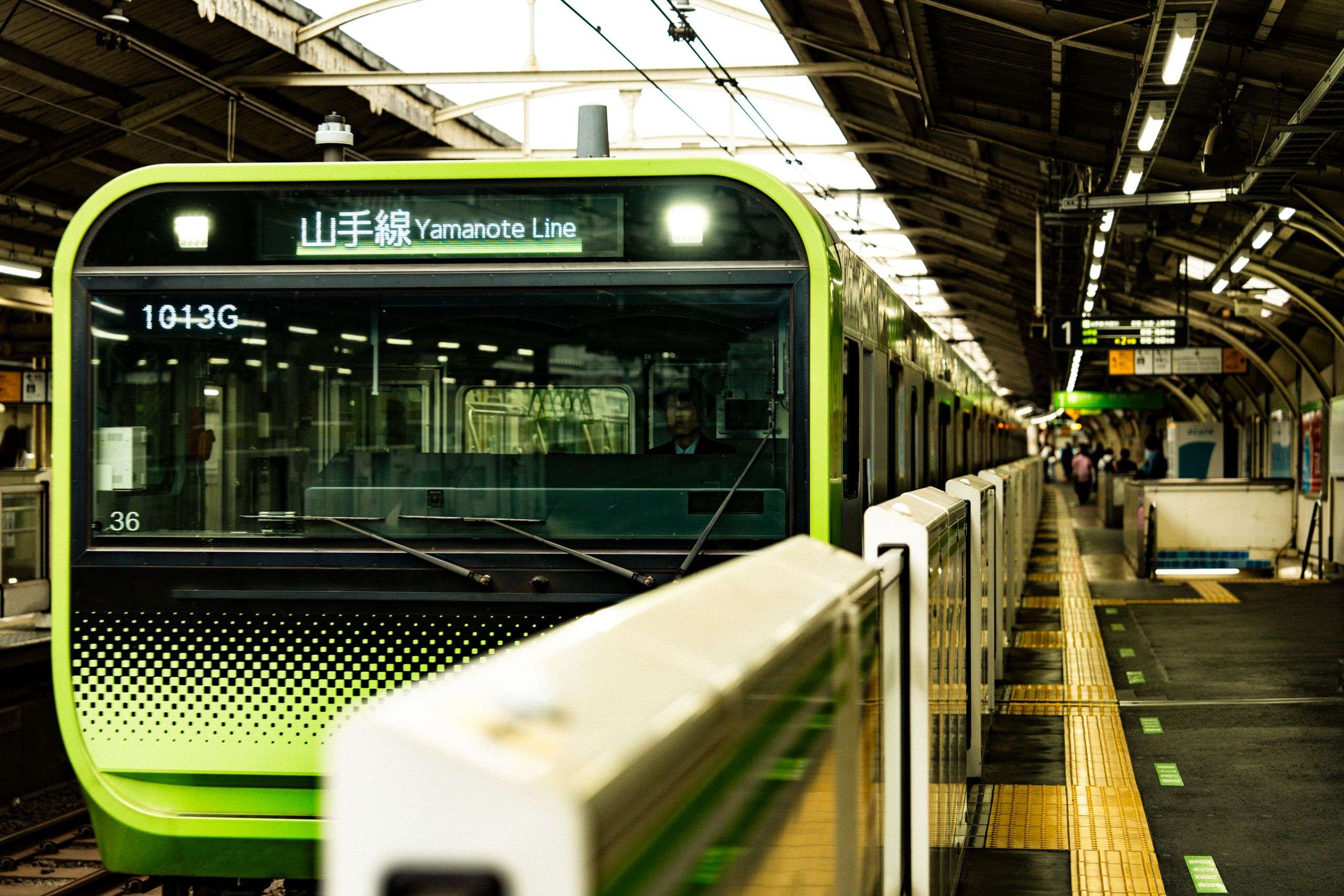
Every 7 day Japan itinerary starts at the airport. We usually land at Narita, and the fastest way in is the Keisei Skyliner: Narita to Nippori and Ueno in about 41 minutes, reserved seats, no traffic.
Always book the Skyliner through Klook before you fly. It’s a little cheaper, and you redeem it at a separate, much shorter counter instead of the long ticket line. Walk off the plane, grab your ticket, go.
Landing at Haneda instead? You’re closer to the city, so just take the Tokyo Monorail or Keikyu Line and tap through with your Suica.
Don’t want to drag a suitcase around on arrival day? Ship it. Japan’s takkyubin delivery takes your bag from the airport (or any convenience store or hotel desk) straight to your hotel, so it’s waiting at check-in and you head into sightseeing mode with just a day bag. Works city-to-city too, so your case can meet you in Kyoto while you ride the Shinkansen light. About ¥2,000 a bag. Book luggage delivery through Klook.
Days 1–3: Tokyo
The first three days of this 7 day Japan itinerary are all Tokyo, from old temples to neon crossings.
Day 1: Land, settle, and the iconic Shibuya Crossing
You’ll land jet-lagged. Don’t fight it with a packed day. Get into the city, drop your bags in Shinjuku or Shibuya (central, walkable, on every line), and ease in.
On a trip this fast, staying central and near a major station saves you real time. Here’s how we’d choose in Tokyo, by your style:
Shinjuku — the best all-rounder. A giant transport hub on every line, endless food and nightlife, fast to everywhere. Our default for first-timers.
Shibuya — pick this for nightlife, shopping, and being right in the buzz. Young, busy, walkable to Harajuku.
Ginza — for luxury shopping and a calmer, upscale base. Polish over chaos.
Asakusa — cheaper and traditional, old-Tokyo charm by Senso-ji, though a little further from the action.
Tokyo Station / Marunouchi — central and handy for the Shinkansen to Kyoto. We’ve stayed at the Akihabara Washington Hotel nearby, a clean, well-priced business hotel right by the station with fast links everywhere.
Kyoto: near Kyoto Station for convenience, or Gion / Higashiyama for atmosphere (or the ryokan below).
Osaka: Namba or Dotonbori to be in the food and nightlife, or Umeda for a calmer, more modern base.
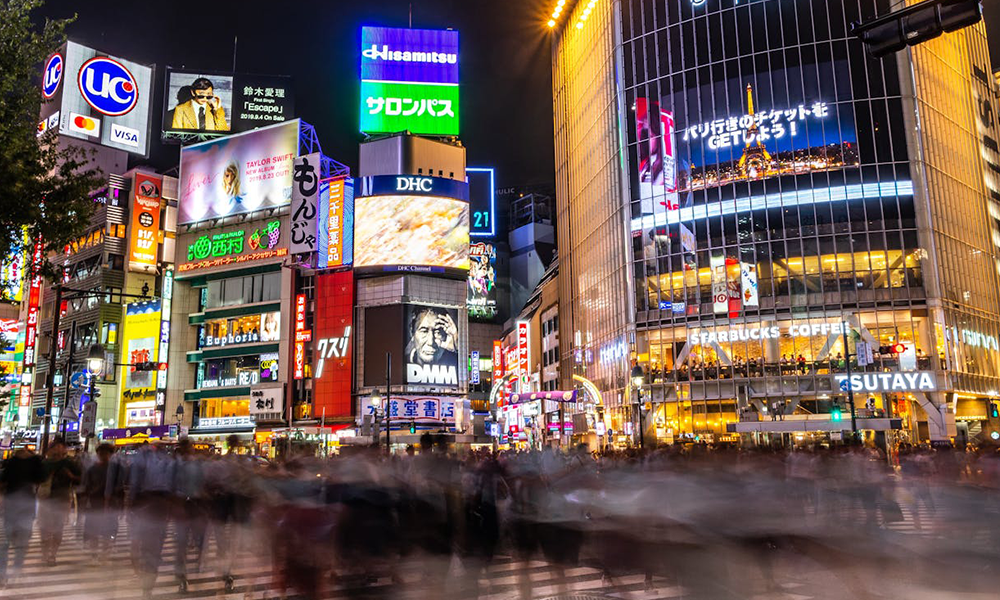
When the lights change, a thousand people surge across from every direction at once. This is the shot people picture when they picture Tokyo. Cross it, then get up high for the view: the second-floor Starbucks, the Mag’s Park rooftop, or Shibuya Sky for the full aerial. Best after dark.
Shibuya isn’t just the crossing, it’s a streetwear paradise, and it’s where Ian and I always shop. We hunt everything from Human Made and Beams to Porter bags and the Japan-only North Face Purple Label.
Cat Street, running up toward Harajuku, is lined with more. For the full label rundown, plus tax-free tips and the buys we bring home, see our Shopping in Japan guide.
For the evening, duck into a small izakaya or a bowl of ramen near your hotel. Stay awake until at least 9pm local time and the jet lag sorts itself out faster.
Stock up on essentials so the rest of the trip is easy. At the convenience store we grab snacks and an Alinamin Night Recover shot. Fair warning: it tastes like medicine, genuinely a bit horrible, but it works. We woke up noticeably more refreshed, which after a long-haul flight is all that matters.
Then a Don Quijote (“Donki”) run for a box of Kao MegRhythm steam eye masks (self-heating, melt away flight-tired eyes) and Quality 1st Derma Laser Super VC100 vitamin-C sheet masks. Sorted on night one.
Day 2: Old Tokyo and neon Tokyo
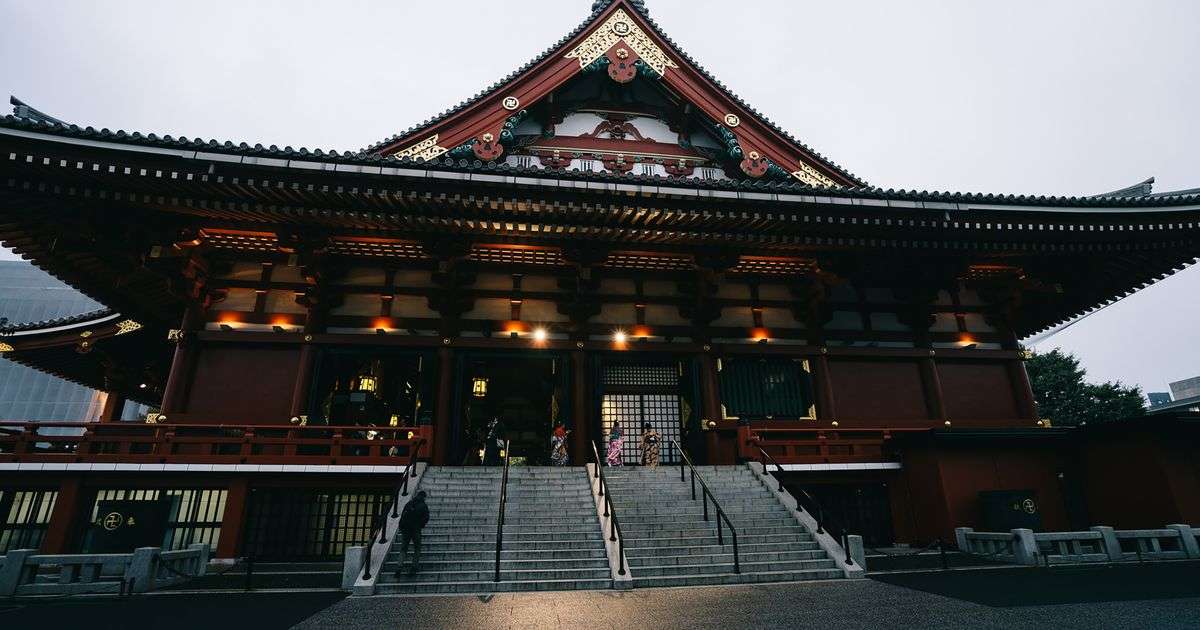
Start early at Senso-ji in Asakusa before the crowds, and walk Nakamise street for snacks. Then Ueno for the park and market, and Akihabara for the electric-town chaos.
At night, go big in Shinjuku: Omoide Yokocho for grilled skewers, Golden Gai for tiny bars, and the Kabukicho lights. This is the Tokyo you pictured.
If you love Disney, swap one Tokyo day for Tokyo DisneySea or Disneyland. We adore both and the experience is nuts, DisneySea especially is unlike any Disney park in the world. Go hungry, the park food is incredible, and do not leave without the popcorn. It eats a full day, so only do it if you’re a real fan.
Want the Mount Fuji view? Trade a Tokyo day. This route skips Fuji, the honest tradeoff of three cities in a week. If the postcard shot is a must, swap one Tokyo day for a day trip to Lake Kawaguchiko or Hakone, get Fuji from the water or a ropeway, then rejoin the plan the next morning. Add it only if you would regret the trip without it, because it costs you a full day in Tokyo.
Day 3: Ginza shopping and our two favourite meals
Start at Meiji Shrine and the forest around it, then Harajuku, a shopping hub in its own right, Takeshita Street for wild youth fashion and crepes, Cat Street for streetwear and boutiques. In the afternoon, head to Ginza: Dover Street Market, the Uniqlo flagship, and Onitsuka Tiger for the sneakers you’ll actually wear home.
But we keep coming back to Ginza for two restaurants. Every single trip.
Uni is sea urchin: rich, creamy, buttery-sweet, like a spoonful of the ocean. Miko Sushi Ginza serves it omakase style, all you can eat.
How it goes: an assortment of sushi first, then the uni, in a crisp seaweed cone and as sushi. When you’re done, they ask if you want more. You keep going until you’re happy.
Booking: the all-you-can-eat uni is the lunch session (about ¥10,000–11,000) and it’s brutally hard to get, so reserve early on Tabelog. No lunch? Dinner is the “Uni Paradise” omakase (about ¥15,000), not unlimited but still plenty.
Kagari Ginza is a few minutes away: paitan chicken ramen, thick and creamy, and the truffle bowl is our pick. One catch worth knowing.
The Ginza branch quietly raised its prices, our truffle bowl hit ¥3,000. A local friend told us it’s jacked up only at Ginza, the branch tourists find on Google. The other locations charge normal prices and barely have a line. Go to Ikebukuro (Echika Ikebukuro), Otemachi, or Roppongi Hills and order the truffle. Same ramen, smaller bill.
Want more Tokyo food ideas? Our Tokyo food guide covers the meals worth planning your day around.
Days 4–5: Kyoto
The middle of this 7 day Japan itinerary slows right down in Kyoto.
Day 4: Shinkansen to Kyoto, temples at golden hour
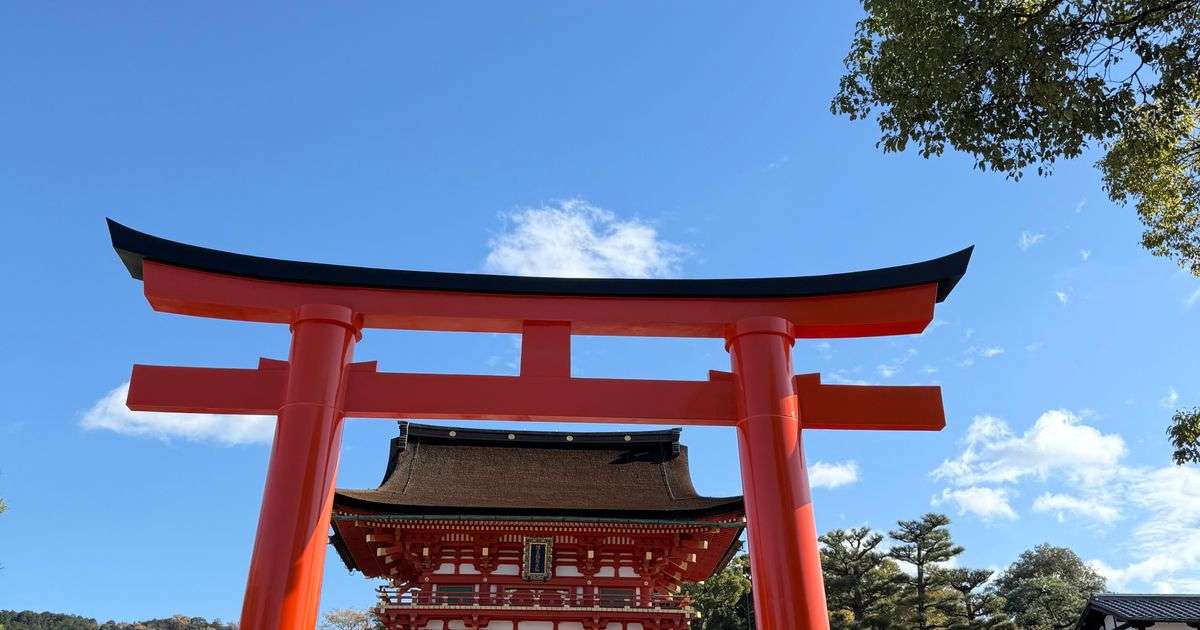
Take a morning Shinkansen from Tokyo to Kyoto (about 2h15). Drop your bags, then go straight to Fushimi Inari, the shrine with thousands of orange torii gates. Go late afternoon: the day-trip crowds thin and the light through the gates is unreal. Climb at least to the halfway lookout.
Evening in Gion, the old geisha district. Quiet lanes, wooden machiya houses, maybe a glimpse of a geiko heading to work. Be respectful with photos, the small streets have rules now.
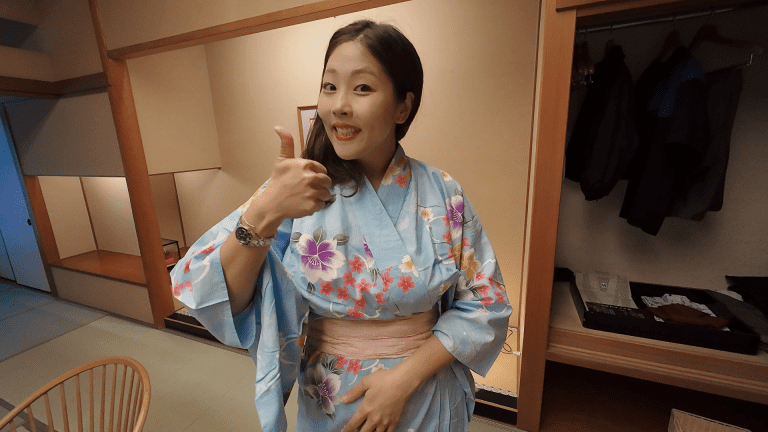
A ryokan is a traditional Japanese inn, and a night in one is an experience, not just a bed. Tatami-mat rooms, futons on the floor, a soft yukata robe, and an onsen hot-spring bath.
The magic is the food: a multi-course kaiseki dinner of small seasonal dishes served to you, and a full Japanese breakfast the next morning. It is the most “we’re really in Japan” night of the trip.
Cost: roughly $250–$600 CAD a night for two, dinner and breakfast included, which softens the price since two meals are handled. Browse Kyoto ryokan with meals on Booking.com.
Day 5: Bamboo, gold, and market food
Morning in Arashiyama for the bamboo grove (early beats the crowd), then the Kinkaku-ji golden pavilion. Afternoon at Kiyomizu-dera and the sloping Higashiyama lanes, packed with pottery shops and matcha stands.
Graze Nishiki Market for lunch and snacks, and save room if you booked a ryokan kaiseki dinner. Kyoto is where you slow down and take the temples in, not tick them off.
Kyoto’s big sights are genuinely crowded from mid-morning on. Front-load your day. First entry at Fushimi Inari, Arashiyama, or Kiyomizu-dera is a completely different, calmer experience. Set an alarm.
Days 6–7: Osaka
This 7 day Japan itinerary ends loud, in Osaka, the country’s kitchen.
Day 6: Your pick, Osaka Castle or Super Nintendo World
Osaka is 15 minutes from Kyoto by train (about ¥580, no Shinkansen needed). Check in, drop your bags, and pick your day.
Honest take: if we had to choose, we’d go Universal for Super Nintendo World every time. But if theme parks aren’t your thing, Osaka Castle is the classic call and leaves more time to eat.
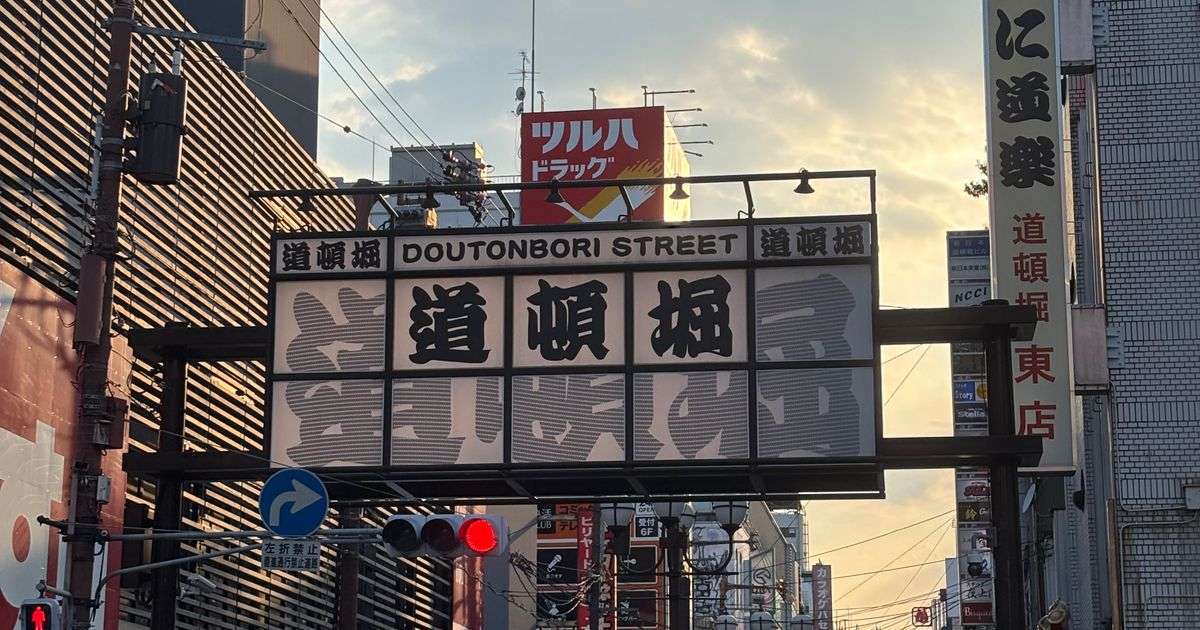
Either way, spend the evening in Dotonbori. Takoyaki, okonomiyaki, kushikatsu, and the giant Glico sign. This is the loudest, most fun night of the trip.
Day 7: Shopping haul, last bites, then fly out
Save your big shopping for Osaka so you’re not lugging bags across the country. Hit Kuromon Ichiba Market for a seafood breakfast, then do your damage before the airport.
Donki is a maze of everything you’d want to bring home: snacks and Kit Kats, makeup and skincare, souvenirs, gadgets, character goods, usually cheap and open late. Do the big haul here in Osaka near the end so you’re not dragging bags through Tokyo and Kyoto. Bring your passport for tax-free, and pack a spare bag for the flight home.
Kansai Airport (KIX) is about 50 minutes from central Osaka by the Nankai or Haruka train, so leave a buffer and end the trip without a rush.
Nara sits between Kyoto and Osaka (about 45 minutes from either). Bowing deer, the giant Todai-ji Buddha, far fewer crowds. If you can stretch to 8 days, slot it in as a half-day between cities.
Getting between cities (and why we skip the JR Pass)
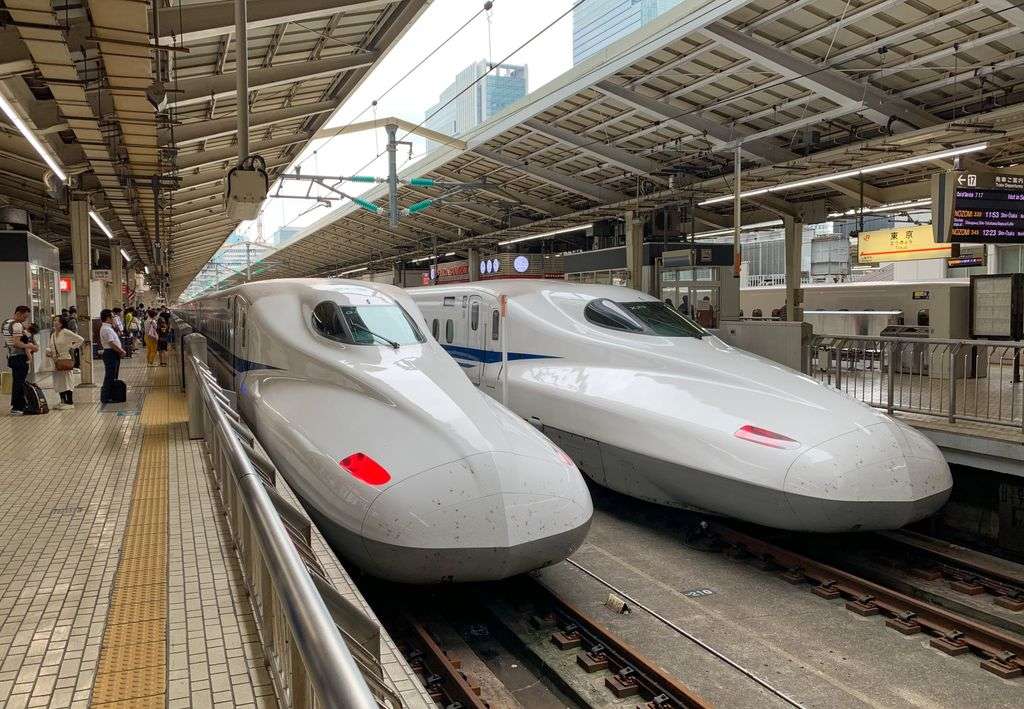
This is where first-timers overspend. The 7-day JR Pass is ¥50,000 in 2026. Here’s what this route actually costs in singles:
Singles cost about a third of the pass. Put the difference toward better meals. The JR Pass only pays off on long detours like Hiroshima, and this route doesn’t do those. City trains go on your Suica, separate from the Shinkansen tickets. Book seats via the official Japan Guide Shinkansen resource or at the station machine the day before.
What this 7 day Japan itinerary costs in CAD
A quick word on the numbers, because budgets online are all over the place. This 7 day Japan itinerary, the way we’d really do it, uses 2026 market averages cross-checked against what we actually pay, with the yen around ¥115 to $1 CAD (about ¥159 to $1 USD in 2026): the Miko Sushi uni omakase, a ryokan night in Kyoto, a day at Universal, and a proper Don Quijote haul. Nothing padded. Flights are separate and swing a lot by season.
On this 7 day Japan itinerary, the big swing factors are the omakase, the ryokan, the theme park, and shopping, and it’s money well spent. Want to spend less? Skip the omakase and Universal, sleep in hostels, lean on konbini and ramen, and the ground total drops under $1,000. Want to spend more? Donki will happily help.
Some links in this post are affiliate links. If you book through them we may earn a small commission at no extra cost to you. It helps keep our guides free.
First-timer mistakes to avoid
A few things we’d tell anyone doing this 7 day Japan itinerary for the first time.
One more: don’t try to add a fourth city. Seven days across Tokyo, Kyoto, and Osaka is full. Cram in Hiroshima or Hakone and you’ll spend the trip on trains instead of in Japan.
FAQ
When is the best time to visit Japan?
Spring (late March to early April) for cherry blossom and autumn (late October to November) for red leaves are the two best windows, with the nicest weather and the biggest crowds in blossom season. Summer is hot and humid, winter is cold but cheap and quiet. This 7 day Japan itinerary runs the same in any season.
Is 7 days enough for Japan?
Yes. This 7 day Japan itinerary is built around the Golden Route, and seven days covers Tokyo, Kyoto, and Osaka at a good pace with time for food and wandering. To add Hiroshima, Hakone, or the Japanese Alps, stretch to 10–14 days.
Should I get the JR Pass for this itinerary?
No. This route’s trains cost about ¥16,000 in singles versus ¥50,000 for the 7-day pass. Buy individual tickets. See our full JR Pass breakdown.
Disneyland in Tokyo or Universal in Osaka?
Whichever fits your trip. Tokyo has DisneySea and Disneyland (DisneySea is one of a kind), Osaka has Universal with Super Nintendo World. Each is a full day, so pick one unless you’re a serious park fan. If we had to choose just one, we’d pick Universal.
Which IC card, Suica, PASMO, or ICOCA?
Any of them. They all work on trains, buses, and at convenience stores across all three cities. Grab whichever is available when you land. Details in our IC card guide.
Is Japan expensive right now?
Less than you’d think. The weak yen in 2026 makes it one of the best-value developed countries. Our way, with an omakase, a ryokan, a theme park, and shopping, a week runs about $1,950 CAD on the ground plus flights. Strip the splurges and you’ll do it for well under $1,000 on the ground.
Final word on this 7 day Japan itinerary
Three cities, no wasted days, the best uni in Tokyo, a ryokan night in Kyoto, and a shopping haul in Osaka. Land in Tokyo, eat your way to Osaka, fly home full.
Going further into Asia after Japan? Browse our full destinations guide. And for the slow-down, hot-spring version, our Japan onsen guide is the perfect add-on.
Planning as you read? Follow along on Instagram @chasing.jenny for real-time Japan tips.