Is the Japan Rail Pass Worth It in 2026? An Honest Canadian Answer
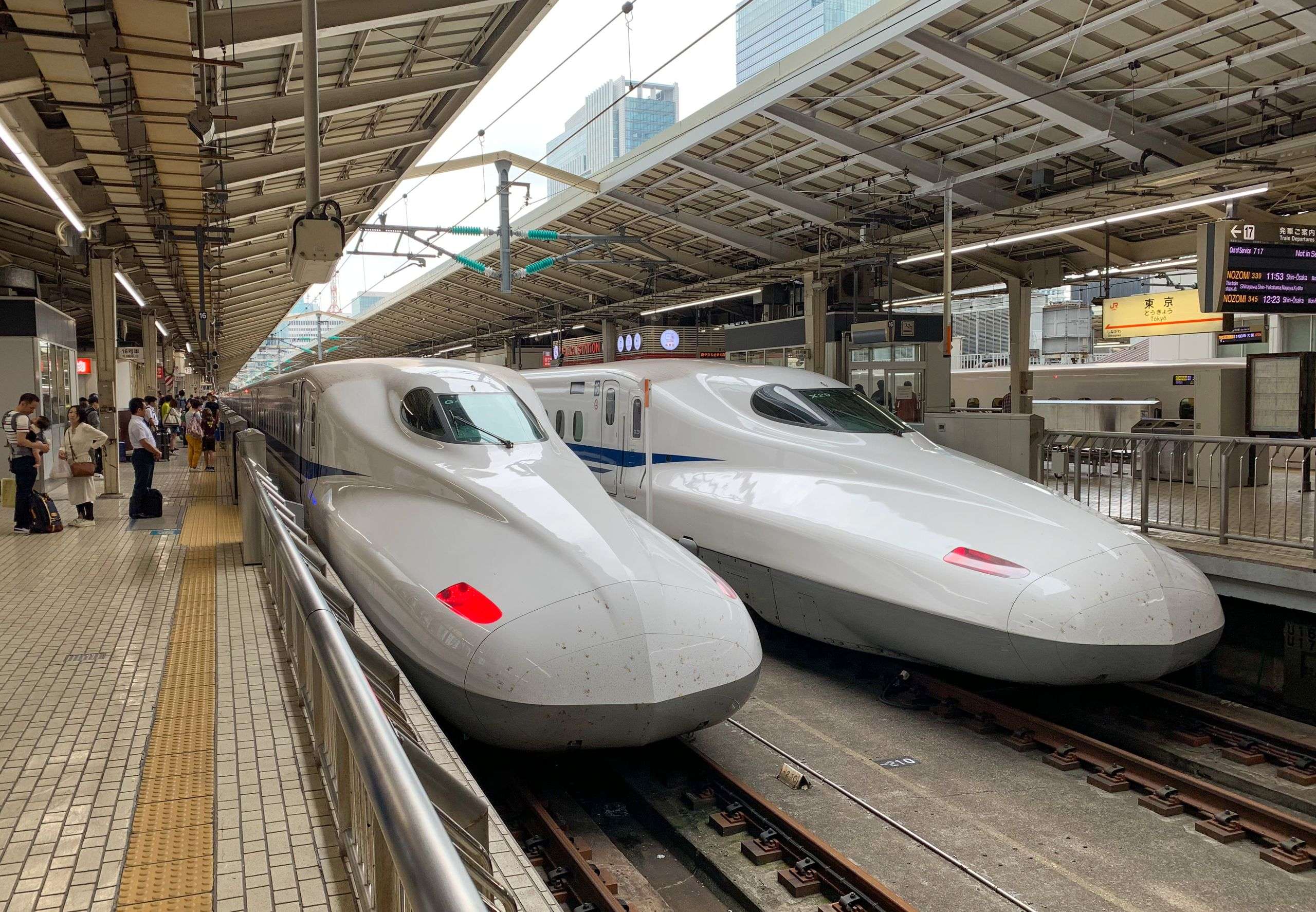
Is the Japan Rail Pass worth it in 2026? The short answer: for most travelers doing the classic Tokyo–Kyoto–Osaka route, the Japan Rail Pass is NOT worth it in 2026.
We know that’s not what the travel blogs have been telling you. But after running the actual numbers – and riding the Shinkansen ourselves – the math is clear. A round-trip Shinkansen between Tokyo and Kyoto costs ¥27,940 (~$260 CAD). The 7-day Japan Rail Pass costs ¥50,000 (~$460 CAD). That’s a $200 CAD difference before you’ve added a single extra leg.
Here’s the full breakdown so you can decide for yourself whether the Japan Rail Pass is worth it in 2026 for your specific trip.
What Is the Japan Rail Pass?
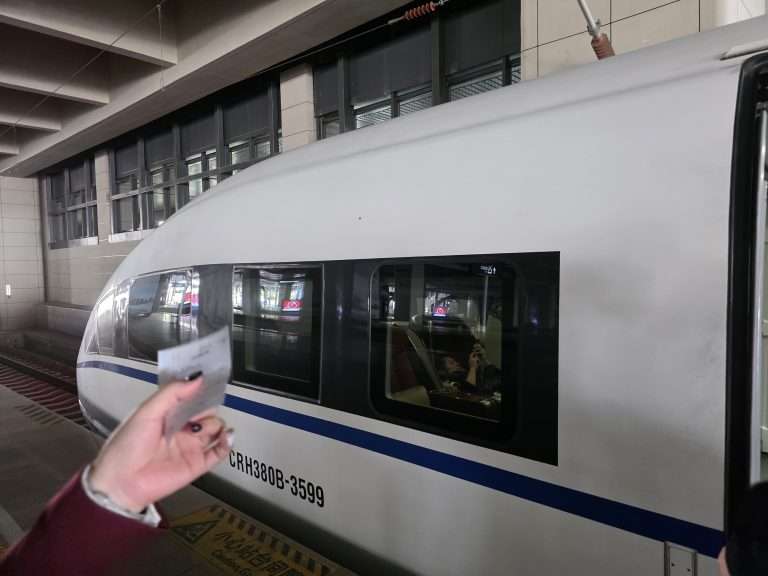
The Japan Rail Pass (JR Pass) is a prepaid unlimited train pass available only to foreign tourists visiting Japan. It covers most JR-operated trains – including the Shinkansen (bullet train), local JR lines, and some ferries and bus routes.
You buy it before you leave home – it cannot be purchased inside Japan anymore (that rule changed in October 2023). It activates the first day you use it and runs for 7, 14, or 21 consecutive days.
Sounds like a no-brainer, right? It used to be. Then came the 2023 price hike – a 70% increase that changed the math for most travelers. And another 6% increase is coming in October 2026.
How Much Does the Japan Rail Pass Cost in 2026?
Here are the current prices in Japanese Yen and approximate Canadian dollars (based on ¥1 ≈ $0.0092 CAD as of June 2026):
| Pass Duration | Ordinary Car (¥) | Approx. CAD | Green Car – 1st Class (¥) | Approx. CAD |
|---|---|---|---|---|
| 7-day | ¥50,000 | ~$460 | ¥70,000 | ~$645 |
| 14-day | ¥80,000 | ~$735 | ¥110,000 | ~$1,010 |
| 21-day | ¥100,000 | ~$920 | ¥140,000 | ~$1,290 |
Japan Rail Pass vs. Individual Tickets: The Real Math
This is the table that changes everything. Here’s what the most popular Shinkansen routes cost if you buy individual tickets – and how they stack up against the 7-day Japan Rail Pass worth it calculation:
| Route | One-Way (¥) | Round Trip (¥) | Round Trip (CAD) | vs. 7-Day Pass (¥50,000) |
|---|---|---|---|---|
| Tokyo → Kyoto | ¥13,970 | ¥27,940 | ~$257 | Save ~$190 CAD buying individually |
| Tokyo → Osaka | ¥14,720 | ¥29,440 | ~$271 | Save ~$175 CAD buying individually |
| Tokyo → Hiroshima | ¥19,440 | ¥38,880 | ~$358 | Save ~$95 CAD buying individually |
| Tokyo → Hakata (Fukuoka) | ¥23,390 | ¥46,780 | ~$430 | Near break-even – add one city and pass wins |
| Tokyo → Sapporo (Hokkaido) | ¥22,000 | ¥44,000 | ~$405 | Add one more long leg and pass pays off |
The break-even point: Your total JR-covered travel needs to exceed ¥50,000 within the 7-day window. For a classic Golden Route trip (Tokyo → Kyoto → Osaka → back to Tokyo), you’re looking at about ¥29,000–33,000 in individual tickets – well under the pass price.
When Is the Japan Rail Pass Worth It in 2026?
Don’t write it off entirely. The JR Pass makes financial sense if any of these apply:
- You’re covering a lot of ground fast. Tokyo, Kyoto, Hiroshima, and Fukuoka in one week? The numbers flip in your favor once that Fukuoka or Hiroshima leg is in the mix.
- You’re going to Kyushu or Hokkaido. Long Shinkansen legs to remote regions add up fast. A Tokyo–Sapporo round trip alone is ~¥44,000 – add local JR lines in Hokkaido and you’re well past break-even.
- You want zero logistics stress. The JR Pass is a convenience product. No per-trip reservations to manage. If you hate planning every leg, that peace of mind has real value.
- You’re traveling 14+ days with a packed itinerary. The 14-day pass at ¥80,000 absolutely pays off once you’re stringing together 6–8 long-distance trips.
- You’re booking before October 2026. Lock in the current ¥50,000 rate before the next price hike hits.
When to Skip the Japan Rail Pass
- You’re doing the Golden Route only (Tokyo–Kyoto–Osaka and back)
- Your trip is under 10 days and you’re spending most of it in 1–2 cities
- You plan to use budget airlines between cities (Peach, Jetstar, Skymark)
- You’re traveling after October 2026 – the price hike makes it even harder to break even
- You prefer spontaneous itinerary changes – individual tickets are actually more flexible
How to Book Shinkansen Tickets Without the JR Pass
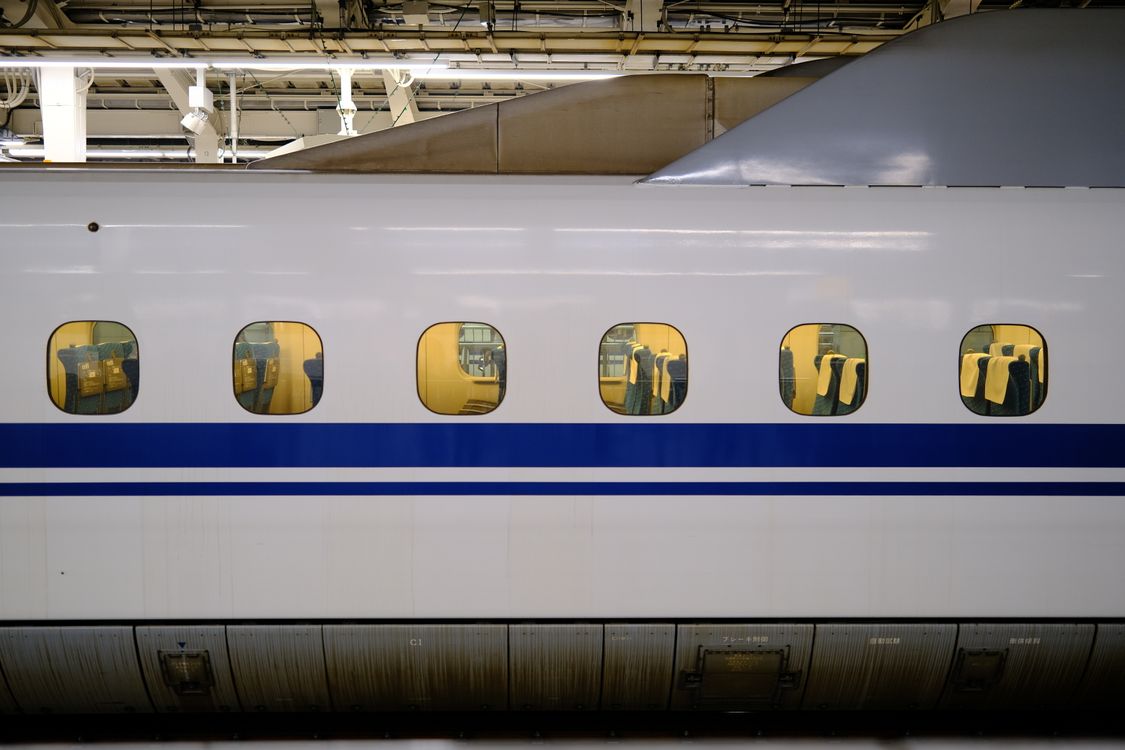
Skipping the JR Pass doesn’t mean complicated booking. Here’s exactly how we do it:
At the station: JR Ticket offices (みどりの窓口) at any major station sell individual Shinkansen tickets. English-speaking staff available at most big stations. Pay by card or cash. Budget 20–30 minutes during peak season.
Online via Trip.com: Book specific seats in advance, pay in CAD, and pick up tickets at the station. We use this when we want reserved seats on busy routes – especially during Golden Week or cherry blossom season when trains fill up weeks out.
IC Card for city transport: Get a Suica or ICOCA card at any major JR station. These cover local JR trains, subways, and buses – and the JR Pass doesn’t cover most city subway lines anyway. Top up as you go. You’ll need one regardless of whether you buy the pass.
Which Japan Rail Pass Should You Buy? Duration, Class, and Ordering
Duration: 7, 14, or 21 days? Most travelers doing the Golden Route (Tokyo-Kyoto-Osaka) only need 7 days. Get 14 days if you’re adding Fukuoka, Hiroshima, or a Kyushu detour. Only consider 21 days if you’re covering multiple regions like Tohoku, Kyushu, and Hokkaido – and even then, run the math first.
Ordinary vs Green Car (First Class)? Ordinary class on the Shinkansen is already comfortable – wide reclining seats, tray table, solid legroom. The Green Car adds more seat width and a quieter car for ¥20,000 more on a 7-day pass (~$180 CAD extra). Our take: Ordinary class is fine for routes under 3 hours. Green Car makes sense if you’re doing multiple long hauls (Tokyo to Fukuoka is 5+ hours) and want to arrive fresh. For the Golden Route, skip the upgrade.
How to order: Buy before you leave home – the JR Pass cannot be purchased inside Japan. Klook ships to Canada for free (allow 6 business days) or express (4 business days). They also include a free JR Pass Digital Guide at checkout. Order at least 2-3 weeks before your departure. Check current JR Pass prices on Klook – prices update regularly and Klook often has deals.
Our Honest Verdict: What Two Canadians Would Do
Before our trip, we sat down and ran the actual numbers for our itinerary: Tokyo, Nikko day trip, Kyoto, Nara day trip, Osaka, Hiroshima.
The JR Pass lost. Individual tickets for our route came to roughly ¥33,000 – well under the ¥50,000 pass. We figured it would be more worth it to put that money towards a very good dinner instead.
If our itinerary had included Fukuoka or a Hokkaido extension, we’d have recalculated. But for the trip we actually took? Skip the pass. That is our honest take on whether the Japan Rail Pass is worth it in 2026.
Before you buy anything, plug your exact routes into the Japan Guide JR Pass Calculator. It takes five minutes and gives you a definitive answer for your specific itinerary. That’s the only number that matters.
Japan Rail Pass FAQ
Can I buy the Japan Rail Pass inside Japan?
No. Since October 2023, the JR Pass must be purchased before you arrive in Japan. You can buy it through authorized overseas dealers or via Klook before departure.
Does the JR Pass cover the Tokyo or Osaka subway?
No. The JR Pass covers JR-operated lines only. Tokyo Metro, Osaka Metro, and most city subways are separate – you need a Suica or ICOCA IC card for those.
Does the Japan Rail Pass include seat reservations?
The pass covers the base fare. Seat reservations on busy Shinkansen routes cost extra (¥530–¥840 per trip). You can reserve at ticket machines with your pass. Note: the fast Nozomi and Mizuho Shinkansen are not covered by the JR Pass – use the Hikari or Sakura trains instead.
Is the JR Pass refundable?
If unused, you can refund it (minus a 10% handling fee) at certain sales offices before activation. Once activated, no refunds. Buy it close to your travel date to keep options open.
Should I buy the JR Pass before the October 2026 price hike?
If your itinerary justifies the pass and you’re traveling in late 2026, yes – buy before October 1 to lock in the current ¥50,000 rate. The 21-day pass sees the biggest jump, rising to ¥105,000 after October.
Klook.com
More Japan posts from our 202-day Asia trip: