China Visa Free for Canadians 2026: Everything You Need to Know
China visa free for Canadians became official on February 17, 2026 — and this guide covers everything china visa free canadians need to know before booking. We spent 50 days in China the year before, jumping through every visa hoop: consulate appointment, detailed itinerary, proof of accommodation, $140 CAD fee. All of that is gone now.
Then in February 2026, China quietly added Canada to its 30-day visa waiver list.
If you’ve been putting off a China trip because of the visa process, that excuse is gone.
Here’s exactly what changed, who qualifies, and what you actually need to prepare before you land.
What Changed: The Short Version
From February 17 to December 31, 2026, Canadian citizens holding ordinary passports can enter mainland China visa free and stay for up to 30 days per visit, covering tourism, business, family visits, and transit.
No consulate appointment. No $140 fee. No itinerary submission. Show up with your passport and go.
The policy was announced directly by the Chinese Embassy in Canada on February 15, 2026. You can read the official notice here.

China Visa Free Canadians: Who Qualifies
You qualify if you hold a Canadian ordinary passport. This is the standard civilian passport issued to Canadian citizens for personal travel.
You do not qualify under this waiver if you hold:
- A diplomatic passport
- An official or service passport
- A military travel document
The waiver also does not cover travel to China for work, study, journalism, or long-term stays. Those still require a visa through the standard process.
How Long Can You Stay
Up to 30 consecutive days per entry.
Multiple entries are allowed within the waiver period (February 17 to December 31, 2026), but each visit resets the 30-day clock. There is no official cap on how many times you can re-enter, but immigration officers have discretion. Do not use this as a long-term stay workaround.
What You Actually Need to Bring
Even without a visa, you still need a few things sorted before you land.
1. A valid Canadian passport
Your passport needs at least 6 months of validity beyond your entry date. If yours is running low, renew before you go.
2. Onward travel confirmation
Immigration at Chinese airports will typically want to see proof that you are leaving within 30 days. A return flight or onward booking works. Have it ready on your phone.
3. Accommodation details
Have your first night’s accommodation address ready. We always screenshot our hotel booking in case cell service is spotty at the border.
4. A payment method that works in China
This is the part most Canadians overlook. China is almost entirely cashless. WeChat Pay and Alipay run everything. Foreign cards like Visa and Mastercard are not accepted at most restaurants, markets, or transit systems. We wrote a detailed guide on how to set up WeChat Pay and Alipay as a foreigner. Read that before you go. It will save you more grief than anything else on this list.
5. Data for your phone
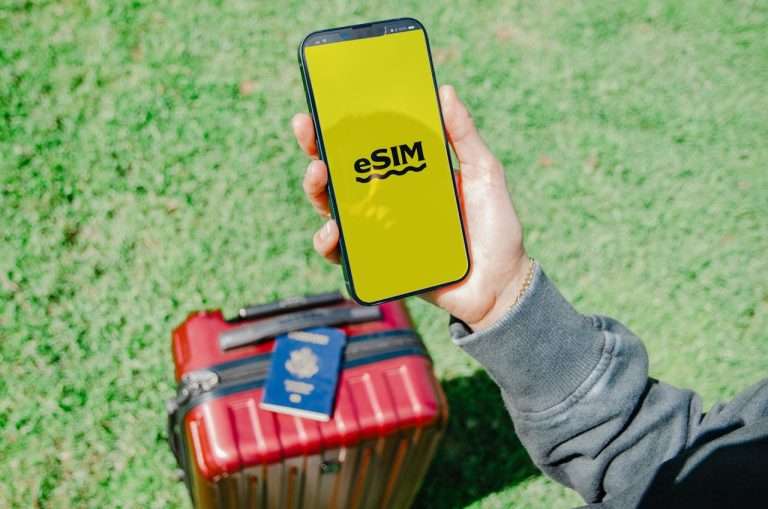
Your Canadian SIM will work in China but roaming rates are brutal. We used a Trip.com eSIM for our entire 50-day trip. It was the cheapest option we found and worked consistently across every city and province we visited.
6. A VPN (installed before you land)
Google, Instagram, WhatsApp, and most Western apps are blocked in China. Download and activate your VPN before you board the plane. You cannot download one once you are on Chinese networks. We cover the best options in our China travel apps guide.

Entry Points
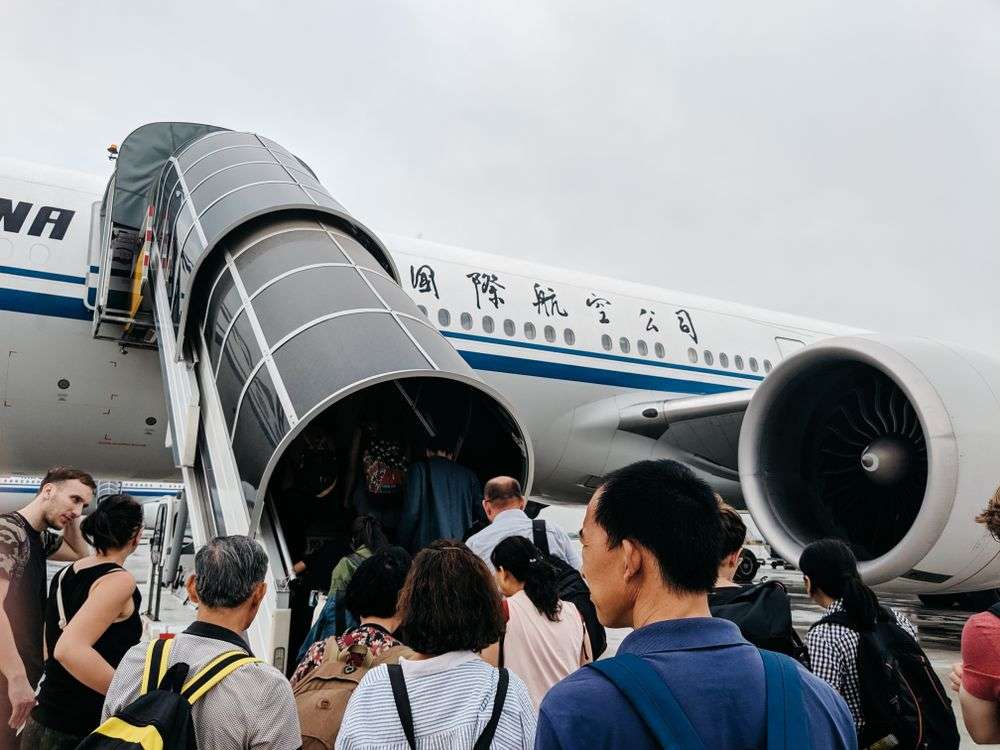
The waiver applies at all official entry points: airports, seaports, and land border crossings. This includes arrivals connecting through Hong Kong or Macau.
Most Canadians will fly direct or connect through major hubs. Beijing Capital (PEK), Beijing Daxing (PKX), Shanghai Pudong (PVG), and Guangzhou (CAN) are the most common first points of entry. Once you land, our guide to getting around China covers metro, Didi, and high-speed rail between cities.
Does This Cover Hong Kong and Macau?
No. Hong Kong and Macau are separate special administrative regions with their own entry rules. Canadians already get 90 days visa free in both territories under separate arrangements. This new waiver only covers mainland China.
Is It Safe to Travel to China Right Now?
Canada’s official travel advisory for China (as of June 2026) is Exercise Normal Security Precautions. We spent two months across eight Chinese cities and felt safe throughout. We go into much more detail in our post on whether China is safe to travel as a foreigner, including what surprised us and what to be aware of.
Our Honest Take: Is 30 Days Enough?
No. We had 50 days and still felt like we scratched the surface.
China is enormous and genuinely different from anywhere else in Southeast or East Asia. The food alone, with regional cuisines that share almost nothing with each other, could fill a month. Add the high-speed rail network (we compared business vs. first vs. second class here), the sheer scale of the history, and the completely immersive experience of navigating a place where almost nothing is in English. Thirty days goes fast.
That said, 30 days is more than enough for a first trip.
What About the Rest of 2026?
The current waiver runs until December 31, 2026. Whether it gets extended into 2027 depends on Canada-China diplomatic relations, which have been warming but are still complicated.
Our advice: don’t wait. If you’ve been thinking about a China trip, this year is the easiest it has ever been for Canadians to just go.
We’ll update this post if the policy changes.
Quick Checklist Before You Fly
- Valid Canadian ordinary passport (6+ months remaining)
- Onward / return flight booked
- First night’s accommodation confirmed
- WeChat Pay or Alipay set up (here’s how)
- eSIM or data plan sorted (our recommendation)
- VPN downloaded and tested before departure (see our picks)
- Travel insurance (China has excellent hospitals but they are expensive without coverage)
- Some cash CNY for emergencies (small amounts accepted at some tourist sites)
Frequently Asked Questions
Can I extend my stay beyond 30 days?
Not under the visa free waiver. If you want to stay longer than 30 days, you’ll need to apply for a visa through the standard process before you travel, or exit and re-enter at immigration’s discretion.
Does the waiver apply if I’m flying into Tibet?
Tibet requires a separate Tibet Travel Permit on top of any visa or waiver. This applies to all foreigners regardless of nationality.
Can I work in China under the visa free waiver?
No. Working, studying, or engaging in journalism requires the appropriate visa category. The waiver covers tourism, short business visits, family and friends visits, and transit only.
What if I overstay my 30 days?
Overstaying a visa or entry permit in China is a serious offence. Penalties include fines, detention, and bans on future entry. Do not do it.
I have a connecting flight through a Chinese airport. Do I need a visa?
If you are staying airside (not passing through immigration), no visa is needed. If you exit the airport and enter China, even for a short stopover, the waiver covers you for up to 30 days.

We spent 50 days in China and it was the hardest and most rewarding part of our entire 202-day Asia trip. The food, the trains, the sheer scale of the place. Nothing quite prepares you for it.
If the visa process was the thing standing between you and going, that wall is down for the rest of 2026.
Go.
Have questions about travelling to China as a Canadian? Drop them in the comments and we’ll answer.