The Best Time to Visit Vietnam: A Month-by-Month Guide to 7 Top Destinations
There is no single best time to visit Vietnam. The country stretches more than 1,600 km from north to south across three separate climate zones. While Hanoi shivers under misty drizzle in January, Phu Quoc sits at 30°C with calm seas. While Hoi An floods in October, Sapa’s rice terraces glow gold under clear skies.
Get the timing right and Vietnam is one of the easiest countries in Asia to love. Get it wrong and you’re watching typhoon warnings from a hotel room.
We spent a month hopping from Hanoi all the way down to Phu Quoc, and we went in December. The north was cool and dry, the central coast threw down the odd heavy shower that passed fast, and by the time we reached Phu Quoc in the south it was hot and sunny. Some days I wanted a skirt, some days a jacket, so we planned around the weather city by city.
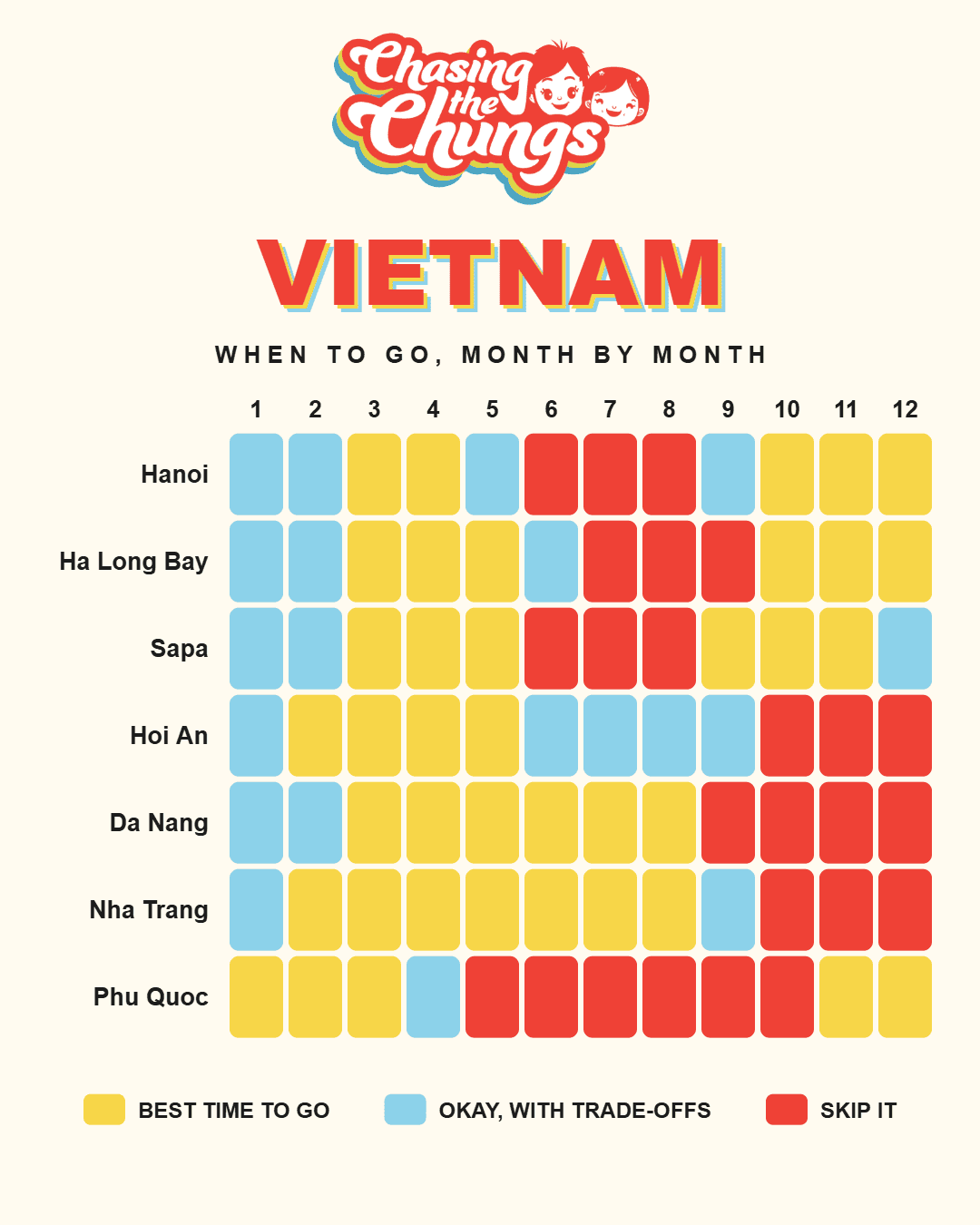
Here’s the whole answer in one image. Save it, then jump to the city you actually care about.
Jump to your destination
Or skip to: Month by Month · Worst Time · Tet Warning · FAQ
The short version: the best time to visit Vietnam for most trips is February to April. March is the single best month. But if you know where you’re going, you can do much better than “almost everywhere.”
On a budget? The cheapest time to visit Vietnam runs roughly May to September, and flight deals are often best in April, September and October. That low season lines up with the hotter, wetter months, but two things work in your favor. Rain in this part of Asia usually comes in short, fast-moving bursts rather than all-day washouts, and the central coast around Hoi An and Da Nang is actually in its dry season through summer. We happily trade a few passing showers for smaller crowds and lower prices.
Best Time to Visit Hanoi
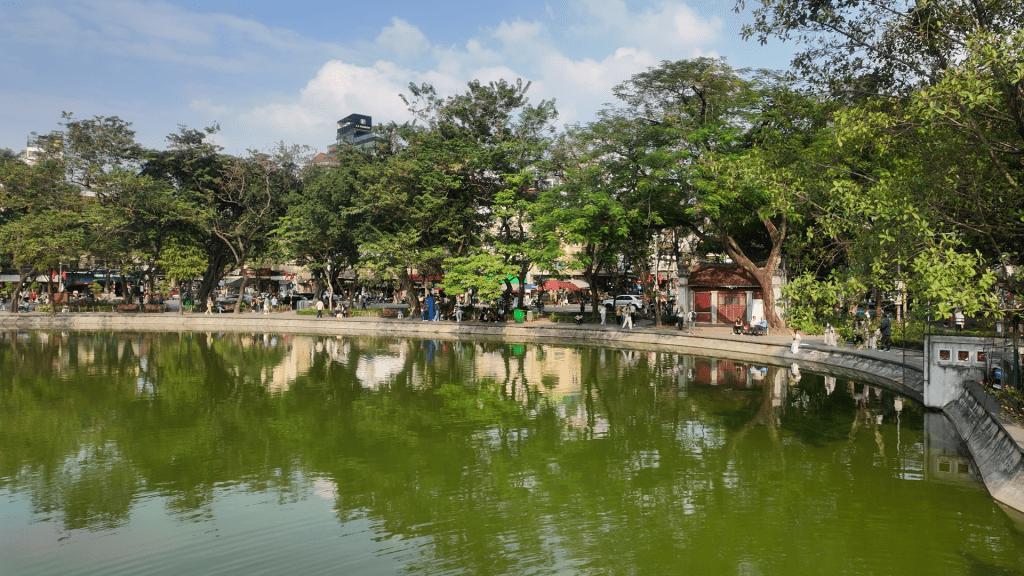
✅ Go: October to December, or March to April
❌ Skip: June to August
Our take: We stayed in the Old Quarter and it felt like the heartbeat of the city, loud and packed with life at every corner. Walking took some getting used to since there are barely any sidewalks or streetlights, and the vendors fill whatever space is left, so at first I felt uneasy. Once you learn to move with the flow, it is the best. In December the weather was near perfect, and I was most comfortable in long pants and a short sleeve with a jacket on hand for cold wind or heavy AC.
Autumn is Hanoi at its best. October to early December brings cool, dry days between 20 and 28°C, low humidity and real sunshine. Spring (March to April) is the runner-up: mild, blooming, a bit more drizzle.
Skip summer if you can. June to August means 35°C+ heat, thick humidity and the heaviest rain of the year. And winter surprises people. January and February drop to 10°C with grey, misty skies. Pack a jacket, not just t-shirts.
Whenever you go, come hungry. Here’s what to eat in Hanoi once you land.
Best Time to Visit Ha Long Bay

✅ Go: October to December, or March to May
❌ Skip: July to September (typhoons)
Our take: We cruised Lan Ha Bay and got a cloudy morning with a little rain, but it cleared fast and the day turned beautiful. Good weather really is everything out here, since seeing the limestone karsts at their peak is the whole point. We kayaked and stopped at a floating fish farm, chilly at first light and hot once the sun came out.
Ha Long Bay follows Hanoi’s seasons. Autumn gives you clear skies and calm water, which matters when you’re sleeping on a boat. Spring works too, warming up by April.
July to September is typhoon season, and storms force last-minute cruise cancellations. Operators refund or reschedule, but if you only have two days in the north, one cancelled cruise wrecks the whole itinerary.
Before you book anything, read our Lan Ha Bay cruise review. It’s the quieter bay next door, same karsts, fewer boats.
Sleeper pick: a winter cruise in January or February. The mist over the limestone karsts looks unreal and prices drop. Just expect cool weather and no swimming.
Best Time to Visit Sapa

✅ Go: September to November, or March to May
❌ Skip: June to August (mud season)
Our take: We planned on Sapa but the forecast turned against us, so we skipped it this time. A real bummer, and a good reason to come back. When the weather is off, the fog rolls in thick and you can barely see the terraces, so watch the forecast before you commit.
Time Sapa around the rice terraces. They flood into mirrors in May and June, turn deep green through summer, and glow gold right before harvest. Late September is the money shot.
March to May brings clear skies and blooming flowers, ideal for trekking. June to August turns trails to mud and hides the views in cloud. December to February gets properly cold, and Sapa occasionally sees snow in January. Locals love it. Your hiking plans won’t.
Best Time to Visit Hoi An
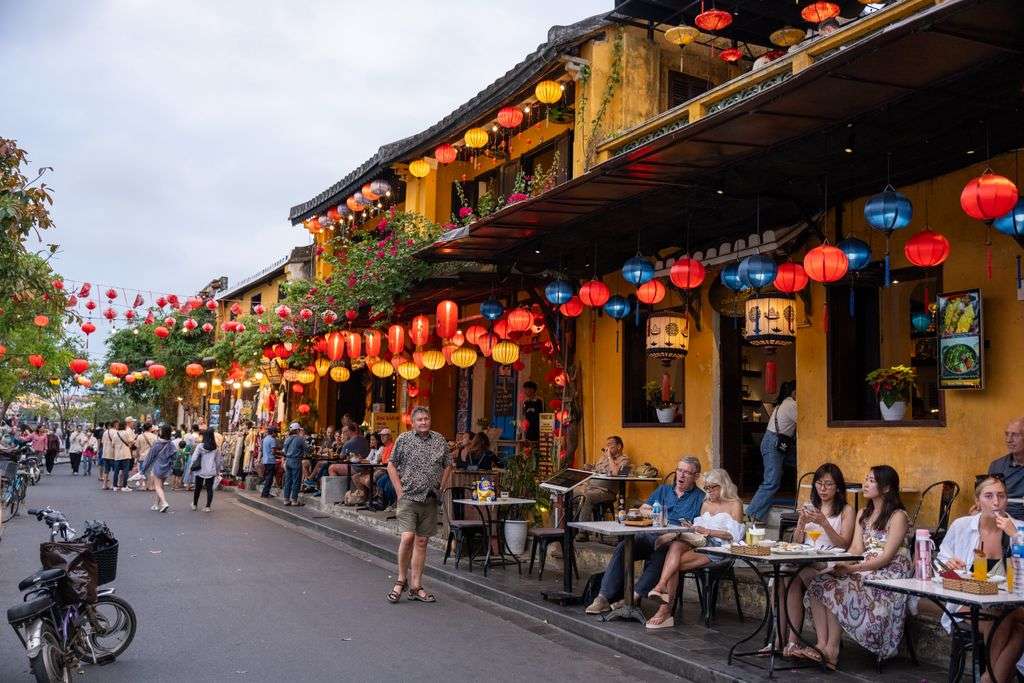
✅ Go: February to May
❌ Skip: October to December (flooding)
Our take: December gets a bad rap for Hoi An, but our days were stunning. One evening it poured at dinner and the Old Town streets flooded fast, though nobody blinked since locals are used to it. The rain passed quickly, so grab a massage or a bite and it is usually gone by the time you finish.
February to May is the sweet spot: dry, mild and sunny before the real heat lands. June to August stays dry but pushes past 35°C, which works if your plan is beach in the morning, Old Town at night.
October to December is the season to avoid. Hoi An sits low on a river and heavy rain regularly floods the Old Town streets. Some travelers enjoy the boats-down-main-street novelty. Most don’t.
Tip: the Hoi An Lantern Festival happens every full moon. The Old Town cuts its electric lights and the river fills with candle lanterns. Check the lunar calendar before you book.
Best Time to Visit Da Nang

✅ Go: March to August
❌ Skip: September to December (October is wettest)
Our take: Da Nang was one of our favorite stops, mostly because the beach is gorgeous. We went in December, and yes it rained, but it passed quickly and never wrecked a day. Heads up that the beach can close for high tides. Ian and I actually prefer booking low season for the smaller crowds and cheaper rates. Shorts and a short sleeve worked most days, with a jacket handy when it rained.
Da Nang is a beach city, so go when the beach works. March to August is dry season, with My Khe Beach calmest and sunniest from May onward. June and July get hot, but that’s what the ocean is for.
September to December is wet season and typhoon season, and October is the single wettest month in central Vietnam. The Golden Bridge and Ba Na Hills sit in cloud, and the sea turns rough. Combining Da Nang with Hoi An? You should, they’re 30 minutes apart, and the same weather windows apply to both.
We spent a week here eating our way through the city. The full rundown, with real prices, is in our Da Nang travel guide.
Best Time to Visit Nha Trang
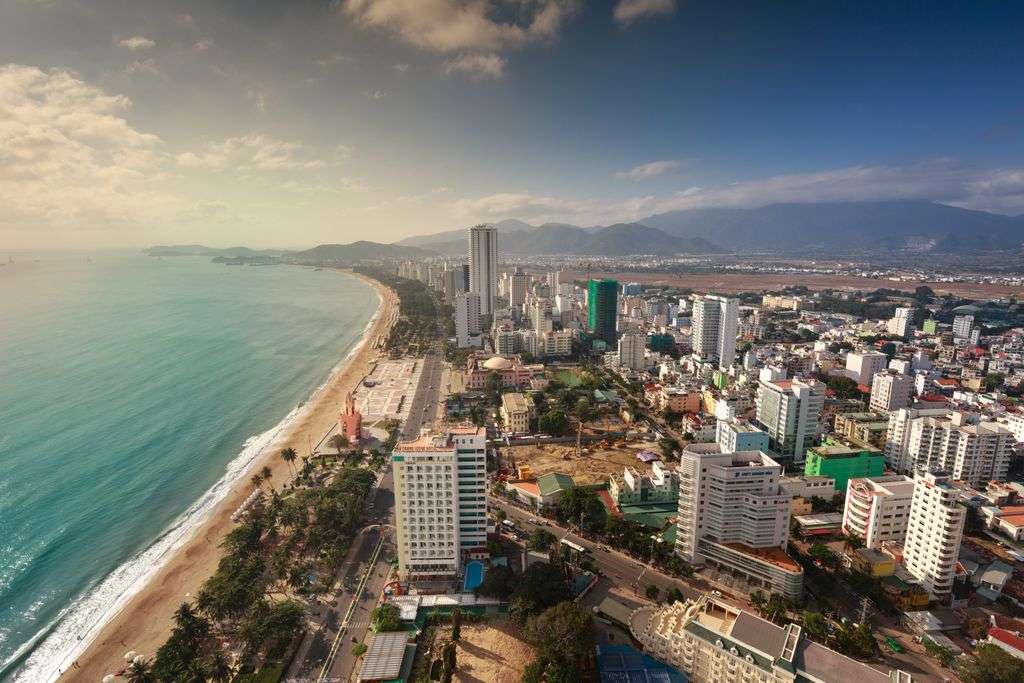
✅ Go: February to August
❌ Skip: October to December (rough seas)
Our take: Nha Trang is still on our list for next time. We have heard so many great things and cannot wait to see the islands and dive sites for ourselves.
Nha Trang has the longest dry season on Vietnam’s coast and around 300 days of sun a year. February to April gives you cool, dry days and the best water visibility for diving. May to August runs hotter but stays dry, with calm seas made for island hopping.
October to December is the one stretch to avoid. Most of the year’s rain falls in those three months, seas turn rough, boat trips get cancelled, and the beach loses its point.
Best Time to Visit Phu Quoc
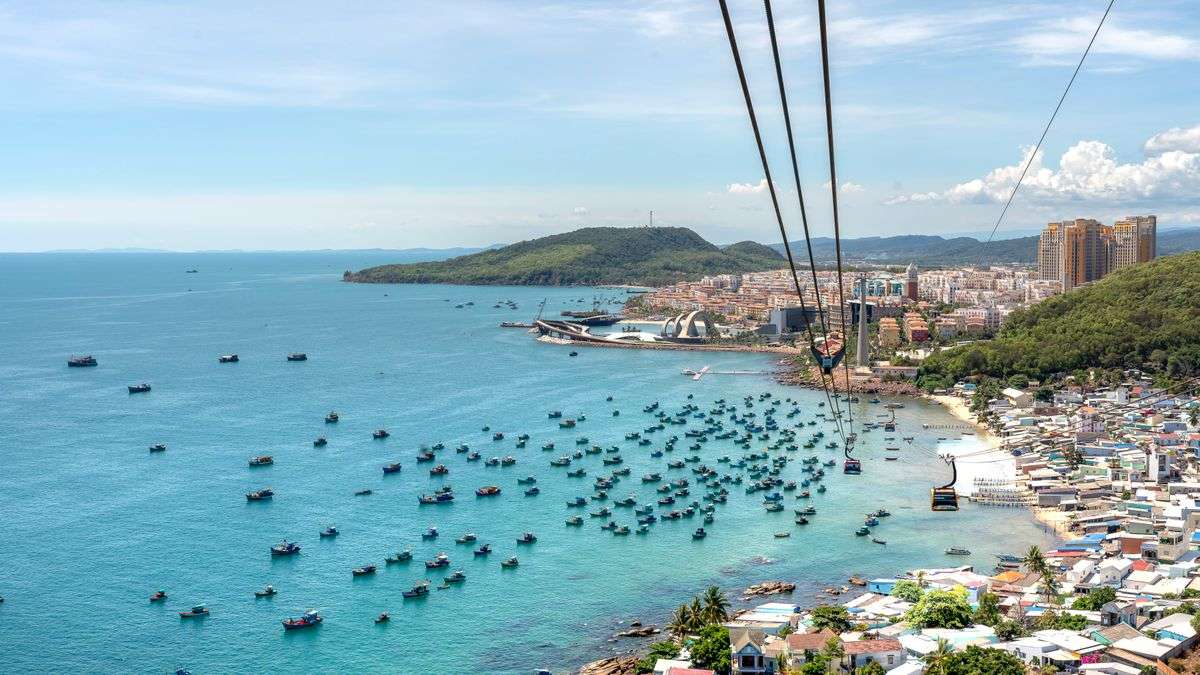
✅ Go: November to March
❌ Skip: May to October (worst in September)
Our take: Phu Quoc was the hottest weather we felt anywhere in Vietnam. It is packed with tourists, especially around Sunset Town, which feels like a theme park built to look like Europe, all grand and polished. We caught some rain, but overall the weather was beautiful.
Phu Quoc runs on the southern climate: one dry season, one wet. November to March means calm seas, blue skies and perfect west-coast sunsets. It’s also peak season, so book early and expect peak prices.
May to October is rainy season, worst around September and October. The upside: hotels drop prices hard, and early-season rain often comes in short bursts rather than all-day washouts. On a budget, May and June are a workable gamble. September is not.
Vietnam Weather by Month
There is no single best time to visit Vietnam, but every month works somewhere. Match your dates to the right region.
- January: Dry and warm in the south. Phu Quoc and Ho Chi Minh City at their best. Hanoi cool and misty.
- February: Dry almost everywhere. Watch for Tet, which shifts each year and closes much of the country for a week.
- March: The best all-round month. Mild north, sunny central coast, dry south.
- April: Warm and dry nationwide. Last comfortable month in the south before the rains.
- May: Southern monsoon begins. The central coast takes over as the beach pick.
- June: Hot everywhere. Great beaches in central Vietnam, sweaty sightseeing in Hanoi.
- July: Peak domestic travel. Central beaches stay dry. Typhoon risk building in the north.
- August: Wettest month in the north. Central coast still good. Book Ha Long cruises with flexible dates.
- September: Sapa’s terraces turn gold. Typhoon season arrives on the central coast.
- October: The north at its finest, the central coast at its worst. Go to Hanoi, skip Hoi An.
- November: Excellent north, dry season starting in the south. Central coast still stormy.
- December: Peak season in Phu Quoc and the south. Hanoi turns cold but stays photogenic.
The Worst Time to Visit Vietnam
If there’s one window to plan around, it’s typhoon season on the central coast, September to November. Hoi An, Da Nang and Nha Trang all take the hit, with October the wettest month. Ha Long Bay’s storm risk peaks earlier, July to September. Heading into the storm months? Read our Vietnam typhoon season survival guide for the full playbook. Track official forecasts on Vietnam’s national tourism site.
That doesn’t mean Vietnam shuts down in autumn. It means the best time to visit Vietnam in autumn is the north. Hanoi, Ha Long Bay and Sapa are all at their best in October and November. Pair them with 2 days in Ninh Binh and you have the whole northern loop.
A Note on Tet (Vietnamese New Year)
Tet is Vietnam’s biggest holiday, and the next one falls on February 6, 2027, with businesses closing for roughly a week around it. Trains, flights and buses sell out as the whole country travels home. Cities empty out, restaurants and shops close, and prices spike.
It’s a fascinating time to be in Vietnam if you book everything early. It’s a frustrating time if you don’t.
FAQ: Best Time to Visit Vietnam
What is the cheapest time to visit Vietnam?
May to September. It’s low season in most of the country, so flights and hotels drop. You trade savings for heat in the north and rain in the south. The central coast (Hoi An, Da Nang) is actually in its dry season for most of this window, which makes it the best-value pick. Budget travelers should also read our Thailand vs Vietnam cost comparison.
When is the rainy season in Vietnam?
It depends on the region. The north gets summer rain (June to August). The central coast gets autumn rain (September to December). The south gets monsoon rain from May to October. There is always a rainy region and always a dry one.
Can you visit Vietnam year-round?
Yes. Because the three climate zones run on different schedules, some part of Vietnam has good weather in every month. Build your route around the seasons instead of fighting them: north in autumn, whole country in spring, central coast in summer, south and islands in winter.
What is the best month to visit Vietnam overall?
March is the best time to visit Vietnam overall. Dry and mild in the north, dry and sunny on the central coast, and the tail end of dry season in the south. Doing the classic top-to-bottom route in one trip? March gives you the fewest compromises.
Planning the Rest of Your Asia Trip?
Vietnam was one stop on our 202-day run through Asia. Deciding between countries? Start with Thailand vs Vietnam: which is cheaper and which to visit first. And however you route it, sort your data before you land with our Asia eSIM review.